How to Strengthen Weak Areas for Sports: Boost Performance Fast
Do you ever feel held back by certain weak spots in your sports performance? Maybe your speed isn’t where you want it, or your stamina fades too quickly.
These weak areas can stop you from reaching your full potential and winning more games. But here’s the good news: you can change that. By focusing on the right strategies, you’ll not only strengthen those weaknesses but also boost your overall game.
Keep reading, and you’ll discover simple, effective ways to turn your weak points into your biggest strengths. Your best performance is closer than you think.
Identify Weak Areas
Identifying weak areas in sports is the first step to improve performance. Athletes need clear insight into what holds them back. Pinpointing these weaknesses helps create a focused training plan. This section explains how to find those weak spots effectively.
Assess Physical Fitness
Physical fitness affects every part of sports performance. Test your strength, endurance, speed, and flexibility. Use simple exercises or fitness tests to check your limits. Notice where you feel tired or slow compared to others. These signs show which parts need work.
Analyze Skill Gaps
Skills are key in sports success. Compare your skills to those of top players. Watch your technique and decision-making during practice or games. Identify moves or skills that seem weak or inconsistent. Focus on the skills that slow your progress.
Gather Feedback From Coaches
Coaches see what you might miss during play. Ask them for honest feedback about your strengths and weaknesses. Listen carefully to their advice and suggestions. Use their observations to guide your improvement efforts. Their experience can highlight hidden weak areas.
Set Clear Goals
Setting clear goals is the first step to improving weak areas in sports. Goals give you direction and focus. They help you track progress and stay motivated. Without clear goals, training can feel random and less effective.
Clear goals break down big challenges into small, doable tasks. They make improvement easier to manage. Setting goals also helps you stay committed and measure success over time.
Define Performance Targets
Start by defining specific performance targets. These targets should relate directly to your weak areas. For example, if your weak point is speed, set a target time to reach. If it is accuracy, aim for a certain percentage of success. Clear targets help you focus on what needs work. They give you something real to aim for.
Use simple and clear language for your targets. Make sure you understand exactly what you want to achieve. This clarity will help you stay on track during training.
Create Measurable Milestones
Break your performance targets into smaller milestones. Milestones are short-term goals that lead to your main target. They make progress visible and keep you motivated. For example, improve your sprint time by 0.5 seconds every two weeks.
Measurable milestones help you see progress clearly. They also allow you to adjust your training if needed. Celebrate each milestone to maintain motivation. Small wins build confidence and keep you moving forward.
Develop A Training Plan
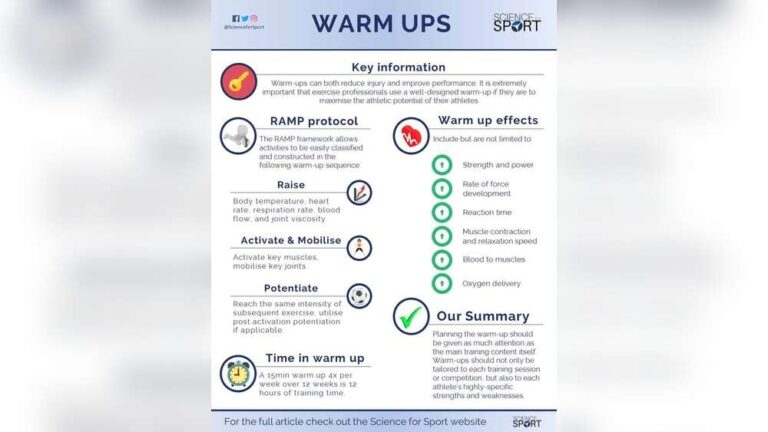
Creating a training plan helps target weak areas in sports. It breaks down goals into clear steps. A good plan balances skill work, fitness, and rest. It keeps practice focused and effective. Regular review and updates keep progress steady.
Focus On Specific Drills
Choose drills that improve your weak skills. Practice these drills often to build muscle memory. Short, focused drills work best for skill gains. Use drills that mimic real game situations. Track your improvement to stay motivated.
Incorporate Strength And Conditioning
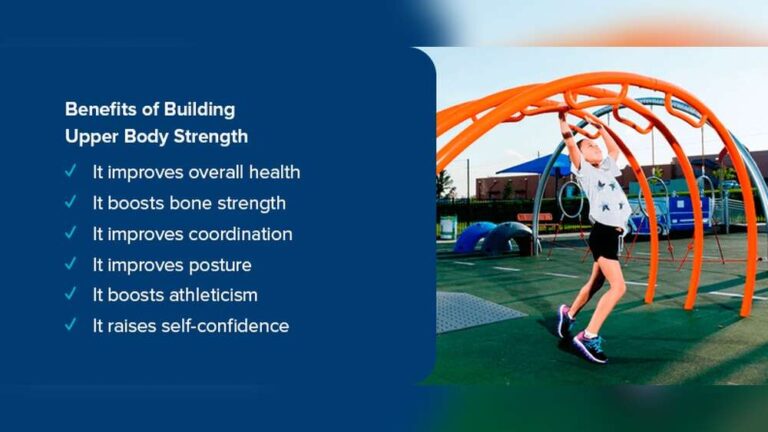
Build muscle and endurance to support your skills. Include exercises for core, legs, and arms. Strength training reduces injury risk and boosts power. Conditioning improves your stamina during long games. Balance strength work with skill practice for best results.
Schedule Consistent Practice
Set regular practice times and stick to them. Consistency helps your body and mind adapt. Short, daily sessions work better than long, rare ones. Rest days are important to avoid burnout. Keep your schedule realistic to maintain motivation.

Credit: healixtherapy.com
Enhance Mental Toughness
Mental toughness plays a key role in sports performance. It helps athletes stay focused and strong during challenges. Strengthening this skill improves decision-making and resilience under pressure. Building mental toughness takes time and practice but can boost your overall game.
Practice Visualization Techniques
Visualization means imagining yourself succeeding in your sport. Picture every move clearly in your mind. See yourself hitting goals or making perfect plays. This mental rehearsal prepares your brain for real situations. It builds confidence and reduces anxiety before competitions.
Build Confidence Through Repetition
Repeating skills makes them easier and more natural. Practice drills regularly to strengthen weak areas. Confidence grows when you know your skills well. This steady improvement helps you trust your abilities during games.
Manage Stress Effectively
Stress can hurt focus and performance. Learn ways to stay calm under pressure. Deep breathing and mindfulness exercises work well. Taking breaks and getting enough rest also help. Managing stress keeps your mind sharp and ready to compete.
Optimize Nutrition And Recovery
Optimizing nutrition and recovery plays a key role in strengthening weak areas for sports. Proper fuel and rest help the body repair and grow stronger. Without these, progress can slow or stop. This section covers how to eat well and recover smartly to boost performance.
Adopt A Balanced Diet
Eat a variety of foods to get all essential nutrients. Include proteins, carbohydrates, healthy fats, vitamins, and minerals. Protein helps rebuild muscles. Carbs provide energy for training. Healthy fats support brain and hormone health. Avoid too much sugar and processed foods.
Drink plenty of water throughout the day. Staying hydrated improves focus and muscle function. Plan meals around your training schedule. Eat a small meal or snack before exercise for energy. After workouts, eat protein and carbs to help recovery.
Prioritize Sleep
Sleep is vital for muscle repair and mental sharpness. Aim for 7 to 9 hours of quality sleep each night. Good sleep reduces injury risk and improves reaction time. Create a bedtime routine to fall asleep faster. Avoid screens and caffeine before bed. A dark, cool room helps rest better.
Use Recovery Strategies
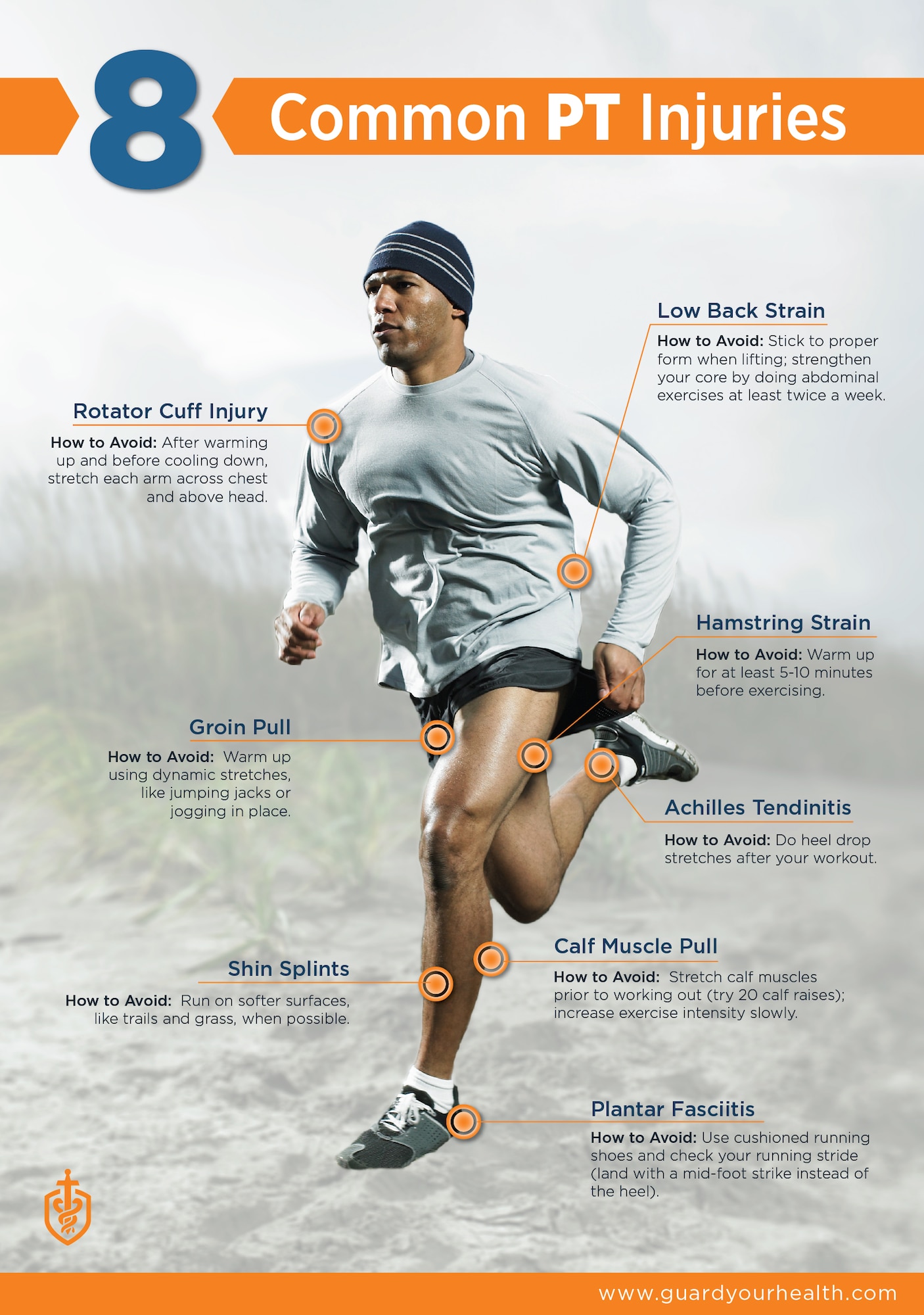
Active recovery, like light walking or stretching, aids muscle healing. Use ice packs or cold baths to reduce soreness after intense sessions. Massage or foam rolling can ease tight muscles. Schedule rest days to prevent overtraining. Listen to your body and adjust rest as needed.
Credit: www.airforcemedicine.af.mil
Track Progress And Adjust
Tracking progress is key to improving weak areas in sports. It shows what works and what needs change. By watching your progress closely, you can keep your training effective and focused. Adjustments help avoid plateaus and keep improving your skills.
Monitor Performance Metrics
Track specific numbers that show your performance. These can be speed, strength, accuracy, or endurance. Use tools like apps, journals, or wearable devices. Regular checks help spot trends and weaknesses. This data guides your next steps clearly and simply.
Modify Training As Needed
Change your exercises based on your tracked results. Add more drills for weak spots or reduce what is already strong. Adjust intensity, duration, or type of training. This keeps your routine fresh and effective. Small changes can lead to steady improvement over time.
Credit: www.spookynooksports.com
Frequently Asked Questions
How Can I Identify My Weak Areas In Sports?
Assess your performance through self-evaluation and coach feedback. Track stats and notice patterns where you struggle. Video analysis also helps pinpoint technical flaws. Regularly review your progress to spot consistent weaknesses. This process guides targeted improvement efforts effectively.
What Exercises Improve Weak Muscles For Sports?
Focus on strength training targeting weak muscles using resistance bands or weights. Incorporate functional movements that mimic your sport’s actions. Balance exercises and flexibility work prevent injury. Consistency and gradual progression maximize muscle strengthening and sports performance.
How Does Mental Training Help In Strengthening Weak Areas?
Mental training builds focus, confidence, and resilience. Visualization and goal-setting improve motivation and execution under pressure. Positive self-talk reduces anxiety in weak areas. Combining mental and physical training accelerates overall sports improvement and consistency.
How Often Should I Train To Improve Weak Areas?
Train weak areas 2-3 times weekly with rest days in between. Avoid overtraining by balancing intensity and recovery. Regular, focused practice ensures steady progress and prevents injuries, enabling consistent skill enhancement.
Conclusion
Building strength in weak sports areas takes time and effort. Stay patient and keep practicing regularly. Focus on small improvements each day. Train smart by targeting specific skills and muscles. Rest well to help your body recover and grow stronger.
Track your progress to see what works best. Believe in your ability to improve step by step. Consistency beats quick fixes every time. Keep your goals clear and stay motivated throughout. Your hard work will show in better performance soon.

Brandon Knoxley is a sport & fitness writer and training guide contributor at MySportFitHub. He focuses on practical workouts, performance-based training, and honest fitness gear insights designed for real people and real results. Brandon is passionate about helping beginners and active individuals train smarter, avoid common mistakes, and build sustainable fitness habits.