Is A Treadmill FSA Eligible: What You Need To Know
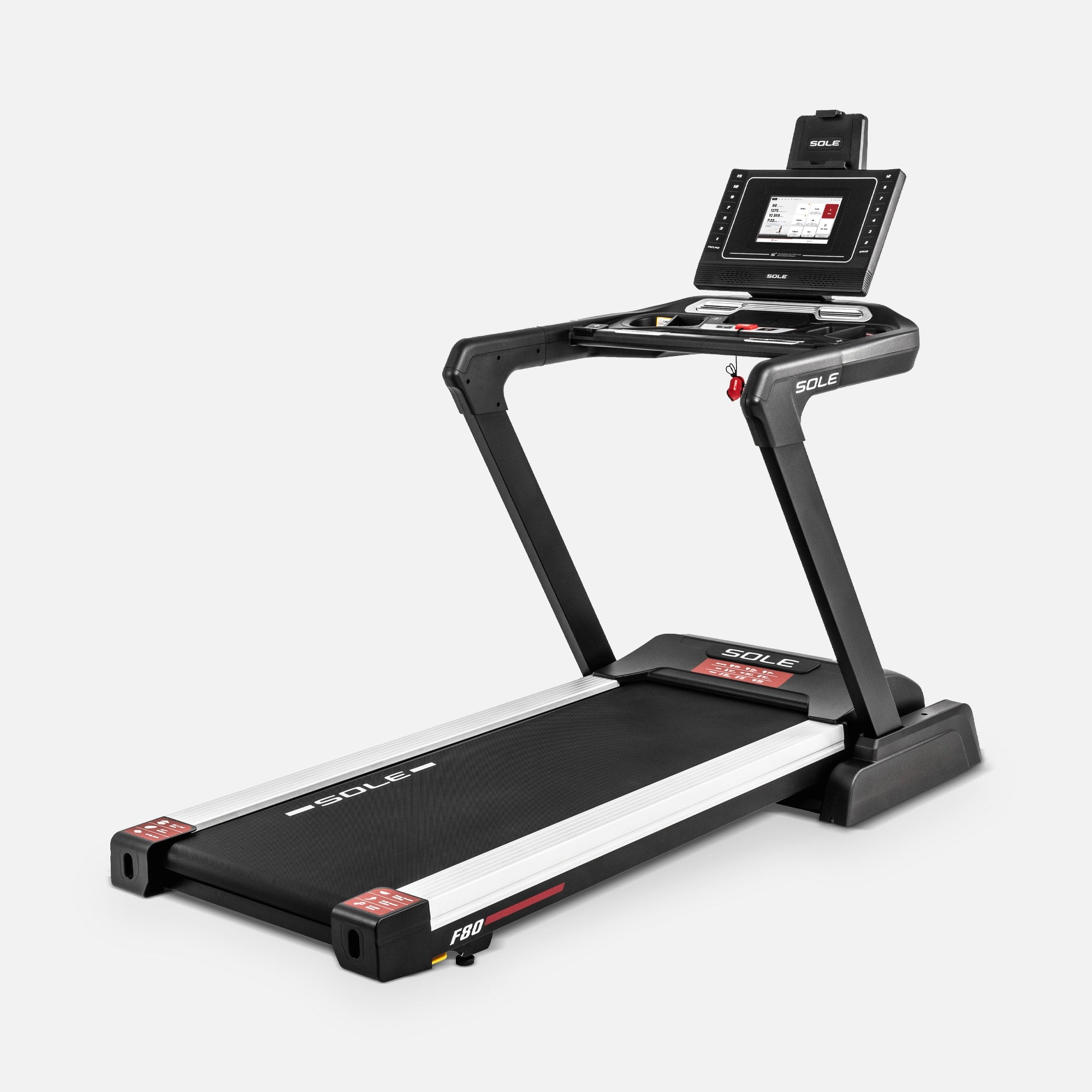
A treadmill is usually not FSA eligible, unless a doctor prescribes it to treat a diagnosed medical condition.
The answer depends on why you need the treadmill, how your health care provider documents that need, and your FSA administrator’s rules. This guide explains when a treadmill may qualify, what paperwork you need, common claim mistakes, and safer ways to use your FSA funds.
Is a treadmill FSA eligible?
A treadmill is generally not FSA eligible when you buy it for general fitness, weight loss, or convenience. Flexible spending account funds usually cover qualified medical expenses, not ordinary exercise equipment.
However, a treadmill may qualify when it is medically necessary to treat or manage a diagnosed condition. Examples may include supervised rehabilitation after an injury, treatment for obesity, or support for a heart or mobility condition.
The key difference is medical purpose. Walking on a treadmill to stay healthy is usually a personal expense. Using one as part of a documented treatment plan may qualify.

When is a treadmill FSA eligible?
A treadmill may be FSA eligible when a licensed health care provider recommends it to treat a specific medical condition. Your provider should explain why the treadmill is needed and how it supports your care.
A medical necessity letter is often the most important document. It should connect the equipment to your diagnosis rather than simply state that exercise is healthy.
A treadmill may have a better chance of approval when it is used for:
• Cardiac rehabilitation
• Physical therapy at home
• Recovery after surgery or an injury
• A mobility disorder
• A diagnosed weight-related medical condition
• Diabetes management, when exercise is part of a documented treatment plan
• A condition that limits access to a gym or outdoor walking area
Even with a letter, approval is not automatic. The IRS sets broad tax rules, but your FSA administrator reviews claims and may apply additional documentation rules.
Why general exercise usually does not qualify
The tax rules focus on medical care. They do not usually cover expenses that improve general health or prevent possible illness.
For example, a treadmill bought to improve fitness, train for a race, or lose a few pounds may not meet the standard. The same is often true if your doctor simply recommends that you exercise more.
Think of the rule this way: an FSA may cover treatment for a medical problem, but it usually does not cover tools for ordinary wellness. A treadmill is often viewed as a personal-use item unless the medical purpose is clear.
This distinction can feel frustrating. Exercise has real health benefits, but tax rules still require a direct link to a diagnosed condition.
What is a letter of medical necessity?
A letter of medical necessity is a written statement from a qualified health care provider. It explains why a specific product or service is needed to diagnose, treat, or manage a medical condition.
For a treadmill, the letter should normally include:
• Your name and the date of the letter
• The diagnosed medical condition
• The recommended treadmill or type of equipment
• How the treadmill will treat or manage the condition
• The expected length of treatment
• The provider’s name, credentials, and signature
• Any limits on use or required supervision
A short note that says “patient needs a treadmill” may not be enough. Strong documentation explains the medical connection in plain terms.
Your provider may also recommend physical therapy, a walking schedule, heart-rate limits, or other safety steps. Keep these instructions with your records.
How to submit a treadmill FSA claim
Before buying the equipment, contact your FSA administrator. Ask whether a treadmill can qualify with a letter of medical necessity and whether you need approval before purchase.
Use this process:
-
Ask your FSA administrator about its equipment rules.
-
Speak with your doctor or another qualified provider.
-
Request a detailed letter of medical necessity.
-
Confirm whether the letter must be renewed each year.
-
Buy the treadmill only after checking the rules.
-
Keep the itemized receipt and proof of payment.
-
Submit the claim through your FSA portal or claims process.
-
Save all records in case the administrator requests more information.
Some plans require you to pay the full cost first. Others may allow an FSA debit card, but a card payment does not guarantee that the claim is approved.
If your claim is denied, ask for the reason in writing. You may be able to submit additional medical records or appeal the decision.
What documents should you keep?
Good records can make an FSA claim much easier. They also help show that the purchase was for medical care rather than general fitness.
Keep:
• The itemized store receipt
• Proof of payment
• The letter of medical necessity
• Your provider’s treatment instructions
• The product description
• The treadmill’s price and model
• Shipping and installation details
• Any claim approval or denial notices
If you use the treadmill for both medical treatment and personal exercise, keep a clear record of how it is used. Your administrator may ask whether the equipment has a substantial personal benefit.
Do not rely only on an online product page or a credit card statement. A credit card statement may show that you paid, but it usually does not show what you purchased or why it was medically needed.
Can an FSA cover the full treadmill cost?
A treadmill may be FSA eligible for the medically necessary portion of its cost, but this depends on your plan and the facts of your case. Some administrators may question the personal benefit of owning exercise equipment at home.
The possible reimbursement may also be affected by:
• The treadmill’s price
• Delivery charges
• Assembly fees
• Optional screens or entertainment features
• Extended warranties
• Accessories
• The medical need described by your provider
A basic treadmill used for treatment may be easier to explain than a high-end model with luxury features. That does not mean an expensive treadmill is automatically disqualified. It means you should be ready to explain why that model is medically appropriate.
Ask your FSA administrator how it treats upgrades, accessories, and installation before you spend the money.

Can an FSA cover a walking pad or under-desk treadmill?
A walking pad or under-desk treadmill follows the same general rule. It is usually not FSA eligible when purchased for work breaks, daily movement, or general fitness.
It may qualify when a provider documents that it is medically necessary for a specific condition. The smaller design could be helpful for someone with limited space or mobility, but convenience alone does not create eligibility.
Do not assume that a product labeled “FSA eligible” by a retailer is approved for your personal claim. Retailer labels can be broad, automated, or based on possible eligibility with medical documentation.
Your plan administrator has the final say for claim processing. Always verify the purchase before relying on an online eligibility label.
Common mistakes to avoid
Many treadmill claims fail because the buyer focuses on the equipment instead of the medical purpose. A treadmill is not automatically eligible just because walking can support health.
Avoid these mistakes:
• Buying the treadmill before asking your FSA administrator
• Using a general fitness recommendation as medical proof
• Submitting a receipt without a medical necessity letter
• Assuming a retailer’s FSA label guarantees approval
• Forgetting to show the diagnosis and treatment purpose
• Including optional accessories without checking eligibility
• Waiting until the last minute to file the claim
• Losing proof of payment
A practical lesson from real-world reimbursement reviews is simple: documentation should tell one consistent story. Your provider’s letter, receipt, and claim form should all support the same medical purpose.
Are there other ways to use FSA funds for exercise?
Even when a treadmill is not eligible, certain health care services may qualify if they are medically necessary and properly documented. Physical therapy is one common example.
Depending on your plan and medical situation, potentially eligible expenses may include:
• Physical therapy sessions
• Occupational therapy
• Chiropractic care
• Some medically necessary rehabilitation services
• Certain diagnostic services
• Doctor-prescribed treatment programs
Gym memberships and exercise classes are usually not eligible for general health reasons. They may qualify only in limited medical situations with strong documentation, and the rules can vary.
If your main goal is fitness, using personal funds for the treadmill and saving your FSA balance for clearly qualified medical expenses may be the safer choice.
How FSA and HSA rules compare
FSA and HSA accounts follow similar federal standards for qualified medical expenses. Both generally require a direct connection between the expense and the diagnosis or treatment of a medical condition.
The account types still work differently:
• An FSA is usually funded through an employer and may have a use-it-or-lose-it rule, subject to limited carryover or grace-period options.
• An HSA belongs to the individual and is available only with an eligible high-deductible health plan.
• FSA plans may have different claim deadlines and documentation procedures.
• HSA users must keep records even when the account provider does not request them immediately.
A treadmill that is rejected by an FSA administrator may also face problems under HSA rules. The central medical-purpose test remains important.
Check your current plan documents because employer rules, deadlines, and claim systems can change.
Is a treadmill tax deductible if FSA denies it?
A treadmill is usually not deductible as a medical expense when it is bought for general health or fitness. If it has a documented medical purpose, other tax rules may apply, but the expense must still meet strict requirements.
You also cannot receive a tax-free FSA reimbursement and claim the same expense again elsewhere. That would create a double tax benefit.
If the cost is large or your situation is complex, ask a tax professional for advice. Your FSA administrator can explain its claim process, but it may not provide personal tax advice.
Frequently Asked Questions About Is a Treadmill FSA Eligible
Is a treadmill FSA eligible for weight loss?
A treadmill is usually not FSA eligible for ordinary weight loss or general fitness. It may qualify if a provider documents that it is medically necessary to treat a diagnosed condition and your plan approves the claim.
Can I use my FSA card to buy a treadmill?
You may be able to use an FSA card, but the transaction is not automatically approved. The administrator may later request a receipt and a letter of medical necessity.
Do I need a doctor’s note for a treadmill FSA claim?
In most cases, you should expect to need detailed medical documentation. A letter should identify your condition and explain how the treadmill will treat or manage it.
Are walking pads FSA eligible?
Walking pads are generally not FSA eligible when used for personal fitness or work breaks. They may qualify for a documented medical purpose, subject to approval by your FSA administrator.
Can I buy a treadmill first and get a medical letter later?
Buying first is risky because your plan may require medical documentation before the purchase date. Ask your administrator about its timing rules before you place the order.
Can I use FSA money for treadmill accessories?
Accessories are not automatically eligible. Basic items needed for medically necessary use may receive different treatment from entertainment features, upgraded screens, or convenience products.
What happens if my FSA treadmill claim is denied?
Ask the administrator why it was denied and whether you can appeal. You may need to provide a clearer medical necessity letter, an itemized receipt, or additional treatment records.
Conclusion
A treadmill is generally not FSA eligible for everyday exercise, weight loss, or general wellness. It may qualify when a health care provider prescribes it to treat a diagnosed condition and your FSA administrator accepts the supporting documents.
Before buying, confirm the rules, obtain a detailed letter of medical necessity, and keep every receipt and treatment record. That small amount of preparation can prevent a costly denial.
Review your plan documents today, contact your FSA administrator, and share your experience or questions in the comments.

Brandon Knoxley is a sport & fitness writer and training guide contributor at MySportFitHub. He focuses on practical workouts, performance-based training, and honest fitness gear insights designed for real people and real results. Brandon is passionate about helping beginners and active individuals train smarter, avoid common mistakes, and build sustainable fitness habits.