What To Look For In A Treadmill: Smart Buying Guide
Look for a treadmill with a strong motor, steady belt, safe design, useful features, and a size that fits your goals and room.
Knowing what to look for in a treadmill can save you from buying a loud, weak, or uncomfortable machine. The best treadmill is not always the most expensive model. It is the one that matches your workout style, body size, available space, and long-term fitness plans. This guide explains the key features, common mistakes, safety points, and buying tips that help you choose with confidence.
What to Look for in a Treadmill at a Glance
Before comparing brands, decide how you plan to use the treadmill. A machine for light walking needs less power and speed than one used for daily running or interval training.
The most important things to check are:
• Motor power and cooling
• Running surface size
• Speed and incline range
• Cushioning and deck quality
• Maximum user weight
• Frame stability
• Safety features
• Noise level
• Folding design and storage
• Warranty and service
• Console features
• Price and long-term value
A treadmill should feel like a stable road, not a shaky bridge. If the frame moves, the belt slips, or the motor sounds strained during a test, treat those signs seriously.
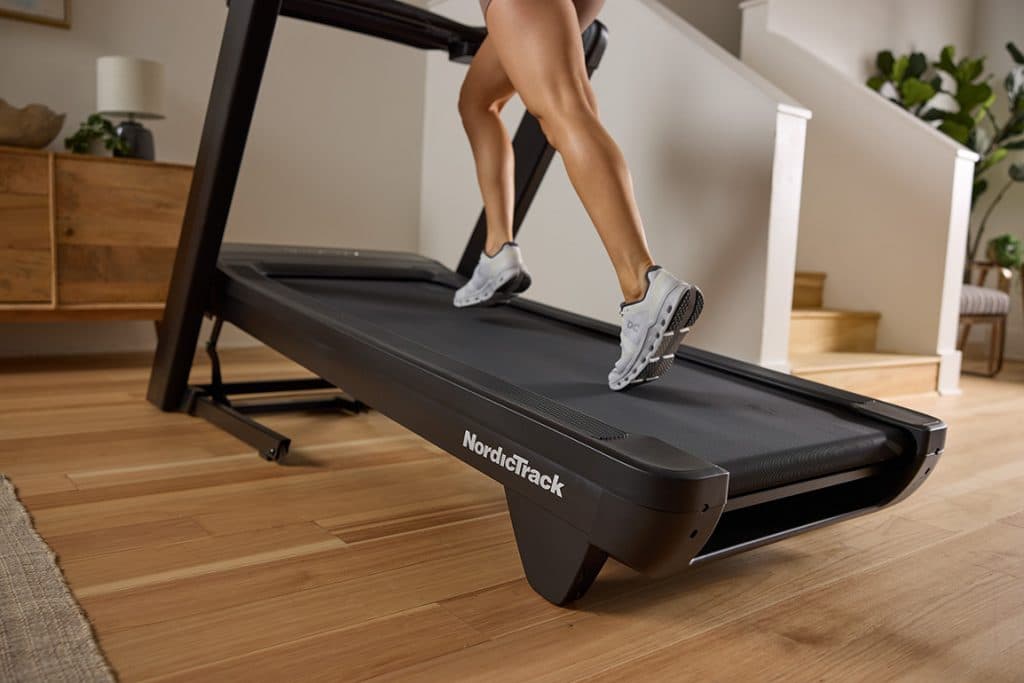
Match the Treadmill to Your Workout Goals
Your workout goal affects nearly every buying decision. A casual walker does not need the same machine as a marathon trainee.
For walking
A walking treadmill can have a smaller motor, a shorter belt, and a lower top speed. Still, it should feel stable and smooth. Look for:
• A top speed of at least 6 miles per hour
• A belt that is at least 18 inches wide
• Simple speed controls
• Handrails that feel firm
• A low step-up height if balance is a concern
For jogging
Jogging creates more impact than walking. A treadmill for jogging should have a stronger frame and a longer deck.
Aim for:
• A top speed of 8 to 10 miles per hour
• A belt length of about 50 to 55 inches
• A motor rated around 2.5 continuous horsepower or higher
• Good deck cushioning
For running
Runners need more room, speed, and stability. If you run with a long stride, a short belt can feel like a narrow hallway.
Choose:
• A belt length of at least 60 inches
• A belt width of 20 inches or more
• A motor with at least 3.0 continuous horsepower
• A top speed of 10 to 12 miles per hour
• A firm frame that does not rock at high speed
When explaining what to look for in a treadmill to new runners, I always start with use. A flashy screen cannot fix a deck that is too short for your stride.
Check the Motor Carefully
The motor is the heart of a treadmill. A weak motor may overheat, slow down, or make a loud whining sound. It can also struggle when a heavier user runs at a high speed or incline.
Manufacturers may list peak horsepower, CHP, or continuous horsepower. Continuous horsepower is more useful because it describes the power the motor can maintain during regular use. Peak horsepower often reflects a short burst rather than steady performance.
As a general guide:
• Up to 2.5 CHP works well for light walking
• About 2.5 to 3.0 CHP suits jogging and moderate use
• At least 3.0 CHP is a better choice for frequent running
• A higher rating may help heavier users or families who share one treadmill
Motor power is not the only factor. The quality of the motor, belt, rollers, cooling system, and frame also matters. A well-built 2.5 CHP treadmill may outperform a poorly built model with a larger number on the box.
Run the machine for several minutes if you can. Listen for grinding, surging, or changes in speed. These may signal poor construction or an overloaded motor.

Choose the Right Belt Size
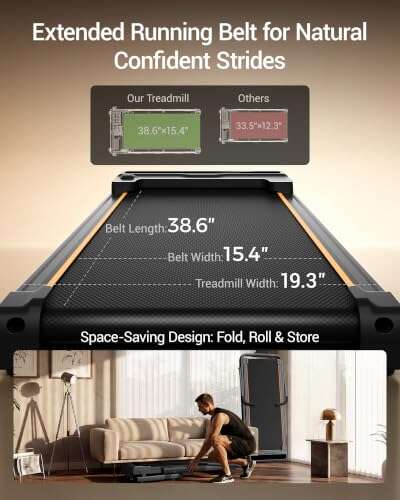
The running belt is your actual workout space. If it is too short or narrow, you may change your stride to avoid stepping off the edge. That can make the workout feel awkward and less safe.
For most users, look for:
• At least 18 inches of belt width for walking
• At least 20 inches of belt width for running
• At least 50 inches of belt length for walking
• At least 55 inches for jogging
• At least 60 inches for running
Taller users often need a longer belt. People over 6 feet tall may feel more comfortable with a 60-inch deck, even if they plan to jog. Your stride length, speed, and posture matter more than height alone.
I once tested a compact treadmill that looked practical in a small room. The belt was fine for walking, but it felt cramped as soon as I increased the pace. That experience reinforced a simple lesson: measure your stride, not just the space in your home.

Understand Speed and Incline Options
Speed and incline control the intensity of your workout. A treadmill with a 12-mile-per-hour top speed may be unnecessary for a walker, while a 6-mile-per-hour model will limit a serious runner.
Consider these common ranges:
• 6 miles per hour is enough for walking
• 8 to 10 miles per hour supports jogging
• 10 to 12 miles per hour suits most recreational runners
• More than 12 miles per hour is mainly useful for advanced speed work
Incline is also important. A motorized incline lets you change the slope without stopping. This is useful for hill training, calorie-burning workouts, and reducing the need to increase speed.
Many home treadmills offer 10% to 15% incline. Some advanced models also provide decline, which can simulate downhill running. Decline is helpful for specific training, but it is not essential for most users.
A higher incline increases the demand on your muscles and heart. Start slowly, especially if you have joint pain, balance problems, or a medical condition. The American College of Sports Medicine recommends gradual increases in exercise intensity.
Look for a Stable Frame and Solid Deck
A treadmill should remain steady when you walk, jog, or run. A light frame may be easy to move, but it can also shake during faster workouts.
Check for:
• A wide and stable base
• Strong side rails
• Minimal movement at the console
• A deck that does not bounce too much
• Feet that sit flat on the floor
• A weight rating that exceeds your body weight
The listed maximum user weight is not a perfect measure of quality. As a practical rule, choose a treadmill rated at least 50 pounds above your current weight when possible. This provides a useful safety margin and may reduce strain on the motor and frame.
The deck should absorb some impact without feeling soft or unstable. Too much bounce can waste energy and affect your rhythm. Too little cushioning may feel harsh on your knees, hips, or ankles.
Evaluate Cushioning and Joint Comfort
Treadmill cushioning can reduce some impact compared with running on concrete. However, no treadmill can remove all stress from your joints. Comfort depends on the deck, belt, shoes, running form, incline, and your own body.
Good cushioning should feel controlled. You should not feel as if the belt dips under each step. Some treadmills use flexible deck zones, elastomers, or shock absorbers to spread impact.
When trying a treadmill:
-
Walk for five minutes.
-
Jog at your normal pace.
-
Try a short incline.
-
Notice how your knees, ankles, and hips feel.
-
Check whether the belt feels smooth under each foot.
If you have arthritis, a past injury, or recurring pain, ask a qualified health professional for advice. A treadmill may support low-impact exercise, but it is not a substitute for medical care.
Consider Noise and Vibration
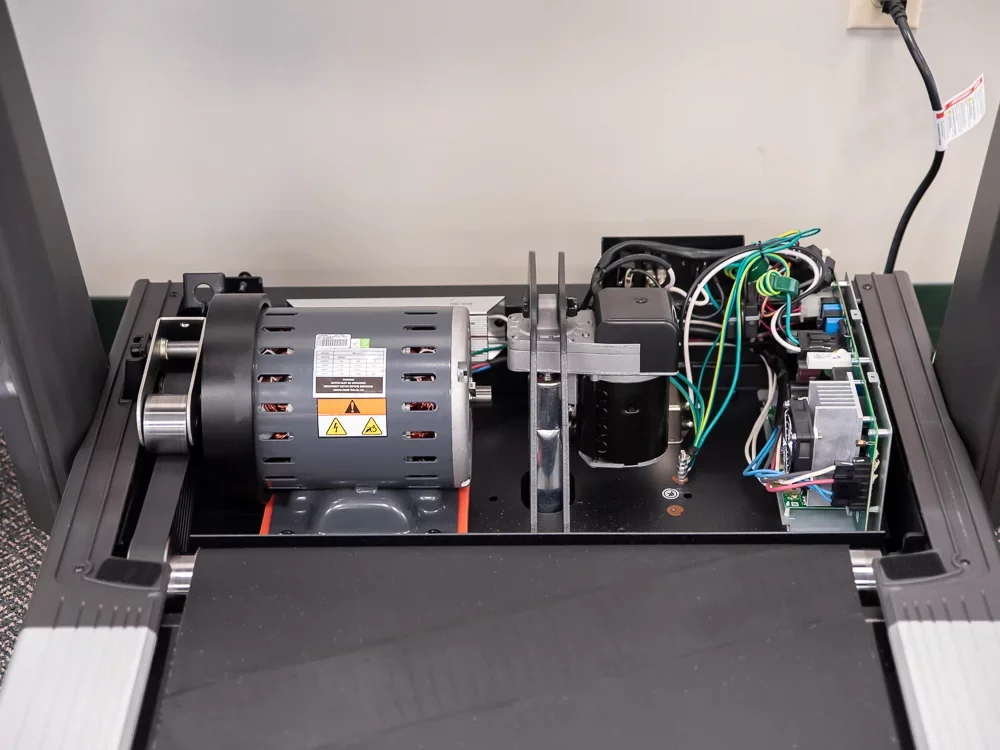
Noise can quickly become a deal breaker. A treadmill makes sound from the motor, belt, rollers, footfalls, and floor vibration. A quiet model is especially important in an apartment or a room near bedrooms.
Noise depends on:
• Motor design
• Belt lubrication
• Roller size
• Frame quality
• User weight
• Running speed
• Floor type
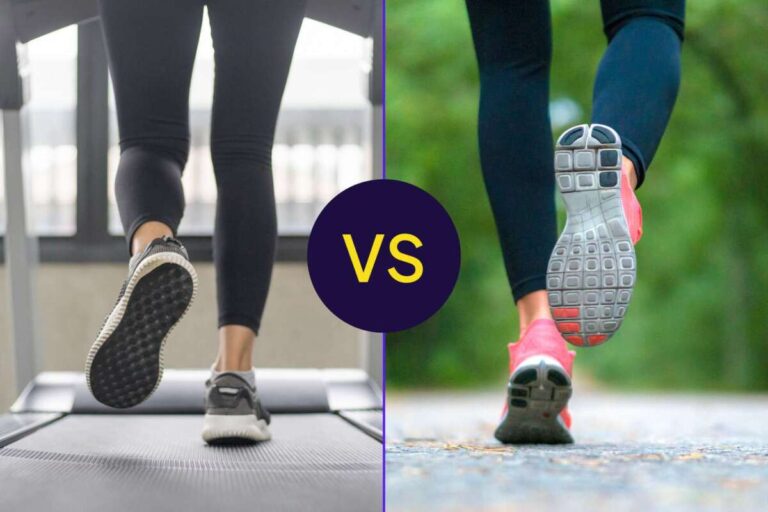
A treadmill may sound quiet in a showroom but louder at home. Hard floors can increase vibration, while a dense treadmill mat may reduce movement and protect the floor.
Do not judge noise only by the motor. Footfalls often create the most noticeable sound. If possible, test the machine at walking and running speeds before you buy it.
Review Safety Features
Safety should be part of what to look for in a treadmill, not an afterthought. A treadmill belt can move quickly, so basic safety controls matter.
Look for:
• A magnetic safety key or clip
• Large stop controls
• Easy-to-reach handrails
• A clear display
• Side rails wide enough for safe stepping
• A low starting speed
• Child safety controls
The safety key clips to your clothing and stops the belt if you move away from the console. It is one of the simplest and most important features on a treadmill.
Keep the machine away from walls, stairs, pets, and busy walkways. The U.S. Consumer Product Safety Commission has reported injuries linked to treadmills, especially when children are near moving belts. Unplug the treadmill when it is not in use if young children live in the home.
Compare Console Features Without Overpaying
Modern treadmills may include touchscreens, virtual routes, speakers, heart-rate tracking, Bluetooth, workout programs, and subscription apps. These features can make exercise more enjoyable, but they should not distract you from the machine itself.
Useful features include:
• Quick speed and incline buttons
• Easy-to-read numbers
• Bluetooth connection
• Device holder
• USB charging
• Fan
• Heart-rate contact sensors
A built-in heart-rate sensor can offer a rough reading, but it may not be as accurate as a chest strap or a medical-grade monitor. Use it as a guide rather than a diagnosis.
Subscription services can also raise the real cost of a treadmill. Check whether the main functions work without a monthly fee. You should be able to start, stop, change speed, and adjust incline without paying for an app.
The best console is one you will actually use. A simple display with fast controls may be better than a large screen that feels slow or confusing.
Check Folding Design and Space Needs
A folding treadmill can save floor space, but it still needs room around it. You should be able to step on and off safely without hitting a wall or piece of furniture.
Measure:
• The treadmill when fully open
• The folded height and depth
• The ceiling height
• The space behind the machine
• Doorways and stairways
• Storage space for the power cord
Many folding models use a hydraulic lift to raise the deck. Test the folding system if possible. It should move smoothly and lock securely. Avoid a model that feels too heavy for you to lower safely.
Also check the weight of the treadmill. A lightweight model may be easier to move, but a heavier frame often provides better stability. Wheels can help, but they do not make a large treadmill effortless to relocate.
Understand Warranty and Maintenance
A strong warranty often reflects the manufacturer’s confidence in its product. Read the warranty terms instead of relying only on the word “lifetime.”
Check coverage for:
• The motor
• The frame
• The deck
• Parts
• Labor
• Electronics
A lifetime frame warranty may not cover labor or replacement parts. Some warranties also require professional assembly or regular maintenance.
Basic treadmill care usually includes:
-
Keeping the belt clean.
-
Lubricating the deck as the manual recommends.
-
Checking belt alignment.
-
Tightening loose hardware.
-
Vacuuming dust near the motor area.
-
Keeping the machine on a level surface.
Over-lubrication can cause slipping, while too little lubrication can increase friction. Always follow the instructions for your specific model.
Calculate the Total Cost
The purchase price is only one part of what to look for in a treadmill. The full cost may include delivery, assembly, a floor mat, maintenance, repairs, and a fitness subscription.
Before buying, ask:
• Is delivery included?
• Is assembly available?
• Does the machine require a special outlet?
• Is the warranty valid in your area?
• Are replacement parts easy to find?
• Does the console require a monthly membership?
• Can you return the treadmill if it feels wrong?
A cheap treadmill that breaks after a year may cost more than a reliable model with better support. On the other hand, an expensive treadmill is not automatically better. Focus on build quality, useful features, and service.
Look for independent user reviews that discuss long-term use. Reviews about delivery or first impressions can be helpful, but reports from owners after six months or a year often reveal more.
Common Treadmill Buying Mistakes
Many treadmill problems begin before the machine arrives. A few minutes of planning can prevent months of frustration.
Avoid these mistakes:
• Buying a belt that is too short
• Choosing peak horsepower instead of continuous power
• Ignoring the maximum user weight
• Paying for features you will not use
• Forgetting to measure doorways
• Skipping a test run
• Assuming every treadmill is quiet
• Ignoring warranty details
• Placing the machine on an uneven floor
• Buying a running treadmill for a small walking space
One common mistake is choosing based on the screen. A large display looks impressive, but the motor, deck, belt, frame, and safety design affect your daily experience much more.
Another mistake is buying a machine that matches your current fitness level but not your likely future goals. If you plan to progress from walking to running, choose a treadmill that can grow with you.
How to Test a Treadmill Before Buying
If you can visit a store, test the treadmill as if you were at home. Wear the shoes you normally exercise in and spend more than one minute on the machine.
Use this simple test:
-
Walk at a comfortable pace.
-
Increase the speed to a brisk walk.
-
Jog or run if that is part of your plan.
-
Adjust the incline while moving.
-
Press the quick controls.
-
Step onto the side rails.
-
Listen for unusual sounds.
-
Check whether the frame shakes.
-
Confirm that the belt stays centered.
-
Read the warranty before placing the order.
The console should be easy to use without interrupting your rhythm. The handrails should not force your arms into an awkward position. Most of all, the treadmill should feel natural.
If you buy online, confirm the return policy. Some returns require you to pay expensive shipping costs, and a treadmill is not easy to box and send back.
A Practical Treadmill Checklist
Use this checklist when comparing models:
• Choose the workout type: walking, jogging, running, or intervals.
• Select a belt that fits your stride.
• Look for continuous horsepower rather than peak horsepower.
• Choose a motor that suits your body weight and training plan.
• Check the speed and incline range.
• Test the frame for shaking.
• Confirm the safety key and stop controls.
• Measure the open and folded dimensions.
• Review noise, warranty, and service support.
• Add delivery, assembly, mat, and subscription costs.
• Read long-term owner reviews.
• Test the machine before buying when possible.
This checklist makes what to look for in a treadmill easier to manage. Instead of comparing dozens of small features, focus on the few that affect safety, comfort, reliability, and daily use.
Frequently Asked Questions About What to Look for in a Treadmill
What is the most important feature to look for in a treadmill?
The most important feature is a strong match between the treadmill and your planned workouts. Motor power, belt size, frame stability, and safety features matter most for comfort and long-term performance.
How much motor power do I need for a treadmill?
A light walker may be comfortable with about 2.0 to 2.5 continuous horsepower. Joggers often benefit from 2.5 to 3.0 CHP, while frequent runners may prefer at least 3.0 CHP.
How long should a treadmill belt be?
A walking belt should usually be at least 50 inches long. Joggers often need 55 inches, while runners commonly feel more comfortable with a 60-inch belt.
Is treadmill cushioning important?
Yes, cushioning can improve comfort by reducing some impact compared with hard outdoor surfaces. It should feel stable and controlled, not soft or bouncy.
Are folding treadmills reliable?
Many folding treadmills are reliable when properly designed and maintained. Check the frame stability, folding mechanism, weight rating, warranty, and customer service before buying.
Do I need a treadmill with a touchscreen?
No. A touchscreen is optional and does not determine treadmill quality. Prioritize the motor, belt, deck, safety controls, and warranty before entertainment features.
How much space do I need around a treadmill?
Leave enough room to step off safely and to access the safety key and controls. Follow the manufacturer’s clearance guidelines, and keep the area free of children, pets, and loose objects.
Conclusion
The best way to understand what to look for in a treadmill is to start with your real workout needs. Choose the right belt size, motor power, speed range, incline, cushioning, frame, safety features, and warranty. Then check the total cost and make sure the treadmill fits your home.
A reliable treadmill should make exercise easier, not create new problems. Measure your space, test the machine if possible, and choose a model that supports your goals for years to come. Use this guide as your checklist, compare carefully, and share your treadmill questions or experiences in the comments.

Brandon Knoxley is a sport & fitness writer and training guide contributor at MySportFitHub. He focuses on practical workouts, performance-based training, and honest fitness gear insights designed for real people and real results. Brandon is passionate about helping beginners and active individuals train smarter, avoid common mistakes, and build sustainable fitness habits.