How to Cool down After Sports Training Sessions: Essential Tips
You’ve just finished a tough sports training session, and your body is buzzing with energy. But what comes next can make all the difference in how you feel tomorrow—and how quickly you recover.
Knowing how to cool down properly after your workout isn’t just a nice-to-have; it’s essential for reducing soreness, preventing injury, and helping your muscles bounce back faster. You’ll discover simple, effective ways to bring your body back to calm after training.
Stick with me, and you’ll learn exactly what to do to feel better, faster, and ready for your next session.
Importance Of Cooling Down
Cooling down after sports training is very important for your body. It helps your muscles and heart return to their normal state. Skipping this step can cause discomfort and slow recovery. Cooling down helps your body adjust slowly to rest. It also prepares you for the next workout.
Preventing Muscle Soreness
Cooling down helps reduce muscle soreness after exercise. Gentle movements help clear lactic acid from muscles. This acid causes stiffness and pain. Stretching during cool down keeps muscles flexible. It lowers the chance of feeling sore the next day.
Reducing Injury Risk
Cooling down lowers the risk of injuries. It gradually lowers your heart rate and blood pressure. Sudden stopping can cause dizziness or cramps. Slow movements relax muscles and joints. This makes your body less likely to get hurt.
Enhancing Recovery
Cooling down speeds up your recovery process. It improves blood flow to muscles. This delivers oxygen and nutrients needed for repair. It also helps remove waste from muscle tissues. A proper cool down helps you feel better faster.

Credit: www.shutterstock.com
Effective Stretching Techniques
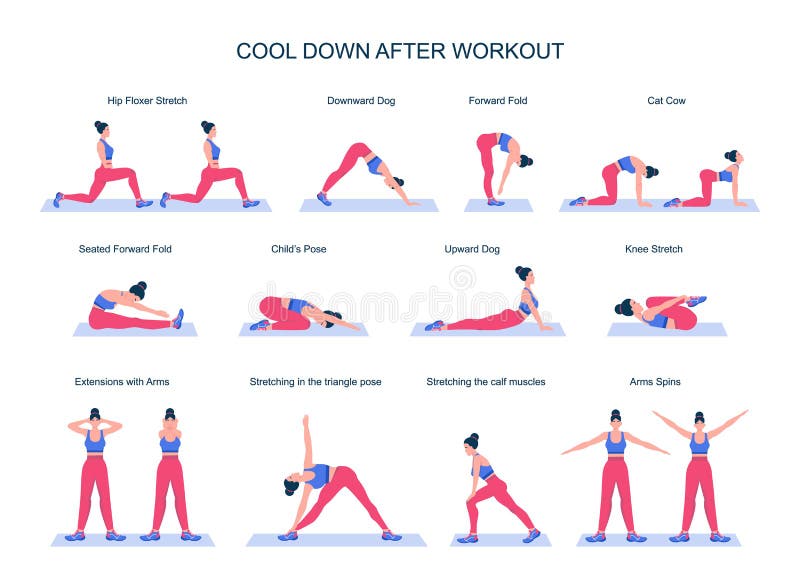
Effective stretching techniques help your body recover after sports training. Stretching reduces muscle tightness and improves blood flow. It also lowers the risk of injury and speeds up healing. Choosing the right stretches is key to cooling down properly.
Dynamic Vs. Static Stretching
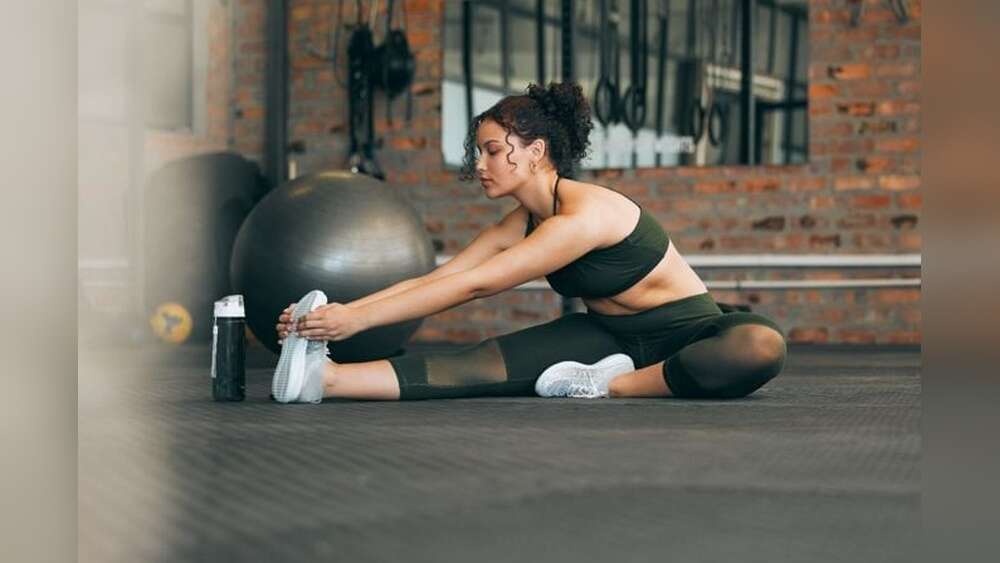
Dynamic stretching involves moving muscles through a full range of motion. It warms up your body and keeps muscles active. Static stretching means holding a stretch without movement. It helps muscles relax and lengthen after exercise. Use dynamic stretches before training and static stretches after.
Targeting Major Muscle Groups
Focus on muscles used during your sports session. Stretch your legs, arms, back, and shoulders well. For example, hamstring stretches help runners, while shoulder stretches suit swimmers. Targeting these groups helps reduce soreness and stiffness. Spend about 15 to 30 seconds on each stretch.
Breathing During Stretches
Breathing deeply improves stretch effectiveness. Inhale slowly before you start the stretch. Exhale gently as you hold or deepen the stretch. Keep breathing steady and relaxed. This technique helps muscles release tension and increases oxygen flow.
Hydration Strategies
Hydration is key to cooling down after sports training. Drinking water helps your body recover. It also stops dehydration, which can cause tiredness and cramps. Proper hydration supports muscle repair and keeps your energy up.
Replenishing Fluids
After training, your body loses a lot of water through sweat. Drink water slowly and steadily to replace these fluids. Small sips are better than chugging. This helps your body absorb the water well.
Electrolyte Balance
Sweat contains important salts like sodium and potassium. These are electrolytes that help muscles work. Drink drinks with electrolytes or eat salty snacks to restore balance. This prevents muscle cramps and dizziness.
Timing Your Intake
Start hydrating right after training stops. Continue drinking water or electrolyte drinks for the next hour. This helps your body cool down and recover faster. Avoid waiting too long to drink fluids.
Using Cold Therapy
Using cold therapy after sports training helps your body recover faster. It lowers muscle soreness and reduces swelling. Cold therapy can calm inflammation and ease pain. Many athletes use it to feel better quickly after hard exercise.
Ice Baths Benefits
Ice baths involve sitting in cold water, usually below 15°C (59°F). This cools your body and slows down muscle activity. Ice baths reduce muscle soreness and help prevent injury. They improve blood flow after training, aiding recovery. Many athletes report feeling refreshed and less stiff.
Cold Compress Application
Cold compresses are easy to use and target specific areas. Apply a cold pack wrapped in cloth to sore muscles or joints. Keep it on for 15 to 20 minutes at a time. This helps reduce swelling and numbs pain. Cold compresses are handy for quick relief after workouts.
Precautions To Take
Do not apply cold therapy directly on bare skin. Always wrap ice or cold packs in a cloth to avoid frostbite. Limit cold treatments to 20 minutes per session. Avoid cold therapy if you have circulation problems or skin issues. Stop using cold therapy if you feel numbness or pain.
Active Recovery Options
Active recovery options help your body cool down safely after sports training. They reduce muscle stiffness and improve blood flow. These methods also speed up recovery and lower injury risk. Try these easy techniques to feel better faster.
Light Cardio Activities
Light cardio exercises keep your heart rate slightly raised. Walking or slow cycling are good choices. They flush out waste products from your muscles. This reduces soreness and helps your body heal.
Foam Rolling Techniques
Foam rolling relaxes tight muscles and breaks up knots. Use a foam roller on sore spots gently. Roll slowly over muscles for about 30 seconds each. It improves flexibility and reduces muscle tension.
Massage Benefits
Massage increases blood flow and eases muscle pain. It helps remove lactic acid built up during exercise. A gentle massage after training supports faster muscle repair. It also promotes relaxation and reduces stress.
Nutrition After Training
Eating the right foods after sports training helps your body recover well. It refuels your energy and repairs muscles. Proper nutrition supports your performance in the next session. Focus on what to eat and when to eat for best results.
Protein For Muscle Repair
Protein rebuilds muscles tired from training. It helps fix tiny muscle tears caused by exercise. Good protein sources include chicken, fish, eggs, and beans. Eating protein soon after training speeds up recovery.
Carbohydrates For Energy
Carbohydrates refill your body’s energy stores. They replace the fuel used during exercise. Simple carbs like fruit or bread work fast. Complex carbs like rice or oats provide lasting energy. Both types help your body stay strong.
Timing Your Meals
Eat your recovery meal within 30 to 60 minutes post-training. Your body absorbs nutrients best during this time. A meal with protein and carbs works well. Drinking water with your meal aids hydration too. This timing helps your muscles recover faster.
Mental Relaxation Methods
Mental relaxation after sports training helps your mind recover. It lowers stress and clears your thoughts. This relaxation supports physical recovery too. Calm mind, calm body.
Breathing Exercises
Breathing exercises calm your nervous system quickly. Try deep breaths in through your nose. Hold for a moment. Slowly breathe out through your mouth. Repeat this several times. It reduces tension and brings focus. Breathing deeply sends more oxygen to your brain.
Mindfulness Practices
Mindfulness means paying attention to the present moment. Notice your breath or body sensations without judgment. Sit quietly and focus on what you feel. Let go of distracting thoughts. This practice reduces anxiety and boosts calmness. A few minutes daily can improve your mood.
Visualization Techniques
Visualization uses your imagination to create peaceful scenes. Picture a quiet beach or a calm forest. Imagine sounds, smells, and feelings there. Visualizing positive images helps your mind relax. It lowers stress hormones and improves recovery. Your brain reacts as if the scene is real.
Credit: www.dreamstime.com

Credit: www.shutterstock.com
Frequently Asked Questions
What Are The Best Cool Down Exercises After Sports Training?
Best cool down exercises include light jogging, walking, and stretching. These help lower heart rate gradually and reduce muscle stiffness. Focus on slow, controlled movements to relax your muscles and improve flexibility. Cooling down aids recovery and prevents injury after intense training sessions.
How Long Should A Cool Down Last After Training?
A proper cool down should last 5 to 10 minutes. This duration allows your heart rate and breathing to return to normal. It also helps flush out lactic acid buildup in muscles, reducing soreness. Consistent cool down routines improve overall recovery and performance.
Why Is Hydration Important After Sports Training?
Hydration replenishes fluids lost through sweat during training. Proper hydration aids muscle recovery and prevents cramps. Drinking water or electrolyte drinks after training helps maintain energy levels. Staying hydrated supports overall health and speeds up the cooling down process.
Can Cooling Down Prevent Muscle Soreness?
Yes, cooling down helps reduce delayed onset muscle soreness (DOMS). Gradual stretching and light activity improve blood flow and remove waste products. This speeds up muscle recovery and reduces stiffness. Skipping cool down can increase soreness and prolong recovery time.
Conclusion
Cooling down after sports helps your body relax and recover. It lowers your heart rate slowly and reduces muscle stiffness. Stretching gently keeps your muscles flexible and less likely to get hurt. Taking deep breaths calms your mind and eases tension.
Drink water to replace lost fluids and stay hydrated. Make cooling down a habit after every training session. Small steps can make a big difference in how you feel. Stay consistent and listen to your body’s needs. This simple routine supports better performance and faster recovery.

Brandon Knoxley is a sport & fitness writer and training guide contributor at MySportFitHub. He focuses on practical workouts, performance-based training, and honest fitness gear insights designed for real people and real results. Brandon is passionate about helping beginners and active individuals train smarter, avoid common mistakes, and build sustainable fitness habits.