How Much Walking On A Treadmill To Lose Weight: Daily Guide
Most adults can lose weight by walking 30–60 minutes on a treadmill, five days each week.
Knowing how much walking on a treadmill to lose weight can make your plan feel clear instead of confusing. The right amount depends on your speed, incline, body weight, diet, fitness level, and how often you walk. This guide explains the numbers, shows practical treadmill plans, and helps you build steady progress without pushing too hard.
How Much Walking on a Treadmill to Lose Weight?
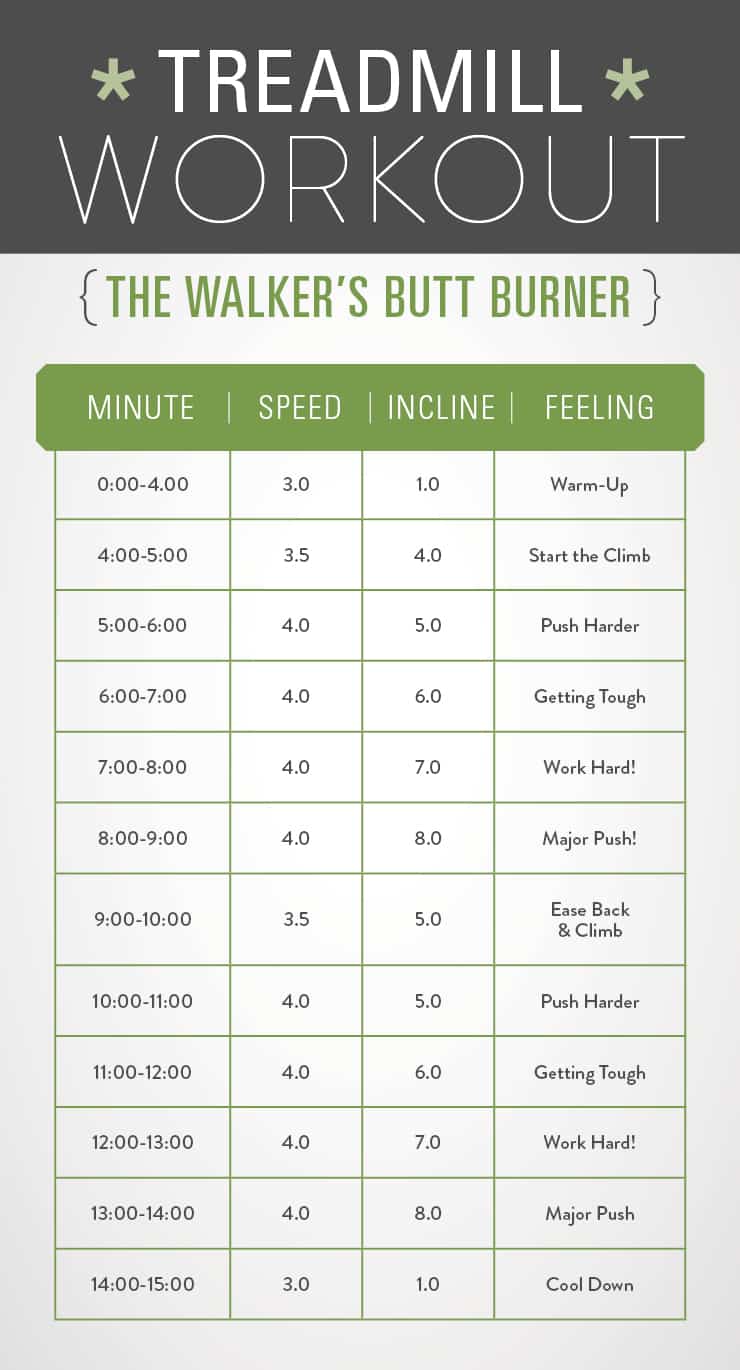
For many people, walking 30 to 60 minutes on a treadmill, five days per week, is a useful starting range for weight loss. This equals about 150 to 300 minutes of walking each week.
The answer is not the same for everyone. A 160-pound person may burn fewer calories than a 220-pound person during the same walk. Speed and incline also change the result.
A simple starting plan looks like this:
- Walk for 30 minutes at a comfortable, brisk pace.
- Do this five days per week.
- Aim for a speed of about 2.8 to 3.5 miles per hour.
- Add a small incline if your joints feel comfortable.
- Increase your time by 5 to 10 minutes after two or three weeks.
How much walking on a treadmill to lose weight also depends on your food intake. Walking burns calories, but weight loss occurs when your body uses more energy than you eat over time.
The Centers for Disease Control and Prevention recommends at least 150 minutes of moderate aerobic activity each week for general health. Some people may need closer to 200 to 300 minutes per week for meaningful weight loss, especially if they do not change their diet.
How Treadmill Walking Supports Weight Loss
Walking uses energy from your muscles. Your body burns more calories when you walk than when you sit, stand still, or watch television.
The calorie burn may seem small after one walk, but small efforts build up. For example, a 40-minute walk that burns about 200 calories can add up to around 1,000 calories per week when done five times.
Weight loss also depends on these factors:
- Your current body weight
- Your walking speed
- The treadmill incline
- The length of each workout
- Your food and drink choices
- Your sleep and stress levels
- Your daily movement outside the treadmill
A common mistake is to treat treadmill calories as exact. Treadmill displays can overestimate calorie burn because they may not know your body composition, fitness level, or whether you hold the rails.
Use the display as a rough guide, not as a reward system. Your weekly weight trend, waist measurement, energy, and fitness are better measures of progress.

How Many Calories Does Treadmill Walking Burn?
The number of calories burned while walking varies widely. A 30-minute walk may burn about 100 to 250 calories for many adults, depending on body weight, pace, and incline.
Here is a general example:
| Body weight | 30 minutes at 3 mph | 60 minutes at 3 mph |
|---|---|---|
| 140 pounds | About 120 to 140 calories | About 240 to 280 calories |
| 180 pounds | About 150 to 180 calories | About 300 to 360 calories |
| 220 pounds | About 180 to 220 calories | About 360 to 440 calories |
These numbers are estimates. Your actual result may be higher or lower.
Walking uphill increases the effort because your muscles must lift your body with each step. Even a 3% incline can make a flat walk feel much harder. However, a steep incline may place extra stress on your calves, knees, hips, or lower back.
If you are new to exercise, start with a flat treadmill. Once your body adapts, add short incline periods. This is often safer and more sustainable than beginning with a steep hill.

The Best Treadmill Speed for Weight Loss
A brisk walking pace is usually enough to support weight loss. For many adults, this means walking between 3 and 4 miles per hour.
Your pace should feel challenging but manageable. You should be able to speak in short sentences, but you should not feel able to sing comfortably. This is close to moderate-intensity exercise.
Use this guide:
- 2.0 to 2.5 mph: Easy walking for beginners or recovery days
- 2.8 to 3.5 mph: Brisk walking for many adults
- 3.6 to 4.2 mph: Fast walking for people with good fitness
- More than 4.2 mph: May become a light jog for some people
Do not chase speed if it harms your form. A steady 3 mph walk that you repeat each week is more useful than a fast workout that leaves you sore and discouraged.
Keep your shoulders relaxed. Look forward rather than down at your feet. Let your arms swing naturally, and avoid holding the side rails unless you need support for safety.
Is Incline Walking Better for Weight Loss?
Incline walking can increase calorie burn and strengthen your glutes, calves, and hamstrings. It may also raise your heart rate without requiring you to walk at a very fast speed.
Still, incline walking is not automatically better for everyone. It can increase pressure on the lower legs and knees, especially when used for long periods.
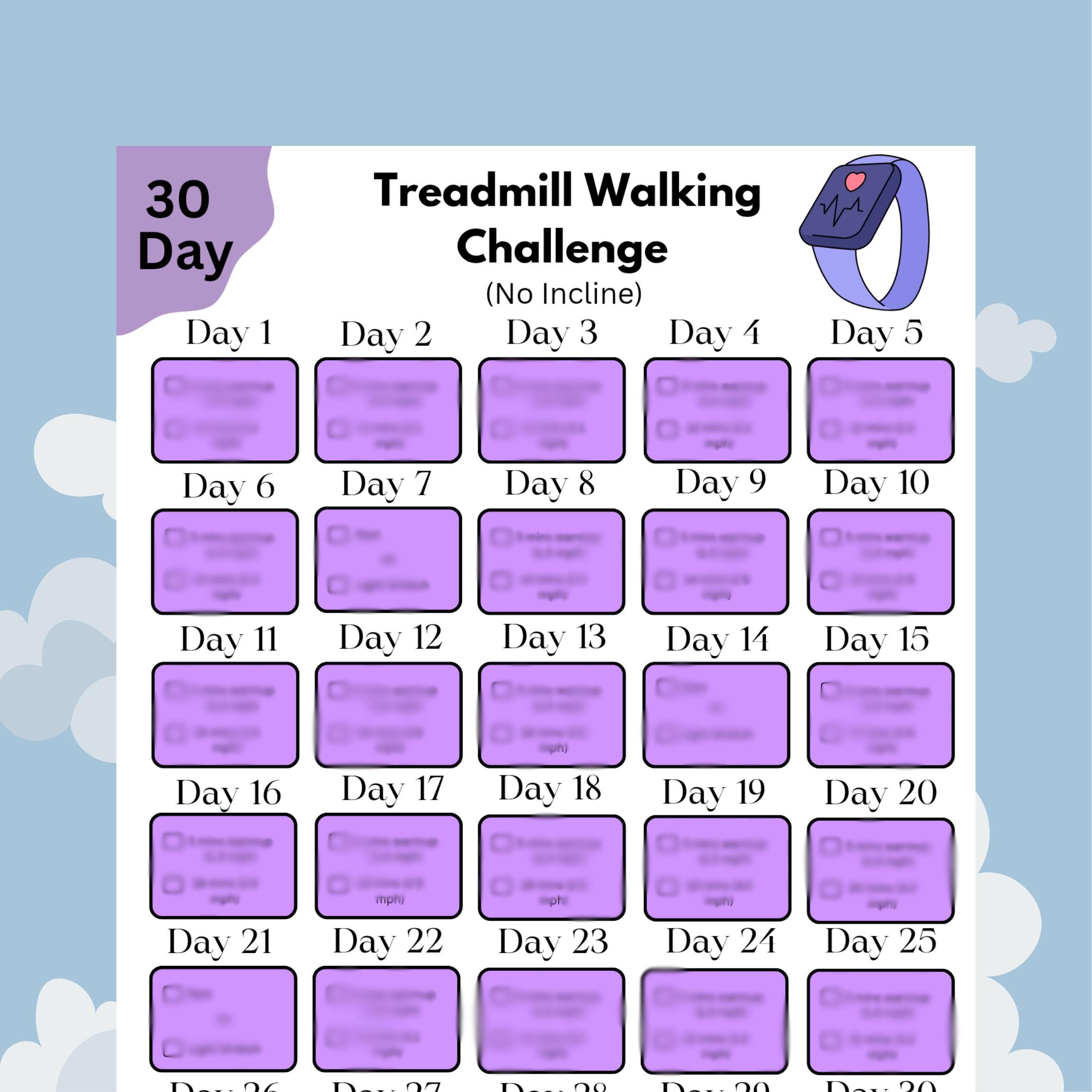
Try this beginner incline workout:
- Walk flat for 5 minutes to warm up.
- Walk at a 2% incline for 5 minutes.
- Walk at a 4% incline for 3 minutes.
- Return to a flat treadmill for 3 minutes.
- Repeat the incline and flat sections two or three times.
- Cool down at a slow pace for 5 minutes.
You can also use gentle intervals. Walk at a flat setting for two minutes, then use a 3% incline for one minute. Repeat this pattern for 20 to 30 minutes.
How much walking on a treadmill to lose weight may be lower when you use an incline because the workout becomes more demanding. A 30-minute incline session may feel similar to a longer flat walk.

A Treadmill Walking Plan for Beginners
A gradual plan helps your muscles, joints, and heart adjust. It also reduces the chance that you will quit because the workouts feel too difficult.
Weeks 1 and 2
- Walk for 20 to 25 minutes.
- Use a speed that feels easy to moderate.
- Keep the incline at 0% to 1%.
- Walk three or four days per week.
Weeks 3 and 4
- Walk for 25 to 35 minutes.
- Use a brisk pace for most of the workout.
- Add one-minute faster intervals if you feel ready.
- Walk four or five days per week.
Weeks 5 and 6
- Walk for 35 to 45 minutes.
- Add a 1% to 3% incline during short sections.
- Walk five days per week.
- Keep at least one full rest day.
After six weeks
- Build toward 45 to 60 minutes per session.
- Add one longer walk each week.
- Use incline or speed changes two or three times per week.
- Add strength training on two days if possible.
This plan answers how much walking on a treadmill to lose weight for many beginners, but it should still be adjusted to your fitness level. If you have pain, dizziness, chest pressure, or unusual shortness of breath, stop and seek medical advice.
Treadmill Walking Plans for Different Goals
Your goal affects how much time you may need. Someone who wants better health may need less walking than someone aiming to lose 30 pounds.
For slow, steady weight loss
Walk for 30 minutes, five days per week. Use a brisk pace and focus on consistency.
For faster weight loss
Walk for 45 to 60 minutes, five or six days per week. Combine this with a moderate calorie reduction and two strength workouts each week.
For people with limited time
Use three 10-minute walks during the day. Short walks can still add up to 30 minutes.
For people with joint pain
Try shorter sessions at a slower speed. Keep the incline low, wear supportive shoes, and consider speaking with a physical therapist.
For people who are already fit
Use longer walks, faster intervals, or a moderate incline. Avoid increasing speed, incline, and time all at once.
The safest plan is the one you can repeat. Weight loss is more like filling a jar with coins than winning a single contest. Each walk adds something.

How Diet Changes the Answer
Walking helps create a calorie deficit, but food often has a larger effect on total weight loss. It is easy to eat back the calories burned during a workout without noticing.
For example, a sweet coffee drink, large smoothie, or restaurant dessert may contain as many calories as a long treadmill walk. This does not mean you must avoid these foods. It means you should understand how quickly calories can add up.
Build meals around filling foods:
- Lean protein such as eggs, chicken, fish, tofu, or Greek yogurt
- High-fiber foods such as beans, oats, fruit, and vegetables
- Healthy fats such as nuts, seeds, avocado, and olive oil
- Water or low-calorie drinks
- Portions that match your hunger and goals
A moderate calorie deficit is usually easier to maintain than a very strict diet. Many experts use a deficit of about 500 to 750 calories per day as a broad starting range, but individual needs vary.
Do not rely on treadmill exercise to “earn” food. That mindset can create an unhealthy cycle. Instead, view walking as a way to improve fitness, mood, sleep, and daily calorie use.

How Often Should You Walk on a Treadmill?
Most people can walk on a treadmill three to six days per week. The best schedule depends on your recovery and experience.
A simple weekly routine could look like this:
- Monday: 30-minute brisk walk
- Tuesday: 20-minute walk with gentle incline intervals
- Wednesday: Rest or light outdoor walking
- Thursday: 35-minute brisk walk
- Friday: Strength training and a short easy walk
- Saturday: 45-minute relaxed walk
- Sunday: Rest
You do not need to walk hard every day. Easy walks can support recovery and help you stay active without exhausting your body.
If you are new to exercise, begin with three days per week. Add time before adding more days. This approach gives your feet, ankles, knees, and hips time to adapt.
How to Track Your Progress
The scale is useful, but it does not tell the whole story. Body weight can change because of water, sodium, hormones, digestion, and muscle repair.
Track several signs of progress:
- Weigh yourself under similar conditions two or three times per week.
- Look at the weekly average rather than one reading.
- Measure your waist once every two to four weeks.
- Record your treadmill speed, time, and incline.
- Notice changes in energy and stamina.
- Pay attention to how your clothes fit.
If your weight does not change after four to six consistent weeks, review your food portions and activity. You may need to walk a little longer, reduce high-calorie extras, or add strength training.
Do not make large changes after one week. Patience matters because fat loss is rarely a straight line.
Common Treadmill Walking Mistakes
Many people work hard but see slow results because of simple mistakes.
Holding the handrails
Holding the rails can reduce the effort of the walk and change your posture. Use them for balance when needed, but try to walk without support once you feel safe.
Walking too fast too soon
A very fast pace can lead to pain and missed workouts. Build your speed slowly.
Trusting the calorie display
Treat the number as an estimate. Avoid eating extra calories simply because the treadmill shows a high number.
Skipping strength training
Strength training helps preserve muscle during weight loss. It can also improve balance, posture, and daily function.
Ignoring recovery
Rest is not laziness. Your body needs sleep and recovery to adapt to exercise.
Expecting rapid results
Safe weight loss often occurs at about 1 to 2 pounds per week, but results differ. A slower rate can still represent excellent progress.
How to Make Treadmill Walking More Effective
Once walking feels comfortable, small changes can increase the challenge.
Try one change at a time:
- Add five minutes to your session.
- Increase speed by 0.1 to 0.2 mph.
- Add a 1% incline for short periods.
- Use one-minute faster intervals.
- Walk after meals.
- Listen to a podcast or audiobook.
- Watch a favorite show only while walking.
- Use a step goal outside the treadmill.
Walking after meals may help you stay active and support blood sugar control. It also makes exercise feel like part of your day instead of a separate chore.
One practical lesson many walkers learn is that comfort improves consistency. Good shoes, a cool room, a towel, and a playlist can make the difference between finishing a session and skipping it.
When Will You See Weight Loss?
Some people notice changes within a few weeks, while others need longer. Your starting weight, food intake, sleep, hormones, medications, and activity level all matter.
You may feel fitter before the scale changes. Your heart rate may recover faster after exercise. Stairs may feel easier. Your waist may shrink even when your weight stays the same.
How much walking on a treadmill to lose weight is not only about the number of minutes. It is also about how long you can keep the routine. A plan that produces small results for six months is often better than an extreme plan that lasts two weeks.
If you have been consistent for several months and cannot lose weight, talk with a health care professional. Certain medications and medical conditions can affect body weight and appetite.
Safety Tips for Treadmill Walking
Treadmill walking is safe for most adults, but basic precautions matter.
- Warm up for five minutes.
- Wear supportive walking shoes.
- Keep the emergency safety clip attached.
- Do not step onto a moving belt.
- Increase speed and incline gradually.
- Drink water during longer workouts.
- Stop if you feel chest pain, faintness, or severe shortness of breath.
- Speak with a clinician before starting if you have heart disease, uncontrolled blood pressure, severe joint pain, or another major health concern.
Pregnant people, older adults, and those returning from injury may need a personalized plan. Medical guidance can help you choose a safe speed, incline, and weekly target.
How Much Walking on a Treadmill to Lose Weight: A Practical Formula
You can use this simple process to find your starting point:
- Begin with 30 minutes of brisk walking.
- Repeat the workout five days per week.
- Track your average body weight for four weeks.
- If your weight is slowly decreasing, keep the plan.
- If your weight is stable, add 5 to 10 minutes to three weekly walks.
- If you feel exhausted or sore, reduce the time and improve recovery.
- Add strength training twice per week when ready.
A useful target is to increase your total weekly walking time by no more than about 10% at a time. This is not a strict rule, but it can help reduce overuse problems.
The best answer to how much walking on a treadmill to lose weight is personal. Start with a manageable amount, measure your results, and adjust with care.
Frequently Asked Questions About How Much Walking on a Treadmill to Lose Weight
Is 30 minutes of treadmill walking enough to lose weight?
Thirty minutes can support weight loss when you do it consistently and maintain a calorie deficit. It may work even better when paired with sensible portions and strength training.
Can I lose weight by walking on a treadmill every day?
Yes, daily walking can help, especially when most sessions are easy or moderate. Include recovery when your muscles or joints feel tired, and avoid making every workout intense.
What treadmill speed is best for weight loss?
A brisk pace of about 3 to 4 miles per hour works well for many adults. The best speed is one that raises your heart rate while allowing you to keep good form.
Does walking on an incline burn more calories?
Yes, incline walking usually requires more effort and may burn more calories than walking on a flat surface. Start with a small incline because steep settings can stress your knees and calves.
How long does it take to lose 10 pounds by walking?
The time varies based on your calorie intake, walking routine, body weight, and metabolism. A gradual loss of about 1 to 2 pounds per week would take roughly five to ten weeks, but slower progress is also normal.
Should I walk before or after eating?
Both can work. A short walk after a meal may help you stay active and support blood sugar control, while a longer walk before a meal may feel more comfortable for some people.
Is treadmill walking better than outdoor walking for weight loss?
Neither is always better. A treadmill offers a controlled surface, steady pace, and weather-free setting, while outdoor walking may feel more enjoyable and varied. The better choice is the one you can do consistently.
Conclusion
For many adults, walking 30 to 60 minutes on a treadmill, five days per week, is a strong path toward weight loss. Begin with a comfortable pace, add time slowly, and use incline or speed intervals only when your body is ready.
Remember that treadmill walking works best with balanced meals, enough sleep, strength training, and realistic expectations. Start with your next 20- to 30-minute walk, track your progress for four weeks, and adjust with patience. Explore more evidence-based fitness guides and share your walking plan or questions in the comments.

Brandon Knoxley is a sport & fitness writer and training guide contributor at MySportFitHub. He focuses on practical workouts, performance-based training, and honest fitness gear insights designed for real people and real results. Brandon is passionate about helping beginners and active individuals train smarter, avoid common mistakes, and build sustainable fitness habits.