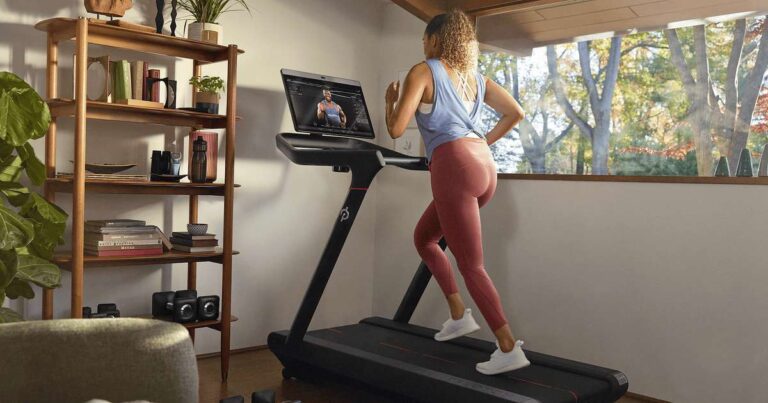
How To Do Sprints On A Treadmill: Safe Speed Guide
Use short, fast intervals, safe speeds, full recovery, and a careful warm-up to sprint well on a treadmill.
Learning how to do sprints on a treadmill can improve speed, power, fitness, and running confidence without needing a track. The key is not simply pressing the speed button. You need a smart plan that controls pace, recovery, incline, form, and safety. This guide explains how to do sprints on a treadmill with clear steps, beginner options, common mistakes, and proven training tips.

What Are Treadmill Sprints?
Treadmill sprints are short bursts of fast running followed by rest or easy walking. Most sprint intervals last between 10 and 30 seconds, though longer efforts can work for more advanced runners.
The goal is to run fast while keeping good form. A sprint should feel hard, but it should not force you to hold the rails, stumble, or lose control.
Treadmill sprints can focus on different fitness goals:
• Speed: Run very fast for short periods.
• Power: Use a slight incline to make your legs work harder.
• Cardio fitness: Repeat hard efforts with short recovery periods.
• Running economy: Practice smooth, efficient movement at a faster pace.
A treadmill offers one major advantage: it lets you control speed and incline with precision. It also removes hills, traffic, poor weather, and uneven ground from the workout.
Still, treadmill running feels different from outdoor sprinting. The belt moves under you, so your body does not push against the ground in quite the same way. For this reason, treadmill sprints should build gradually.
Benefits of Doing Sprints on a Treadmill
When performed well, treadmill sprint workouts can provide several benefits. They are time efficient, easy to measure, and simple to repeat from week to week.
Improved cardiovascular fitness
Short, hard intervals make your heart and lungs work intensely. Over time, this may improve your ability to use oxygen and recover after hard efforts.
Research on high intensity interval training shows that short work periods can improve aerobic fitness when they are used consistently. You do not need to sprint every day. One or two sessions each week can be enough for most people.
Greater leg power
Fast running recruits more muscle fibers than easy jogging. Your glutes, hamstrings, calves, and core must work together to move your body quickly.
An incline can increase the demand on your posterior chain. However, a steep incline changes the movement pattern. It becomes more like hill running than flat sprinting.
Better speed control
A treadmill helps you learn how different paces feel. You can track speed, time, distance, heart rate, and incline during every session.
This clear feedback can make progress easier to see. For example, you may later hold the same speed with less effort or complete more intervals without losing form.
Efficient workouts
A full treadmill sprint workout may take only 20 to 30 minutes. That includes a warm-up, short intervals, and a cool-down.
This makes sprint training useful for people with busy schedules. A short workout can still be demanding, so quality matters more than adding endless intervals.
A controlled training space
Indoor training can be helpful when outdoor conditions are unsafe. A treadmill gives you a stable surface and a clear workout setting.
It is not risk free, though. The moving belt can cause serious falls if you jump on, step off, or change speed without control.

How to Do Sprints on a Treadmill Safely
The safest way to learn how to do sprints on a treadmill is to start below your maximum speed. You should feel in control before you add more speed.
Follow these steps:
- Check the treadmill
Make sure the belt is dry, centered, and moving smoothly. Test the emergency stop clip before you begin. Attach it to your clothing so the treadmill can stop if you fall.
- Wear suitable shoes
Use running shoes that fit well and have enough grip. Avoid loose shoes, worn soles, or footwear made for lifting.
- Start with a slow walk
Walk for three to five minutes. Let your breathing rise slowly and check how your legs feel.
- Add easy jogging
Jog for another three to five minutes. Keep your shoulders relaxed and use short, light steps.
- Perform dynamic drills
Try simple movements such as:
• Leg swings
• Walking lunges
• High knee walks
• Butt kicks
• Easy skips
Do not stretch cold muscles aggressively. Save long static stretches for after training.
- Build to your sprint speed
Increase the speed while holding a light jog. Find a pace that feels fast but controlled. Only then begin your first sprint.
- Recover fully
After each sprint, slow to a walk or easy jog. Wait until your breathing settles before starting the next effort.
When learning how to do sprints on a treadmill, avoid jumping onto the side rails while the belt moves. Step onto the rails only after the belt has slowed or stopped. This simple habit can prevent many treadmill accidents.

How to Do Sprints on a Treadmill: Step-by-Step Workout
This basic workout works well for healthy beginners who already walk or jog regularly. It is not a test of maximum speed.
Beginner treadmill sprint workout
• Warm up: 8 to 10 minutes of walking and easy jogging
• Sprint: 10 seconds at a fast, controlled pace
• Recovery: 60 to 90 seconds of easy walking
• Repetitions: 4 to 6
• Cool down: 5 to 10 minutes of easy walking
Your sprint should feel about 7 or 8 out of 10, not 10 out of 10. Finish the workout feeling that you could have done one more quality repetition.
Intermediate treadmill sprint workout
• Warm up: 10 minutes
• Sprint: 15 to 20 seconds
• Recovery: 75 to 120 seconds
• Repetitions: 6 to 8
• Incline: 0 to 2 percent
• Cool down: 8 minutes
Use the same speed for each repetition if possible. If your form breaks down, reduce the speed or end the workout.
Advanced treadmill sprint workout
• Warm up: 12 to 15 minutes
• Sprint: 20 to 30 seconds
• Recovery: 90 to 150 seconds
• Repetitions: 6 to 10
• Incline: 0 to 3 percent
• Cool down: 10 minutes
Advanced does not mean reckless. A true maximum sprint needs more space, more skill, and more caution than most treadmill users expect. For many runners, a fast but controlled interval is a better choice.

How Fast Should You Sprint on a Treadmill?
There is no single best treadmill sprint speed. Your ideal speed depends on your running history, age, fitness, body size, and experience.
A useful starting point is a pace that feels fast but smooth. You should be able to:
• Keep your eyes forward
• Swing your arms naturally
• Land under your body
• Keep your chest tall
• Avoid holding the front bar
• Stop or slow down without panic
New runners may use a fast jog instead of a full sprint. For example, someone who normally runs at 5 miles per hour may begin intervals at 6 to 7 miles per hour.
Experienced runners may use speeds above 10 miles per hour. That does not make the workout automatically better. The correct speed is the fastest pace you can repeat with safe control.
When learning how to do sprints on a treadmill, increase only one factor at a time. You can add speed, more repetitions, longer work periods, or less recovery. Do not increase all four at once.

Choosing the Right Treadmill Incline
Incline changes the demands of a sprint. A small incline may help reduce the feeling of being pulled backward by the belt. It can also increase the work done by your glutes and calves.
Try these general guidelines:
• 0 percent incline: Best for learning speed and practicing a flat running style
• 1 percent incline: A common setting for a natural-feeling treadmill run
• 2 to 5 percent incline: Useful for powerful hill intervals
• Above 5 percent incline: Better for steep hill work than true sprint practice
A steep incline lowers your top speed. It also places more stress on your calves and Achilles tendons. If you are new to treadmill sprints, stay near 0 to 1 percent until your body adapts.
Incline sprints are not automatically safer. They may reduce speed, but they can still create high force through the lower legs. Increase the incline slowly and monitor soreness for the next 24 to 48 hours.

Proper Form for Treadmill Sprints
Good form helps you run quickly without wasting energy. Think of your body as a tall spring. Your foot lands under you, your leg pushes back, and your arms guide the rhythm.
Focus on these points:
• Look forward instead of staring at the display.
• Keep your head still and your jaw relaxed.
• Lean slightly from the ankles, not from the waist.
• Drive your arms forward and back.
• Keep your elbows bent near 90 degrees.
• Take quick, light steps.
• Land softly under your center of mass.
• Keep your hands away from the rails.
Do not reach far forward with your foot. Overstriding can act like a brake and increase stress on your knees and hips.
One mistake I often see in sprint sessions is a runner trying to look fast instead of feeling fast. Their shoulders rise, their arms cross the body, and their steps become loud. The better approach is to relax first, then let speed come from stronger rhythm and force.

Recovery Between Treadmill Sprints
Recovery is part of the workout, not wasted time. It allows your breathing, muscles, and nervous system to reset before the next hard effort.
Use a longer recovery when:
• You are new to sprint training.
• Your sprint lasts more than 20 seconds.
• You use a steep incline.
• Your form feels tired.
• You cannot repeat the same pace.
Use a shorter recovery when:
• Your intervals are moderate rather than maximal.
• Your goal is conditioning.
• You can keep strong form.
• Your breathing recovers quickly.
A simple rule is to begin the next sprint when you can speak a short sentence and feel steady on the belt. This is not a perfect scientific measure, but it works well in real training.
Do not chase exhaustion. A sprint workout should train speed and power, not leave you unable to walk normally for several days.
Common Treadmill Sprint Mistakes
Knowing how to do sprints on a treadmill also means knowing what to avoid. Many problems come from starting too fast or trying to copy an advanced runner.
Skipping the warm-up
Cold muscles and stiff joints do not handle sudden speed well. Spend at least 8 to 10 minutes preparing your body.
Using the rails
Holding the rails changes your posture and reduces the work your legs must do. It can also make the treadmill speed feel easier than it really is.
Jumping onto the side rails
This is one of the most dangerous treadmill habits. The belt may still be moving quickly, and one missed step can cause a fall.
Starting at maximum speed
A first interval that feels exciting can quickly turn into poor form. Start with a controlled pace and build over several sessions.
Making every sprint too long
Long intervals become hard runs rather than true sprints. Keep the work period short enough to maintain speed and control.
Ignoring pain
Muscle effort and heavy breathing are normal. Sharp pain, joint pain, sudden pulling, chest pain, dizziness, or unusual shortness of breath are warning signs. Stop and seek medical guidance when needed.
Sprinting too often
Your muscles, tendons, and nervous system need recovery. Leave at least 48 hours between hard sprint workouts when you are starting.
A Four-Week Treadmill Sprint Plan
This plan shows how to progress without rushing. Complete one sprint workout each week at first. Add a second session only if you recover well and have a strong running base.
Week 1
• Warm up for 10 minutes
• Sprint for 10 seconds
• Walk for 90 seconds
• Complete 4 repetitions
Week 2
• Warm up for 10 minutes
• Sprint for 12 seconds
• Walk for 90 seconds
• Complete 5 repetitions
Week 3
• Warm up for 10 minutes
• Sprint for 15 seconds
• Walk for 90 seconds
• Complete 6 repetitions
Week 4
• Warm up for 10 minutes
• Sprint for 15 to 20 seconds
• Walk or jog for 90 to 120 seconds
• Complete 6 to 8 repetitions
Keep the same speed if you can. If the final repetition is much slower than the first, reduce the speed or add recovery.
This gradual approach reflects a basic training principle: your body adapts when stress is followed by enough rest. More is not always better. Better control is better.
Treadmill Sprints for Different Goals
The best version of how to do sprints on a treadmill depends on your reason for training.
For weight management
Sprint intervals can burn energy and support fitness, but they are not a magic solution. Your overall food intake, daily movement, sleep, and training routine matter more than one hard workout.
Use short intervals and avoid turning every session into a punishment. A balanced plan is easier to repeat.
For sports performance
Athletes may use short sprints with longer recovery to develop speed and power. Sport-specific drills should still be included because treadmill running cannot fully copy cutting, jumping, or outdoor acceleration.
For general fitness
Use moderate intervals that you can perform with clean form. Six 15-second efforts may be more useful than two uncontrolled maximum sprints.
For beginners
Begin with fast walking or easy jogging intervals. You do not need to sprint on your first day. Building confidence is part of training.
For older adults
Talk with a health professional before starting intense intervals, especially if you have heart disease, high blood pressure, joint problems, or a long period of inactivity. Fast walking intervals may provide a safer starting point.
How to Track Progress
Track more than treadmill speed. A higher number is only useful if you can control it.
Record these details after each workout:
• Sprint speed
• Sprint duration
• Number of repetitions
• Incline
• Recovery time
• Perceived effort
• Any pain or unusual soreness
You may notice progress in several ways. You might run faster, recover sooner, keep better posture, or finish with less fatigue.
Heart rate can help, but it is not perfect for very short sprints. A wrist monitor may respond slowly to a 10-second effort. Use it as one piece of information, not the only measure.
A simple effort scale works well:
• 1 to 3: Easy
• 4 to 6: Moderate
• 7 to 8: Hard but controlled
• 9: Very hard
• 10: Maximum effort
Most treadmill sprint workouts should stay around 7 to 9. Save true maximum efforts for carefully planned training with proper supervision.
Who Should Avoid Treadmill Sprints?
Sprints are demanding. Speak with a qualified medical professional before starting if you have a health condition or risk factor that may make intense exercise unsafe.
Use extra caution if you have:
• Chest pain during exercise
• Uncontrolled high blood pressure
• A recent injury or surgery
• Severe joint pain
• A heart or lung condition
• Frequent dizziness
• Little recent exercise experience
Stop immediately if you feel chest pressure, faintness, severe breathlessness, or sudden pain. These symptoms should not be ignored.
Treadmill sprinting also has limits. It does not replace strength training, easy aerobic work, mobility training, or outdoor running skills. A complete program uses several forms of movement.
Frequently Asked Questions About How to Do Sprints on a Treadmill
How long should a treadmill sprint last?
Most treadmill sprints last 10 to 30 seconds. Beginners should start near 10 seconds and focus on smooth, controlled running rather than maximum speed.
How many treadmill sprints should a beginner do?
A beginner can start with 4 to 6 repetitions. Rest for 60 to 90 seconds between efforts and stop if form becomes unstable.
What speed should I use for treadmill sprints?
Use the fastest speed you can control without holding the rails or losing form. This speed differs for every runner, so begin below your maximum and increase slowly.
Is a 1 percent incline best for treadmill sprints?
A 1 percent incline can feel natural for many runners, but it is not required. Use 0 percent when learning speed and a small incline when you want a hill focused workout.
Can I do treadmill sprints every day?
Most people should not do hard treadmill sprints every day. Allow at least 48 hours between intense sprint sessions so your muscles and connective tissues can recover.
Are treadmill sprints good for losing weight?
Treadmill sprints can support weight loss by increasing activity and fitness. They work best with a balanced diet, regular strength training, easy cardio, and enough sleep.
Should I hold the treadmill rails during a sprint?
No. Holding the rails changes your running form and may increase your risk of falling. Lower the speed if you cannot run safely without support.
Conclusion
Learning how to do sprints on a treadmill starts with control, not speed. Warm up well, choose a manageable pace, keep your form relaxed, recover fully, and increase your workload slowly.
Start with four short intervals once a week. As your body adapts, add time or repetitions, but avoid changing everything at once. Stop when pain or poor form appears.
Use these steps in your next workout, track your results, and adjust the plan to fit your fitness level. For more practical training guidance, explore related running resources or share your treadmill sprint experience in the comments.

Brandon Knoxley is a sport & fitness writer and training guide contributor at MySportFitHub. He focuses on practical workouts, performance-based training, and honest fitness gear insights designed for real people and real results. Brandon is passionate about helping beginners and active individuals train smarter, avoid common mistakes, and build sustainable fitness habits.