How to Train Endurance Without Long Running: Effective Strategies
Are you struggling to build endurance but don’t have hours to spend on long runs? You’re not alone.
Many people want to boost their stamina but find long-distance running boring, time-consuming, or hard on their bodies. The good news? You can train your endurance effectively without clocking endless miles. Imagine getting stronger, fitter, and more energized with workouts that fit your schedule and keep you motivated.
You’ll discover simple, science-backed methods to boost your endurance—no marathon required. Ready to change the way you train and see real results? Keep reading.

Credit: www.runnersworld.com
Benefits Of Endurance Training
Endurance training improves how your body and mind perform over time. It helps you stay active longer without feeling tired. You do not need to run long distances to gain these benefits. Many other exercises can build endurance effectively. This section explains why endurance training is good for your body and mind.
Physical Advantages
Endurance training boosts your heart health. It helps your heart pump blood more efficiently. Your muscles get better at using oxygen. This improves your energy levels and stamina. You can do daily tasks with less effort. It also helps burn fat and maintain a healthy weight. Stronger muscles and bones reduce the risk of chronic diseases. Your body recovers faster after physical activity.
Mental Strength Gains
Endurance training improves your focus and mood. Exercise releases chemicals that reduce stress and anxiety. You feel more relaxed and calm. Regular training helps you build discipline and patience. It teaches you to keep going despite challenges. Your brain becomes sharper and memory improves. This mental toughness helps in work and life.
Injury Prevention
Endurance training strengthens muscles and joints. Strong muscles support your bones better. This lowers the chance of strains and sprains. It improves balance and coordination. Better balance helps avoid falls and accidents. Training also increases flexibility, reducing muscle tightness. Consistent exercise keeps your body resilient and healthy.
Low-impact Cardio Alternatives
Endurance training does not always mean long runs. Low-impact cardio alternatives offer great ways to build stamina. These methods protect your joints and reduce injury risk. They also keep workouts interesting and varied. Here are some effective low-impact cardio options to train endurance.
Cycling Techniques
Cycling is gentle on knees and hips. It builds leg strength and heart health. Use steady, moderate pace rides for endurance. Try interval cycling by alternating fast and slow speeds. Focus on smooth pedal strokes and proper posture. Adjust seat height for comfort and power.
Swimming Workouts
Swimming works the whole body without stress on joints. It improves lung capacity and muscle endurance. Start with steady freestyle laps to build stamina. Add drills like kicking or pulling to target muscles. Use different strokes to keep workouts balanced. Swimming also helps recovery on rest days.
Rowing For Endurance
Rowing is a full-body, low-impact cardio exercise. It strengthens legs, core, and arms. Keep a steady rhythm to build endurance. Mix longer, slower sessions with short bursts of speed. Focus on technique: push with legs, lean back, then pull with arms. Rowing machines allow indoor training anytime.
High-intensity Interval Training
High-Intensity Interval Training (HIIT) is a smart way to build endurance without long runs. It mixes short, intense exercise bursts with brief rest periods. This method challenges your heart and muscles fast. You improve stamina and fitness in less time.
HIIT is flexible. You can do it with running, cycling, or bodyweight moves. It suits all fitness levels. The fast pace pushes your limits and helps your body use oxygen better. This leads to stronger endurance.
Short Bursts For Stamina
HIIT uses quick, powerful bursts of effort. Each burst lasts 20 to 60 seconds. After, take a rest or do light activity for the same or less time. This on-and-off pattern trains your body to recover fast. It builds stamina without long, steady exercise.
Short bursts push your heart rate high. This makes your cardiovascular system stronger. Over time, your body adapts and can work harder for longer. You also burn calories even after your workout ends.
Sample Hiit Sessions
Try a simple HIIT session with these steps:
- Sprint fast for 30 seconds.
- Walk or jog slowly for 30 seconds.
- Repeat 8 to 10 times.
Or use bodyweight moves like:
- Jump squats for 40 seconds.
- Rest for 20 seconds.
- Push-ups for 30 seconds.
- Rest for 30 seconds.
- Repeat 4 times.
These sessions last about 15 to 20 minutes. They improve endurance and save time.
Adapting Intensity Levels
Adjust HIIT intensity to match your fitness. Beginners start with fewer intervals and more rest. Use slower speeds or easier moves. Increase effort as stamina grows.
Advanced exercisers add more intervals or reduce rest. Increase speed or resistance to challenge muscles. Listen to your body. Avoid pushing too hard too fast.
Consistency matters. Regular HIIT workouts build endurance steadily. Mix HIIT with other exercises for balanced fitness.

Credit: therunexperience.com
Strength Training For Endurance
Strength training helps improve endurance without long runs. It builds muscles that last longer and resist fatigue. This training supports your heart and lungs too. Your overall stamina will increase by focusing on muscles.
Building Muscular Endurance
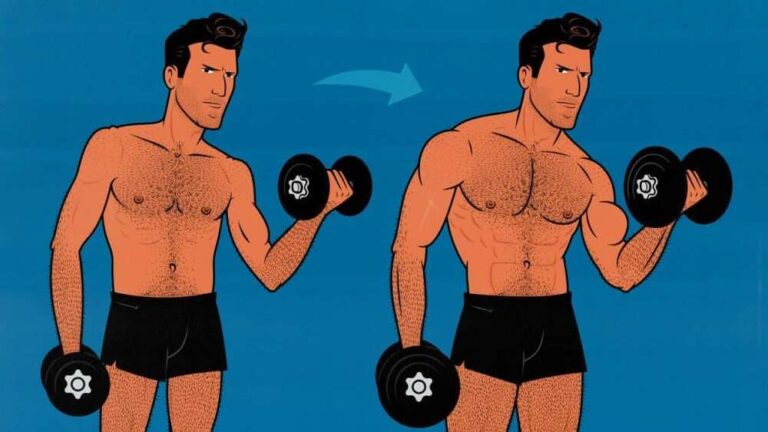
Muscular endurance means your muscles can work longer without tiring. Use light weights and many repetitions. Choose exercises that work large muscle groups. Keep your rest time short between sets. This style trains muscles to keep moving steadily.
Circuit Training Methods
Circuit training mixes strength exercises with little rest. Move quickly from one exercise to another. This method keeps your heart rate up. It improves both muscle strength and cardiovascular fitness. Try circuits with 5 to 8 exercises. Repeat the circuit 2 to 4 times.
Bodyweight Exercises
Bodyweight exercises use your own weight for resistance. Examples include push-ups, squats, and planks. They build strength and endurance together. You can do them anywhere without equipment. Add more repetitions or time to increase challenge.
Cross-training Benefits
Cross-training offers a smart way to build endurance without always running long distances. It involves mixing different exercises to boost stamina and overall health. This method keeps workouts fresh and helps avoid boredom. Cross-training trains your body in new ways. It supports muscles, joints, and heart health while lowering injury risks.
Combining Multiple Activities
Cross-training blends various workouts like cycling, swimming, and strength training. Each activity uses different muscles and energy systems. This variety improves endurance faster than running alone. It also builds balanced muscle strength. Switching activities prevents burnout and keeps motivation high. This approach allows you to train hard without the same repetitive stress.
Reducing Overuse Injuries
Running long can cause injuries from repeating the same motion. Cross-training spreads the stress across the body. Using different movements gives some muscles a break. This reduces the chance of strains and joint pain. It helps you stay active without long pauses from injury. Recovery becomes easier with varied workouts. Cross-training protects your body for the long haul.
Enhancing Overall Fitness
Cross-training improves strength, flexibility, and cardiovascular health all at once. It builds a stronger heart and lungs. Different workouts also increase muscle tone and balance. This well-rounded fitness supports better endurance. You become faster and more efficient in all activities. Cross-training creates a solid base for any sport or fitness goal.
Flexibility And Recovery
Flexibility and recovery are key parts of training endurance without long runs. They help your body stay strong and avoid injuries. Proper recovery lets muscles heal and grow. Flexibility keeps joints moving well and reduces stiffness. Both improve your overall performance.
Stretching Routines
Stretching helps keep muscles loose and flexible. Start with gentle stretches before and after workouts. Focus on legs, hips, and lower back. Hold each stretch for 20 to 30 seconds. Avoid bouncing or forcing the stretch. Regular stretching reduces muscle tightness and improves movement.
Active Recovery Days
Active recovery means doing light exercises on rest days. Try walking, swimming, or easy cycling. These activities increase blood flow and help muscles repair. Avoid intense workouts on these days. Active recovery reduces soreness and speeds up healing. It keeps your body moving without strain.
Sleep And Nutrition Tips
Good sleep supports muscle repair and energy levels. Aim for 7 to 9 hours each night. Create a calm, dark environment for better rest. Eat balanced meals with protein, carbs, and healthy fats. Drink plenty of water to stay hydrated. Proper nutrition fuels recovery and boosts endurance training results.
Tracking Progress Without Distance
Tracking progress without focusing on distance helps you see real endurance gains. Distance can be tricky and may not reflect all improvements. Other methods offer clearer signs of growth. These methods help keep motivation high and training efficient.
Using Heart Rate Zones
Heart rate zones show how hard your body works. Each zone matches a different effort level. Training in the right zone builds endurance safely. Use a heart rate monitor to check your pulse. Staying in moderate zones improves stamina. Push harder only in short bursts. This way, your heart and muscles grow stronger.
Monitoring Perceived Effort
Perceived effort means how hard you feel you are working. It helps track progress without gadgets. Rate your effort on a simple scale from 1 to 10. Notice changes over time. If the same exercise feels easier, your endurance grows. This method trains your body and mind to work better together.
Setting Performance Goals
Goals keep training focused and clear. Set goals based on time or reps, not distance. For example, aim to run for 20 minutes without stopping. Or do 30 minutes of cycling at a steady pace. Track how your performance improves each week. Goals give you small wins to celebrate.
.webp)
Credit: www.therunningweek.com
Frequently Asked Questions
What Are Effective Alternatives To Long-distance Running?
Cycling, swimming, and rowing build endurance without impact. High-intensity interval training (HIIT) boosts stamina efficiently. These activities strengthen cardiovascular fitness and muscular endurance safely and quickly.
How Can Hiit Improve Endurance Without Long Runs?
HIIT uses short bursts of intense exercise followed by rest. It increases aerobic capacity and stamina. This method enhances endurance faster than steady-state running, requiring less time and reducing injury risk.
Can Strength Training Help Build Endurance?
Yes, strength training improves muscle endurance and overall stamina. It supports running efficiency and injury prevention. Combining strength workouts with cardio enhances long-term endurance gains effectively.
Is Cross-training Beneficial For Endurance Development?
Cross-training mixes different exercises, reducing overuse injuries. It balances muscle use and improves overall fitness. This variety keeps training engaging and boosts endurance without extra running.
Conclusion
Building endurance does not always mean long runs. You can use cycling, swimming, or rowing instead. Short, intense workouts also boost stamina well. Strength training helps your muscles last longer. Rest and good food support your progress too. Try mixing different exercises to keep it fun.
Consistency matters more than time spent running. Keep your goals clear and stay patient. Endurance grows step by step, day by day.

Brandon Knoxley is a sport & fitness writer and training guide contributor at MySportFitHub. He focuses on practical workouts, performance-based training, and honest fitness gear insights designed for real people and real results. Brandon is passionate about helping beginners and active individuals train smarter, avoid common mistakes, and build sustainable fitness habits.