What To Look For When Buying Dumbbells: Best Buying Guide
When buying dumbbells, focus on weight, grip, material, shape, storage, durability, and your training goals.
Knowing what to look for when buying dumbbells can save you money, space, and sore wrists. The right pair should feel safe, fit your routine, and support steady progress. This guide combines strength training principles, product details, and practical buying tips to help you choose with confidence.
Start With Your Training Goals
The best dumbbells depend on how you plan to use them. A person building a home gym needs a different set from someone who wants light weights for walking workouts or physical therapy.
Before comparing brands, ask yourself:
• What exercises will I do?
• How strong am I now?
• Do I need one pair or a full weight range?
• How much space do I have?
• Will I lift indoors, outdoors, or both?
Your answers are central to what to look for when buying dumbbells. A 10-pound pair may suit shoulder raises, but it may feel too light for goblet squats. A 50-pound pair may support heavy rows, but it can be too much for curls or overhead presses.
Think of dumbbells as tools in a toolbox. A screwdriver cannot replace a hammer, and one dumbbell weight cannot meet every training need. Your goal is to match the tool to the job.
For general fitness, many adults benefit from having light, medium, and heavy options. Beginners may start with 5, 10, and 15 pounds. More experienced lifters may need pairs from 10 to 50 pounds or more, depending on the exercise.
Choose Between Fixed and Adjustable Dumbbells
The main dumbbell types are fixed dumbbells and adjustable dumbbells. Each option has clear strengths and limits.
Fixed dumbbells
Fixed dumbbells have a set weight. A 20-pound dumbbell always weighs 20 pounds.
They are simple to use and ready at all times. You do not need to add plates or change a dial between sets. This makes them useful for fast workouts, circuit training, group workouts, and commercial gyms.
Fixed dumbbells also tend to feel stable in the hand. Many have a compact shape and a balanced center of mass. However, buying many pairs can cost more and take up more room.
Adjustable dumbbells
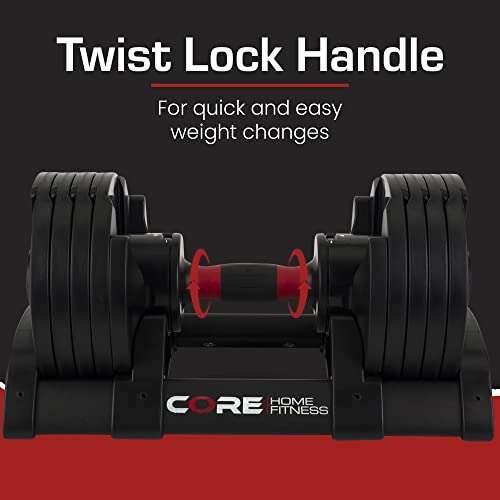
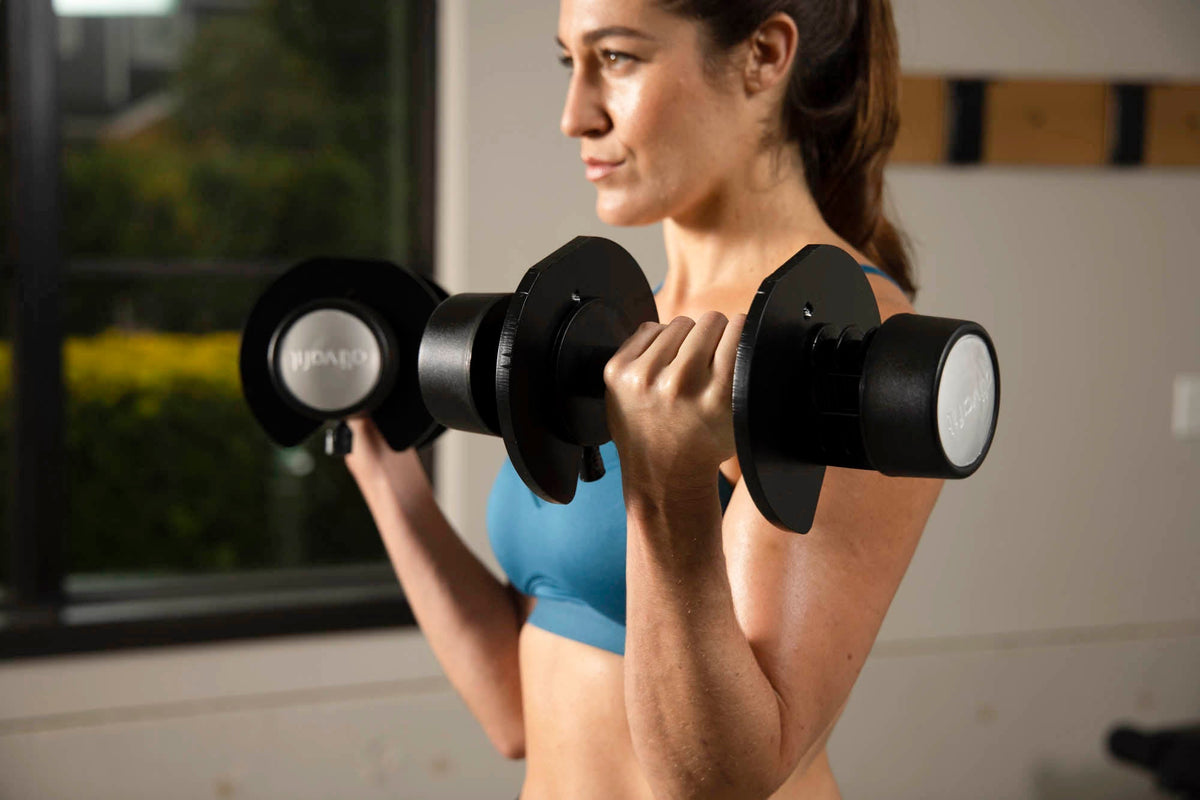
Adjustable dumbbells let you change the weight on one handle. Some use plates and collars. Others use a selector pin, dial, or locking system.
They are useful for small spaces. One set can replace several fixed pairs. This can reduce storage needs and lower the total cost of a home gym.
The tradeoff is that adjustable dumbbells can take longer to change. Some models also feel wider than fixed dumbbells. That extra length may affect exercises such as curls, presses, and renegade rows.
When deciding what to look for when buying dumbbells, consider your workout style. Fixed weights work well for speed and simplicity. Adjustable weights work well for variety and limited space.

Select the Right Weight Range
Weight selection is one of the most important parts of what to look for when buying dumbbells. The correct range should challenge your muscles without damaging your form.
A useful starting point is to choose a weight that lets you complete your target repetitions with control. Your last few reps should feel hard, but you should not need to swing, twist, or hold your breath for too long.
Use these general examples as a guide:
• 2 to 5 pounds: shoulder raises, arm exercises, rehabilitation, and beginner movement work
• 8 to 15 pounds: curls, triceps exercises, light presses, and general fitness
• 15 to 30 pounds: rows, chest presses, lunges, and goblet squats
• 30 pounds and above: heavy rows, deadlifts, squats, and advanced strength work
These ranges are not rules. A strong beginner may need more weight for lower body movements. A trained athlete may use light weights for careful shoulder work.
For most exercises, select a weight that allows about 8 to 15 controlled repetitions. This range is common for building muscle and general strength, but other repetition ranges can work too. The American College of Sports Medicine supports progressive resistance training, which means gradually increasing the challenge over time.
Do not buy only the weight you can lift today. Leave room for progress. Still, avoid buying a very heavy pair that you cannot lift safely. A dumbbell is useful only when you can control it.

Check the Handle and Grip
A good handle should feel secure without feeling painful. Grip quality affects comfort, control, and safety during every repetition.
Look for these features:
• A handle that fits your hand without pressing into your fingers
• Moderate knurling or texture for traction
• A finish that does not become dangerously slick with sweat
• Smooth edges that do not cut or rub your skin
• Enough handle length for your hand size
A completely smooth handle may feel comfortable at first. It can become slippery during hard workouts, especially during rows or Romanian deadlifts. Very sharp knurling may improve traction but can create hot spots and torn calluses.
Handle diameter matters, too. A thicker handle can make your grip work harder. That may help experienced lifters, but it can tire beginners quickly. A thin handle may feel easier to hold but may not provide enough comfort for heavy lifts.
One practical lesson I often share with new home-gym owners is to hold a dumbbell before buying a large set. Photos rarely show how the handle feels. If you shop online, read reviews that mention grip size, sharp edges, sweat, and hand comfort.

Consider Dumbbell Shape and Balance
Dumbbell shape affects how the weight rests, moves, and stores. Round, hexagonal, square, and rubber-coated designs each behave differently.
Round dumbbells
Round dumbbells roll easily. This can make storage harder, especially on a smooth floor. They may feel natural during presses and curls, but they can move when placed beside you.
Hex dumbbells
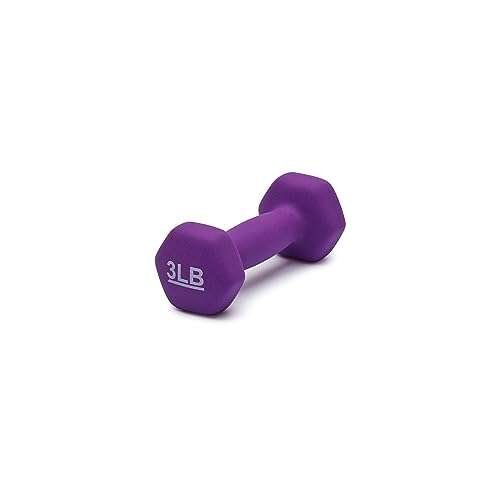
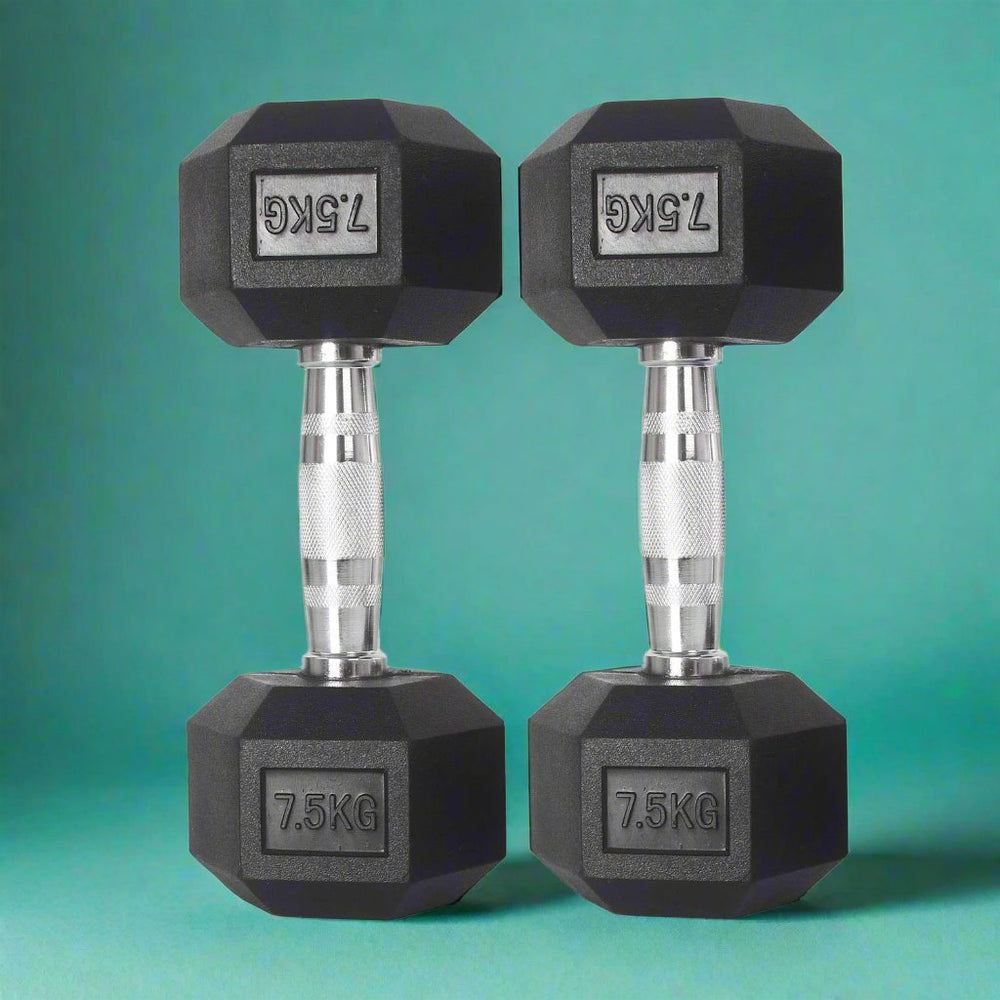
Hex dumbbells have flat sides. They are less likely to roll and can work well for floor exercises, such as renegade rows. Their flat heads also make simple storage easier.
Square and block dumbbells
Block-style dumbbells often provide strong stability. They may suit heavy lifting and compact storage, but their shape can feel bulky for some exercises.
Balance and weight distribution
A well-balanced dumbbell should not pull sharply toward one side. Poor balance can make pressing and curling feel awkward. It may also encourage your wrist to bend.
This is an important part of what to look for when buying dumbbells because comfort is not only about the handle. The weight should move in line with your hand. If the dumbbell feels uneven, your joints may take more stress than necessary.

Compare Materials and Coatings
Dumbbells are made from materials such as cast iron, steel, chrome, urethane, and rubber. The coating affects noise, floor protection, smell, and durability.
Cast iron
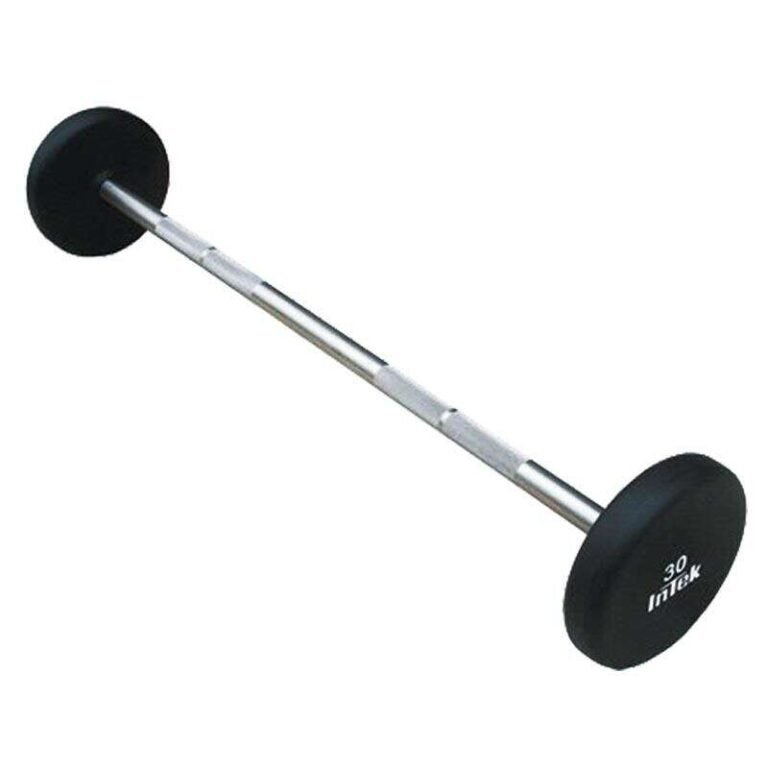
Cast iron dumbbells are strong and often affordable. They can last for years when kept dry. However, bare iron may scratch floors and can rust in damp spaces.
Rubber-coated dumbbells
Rubber coatings reduce noise and help protect flooring. They are popular in home gyms because they are easier on wood, tile, and concrete.
Some rubber has a strong odor when new. The smell often fades with ventilation, but sensitive users may prefer urethane or metal designs.
Urethane dumbbells
Urethane is durable and usually resists cracking, odor, and fading better than basic rubber. It often costs more, but it may be a good long-term choice for frequent use.
Chrome handles
Chrome handles can look clean and feel smooth. Check the finish for flaking or rough areas. A damaged finish can become uncomfortable and may expose metal to moisture.
When reviewing what to look for when buying dumbbells, do not judge quality by appearance alone. A shiny finish does not guarantee strong construction. Inspect the handle, head connection, coating, and warranty.
Inspect Construction and Durability
Dumbbells face repeated impact. Even careful users may set them down firmly after a difficult set. Strong construction helps the equipment last and reduces safety concerns.
Check whether the dumbbell head is:
• Cast as one solid piece
• Welded securely
• Bolted with a reliable connection
• Attached with a mechanism that can loosen over time
Adjustable models need extra care. Plates, collars, pins, and dials should lock firmly. The weight should not shift or rattle excessively during movement.
Look for a clear warranty. A warranty does not prove that a product is perfect, but it shows that the maker stands behind the design. Read the terms carefully. Some warranties cover manufacturing defects but not normal coating damage or misuse.
User reviews can reveal problems that product pages may not mention. Search for repeated comments about loose heads, broken dials, rust, cracked rubber, or difficult adjustments. One negative review may be random. The same complaint from many buyers deserves attention.
A common buying mistake is choosing the lowest price without considering lifespan. If a cheap set fails after a year, the real cost may be higher than buying a durable set once.
Think About Space, Storage, and Noise
Your home gym should fit your life. Dumbbells that block a walkway or damage the floor will become a daily annoyance.
Measure the area where you will train and store the weights. Also measure shelves, racks, and cabinets before ordering. Adjustable dumbbells often save space, but some have long handles that need extra clearance.
Storage options include:
• A vertical dumbbell rack
• A two-tier horizontal rack
• A compact stand for adjustable models
• A rubber floor mat
• A strong shelf rated for the total load
Never place heavy dumbbells on a weak shelf. Add the weight of every pair before checking the shelf rating. Keep weights away from children and areas where someone may trip.
Noise can matter in apartments. Rubber-coated dumbbells are usually quieter than bare iron, but dropping any dumbbell can damage the floor and create a loud impact. Use controlled lowering and a suitable mat.
Space and noise are easy to overlook when thinking about what to look for when buying dumbbells. Yet they often decide whether people keep using their home gym or slowly abandon it.

Evaluate Adjustable Dumbbell Safety
Adjustable dumbbells offer great value, but their locking system deserves close attention. A loose plate can shift during a lift and change the balance of the dumbbell.
Before buying, check:
• How the weight locks in place
• Whether both ends adjust evenly
• If the adjustment system works quickly
• Whether the handle remains comfortable at all settings
• If the manufacturer gives clear safety instructions
Selectorized dumbbells should click or lock into place with confidence. Plate-loaded dumbbells should use secure collars. Avoid any model that feels loose, rattles heavily, or requires force to adjust.
Do not drop adjustable dumbbells unless the product specifically allows it. Internal parts may break even when the outside looks fine. Place them down with control after each set.
Adjustable dumbbells also have a learning curve. Practice changing the weight before your first serious workout. This helps prevent rushed adjustments between exercises.
Match Dumbbells to Your Exercises
Different exercises favor different dumbbell designs. Matching the tool to the movement improves comfort and control.
For presses, choose dumbbells with a balanced shape and a grip that keeps your wrist neutral. For rows, look for a secure handle and a head shape that does not dig into your leg when you brace yourself.
For goblet squats, a single heavier dumbbell with a comfortable head can work well. For lunges, compact dumbbells may feel easier to carry at your sides.
For shoulder raises, lighter weights are usually enough. A very bulky dumbbell can bump your legs or limit your range of motion.
For floor exercises, flat-sided dumbbells provide more stability. Round weights may roll away, which can interrupt your set or create a safety issue.
This exercise-based approach is a key part of what to look for when buying dumbbells. Do not buy based only on the number printed on the weight. Consider how the full shape behaves during your favorite movements.
Set a Realistic Budget
Dumbbell prices vary based on weight, material, brand, design, and shipping. Heavier sets cost more because they require more raw material and stronger packaging.
Create a total budget that includes:
• Dumbbells
• Rack or storage
• Floor protection
• Shipping
• Replacement parts for adjustable models
Buying one pair at a time may work for a tight budget. Start with weights for your main exercises, then expand as your strength grows.
A starter set may include light weights for upper-body work and heavier weights for lower-body movements. You do not need every possible size on day one.
Compare the cost per pound, but do not use it as the only measure. A lower cost per pound may hide poor construction, high shipping fees, or a short warranty.
If you train often, spending more on durable materials may make sense. If you train only once or twice per week, a simple fixed set may provide better value.
Read Product Reviews With Care
Reviews can help, but they need context. A beginner may describe a dumbbell as heavy, while an experienced lifter may call the same weight light.
Focus on repeated patterns rather than one dramatic comment. Pay attention to reviews about:
• Actual weight accuracy
• Handle comfort
• Coating odor
• Rust or cracking
• Adjustment problems
• Delivery damage
• Customer service
Check the return policy before ordering. Dumbbells are heavy, and return shipping can be expensive. Make sure you can return a product if the handle is too wide or the adjustment system does not suit you.
Product photos can also be misleading. Look for the dimensions and weight in the specifications. A small image may make a large adjustable dumbbell look compact.
Reliable sellers should provide clear information about materials, measurements, warranty coverage, and safe use. Missing details are not always proof of poor quality, but they are a reason to investigate further.
Avoid These Common Buying Mistakes
Knowing what not to buy can be just as useful as knowing what to look for when buying dumbbells.
Avoid these errors:
• Buying a full set before testing one pair
• Choosing a weight that is too heavy for safe form
• Ignoring handle diameter
• Forgetting storage space
• Buying adjustable weights with a weak locking system
• Using metal dumbbells on an unprotected floor
• Assuming a famous brand always fits your needs
• Skipping the return policy
Another mistake is buying only very light weights because they feel comfortable. Light weights have a place, but your muscles need enough resistance to adapt. Choose a range that supports both your current level and gradual progress.
Some buyers also focus too much on looks. A bright coating may be attractive, but comfort, balance, and construction matter more. Fitness equipment should serve your training, not just decorate the room.
Build a Practical Dumbbell Set
You can create a useful set without buying every weight available. Start with the exercises you perform most often.
A basic home setup might include:
-
One light pair for raises, curls, and warmups
-
One medium pair for presses, rows, and lunges
-
One heavy pair for squats, deadlifts, and carries
-
A mat or rack for safe storage
If your dumbbells feel too light, slow the movement, add repetitions, or use a single-arm or single-leg version. These methods can increase difficulty without requiring a huge collection.
Still, progress eventually requires more resistance. When you can complete all planned repetitions with excellent form, consider moving to the next weight.
Keep a simple training log. Write down the dumbbell weight, repetitions, and how the set felt. This makes it easier to see when you need a heavier pair.
Frequently Asked Questions About What to Look For When Buying Dumbbells
What should beginners look for when buying dumbbells?
Beginners should choose comfortable handles, stable shapes, and a weight range that allows controlled repetitions. A light, medium, and moderately heavy pair can support many basic exercises.
Are adjustable dumbbells better than fixed dumbbells?
Adjustable dumbbells are often better for small spaces and varied workouts. Fixed dumbbells are usually faster to use and may feel more balanced, so the best choice depends on your room, budget, and training style.
What dumbbell weight should I buy first?
Choose a weight that lets you complete about 8 to 15 clean repetitions without swinging or losing form. You may need lighter weights for shoulders and heavier weights for legs and back.
Are rubber dumbbells safe for home use?
Rubber dumbbells are generally suitable for home use and can reduce noise and floor damage. Keep them away from extreme heat, inspect the coating, and use a mat on delicate flooring.
Should I buy round or hex dumbbells?
Hex dumbbells are useful when you want weights that do not roll during floor exercises. Round dumbbells may feel smooth during presses and curls, but they need more careful storage.
How can I tell if adjustable dumbbells are safe?
Check that plates, pins, collars, or dials lock securely and do not shift during movement. Read the safety instructions and avoid dropping adjustable models unless the manufacturer permits it.
How much should a good pair of dumbbells cost?
The price depends on weight, material, design, and shipping. Compare construction, warranty, comfort, and cost per pound instead of choosing only the cheapest pair.
Conclusion
The most important things to look for when buying dumbbells are the right weight range, a secure grip, balanced construction, durable materials, safe adjustments, and practical storage. Your best choice should match your exercises, experience, space, and budget.
Start with the weights you can control today, then leave room to grow. Hold a dumbbell before buying when possible, read detailed reviews, and choose equipment that makes you want to train. Use these tips to build a safer home gym, and explore more strength-training guides as you plan your next workout.

Brandon Knoxley is a sport & fitness writer and training guide contributor at MySportFitHub. He focuses on practical workouts, performance-based training, and honest fitness gear insights designed for real people and real results. Brandon is passionate about helping beginners and active individuals train smarter, avoid common mistakes, and build sustainable fitness habits.