Are 50 Lb Dumbbells Enough: Build More Muscle
Yes, 50 lb dumbbells are enough for many lifters, but goals and exercise choice matter.
The answer depends on your training age, body size, exercise selection, and goal. For home workouts, 50 lb dumbbells can build serious strength and muscle, especially for presses, rows, split squats, lunges, and many shoulder exercises. However, stronger lifters may outgrow them for movements such as goblet squats, deadlifts, and heavy presses. This guide explains exactly when 50 lb dumbbells are enough, when they are not, and how to get the most from them.

What Do 50 lb Dumbbells Really Mean?
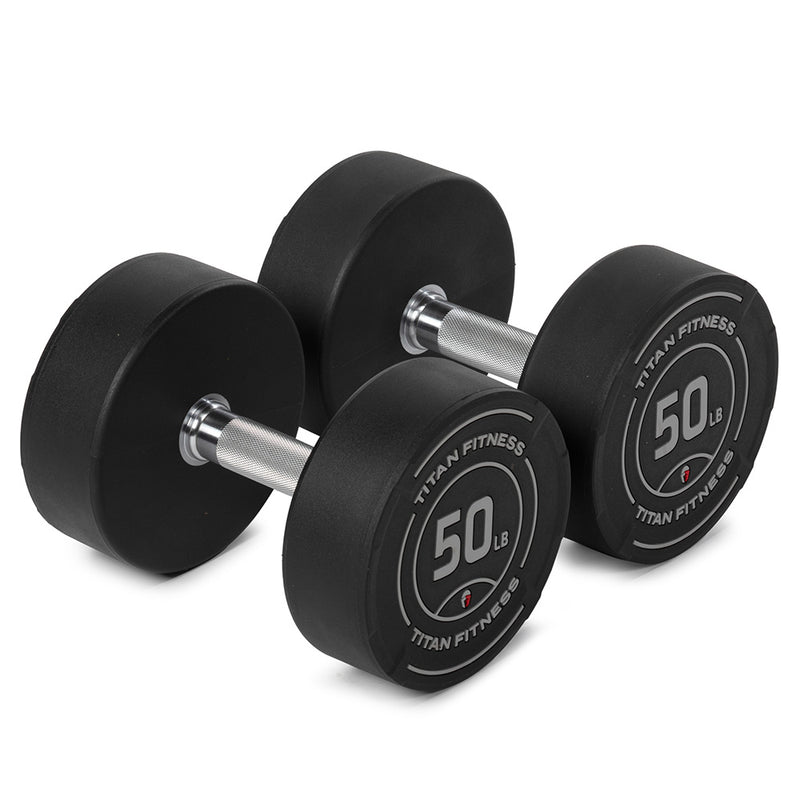
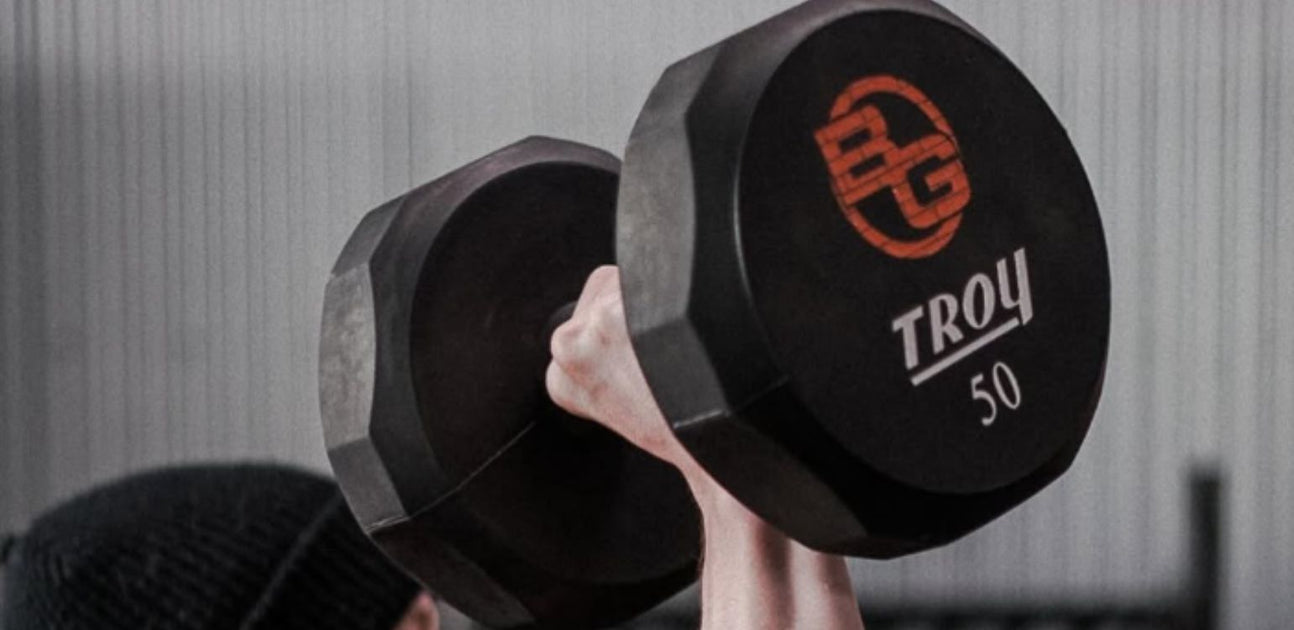
A 50 lb dumbbell weighs 50 pounds by itself. If you use two, the total load is 100 pounds. That difference matters when you compare dumbbell training with barbell training or other forms of resistance exercise.
When people ask, “are 50 lb dumbbells enough,” they often mean one of three things:
• Are they heavy enough to build muscle?
• Can they improve strength?
• Can they support a complete home workout?
For many people, the answer is yes. A 50 lb dumbbell is not light, especially when you use one arm, work through a full range of motion, or perform single-leg exercises.
Dumbbells also demand more control than a barbell. Each arm must stabilize its own weight. This can make 50 lb dumbbells feel much harder than expected, even when the total load is lower than a barbell exercise.

Are 50 lb Dumbbells Enough to Build Muscle?
Yes, 50 lb dumbbells can build muscle if they provide enough challenge and you use sound training methods. Muscle growth comes from mechanical tension, enough weekly training volume, effort, food, and recovery. The weight itself is only one part of the process.
You do not need to lift the heaviest possible weight for every set. Research on resistance training shows that muscle growth can occur across a broad range of loads when sets are taken close enough to muscular failure. In simple terms, a lighter set can work if it becomes difficult near the end.
For example, 50 lb dumbbells may be excellent for:
• One-arm rows
• Dumbbell bench presses
• Floor presses
• Romanian deadlifts
• Bulgarian split squats
• Walking lunges
• Step-ups
• Farmer carries
• Dumbbell curls for stronger lifters
The key is progression. If you can perform 8 repetitions today, aim for 9 or 10 over time. When you reach the top of your chosen rep range with good form, increase difficulty through more repetitions, slower lowering, pauses, extra sets, or a harder variation.
So, are 50 lb dumbbells enough for muscle growth? They are enough when they make your target muscles work hard and you continue to progress.
When Are 50 lb Dumbbells Enough for Strength?
50 lb dumbbells can improve strength for beginners, intermediate lifters, and many people training at home. They are especially useful for unilateral exercises, where one side works at a time.
A 50 lb one-arm row can challenge your back and grip. A 50 lb split squat can challenge your legs far more than a 100 lb bilateral squat might suggest. Balance, stability, and position increase the difficulty.
They may be enough for strength if:
• You are new to resistance training
• You train with one dumbbell at a time
• You use single-arm or single-leg movements
• You perform controlled repetitions
• You train close to technical failure
• Your goal is general strength rather than maximum lifting strength
They may not be enough if your goal is to maximize your barbell squat, deadlift, or bench press. Strength is specific to the movement. A strong dumbbell press can help your barbell bench press, but it does not replace practice with a barbell.
In my experience working through home-style strength programs, many people rush to buy heavier weights before learning how to make their current weights harder. A slow lowering phase and a full range of motion can turn an easy set into a serious challenge.
Which Exercises Can You Do With 50 lb Dumbbells?
A pair of 50 lb dumbbells supports a wide range of full-body exercises. You can train your legs, chest, back, shoulders, arms, core, and grip without a large home gym.
Upper-body exercises
Use 50 lb dumbbells for:
• Dumbbell bench presses
• Dumbbell floor presses
• One-arm rows
• Chest-supported rows
• Pullovers
• Seated shoulder presses
• Standing overhead presses
• Renegade rows
• Hammer curls
• Overhead triceps extensions
The weight may be too heavy for some isolation movements. For example, many people cannot perform strict lateral raises with 50 lb dumbbells. That exercise usually needs much lighter weights because the shoulder muscles work through a long lever.
Lower-body exercises
Use 50 lb dumbbells for:
• Goblet squats
• Front squats with two dumbbells
• Romanian deadlifts
• Sumo squats
• Bulgarian split squats
• Reverse lunges
• Walking lunges
• Step-ups
• Single-leg deadlifts
• Calf raises
Lower-body exercises often become easier to load than upper-body exercises. A strong lifter may find 50 lb dumbbells challenging for split squats but not heavy enough for traditional squats or deadlifts.
Core and conditioning exercises
You can also use them for:
• Suitcase carries
• Farmer carries
• Dumbbell marches
• Turkish get-ups
• Plank rows
• Dumbbell dead bugs
• Weighted sit-ups
These movements train bracing and control. They can also expose weaknesses that traditional lifting may hide.
Are 50 lb Dumbbells Enough for Beginners?
For most beginners, 50 lb dumbbells are more than enough. In fact, a pair may be too heavy for certain exercises at first.
New lifters often need time to learn joint positions, breathing, balance, and proper lifting technique. Starting with a lighter weight can help you build control and avoid using momentum.
A beginner might use 50 lb dumbbells for:
• Goblet squats
• Romanian deadlifts
• Suitcase carries
• Supported rows
• Step-ups
But 50 lb dumbbells may be inappropriate for:
• Lateral raises
• Front raises
• Strict curls
• Triceps kickbacks
• Some shoulder presses
Choose a weight that lets you complete every repetition with stable form. The last few repetitions should feel hard, but your posture should not collapse. If you must twist, swing, or hold your breath for too long, reduce the weight.
The biggest beginner mistake is treating every exercise like a test of courage. Training should be challenging, not reckless.
Are 50 lb Dumbbells Enough for Intermediate and Advanced Lifters?
For intermediate lifters, the answer is often exercise-specific. You may have enough weight for upper-body hypertrophy and unilateral leg work but not enough for heavy bilateral leg training.
For advanced lifters, 50 lb dumbbells can still be useful. They may work well for high-repetition sets, slow-tempo training, conditioning, and accessory exercises. However, they probably will not provide enough resistance for maximum lower-body strength.
A stronger lifter can make 50 lb dumbbells harder by using:
• Single-arm or single-leg variations
• A three-second lowering phase
• A pause at the hardest point
• More repetitions
• More total sets
• Shorter rest periods
• Deficit or elevated variations
• One-and-a-half repetitions
These methods increase training stress, but they do not perfectly replace heavier weights. If you can perform 25 controlled repetitions with ease, the load may no longer be ideal for your main strength exercise.

How Body Weight and Exercise Choice Change the Answer
The question “are 50 lb dumbbells enough” has no universal answer because people have different strength levels.
A 130-pound beginner may find 50 lb dumbbells extremely demanding. A 220-pound powerlifter may use them only for warm-ups or accessory work. Neither person is training incorrectly. The load simply creates a different level of challenge.
Exercise choice also changes everything. A 50 lb dumbbell held in one hand during a suitcase carry challenges your grip and core. The same dumbbell may feel manageable during a two-leg deadlift. A 50 lb dumbbell used for a strict shoulder press may feel much heavier than one used for a row.
Think of the dumbbell as a tool. A hammer is useful for some jobs but not all of them. The right question is not only how much the dumbbell weighs. Ask whether it creates enough resistance for the specific muscle and movement.
How to Make 50 lb Dumbbells More Effective
If 50 lb dumbbells are the heaviest weights you own, you can still build a strong program. Use progressive overload in several ways rather than relying only on heavier dumbbells.
Increase repetitions
Start with a range such as 8 to 12 repetitions. When you can complete 12 repetitions with clean form, move toward 13 to 15 or choose a harder variation.
Add sets
Three sets may become four sets over time. This increases total training volume without changing the weight.
Slow the movement
Lower the dumbbell for three or four seconds. A slow eccentric phase increases control and keeps the target muscle under tension.
Use pauses
Pause at the bottom of a press, at the top of a row, or near the bottom of a split squat. Pauses remove momentum and expose weak points.
Train one side at a time
Single-arm and single-leg exercises make each side handle more of the work. They also help correct strength differences between the left and right sides.
Improve your range of motion
A deeper squat, longer split squat, or fuller press may increase difficulty. Only use a range that your joints can control comfortably.
A practical home workout might look like this:
-
Goblet squat: 4 sets of 8 to 15 repetitions
-
Dumbbell floor press: 4 sets of 8 to 15 repetitions
-
One-arm row: 4 sets of 10 to 15 repetitions per side
-
Romanian deadlift: 3 sets of 8 to 15 repetitions
-
Reverse lunge: 3 sets of 8 to 12 repetitions per leg
-
Farmer carry: 3 rounds of 30 to 60 seconds
Rest about two minutes between demanding sets. Rest longer if your breathing or technique has not recovered.
Benefits of Training With 50 lb Dumbbells
A pair of 50 lb dumbbells offers several practical benefits.
• They support full-body workouts in a small space.
• They improve balance and coordination.
• They train each side independently.
• They can strengthen your grip.
• They allow many movement variations.
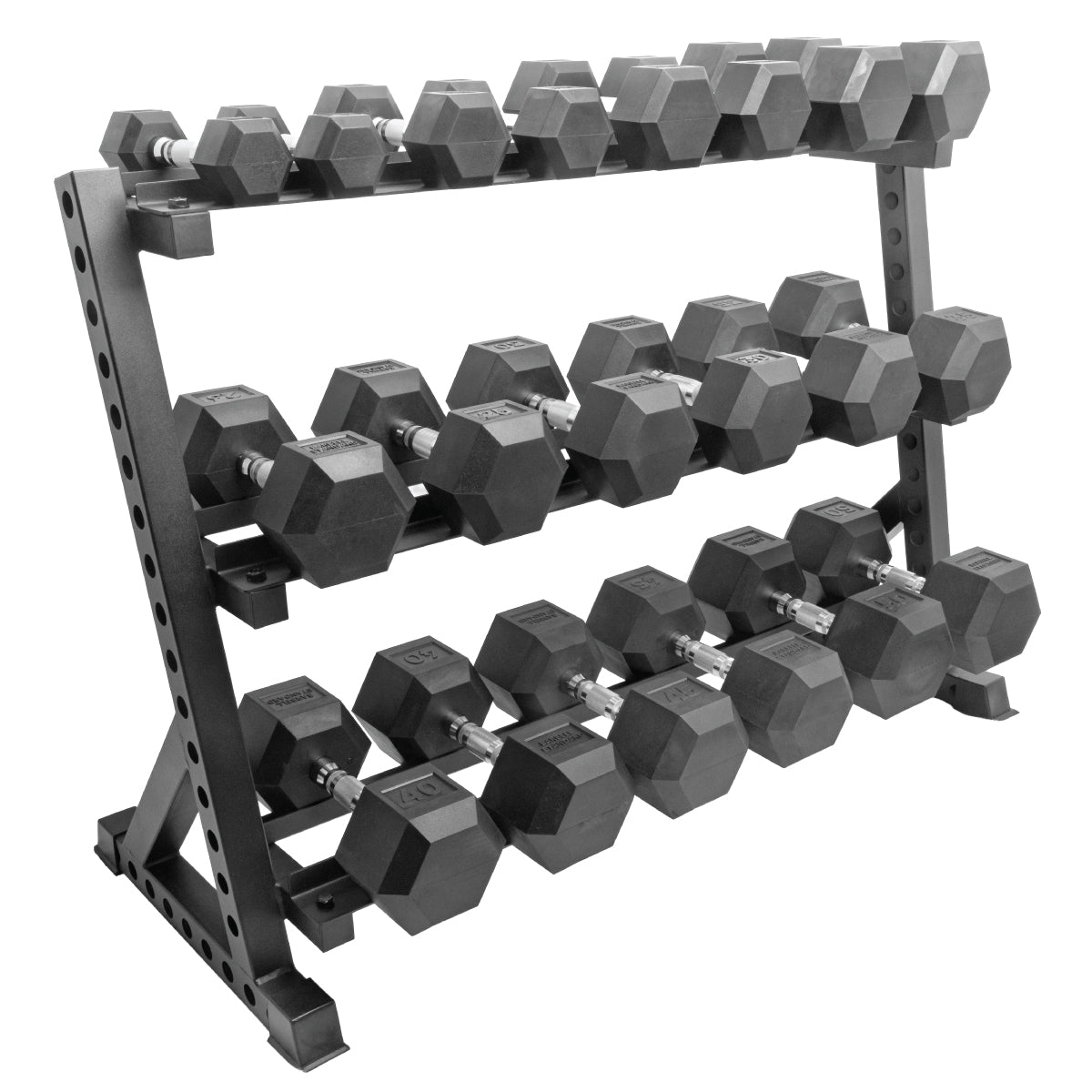
• They are often less expensive than a full rack of weights.
• They work well for home strength and muscle training.
Dumbbells also expose left-to-right differences. If one arm always does more work with a barbell, single-arm dumbbell exercises can help you notice and address that imbalance.
They are convenient, too. You can complete a useful workout without waiting for equipment or traveling to a gym. Consistency often matters more than having perfect equipment.
Limitations of 50 lb Dumbbells
The main limitation is the fixed maximum load. Your lower body may eventually become stronger than the dumbbells allow.
You may need heavier weights for:
• Heavy squats
• Heavy deadlifts
• Heavy hip thrusts
• High-level farmer carries
• Low-repetition strength work
• Advanced leg training
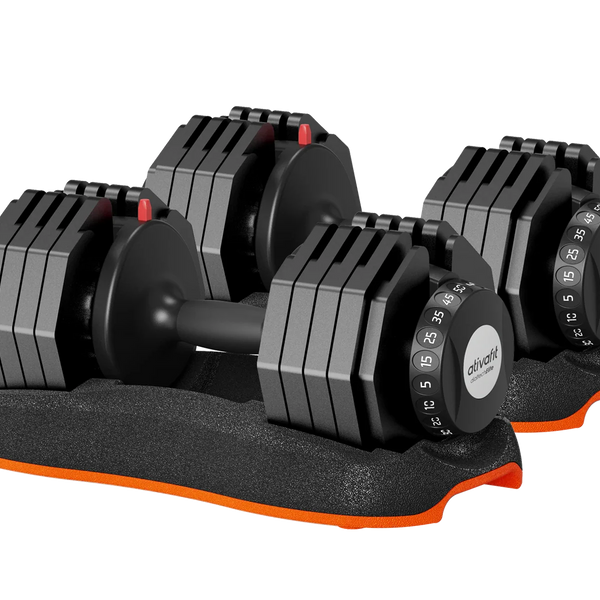
Another limitation is that some exercises require very light weights. A 50 lb dumbbell may be useful for rows but far too heavy for lateral raises or rear-delt flyes. This is why adjustable dumbbells or a range of fixed weights can offer more flexibility.
Dumbbells also require more setup for some movements. Getting two heavy dumbbells into shoulder position can be difficult. Use a safe technique, clear your workout area, and avoid lifting from awkward positions.
How to Know When You Need Heavier Dumbbells
You may need heavier dumbbells when the current weight no longer challenges you within your target rep range.
Look for these signs:
• You can complete every set with several repetitions left.
• Your form stays easy from the first repetition to the last.
• You cannot increase difficulty with reps, tempo, pauses, or harder variations.
• Your progress has stopped for several weeks.
• Your main goal is maximum strength.
Keep a simple training log. Write down the exercise, weight, repetitions, sets, and how difficult the final set felt. A useful effort scale is repetitions in reserve, or RIR. If you finish a set and could perform five more repetitions, the set may not be hard enough for muscle growth. If you could perform one to three more with good form, the effort is usually more productive.
This does not mean every set must reach failure. Training to failure can create more fatigue and may affect recovery. Most sets can stop just before your form breaks down.
Safety Tips for Using 50 lb Dumbbells
Heavy dumbbells can cause injury when dropped, swung, or lifted with poor control. Good technique matters more than proving that you can move the weight.
Use these habits:
• Warm up with light movements and easier sets.
• Keep your ribs and pelvis controlled during presses.
• Brace your abdomen before rows, squats, and deadlifts.
• Keep the dumbbells close to your body during lower-body exercises.
• Do not twist sharply while holding a heavy load.
• Clear the floor before walking with dumbbells.
• Use a spotter for difficult bench presses when possible.
• Stop if you feel sharp pain, numbness, or unusual joint pressure.
If you have a medical condition, recent injury, or persistent pain, ask a qualified health professional for guidance. Strength training is generally safe when progressed sensibly, but no general article can replace an individual assessment.
A Simple Decision Guide
Are 50 lb dumbbells enough for you? Use this guide:
• For general fitness: Yes, they are often enough.
• For beginner muscle growth: Yes, they are usually more than enough.
• For intermediate upper-body training: Often yes.
• For unilateral leg training: Usually yes.
• For advanced lower-body strength: Often no.
• For maximum barbell strength: No, you will need specific barbell practice.
• For a complete home workout: Yes, especially with creative progression.
Your goal should guide your purchase. If you want a compact home setup, 50 lb dumbbells offer excellent value. If you want to compete in powerlifting, strongman, or Olympic lifting, you will need more specialized equipment.
Frequently Asked Questions About Are 50 lb Dumbbells Enough
Are 50 lb dumbbells enough for a full-body workout?
Yes, 50 lb dumbbells can train your entire body through presses, rows, squats, lunges, deadlifts, carries, and core exercises. You may eventually need lighter weights for small-muscle movements and heavier weights for advanced leg training.
Are 50 lb dumbbells enough to build big arms?
They can help build bigger arms when used with proper volume, effort, food, and recovery. However, 50 lb dumbbells may be too heavy for strict curls, so use controlled form and choose lighter weights when needed.
Can you get strong with 50 lb dumbbells?
Yes, especially if you are a beginner or intermediate lifter. Single-arm, single-leg, slow-tempo, and pause exercises can make 50 lb dumbbells highly demanding.
Are 50 lb dumbbells enough for chest training?
They are enough for many people to build their chest through dumbbell presses, floor presses, push-ups, and fly variations. Stronger lifters may need heavier dumbbells for low-repetition pressing strength.
Are 50 lb dumbbells enough for leg training?
They can be enough for split squats, lunges, step-ups, Romanian deadlifts, and other single-leg movements. They may not be enough for advanced lifters performing heavy bilateral squats or deadlifts.
Should beginners start with 50 lb dumbbells?
Most beginners should not use 50 lb dumbbells for every exercise. Start with a weight that allows controlled movement, then use the 50 lb dumbbells as your strength improves.
Conclusion
For many people, 50 lb dumbbells are enough to build muscle, improve strength, and complete effective full-body workouts. They work especially well for rows, presses, lunges, split squats, Romanian deadlifts, carries, and home training.
Their limits appear when you become advanced, especially in heavy lower-body exercises or maximum-strength goals. Before buying heavier equipment, use better form, more repetitions, slower tempos, pauses, and unilateral movements.
Start with your goal, track your progress, and let your performance—not the number on the dumbbell—guide your next step. Try a structured dumbbell program, record your results, and share which exercises challenge you most.

Brandon Knoxley is a sport & fitness writer and training guide contributor at MySportFitHub. He focuses on practical workouts, performance-based training, and honest fitness gear insights designed for real people and real results. Brandon is passionate about helping beginners and active individuals train smarter, avoid common mistakes, and build sustainable fitness habits.