Is The Number On A Dumbbell The Total Weight: Explained
Usually, the number on a dumbbell shows the weight of one dumbbell, not the combined pair.
Knowing whether the number on a dumbbell is the total weight helps you choose the right load, track progress, and avoid lifting far more or less than planned. The answer depends on the dumbbell type, the label, and the gym’s equipment system, so this guide explains how to read every common setup with confidence.
Is the Number on a Dumbbell the Total Weight?
In most gyms, the number printed on a fixed dumbbell means the weight of that single dumbbell. A dumbbell marked “25” usually weighs 25 pounds, not 12.5 pounds. If you hold one in each hand, the combined load is 50 pounds.
The same rule applies to kilograms. Two dumbbells marked 10 kg create a combined load of 20 kg when used together. This is why the answer to “is the number on a dumbbell the total weight?” is usually no when you are asking about a pair.
However, manufacturers do not use one universal labeling system. Adjustable dumbbells, weight machines, studio weights, and unusual commercial equipment may display numbers in different ways. Always check the label, manual, or product description before assuming the number is the full load.

What Does the Number on a Dumbbell Usually Mean?
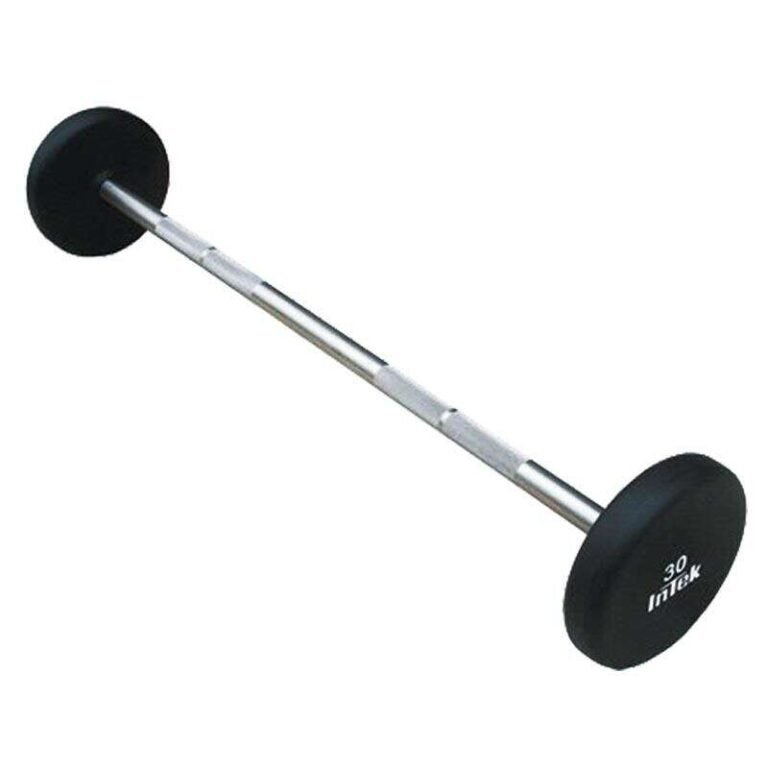
A fixed dumbbell is one solid unit. Its handle and weight heads form one piece, and the number normally identifies the mass of that individual item.
For example:
- One 15-pound dumbbell weighs 15 pounds.
- Two 15-pound dumbbells weigh 30 pounds together.
- A pair of 12-kilogram dumbbells weighs 24 kilograms together.
- A single-arm row with one 40-pound dumbbell places about 40 pounds of external load in your hand.
This is the standard meaning in most commercial gyms and home fitness stores. The number may appear on the end of the dumbbell, on a sticker, or as a raised marking molded into the weight head.
The number can also show the unit. Look for:
- “lb” or “lbs” for pounds
- “kg” for kilograms
- “oz” for ounces
- No unit, which often means pounds in the United States but still requires confirmation
If a dumbbell shows only “20,” many American gyms intend that to mean 20 pounds. Yet a home product sold by an international company may mean 20 kilograms. That difference is significant because 20 kilograms equals about 44 pounds.
So, is the number on a dumbbell the total weight? For a normal fixed dumbbell, it is almost always the weight of one dumbbell. The pair weighs twice the marked amount.
When the Number May Not Show the Full Weight
The usual rule has exceptions. The number on a dumbbell may describe a setting, a plate value, or a product series rather than the actual weight in your hand.
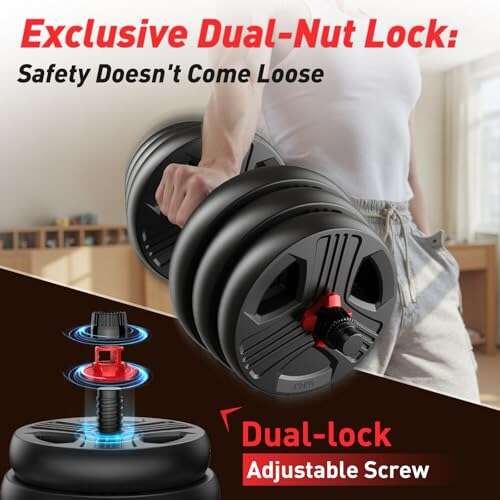
Adjustable dumbbells
Adjustable dumbbells use plates, pins, dials, or handles that let you change the load. Their number may refer to:
- The total weight of one assembled dumbbell
- The weight selected on a dial
- The weight of one plate
- A setting that includes the handle and internal parts
For example, a dial dumbbell marked “50” may provide 50 pounds in one hand. A plate-loaded handle marked “2.5” may mean the handle can accept 2.5-pound plates, not that the entire dumbbell weighs 2.5 pounds.
The product manual gives the most reliable answer. If the label says “5 to 50 lb,” it usually means each dumbbell adjusts from 5 to 50 pounds. It does not usually mean that the entire pair reaches only 50 pounds.
Selectorized dumbbell systems
Some gyms use adjustable dumbbells that sit in a cradle. Turning a dial selects a load, and the dumbbell lifts only the plates assigned to that setting.
On these systems, the selected number often means the weight of one dumbbell. Still, the handle may have a small built-in weight that the displayed number does not clearly explain. The difference is normally small, but it matters when you compare equipment or track precise strength gains.
Studio and group fitness dumbbells
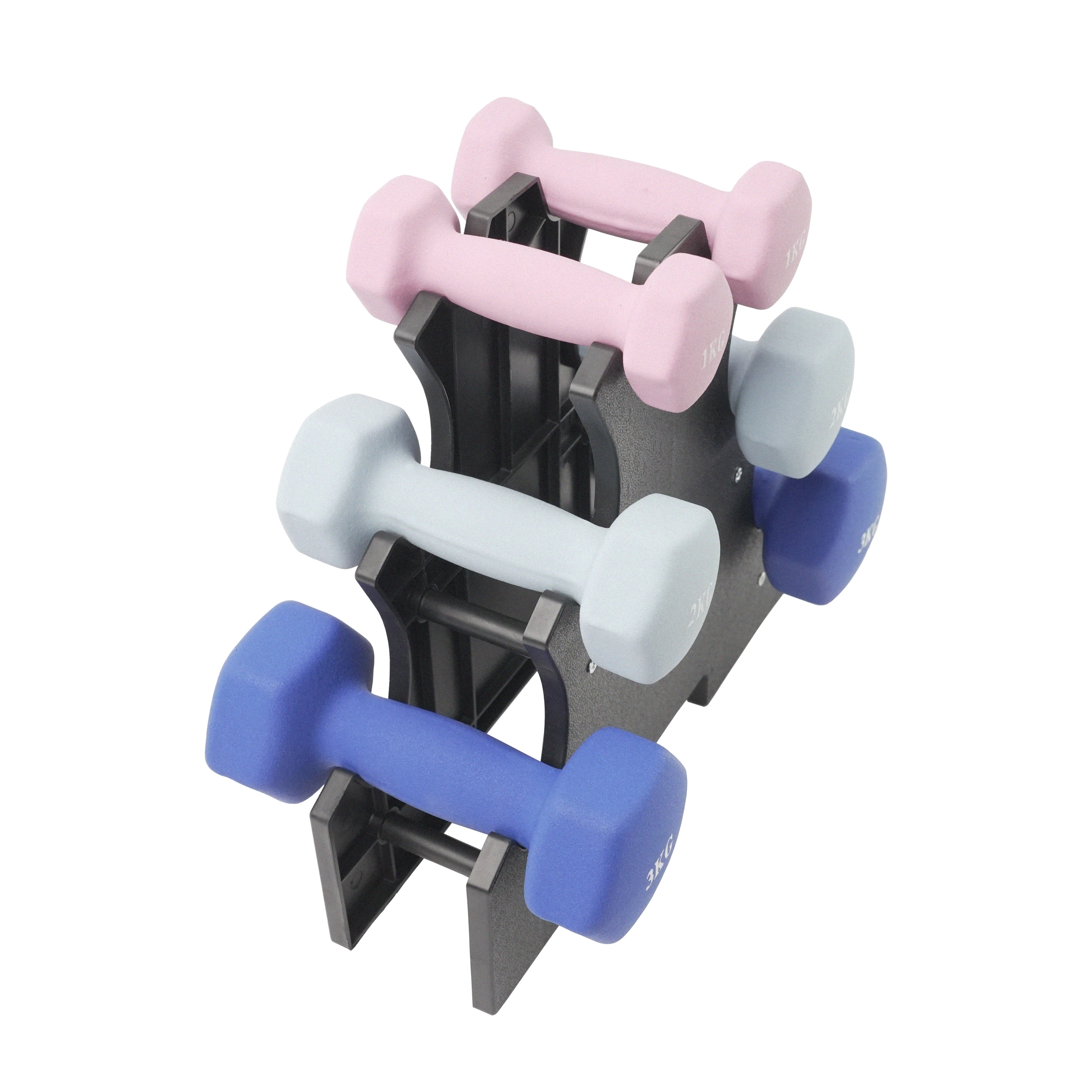
Small neoprene or vinyl dumbbells may show numbers such as 2, 3, or 5. These usually mean pounds per dumbbell. A pair marked 5 creates a 10-pound combined load.
Some studio dumbbells use colors and number ranges instead of clear unit labels. Ask the instructor or check the equipment rack if you are unsure.
Dumbbells used with machines
A cable machine or selectorized strength machine may show a number on its weight stack. That number is not always equal to the resistance felt at the handle. Pulley arrangements, friction, and machine design can change the effective load.
This is different from a regular dumbbell. With a fixed dumbbell, the marked weight gives a much more direct indication of the load in your hand.

How to Tell Whether a Dumbbell Number Is Per Hand
You can confirm the meaning in less than a minute. This simple check works well at a gym, store, or home.
- Look for the unit beside the number. Check whether it says pounds or kilograms.
- Search for words such as “each,” “pair,” “set,” or “total.”
- Weigh the dumbbell on a household scale if the label is unclear.
- Compare it with a known weight, such as a 10-pound plate.
- Ask gym staff or check the manufacturer’s product page.
- Check whether the dumbbell is fixed, adjustable, or part of a machine.
A bathroom scale may not be ideal for small dumbbells because its readings can be less accurate at low loads. A luggage scale, hanging scale, or kitchen scale may work better, depending on the dumbbell size.
If you perform a two-arm exercise, record both the individual weight and the pair weight. For example, write “shoulder press: 20-pound dumbbells” rather than simply “40 pounds.” This makes your training log easier to understand and compare.
A common mistake I have seen in gyms is someone selecting two 30-pound dumbbells while thinking they are lifting 30 pounds total. That person is actually holding 60 pounds combined. The reverse mistake also happens with adjustable dumbbells, where a person assumes a displayed pair rating applies to each hand.

Examples of Dumbbell Weight Calculations
The easiest way to understand the number on a dumbbell is to use real examples.
Example one: Fixed dumbbells
You pick up two dumbbells labeled 25 pounds.
- Weight in the left hand: 25 pounds
- Weight in the right hand: 25 pounds
- Combined dumbbell load: 50 pounds
This does not mean every exercise feels like lifting a single 50-pound object. A dumbbell bench press uses two separate loads, and each shoulder and arm must control its own side.
Example two: One-arm exercises
You perform a one-arm dumbbell row with a dumbbell marked 40 pounds.
- External dumbbell load: 40 pounds
- Dumbbell weight in the unused hand: none
- Combined dumbbell load: 40 pounds
Your body may still support more weight through your feet, knees, and free hand. But the dumbbell itself weighs 40 pounds.
Example three: Kilogram dumbbells
You use two dumbbells marked 8 kg.
- Weight in one hand: 8 kg
- Weight in both hands: 16 kg
- Approximate combined weight in pounds: 35.3 pounds
To convert kilograms to pounds, multiply by 2.205. To convert pounds to kilograms, divide by 2.205.
Example four: A pair sold as a set
A product listing says “20-pound dumbbell set.” This phrase can be unclear. It may mean two 10-pound dumbbells totaling 20 pounds, or two 20-pound dumbbells totaling 40 pounds.
Read the product details closely. Look for wording such as “two 20-pound dumbbells” or “20 pounds total.” Product photos are not enough because they may show several weight options.
Example five: Adjustable dumbbells
An adjustable dumbbell has a handle that weighs 5 pounds. You add four 5-pound plates, two on each side.
The total weight is:
- Handle: 5 pounds
- Plates: 20 pounds
- Complete dumbbell: 25 pounds
This example shows why the number on an adjustable dumbbell may not tell the full story. You must add every component unless the manufacturer gives the assembled weight.

Why Correct Dumbbell Weight Matters
Understanding the number on a dumbbell affects both safety and training quality. Choosing the wrong load can make an exercise too easy, too hard, or unsafe.
Using a heavier weight than expected may cause:
- Poor form
- Loss of balance
- Excess stress on the shoulders, elbows, or lower back
- Uncontrolled lowering
- Greater risk of dropping the dumbbell
Using a lighter weight is usually safer, but it may reduce the training challenge. That is not always a problem. Light weights work well for learning technique, warming up, rehabilitation, and high-repetition exercises.
The American College of Sports Medicine supports gradual resistance increases based on an individual’s goals and ability. In practice, increase the load only when you can complete your planned repetitions with steady form and control.
For many strength exercises, choose a weight that lets you finish the set with one to three good repetitions still available. This is not a strict rule for every person or program, but it gives beginners a useful starting point.
Your total training load also includes more than the dumbbell label. It may include:
- Your body weight
- A bench or support surface
- A barbell or machine resistance
- Resistance bands
- The number of repetitions
- The distance and speed of each movement
Still, the first step is knowing whether the number on a dumbbell is the total weight or the weight of one unit.

Dumbbell Weight and Exercise Tracking
Good records prevent confusion. Write down the weight of one dumbbell, the number of dumbbells used, repetitions, sets, and exercise type.
A clear training note might look like this:
- Dumbbell bench press: 3 sets of 10 with 25-pound dumbbells
- Goblet squat: 3 sets of 12 with one 40-pound dumbbell
- One-arm row: 4 sets of 8 with one 35-pound dumbbell
- Walking lunge: 3 sets of 10 per leg with two 15-pound dumbbells
These notes are more useful than writing “50 pounds” without context. The first entry uses two 25-pound dumbbells, while the second uses one 40-pound dumbbell.
Tracking each dumbbell also makes progress easier to measure. If you move from two 20-pound dumbbells to two 25-pound dumbbells, your combined dumbbell load rises from 40 to 50 pounds. That is a 25% increase in the weight of each dumbbell, so you should expect the exercise to feel noticeably harder.
One lesson worth remembering is not to copy another person’s dumbbell number without checking the unit. A 10 kg dumbbell is much heavier than a 10-pound dumbbell. The number looks similar, but the load differs by more than double.
How to Choose the Right Dumbbell Weight
Start with a load that allows safe, controlled movement. The correct weight depends on the exercise, your training history, your goal, and your current strength.
Use these practical guidelines:
- Choose light dumbbells for new movements and warmups.
- Use moderate weights for general fitness and muscle endurance.
- Use heavier weights for strength work only after learning proper form.
- Stop a set if your technique breaks down.
- Increase weight in small steps rather than making a large jump.
- Test one or two repetitions before committing to a full set.
Different exercises require different loads. Most people can use heavier dumbbells for a deadlift than for a lateral raise. A person may also use more weight for a chest press than for a front raise because the muscles and movement patterns differ.
Do not judge the right weight by pride or by the person next to you. Strength varies widely, and a controlled 10-pound raise can be more productive than a sloppy 30-pound raise. The goal is not to make the number look impressive. The goal is to create the right challenge.
If you feel sharp pain, numbness, unusual joint pressure, or loss of control, stop the exercise. Muscle effort and mild fatigue are normal. Sudden pain is not a sign that the weight is working well.

Common Mistakes When Reading Dumbbell Labels
Many weight errors come from unclear language rather than poor math. Avoid these common problems.
Assuming a pair equals the printed number
Two dumbbells marked 20 usually equal 40 pounds together. Do not assume the pair weighs 20 pounds unless the product clearly says “20 pounds total.”
Confusing kilograms and pounds
A 15 kg dumbbell weighs about 33 pounds. Always check the unit before lifting, especially in gyms with imported equipment.
Ignoring the handle weight
With plate-loaded dumbbells, the handle may add several pounds. Add the handle, plates, collars, and any other parts when calculating the final load.
Trusting an online product title
Retailers sometimes use short titles that do not explain whether the listed weight applies to one dumbbell or a pair. Read the specifications and package contents.
Treating machine numbers like dumbbell numbers
A weight stack labeled 50 does not always provide the same resistance as a 50-pound dumbbell. Machine pulleys can change the force at the handle.
Counting only the plates
On adjustable dumbbells, plates are not the only weight. The handle and locking parts also contribute to the total.

What Experts and Standards Say About Weight Labels
Weight labels should identify the mass of the product or selected load, but labeling practices can vary by country, product type, and manufacturer. Commercial fitness equipment may also have tolerances, meaning its actual weight can differ slightly from the printed value.
For everyday training, these small differences rarely matter. A dumbbell labeled 20 pounds may not weigh exactly 20.000 pounds, but it should be close enough for normal exercise. Accuracy becomes more important when you compare equipment, prepare for competition, or need precise rehabilitation loads.
Reputable manufacturers usually list whether a product is sold individually or as a pair. They may also list shipping weight, net weight, maximum weight, and adjustable range. These terms are not interchangeable.
- Net weight refers to the product itself.
- Shipping weight may include packaging.
- Maximum weight refers to the highest available setting.
- Adjustable range shows the lightest and heaviest setting.
- Pair weight refers to both dumbbells together.
When the label and product description disagree, contact the manufacturer or retailer. Clear information is more trustworthy than guessing from a photograph or a short sales title.

Frequently Asked Questions About Whether the Number on a Dumbbell Is the Total Weight
Is a 20-pound dumbbell 20 pounds or 40 pounds?
One dumbbell marked 20 pounds weighs about 20 pounds. Two matching dumbbells weigh about 40 pounds together.
Does a dumbbell set marked 50 pounds mean 50 pounds each?
Not always. “50-pound set” may mean 50 pounds total, while “two 50-pound dumbbells” means 100 pounds total, so check the product description carefully.
Is the number on an adjustable dumbbell the total weight?
Usually, the selected number shows the total weight of one assembled dumbbell. However, some products display a setting or plate weight, so the manual is the safest source.
Are dumbbells measured in pounds or kilograms?
Dumbbells may use either unit. In the United States, unlabeled numbers often mean pounds, but you should look for “lb” or “kg” before lifting.
How do I know how much two dumbbells weigh together?
Multiply the weight marked on one dumbbell by two. For example, two 15-pound dumbbells weigh 30 pounds combined.
Does a dumbbell handle count toward the weight?
Yes. The handle adds to the total weight of a plate-loaded or adjustable dumbbell. Fixed dumbbell labels normally already include the handle and weight heads.
Is lifting two dumbbells the same as lifting one dumbbell with the combined weight?
No. Two dumbbells divide the load between your hands and require each side of your body to stabilize its own weight. The total load may match, but the movement and muscle demands can feel different.
Conclusion
For most fixed dumbbells, the number shows the weight of one dumbbell, not the total weight of a pair. Two 25-pound dumbbells create a combined load of 50 pounds, while adjustable dumbbells and product sets may use different labeling systems.
Check the unit, read the product details, include the handle and plates, and record whether your workout uses one dumbbell or two. Once you understand what the number means, you can choose safer loads and track real progress with less guesswork. Try checking the labels in your gym today, then share your findings or explore more strength-training guidance.

Brandon Knoxley is a sport & fitness writer and training guide contributor at MySportFitHub. He focuses on practical workouts, performance-based training, and honest fitness gear insights designed for real people and real results. Brandon is passionate about helping beginners and active individuals train smarter, avoid common mistakes, and build sustainable fitness habits.