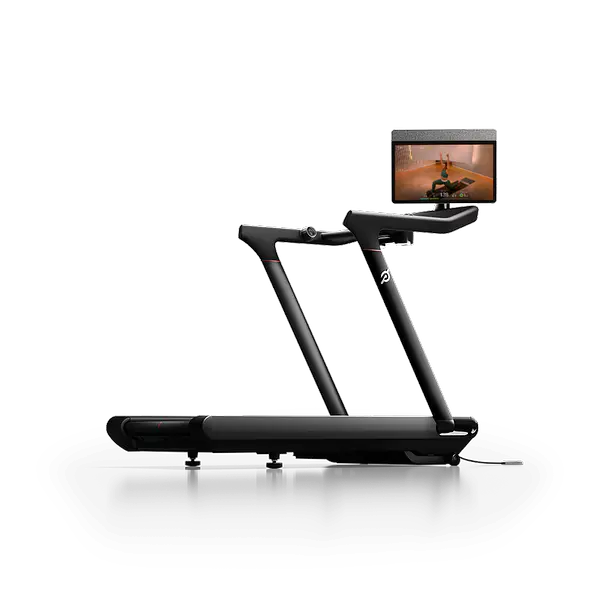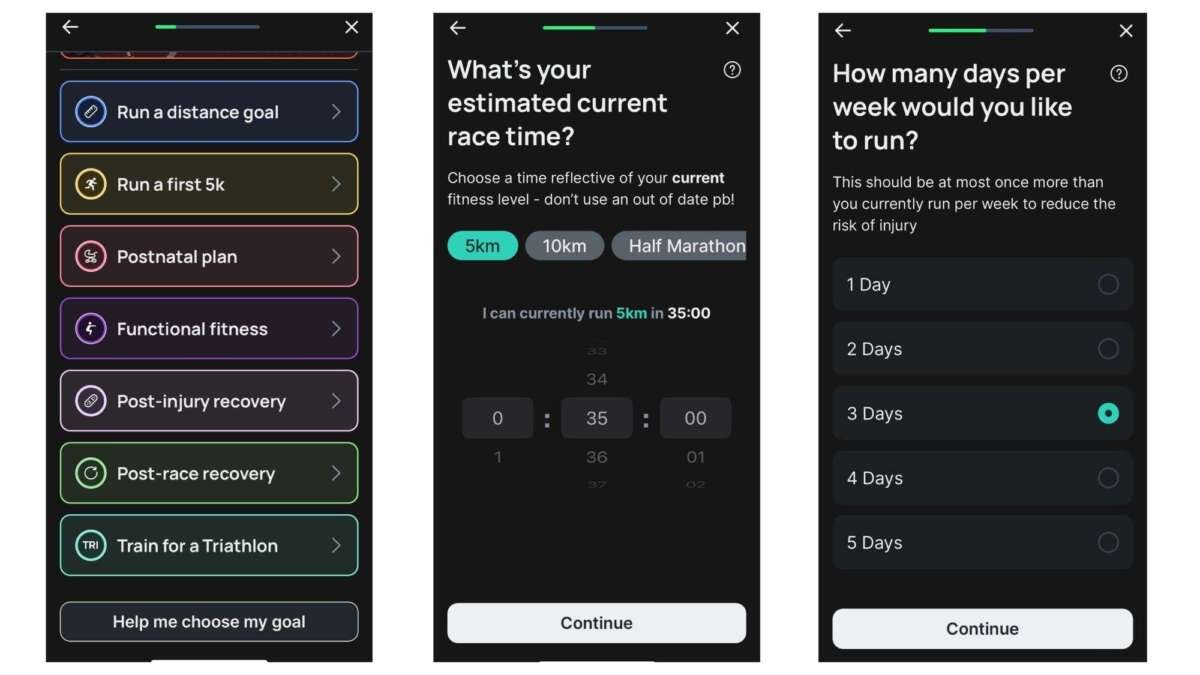
Can I Use Runna On A Treadmill: Complete Guide
Yes, you can use Runna on a treadmill, but you may need to adjust pace, incline, and workout tracking.
If you are asking, “can I use Runna on a treadmill,” the answer is yes. Runna workouts are based on time, pace, effort, distance, and recovery, so most sessions can move indoors with little trouble. The key is knowing which metrics to follow when GPS is unavailable and how to record the workout correctly.
Can I use Runna on a treadmill?
Yes, you can use Runna on a treadmill for easy runs, long runs, tempo sessions, interval workouts, and many race training plans. The app’s coaching guidance still applies, but treadmill running feels slightly different from running outdoors.
A treadmill controls the speed for you. This can help you stay steady during a hard workout. However, the belt removes some wind resistance and gives your legs a consistent surface. You may also find that heat builds up faster indoors.
When people ask, “can I use Runna on a treadmill,” they often worry that the app will not recognize the workout. In most cases, you can still complete the session and log it manually if your watch or phone does not record it correctly.
Runna workouts may use several types of targets:
• Pace, such as 9:30 minutes per mile
• Effort, such as an easy or hard intensity
• Distance, such as 5 miles
• Time, such as 30 minutes
• Intervals, such as 6 repeats of 3 minutes
• Recovery periods between faster efforts
All of these can work on a treadmill. You simply need to match the workout target to the treadmill display or your perceived effort.

How to convert a Runna workout for treadmill use
The simplest way to use Runna on a treadmill is to keep the workout structure the same. Change only the setting that does not fit your indoor conditions.
For example, if your Runna workout says:
- Warm up for 10 minutes
- Run 5 minutes at tempo pace
- Jog for 2 minutes
- Repeat four times
- Cool down for 10 minutes
You can follow that exact plan indoors. Set the treadmill speed for the warm-up, increase it for the tempo sections, lower it for recovery, and repeat the cycle.
Use pace targets carefully
Treadmill pace is usually shown in minutes per mile in the United States. Some machines display miles per hour instead. You may need to convert between the two.
Here are a few common examples:
• 10:00 minutes per mile equals about 6.0 miles per hour
• 9:00 minutes per mile equals about 6.7 miles per hour
• 8:00 minutes per mile equals about 7.5 miles per hour
• 7:30 minutes per mile equals about 8.0 miles per hour
• 7:00 minutes per mile equals about 8.6 miles per hour
Treadmill speed can vary slightly between machines. Belt wear, calibration, and incline settings may affect how the pace feels. Use effort as a second check rather than trusting the number alone.
Follow effort when pace feels wrong
Weather, hills, wind, and fatigue affect outdoor pace. A treadmill removes many of these factors, but the opposite problem can occur: the pace may look right while the effort feels too easy or too hard.
Runna often uses effort descriptions alongside pace. An easy run should feel controlled, and you should be able to speak in short sentences. A hard interval should feel demanding but repeatable.
If your treadmill pace feels far too hard, slow it down. If it feels unusually easy, add a small amount of speed or incline. The goal is to train the correct energy system, not to obey a number that does not match your body.

Does Runna work with treadmill running apps and watches?
Runna can still guide your workout when you run indoors, but automatic tracking depends on your device and setup. GPS usually works poorly or not at all on a treadmill because you are not moving across outdoor space.
Some treadmills can send speed and distance to a smartwatch through Bluetooth or another supported connection. Foot pods and running sensors may also estimate indoor pace and distance. The accuracy depends on the device, calibration, and how naturally you run.
If the treadmill does not connect to your watch, you have several options:
• Start the Runna workout on your phone and follow the steps manually
• Use your watch’s indoor run or treadmill mode
• Track time and distance on the treadmill console
• Add the completed workout to Runna manually
• Record the workout details in your training log
When asking, “can I use Runna on a treadmill,” remember that workout guidance and workout recording are separate things. You can complete the plan even if your device does not capture every detail automatically.
Distance is often the least reliable indoor metric. A treadmill may show a different distance from your watch. This does not always mean one device is broken. Treadmill calibration, arm movement, belt speed, and sensor settings all play a role.
For consistent training, use the same treadmill when possible. That makes your results easier to compare from week to week.

What treadmill incline should you use with Runna?
Many runners set the treadmill at a 1% incline to make indoor running feel more like outdoor running. This can be a useful starting point, but it is not a rule for every workout.
A 1% incline may help account for the lack of air resistance at faster speeds. However, outdoor routes include changes in terrain, small slopes, turns, wind, and other factors that a fixed incline cannot copy perfectly.
Try these general guidelines:
• Easy running: 0% to 1% incline
• Tempo running: 0.5% to 1% incline
• Short intervals: 0% to 1% incline
• Hill workouts: Follow the planned incline changes
• Long runs: Use the incline that allows steady, comfortable form
Do not automatically add 1% if it makes your normal Runna pace too hard. Indoor heat can raise your heart rate, and the treadmill surface may change your stride. A flat treadmill is better than an incline that causes poor form.
For a Runna hill session, adjust both speed and incline in a controlled way. Do not jump from a flat setting to a steep grade while running fast. Increase the incline gradually, hold the effort, and lower it before the recovery period.

How to do Runna interval workouts on a treadmill
Treadmill intervals can be very effective because the machine lets you control speed with precision. They can also be awkward because changing speeds takes time.
Start each workout with a proper warm-up. Ten to fifteen minutes of easy running is often enough, followed by a few short strides if they fit the Runna session.
For each interval:
- Set the treadmill slightly below your target speed before the interval begins.
- Increase the speed as the interval starts.
- Keep your eyes on your form, not only on the display.
- Reduce the speed early enough for the recovery period.
- Hold the handrails only when stepping onto or off the moving belt.
Do not hold the rails while running. This changes your posture and reduces the training demand. If the speed feels unsafe, lower it and finish the workout with good control.
Short intervals may require a different approach. For a 30-second repetition, the treadmill may take much of that time to reach the target speed. In that case, use effort or incline instead of chasing an exact speed.
For example, you could use a modest incline for short bursts. This keeps the workout challenging without forcing repeated, rapid speed changes.
In coaching settings, one common mistake is treating treadmill intervals like a video game. Runners keep pressing buttons and forget to relax their shoulders, control their breathing, and land under their body. Smooth movement matters more than a perfect display number.

Benefits of using Runna on a treadmill
Using Runna on a treadmill offers several practical benefits, especially when outdoor running is difficult.
Reliable training in poor weather
Rain, ice, extreme heat, smoke, and poor air quality can make outdoor running unsafe. A treadmill gives you a controlled space to complete your workout without abandoning your training plan.
Better control during intervals
A treadmill can hold a set pace more evenly than a runner can outdoors. This is helpful for tempo runs and repeat sessions. You can focus on posture, breathing, and rhythm instead of checking your watch every few seconds.
Easier training around a busy schedule
You can run indoors at home, in a gym, or in an apartment fitness room. This can make it easier to train before work, during a lunch break, or after putting the kids to bed.
A useful option for new runners
Some beginners feel nervous running outside. A treadmill can provide a private and predictable place to build confidence. Runna’s gradual plan structure can then help them increase time and distance at a sensible rate.
Helpful during injury recovery
A treadmill may provide a steady surface during a return to running. Still, it is not automatically safer for every injury. Follow advice from a qualified medical professional, especially if you have pain, swelling, or a change in your stride.

Limitations of treadmill training with Runna
Treadmill running is useful, but it should not always replace outdoor running. Your goal should guide the balance.
If you are training for a road race, outdoor sessions help you practice:
• Wind and changing weather
• Hills and downhill running
• Turns and uneven surfaces
• Passing other runners
• Road and trail rhythm
• Hydration and fueling during long runs
A treadmill also has a steady belt and no natural variation in terrain. That can make some muscles work differently. Running indoors can feel mentally harder because the scenery does not change.
Heat is another issue. Indoor runners often sweat more because there is less airflow. Use a fan, drink fluids based on thirst, and avoid treating every indoor run like a test of toughness.
The treadmill display may also be inaccurate. If the speed or distance seems unusual, compare it with a calibrated device or another treadmill. Do not change your entire training plan based on one questionable reading.
Finally, some runners rely too much on the handrails. This reduces the load on your legs and can create poor posture. Keep your hands relaxed and step off safely when you need a break.

How to log a treadmill workout in Runna
The exact buttons may change as the Runna app is updated, but the general process is simple.
- Complete the planned workout on the treadmill.
- Note the total time, distance, pace, incline, and interval details.
- Open the completed workout in the Runna app.
- Choose the option to edit, add, or manually record the activity if available.
- Enter the most accurate information you have.
- Save the session and review how it felt.
If your watch records the workout, check whether the distance looks reasonable before saving it. Indoor GPS errors can create strange pace spikes or an incorrect map.
The effort note is important. Record whether the workout felt easy, moderate, hard, or unusually difficult. Also note heat, incline, sleep, and any pain. These details help you and your coach understand the session better than distance alone.
If you cannot log the workout right away, write the details in your phone. Memory becomes less accurate after a long day, especially when an interval session includes many repeats.

Best treadmill settings for Runna workouts
There is no single perfect setting for every Runna workout. Use the following as a starting point, then adjust based on effort and safety.
Easy runs
Use a comfortable speed at 0% to 1% incline. You should be able to talk without gasping. If the treadmill feels too warm, lower the pace slightly and use a fan.
Long runs
Keep the effort steady and avoid making the entire run harder just to copy outdoor hills. You can add short incline changes if your plan calls for them, but comfort and consistency matter most.
Tempo runs
Use the pace or effort listed in your Runna workout. If you cannot hold the pace with relaxed form, reduce it slightly. A controlled tempo run is more useful than a session that ends in exhaustion.
Interval sessions
Prepare the speed settings before starting when possible. For longer repeats, use pace. For very short repeats, use effort or incline if the speed changes are too slow.
Recovery runs
Keep the speed truly easy. A recovery run should help you absorb training, not become another hard workout because the treadmill feels convenient.

Common mistakes to avoid when using Runna on a treadmill
The question “can I use Runna on a treadmill” is easy to answer, but using the app well takes a little practice. Avoid these common errors.
• Chasing outdoor pace exactly when the treadmill effort feels different
• Adding a steep incline to every run without a clear reason
• Holding the rails during fast running
• Ignoring heat and poor airflow
• Starting intervals before the treadmill reaches the planned speed
• Trusting a watch’s indoor distance without checking it
• Skipping the warm-up because the workout is indoors
• Turning an easy day into a hard day
• Failing to record how the workout felt
• Running through sharp or worsening pain
One lesson many runners learn the hard way is that indoor training can feel deceptively simple. The belt keeps moving, but your body still needs recovery. Follow the Runna plan as a whole rather than judging one workout in isolation.
If you feel dizzy, unusually short of breath, or unable to control your stride, slow down and stop safely. Fitness goals are important, but they are never worth risking a serious injury.
Can treadmill running prepare you for an outdoor race?
Yes, treadmill running can support race training, especially when it helps you complete key workouts consistently. It is particularly useful for easy runs, tempo sessions, and structured intervals.
However, most runners benefit from adding outdoor sessions as race day approaches. Outdoor running helps you learn how your target pace feels on real roads and prepares your legs for terrain changes.
For a road race, consider this balance:
• Use the treadmill for easy runs when weather or time is a problem.
• Complete some quality sessions outdoors when conditions are safe.
• Run long outdoor sessions before race day when possible.
• Practice your shoes, clothing, hydration, and fueling outside.
• Use the treadmill for controlled hill or interval training.
A treadmill can be part of a strong plan, but it should match the demands of your event. A flat indoor run will not fully prepare you for a hilly course. Likewise, a treadmill cannot teach you how to handle wind or crowded race conditions.
Think of treadmill training as one tool in your kit. It is not a lesser form of running, and it is not a complete substitute for every outdoor session.
Frequently Asked Questions
Can I use Runna on a treadmill without a smartwatch?
Yes. You can open the Runna workout on your phone and follow the time, pace, effort, and interval instructions manually. Afterward, record the workout in the app if automatic tracking is not available.
Does Runna track treadmill distance accurately?
It may not track treadmill distance accurately through GPS because GPS does not work well indoors. The treadmill console, a calibrated foot pod, or an indoor running mode on your watch may provide better data.
Should I set the treadmill to a 1% incline for Runna?
A 1% incline can be a useful starting point, but it is not required for every workout. Choose an incline that matches the planned effort and allows you to run with relaxed, safe form.
Can I do Runna interval workouts on a treadmill?
Yes. Treadmills work well for interval training because they control speed and timing. For short intervals, allow for the machine’s speed change or use effort and incline instead of an exact pace.
Is treadmill running as good as outdoor running?
Treadmill running can provide an effective workout and help you train consistently. Outdoor running is still useful for preparing for wind, hills, changing surfaces, and race-day conditions.
How do I record a Runna treadmill workout?
Track the session with your treadmill, watch, or phone, then edit or manually add the workout in Runna if needed. Include time, distance, pace, incline, and effort when possible.
Conclusion
So, can I use Runna on a treadmill? Absolutely. You can complete most Runna workouts indoors by following the planned time, effort, pace, and interval structure while adjusting for treadmill speed and incline.
Use effort as your guide, keep the incline sensible, avoid the handrails, and record the session accurately. Add outdoor runs when you need to prepare for race terrain, weather, and real-world conditions.
Choose the setup that helps you train safely and consistently. Try your next Runna workout on a treadmill, note how it feels, and adjust your future sessions with that information.

Brandon Knoxley is a sport & fitness writer and training guide contributor at MySportFitHub. He focuses on practical workouts, performance-based training, and honest fitness gear insights designed for real people and real results. Brandon is passionate about helping beginners and active individuals train smarter, avoid common mistakes, and build sustainable fitness habits.