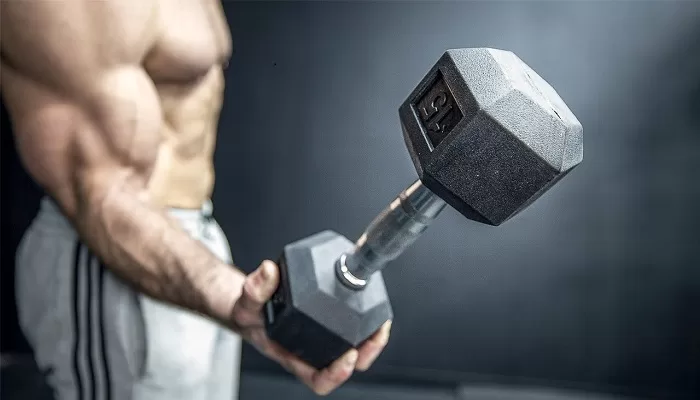
What Is The Best Material For Dumbbells: Choose Wisely
Cast iron is the best dumbbell material for most lifters because it offers strength, value, and long-term durability.
Choosing the best material for dumbbells depends on where you train, how often you lift, and how much noise or floor wear you can accept. After comparing cast iron, rubber, urethane, neoprene, chrome, and steel designs, this guide will help you choose a pair that feels safe, lasts for years, and fits your training goals.
What Is the Best Material for Dumbbells?
For most people, cast iron is the best material for dumbbells. It is strong, affordable, compact, and easy to find in many weight ranges. Cast iron dumbbells can last for decades when stored in a dry place and used with care.
Still, “best” does not mean the same thing for every lifter. A home gym may need quiet, floor-friendly weights, while a busy commercial gym may prefer hard-wearing urethane dumbbells.
Here is a simple comparison:
| Dumbbell material | Best for | Main benefit | Main drawback |
|---|---|---|---|
| Cast iron | Most lifters | Durable and affordable | Can damage floors and rust |
| Rubber-coated | Home gyms | Quieter and floor-friendly | Rubber odor and coating wear |
| Urethane | Commercial gyms | Very durable and low odor | High price |
| Neoprene | Light workouts | Comfortable grip and color coding | Not ideal for heavy lifting |
| Chrome-plated steel | Classic home gyms | Smooth, compact finish | Can chip or become slippery |
| Stainless steel | Premium setups | Rust resistance and clean feel | Usually expensive |
The best material for dumbbells should match your space, budget, workout style, and maintenance habits.
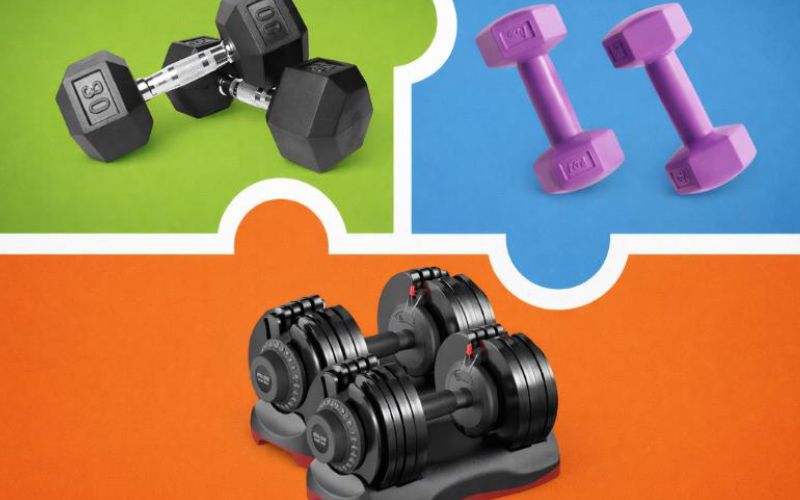
Cast Iron Dumbbells: The Best Overall Choice
Cast iron is a dense iron alloy that gives dumbbells a solid feel without making them unusually large. Many adjustable dumbbells and fixed-weight dumbbells use cast iron as their core.
The biggest advantage is value. Cast iron dumbbells often cost less than rubber or urethane models while still handling years of regular strength training.
Benefits of cast iron dumbbells
• Strong construction that handles frequent use
• Affordable for beginners and home gym owners
• Compact size, especially at heavier weights
• Easy to find in fixed and adjustable designs
• Suitable for presses, rows, curls, squats, and carries
Cast iron also gives useful feedback during a lift. The weight feels firm and stable in your hand. It does not compress or shift like some soft coatings can.
Limitations of cast iron
Bare cast iron has two clear problems: it can rust, and it can harm hard floors. Dropping a cast iron dumbbell on tile, wood, or concrete may leave a mark or damage the surface.
Cast iron can also become slippery if your hands are wet. Wipe the handles after training, and store the dumbbells away from moisture.
In my practical comparison of common gym equipment, bare cast iron works best when the user has a rubber mat and a simple storage plan. Many people buy excellent weights but place them directly on a damp garage floor. That small mistake can lead to rust at the ends and on the handle.

Rubber-Coated Dumbbells: Best for Home Gyms
Rubber-coated dumbbells use a cast iron or steel core with a rubber outer layer. The coating helps reduce noise, protects some floors, and makes the dumbbell more comfortable to set down.
For many home users, rubber is the best material for dumbbells because it balances price, comfort, and protection. Rubber dumbbells are especially useful in apartments, bedrooms, and small workout rooms.
Why rubber dumbbells work well
• They make less noise when placed on a mat
• They reduce direct contact between metal and flooring
• They feel more comfortable during exercises such as lunges
• They are easy to identify by printed weight markings
• They suit general strength, fitness, and conditioning work
Rubber is not completely floor-proof. A heavy dumbbell can still damage delicate wood or thin vinyl if dropped. A thick rubber gym mat remains the safest choice.
Possible rubber problems
New rubber may have a strong odor. The smell often fades after airing out the dumbbells in a well-ventilated space. Some low-quality coatings may crack, peel, or become sticky over time.
Rubber can also leave marks on certain floors. Test one dumbbell on a small hidden area before placing a full set in your home gym.
A useful buying tip is to inspect the coating around the handle and weight heads. It should look even, with no bubbles, deep cuts, or loose edges.
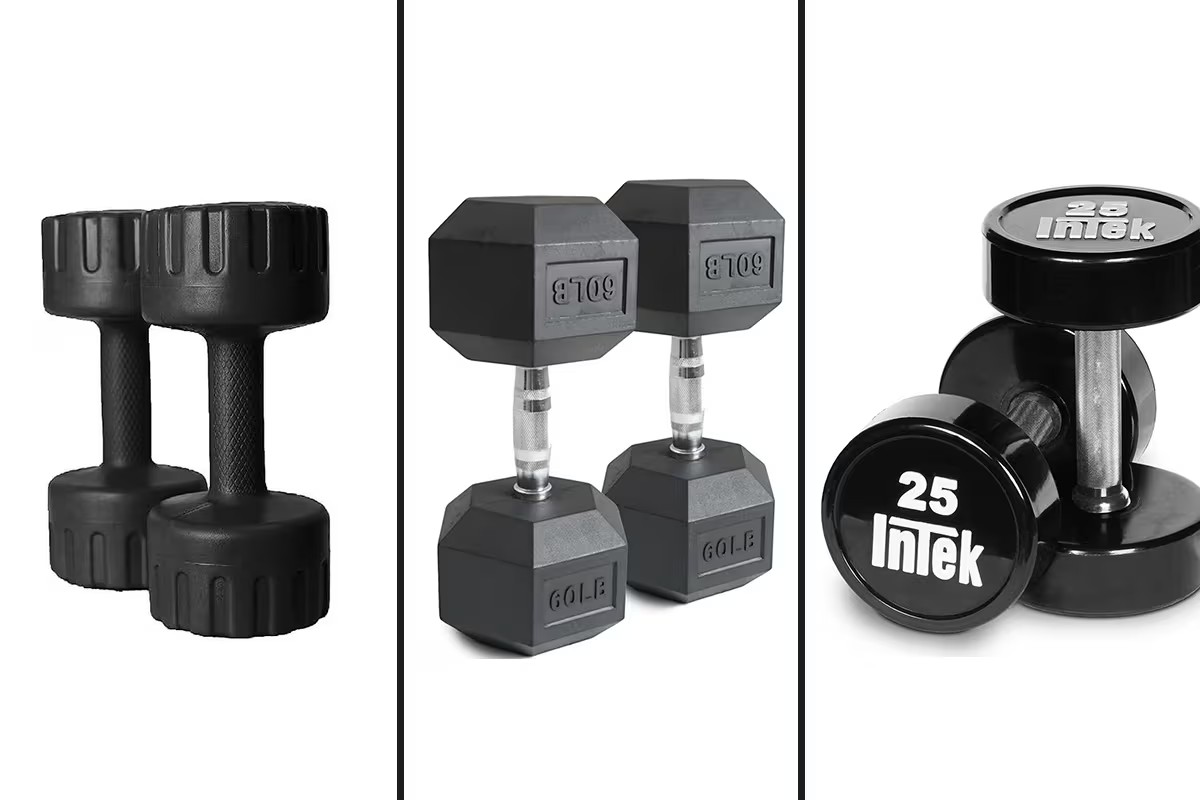
Urethane Dumbbells: Best for Long-Term Commercial Use
Urethane is a tough synthetic material used on premium dumbbells. It is harder and more resistant to wear than many basic rubber coatings.
Urethane dumbbells are common in commercial gyms, schools, training centers, and high-end home gyms. They usually cost more, but their long service life can justify the price for heavy daily use.
Key benefits of urethane
• Strong resistance to cracking and peeling
• Low odor compared with many rubber products
• Good resistance to sweat, oils, and cleaning products
• Clear weight markings that tend to last
• Less risk of cosmetic wear from frequent handling
Urethane also holds its shape well. The dumbbell heads are less likely to become misshapen after repeated contact with a rack or floor.
When urethane may not be worth the cost
For a beginner who trains twice a week, urethane may offer more durability than needed. A quality rubber or cast iron set can provide the same training benefit at a lower price.
Urethane is often the best material for dumbbells when several people use the equipment every day. For a personal home gym, the higher price may be better spent on a bench, rack, or additional weight range.

Neoprene Dumbbells: Best for Light Exercise
Neoprene dumbbells have a soft, textured coating over a metal core. They are often sold in bright colors and lighter weights, such as 1 to 10 pounds.
They are popular for walking workouts, physical therapy, barre, Pilates, aerobics, and beginner fitness routines. Neoprene feels warm and comfortable, even when your hands are cold.
Advantages of neoprene
• Soft grip for light exercise
• Easy color coding by weight
• Comfortable for high-repetition movements
• Less likely to scratch floors than bare metal
• Helpful for older adults and beginners who use light loads
Neoprene is not usually the best material for dumbbells used in heavy strength training. The soft coating can wear faster, and the available weight range is often limited.
It is also important to clean neoprene after sweaty workouts. Sweat can build up on the surface and create an unpleasant smell if the dumbbells are stored while damp.

Steel, Chrome, and Stainless Steel Dumbbells
Steel is often used inside dumbbells, while chrome or stainless steel may form the visible handle or outer surface. These materials provide a firm, clean feel and can create a compact dumbbell design.
Chrome-plated dumbbells are common in classic gyms. They look attractive and resist light surface rust, but the plating can chip if the dumbbell is dropped.
Stainless steel offers better rust resistance than ordinary steel. It is a strong choice for humid rooms, coastal homes, or users who want a premium finish.
Pros and cons of metal finishes
• Steel is strong and usually affordable
• Chrome looks polished and is easy to wipe clean
• Stainless steel resists rust better
• Smooth handles may feel slippery during sweaty sessions
• Metal surfaces can be loud and hard on floors
A knurled handle can improve grip, but deep knurling may feel rough during high-repetition exercises. Try to balance grip security with comfort.
If your hands sweat heavily, a textured steel handle may be safer than a smooth chrome handle. You can also use chalk when appropriate, but check your gym’s rules first.
Fixed Dumbbells vs. Adjustable Dumbbells
Material is only one part of the buying decision. You should also decide between fixed and adjustable dumbbells.
Fixed dumbbells are ready to use. They are usually faster to change between exercises and feel balanced because the weight is permanently attached.
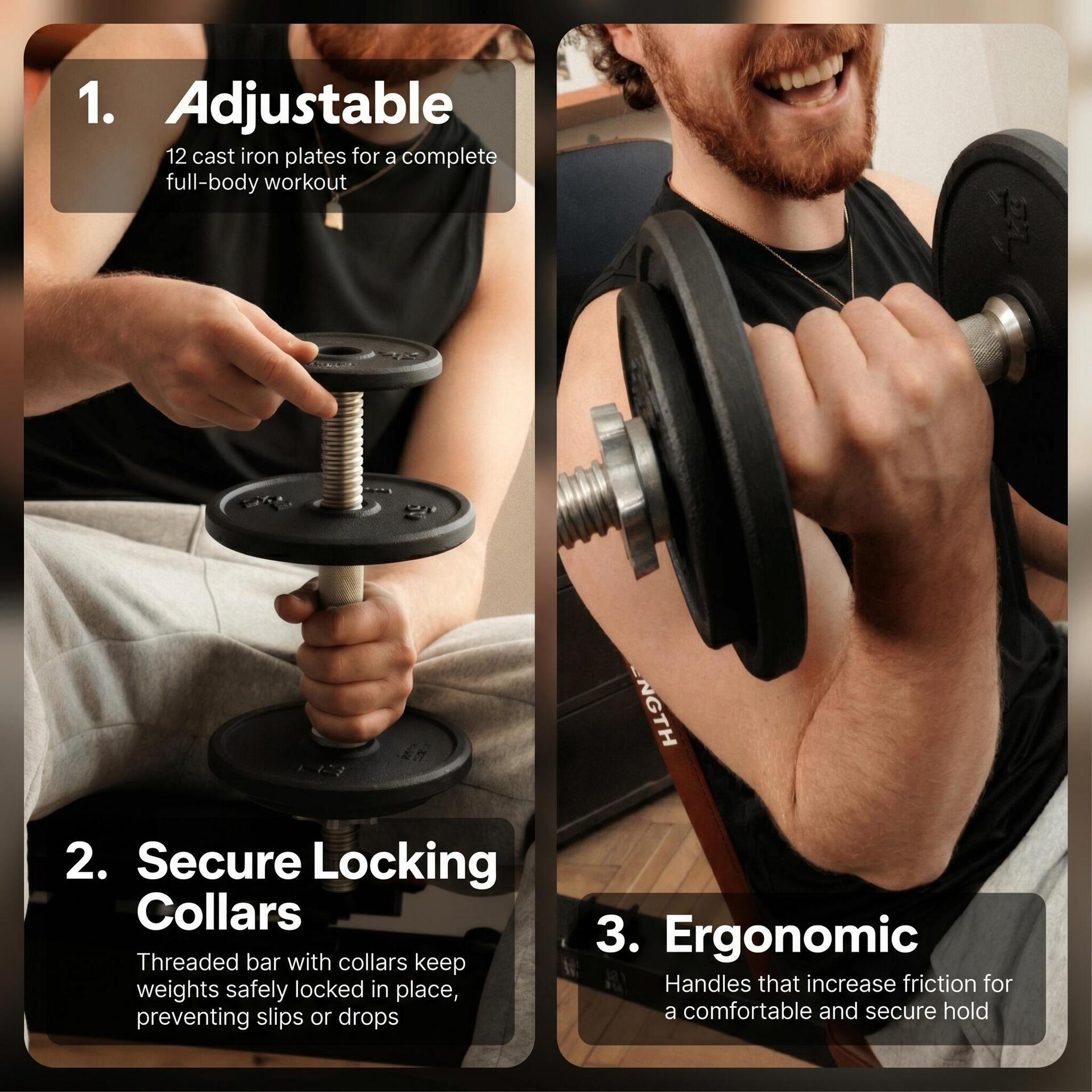
Adjustable dumbbells use plates, pins, or selector systems to change the load. They save space and can cost less than buying many fixed pairs.
Fixed dumbbells are best when:
• You have enough storage space
• You want fast exercise changes
• More than one person uses the gym
• You perform circuits or high-speed workouts
• You prefer a simple, familiar design
Adjustable dumbbells are best when:
• You train in a small room
• You need several weight levels
• You want to reduce equipment costs
• You follow progressive strength programs
• You can take time to check locks and plates
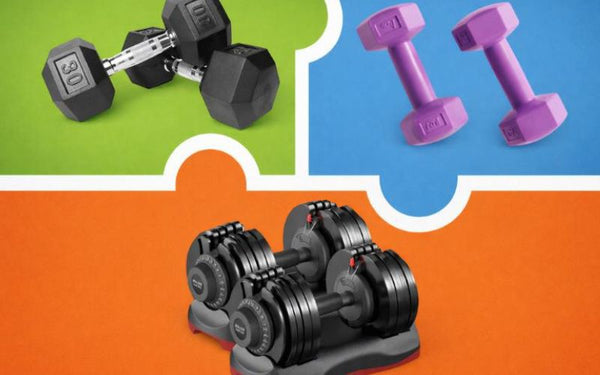
The best material for dumbbells may differ between these designs. Cast iron plates are common in adjustable sets, while rubber and urethane are more common in fixed commercial dumbbells.
Always inspect adjustable dumbbells before each session. Make sure collars, pins, or locking systems are fully secure. A loose plate can create a serious injury risk.
How to Choose the Best Dumbbell Material
Use these questions before buying:
- Where will you train?
A garage or basement with rubber flooring can handle cast iron well. An apartment may benefit from rubber-coated dumbbells because they reduce noise.
- How heavy will you lift?
Neoprene is fine for light exercise, but heavy presses and rows call for cast iron, steel, rubber, or urethane.
- How often will you use them?
Occasional users can save money with cast iron. Daily users may prefer urethane because it handles repeated contact and cleaning.
- What is your budget?
Cast iron usually offers the lowest cost per pound. Urethane and stainless steel often cost more because of their finish and manufacturing process.
- Do you live in a humid area?
Bare iron can rust in humid conditions. Rubber, urethane, coated steel, and stainless steel may need less rust care.
- Do you need quiet equipment?
Rubber and neoprene create less noise than bare metal. A thick exercise mat adds another layer of sound and floor protection.
- How important is grip comfort?
Neoprene feels soft, while cast iron and steel provide a firm grip. A medium-textured handle is often the best middle ground.

Dumbbell Safety and Maintenance Tips
Even the best material for dumbbells can fail when used or stored poorly. Good care extends equipment life and protects your body and home.
Follow these simple habits:
• Inspect handles, plates, and coatings before each workout
• Keep dumbbells dry after cleaning or heavy sweating
• Store them on a rack instead of a damp floor
• Use rubber mats on wood, tile, and concrete
• Do not drop fixed dumbbells unless they are designed for it
• Keep loose adjustable plates away from children and pets
• Replace equipment with cracked handles or damaged locking parts
For cast iron, wipe away moisture quickly. A light coat of suitable protective oil may help prevent rust, but avoid oily handles because they can become unsafe to grip.
For rubber and urethane, use mild soap and water. Avoid harsh chemicals unless the manufacturer approves them. Strong cleaners may dry out rubber or damage printed markings.
Fitness standards and professional guidance consistently emphasize controlled lifting, safe storage, and proper equipment inspection. The material cannot replace good technique. A well-made dumbbell is safer when you use a weight that allows steady control through the full movement.
Common Mistakes to Avoid
Many buyers focus only on price or appearance. That can lead to a dumbbell that does not suit their training space.
Avoid these common mistakes:
• Buying bare iron without planning for floor protection
• Choosing very soft coatings for heavy strength work
• Selecting smooth handles when your hands sweat heavily
• Buying a full set before testing one pair
• Ignoring strong rubber odor in a poorly ventilated room
• Choosing fixed dumbbells when storage space is limited
• Buying adjustable weights without checking the locking system
Another mistake is choosing the heaviest weight you can lift once. Dumbbells should support your full program, including warm-ups, controlled repetitions, and weaker exercises.
When possible, test the handle width, texture, and balance. A dumbbell can have excellent materials but still feel uncomfortable if the handle is too thick or the heads touch your wrists.
What Is the Best Material for Dumbbells for Different Users?
The best choice changes with the user.
For beginners
Choose rubber-coated cast iron or standard cast iron. These options are affordable, durable, and suitable for learning basic movements.
For home gym owners
Rubber-coated dumbbells are often the best material for dumbbells in a home setting. They reduce noise and offer extra protection for floors.
For serious strength athletes
Choose high-quality cast iron, steel, or urethane. Focus on handle design, accurate weight, balance, and the ability to buy heavier pairs later.
For commercial gyms
Urethane is usually the strongest long-term choice. It handles repeated use, cleaning, and storage better than many low-cost coatings.
For seniors and rehabilitation
Neoprene dumbbells can be comfortable for light movements. Ask a qualified health professional for guidance when training after an injury or surgery.
For humid environments
Stainless steel, rubber-coated, or urethane dumbbells may require less rust care than bare cast iron. Even these materials should be kept clean and dry.
Frequently Asked Questions About What Is the Best Material for Dumbbells
Is cast iron or rubber better for dumbbells?
Cast iron is usually better for low cost, compact size, and heavy lifting. Rubber is better for home gyms because it reduces noise and helps protect floors.
Are urethane dumbbells better than rubber dumbbells?
Urethane is usually more resistant to cracking, odor, and wear. Rubber costs less, so it may offer better value for casual home users.
What dumbbell material does not rust?
Stainless steel resists rust well, while rubber and urethane coatings protect much of the metal core. However, exposed metal parts can still rust if stored in damp conditions.
Are neoprene dumbbells good for strength training?
Neoprene dumbbells work well for light strength training, high repetitions, and beginner exercise. They are not the best choice for heavy progressive lifting because they often come in limited weight ranges.
Can rubber dumbbells damage wood floors?
Yes, heavy rubber dumbbells can still dent, stain, or damage wood floors, especially when dropped. Use a suitable rubber mat and place the weights down with control.
What is the best material for adjustable dumbbells?
Cast iron is common and affordable for adjustable dumbbell plates. Look for secure collars, strong handles, smooth adjustments, and clear weight markings.
How long do good dumbbells last?
Quality cast iron, steel, rubber, and urethane dumbbells can last for many years. Their lifespan depends on coating quality, storage, cleaning, impact, and how often they are used.
Conclusion
Cast iron is the best material for dumbbells for most people because it is strong, compact, affordable, and widely available. Rubber-coated dumbbells are often better for quiet home workouts, while urethane is the premium choice for heavy daily use. Neoprene suits light exercise, and stainless steel helps in humid environments.
Think about your floor, budget, training level, storage space, and grip needs before buying. Start with one pair if you are unsure, test the feel, and build your set around the exercises you perform most. Choose carefully, train with control, and share your dumbbell setup or questions in the comments.

Brandon Knoxley is a sport & fitness writer and training guide contributor at MySportFitHub. He focuses on practical workouts, performance-based training, and honest fitness gear insights designed for real people and real results. Brandon is passionate about helping beginners and active individuals train smarter, avoid common mistakes, and build sustainable fitness habits.