What Speed Should I Walk On Treadmill: Best Pace For Results
Most people should walk on a treadmill at 2.5 to 4.0 mph, based on fitness and comfort.
Knowing what speed should I walk on treadmill depends on your goal, age, fitness level, and walking experience. A gentle pace may support daily movement, while a brisk pace can raise your heart rate and improve cardiovascular fitness. This guide explains how to choose your best treadmill walking speed, adjust incline, avoid common mistakes, and build progress safely.

What Speed Should I Walk on Treadmill?
For most adults, a treadmill walking speed between 2.5 and 4.0 mph works well. The right choice is the speed you can hold with good posture while breathing harder but still staying in control.
Use this general guide:
- 1.0 to 2.0 mph: Very easy walking, warm-up, cool-down, or recovery
- 2.0 to 2.8 mph: Easy walking for beginners or low-impact exercise
- 2.8 to 3.5 mph: Moderate walking for general health
- 3.5 to 4.0 mph: Brisk walking for improved fitness
- 4.0 to 4.5 mph: Very brisk walking that may feel close to jogging
- Above 4.5 mph: Fast walking or light jogging for many people
These numbers are useful starting points, not strict rules. A 3.0 mph walk may feel easy for one person and challenging for another. Your breathing, heart rate, posture, and ability to speak are better guides than the treadmill display alone.
If you are new to exercise, begin at 2.0 to 2.5 mph for 10 to 20 minutes. Add time first. Then increase speed by 0.1 to 0.3 mph when the current pace feels comfortable.

How to Choose Your Treadmill Walking Speed
The best way to decide what speed should I walk on treadmill is to match the pace to your purpose. A short, easy walk and a fitness-focused workout should not use the same speed.
For warm-ups and cool-downs
Start at 1.5 to 2.5 mph for five to 10 minutes. This gives your muscles and joints time to prepare for movement.
At the end of your workout, slow to 1.5 to 2.0 mph. Keep walking until your breathing settles. A gradual cool-down can feel better than stopping suddenly.
For general health
Try 2.5 to 3.5 mph for 20 to 40 minutes. This pace often creates moderate effort without making the workout feel overwhelming.
The Centers for Disease Control and Prevention recommends at least 150 minutes of moderate aerobic activity each week for most adults. Brisk walking is one simple way to reach that goal.
For weight management
A pace of 3.0 to 4.0 mph can support calorie use and improve fitness. However, speed is only one part of the result. Walking duration, incline, food choices, sleep, and consistency also matter.
For example, walking at 3.2 mph for 40 minutes may be more useful than walking at 4.0 mph for only 10 minutes. The best plan is one you can repeat each week.
For improved cardiovascular fitness
Use a brisk pace that raises your heart rate and makes conversation slightly harder. Many people find this happens between 3.0 and 4.0 mph, but your personal range may differ.
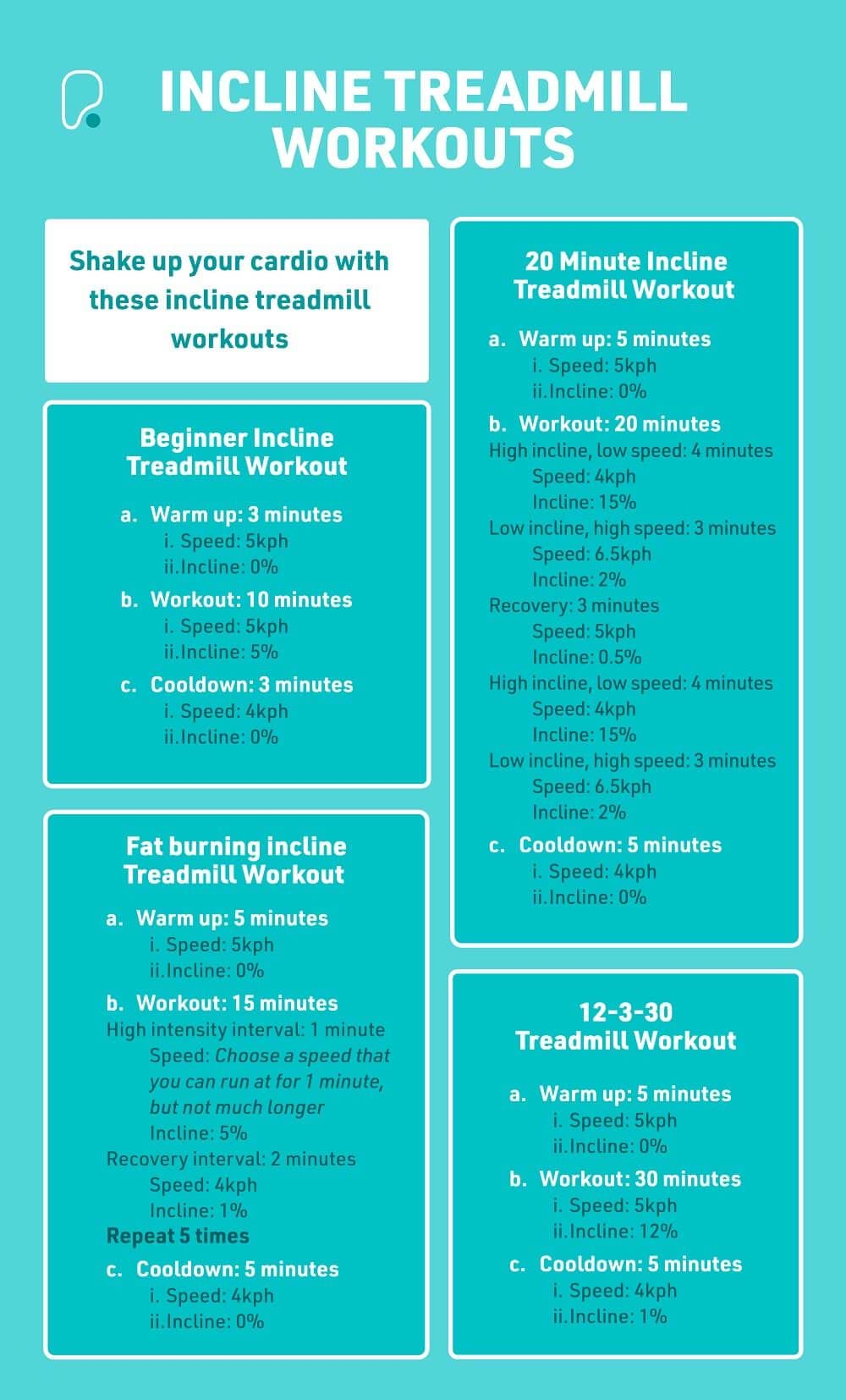
You can also use short intervals:
- Walk easily for five minutes.
- Walk briskly for two minutes.
- Walk easily for two minutes.
- Repeat the cycle five to eight times.
- Cool down for five minutes.
Use the Talk Test to Find the Right Pace
The talk test is a simple way to judge exercise intensity without relying only on a heart rate monitor. It is especially helpful when you are asking what speed should I walk on treadmill and do not know your fitness level.
Use these signs:
- Easy effort: You can talk and sing without much effort.
- Moderate effort: You can speak in full sentences, but singing feels difficult.
- Vigorous effort: You can say only a few words before taking a breath.
For most treadmill walking sessions, moderate effort is a strong target. It supports heart health while remaining manageable for many adults.
Your treadmill speed may change from day to day. Poor sleep, stress, heat, illness, and sore muscles can make the same speed feel harder. There is no need to force a number when your body is asking for a slower pace.
Treadmill Speed and Heart Rate
Heart rate can provide another useful clue. Moderate exercise often falls between 50% and 70% of your estimated maximum heart rate. A common estimate for maximum heart rate is 220 minus your age, although this formula can be inaccurate for some people.
For example, a 40-year-old adult may have an estimated maximum heart rate of 180 beats per minute. A moderate range could be about 90 to 126 beats per minute. This is only an estimate, not a medical diagnosis.
Medication, fitness level, illness, caffeine, and stress can affect heart rate. If you take heart medicine or have a heart condition, ask a health professional how to set safe exercise limits.
A heart rate monitor is helpful, but it is not essential. The talk test and your sense of effort often give enough information for a safe walking workout.

Should You Increase Speed or Incline?
When deciding what speed should I walk on treadmill, remember that incline also changes the workout. A 3.0 mph walk at a 5% incline may feel much harder than a 3.5 mph walk on a flat belt.
Speed increases how quickly your feet move. Incline increases the work required from your calves, glutes, and heart. Both can make walking harder, but they stress the body in different ways.
A safe progression may look like this:
- Week 1: Walk at 2.5 mph with no incline.
- Week 2: Walk at 2.7 mph with no incline.
- Week 3: Walk at 2.7 mph with a 1% incline.
- Week 4: Walk at 3.0 mph with a 1% incline.
Change one factor at a time. If you raise speed and incline together, it becomes harder to know why a workout feels too difficult.
Incline walking may also place more demand on your calves and Achilles tendon. Increase it slowly, especially if you have a history of foot, ankle, knee, or hip pain.

A Simple Treadmill Walking Plan
This 30-minute plan suits many beginners and intermediate walkers. Adjust the speed down if you cannot maintain good form.
- Walk at 2.0 mph for five minutes.
- Walk at 2.8 mph for five minutes.
- Walk at 3.2 mph for 10 minutes.
- Walk at 2.8 mph for five minutes.
- Walk at 2.0 mph for five minutes.
You can make the workout harder by adding one or two minutes to the brisk section. You can also raise the brisk speed by 0.1 mph after several comfortable sessions.
Try this plan three to five days per week. Rest or use gentle movement on days when your legs feel tired. Consistency usually matters more than chasing the highest treadmill speed.
In my experience testing walking routines, many people start too fast because the treadmill feels easy during the first few minutes. The problem often appears later, when their shoulders tense and their steps become uneven. Starting slightly slower usually leads to a stronger and more enjoyable workout.

How Long Should You Walk on a Treadmill?
The right walking time depends on your goal and current fitness. If you are inactive, even 10 minutes can be a useful start.
General time ranges include:
- Beginner: 10 to 20 minutes
- General fitness: 20 to 40 minutes
- Weight management: 30 to 60 minutes, depending on intensity
- Endurance training: 45 to 90 minutes for experienced walkers
You do not need to complete all your walking in one session. Three 10-minute walks can add up to 30 minutes. This approach can work well for people with busy schedules, joint concerns, or low energy.
Build duration gradually. Adding about five minutes every one or two weeks may be easier to manage than suddenly doubling your workout time.

Proper Treadmill Walking Form
Good form helps you walk more efficiently and may reduce unnecessary strain. Keep your body tall, with your eyes looking forward instead of down at your feet.
Use these simple cues:
- Keep your shoulders relaxed.
- Bend your elbows naturally.
- Let your arms swing at your sides.
- Land softly under your body.
- Keep your steps smooth and controlled.
- Avoid holding the front rails.
- Keep your chest open and your head level.
Holding the rails can reduce the challenge and change your walking posture. It may also cause you to lean backward, especially when using an incline.
A common mistake is taking very long steps to walk faster. Instead, use a slightly quicker step rate while keeping your stride natural. Think of your feet as moving under your body, not reaching far ahead.
Common Treadmill Walking Mistakes
Choosing what speed should I walk on treadmill is important, but how you use that speed matters just as much.
Starting too fast
A fast beginning can make the workout feel exciting, but it may leave you tired too soon. Begin with a warm-up and increase speed in small steps.
Using the rails
The rails are helpful when stepping onto the belt or changing settings. They should not support your body throughout the workout unless a health professional has advised it.
Ignoring pain
Muscle effort and mild fatigue are normal. Sharp pain, chest pressure, dizziness, unusual shortness of breath, or joint pain is not something to push through. Stop and seek medical advice when needed.
Increasing every setting at once
Do not raise speed, incline, workout time, and frequency in the same week. Your body needs time to adapt.
Comparing yourself with others
A treadmill number is not a measure of your value or fitness. Your best pace is the one that supports steady progress without harming your form or recovery.
How to Progress Safely
A useful progression rule is to improve only one or two parts of your workout at a time. You might add five minutes, increase speed by 0.1 mph, or add a small incline.
Before increasing the challenge, check these signs:
- You can finish the current workout without severe fatigue.
- Your breathing returns to normal within a few minutes.
- You have no new pain during or after exercise.
- Your walking form stays stable.
- You recover well by the next day.
If all five signs are present, make a small change. If not, repeat the same workout for another week.
This gradual approach may feel slow, but it is often faster in the long term. Small gains build a strong base, much like adding one brick at a time to a wall.
Is Treadmill Walking Different From Outdoor Walking?
Treadmill walking removes hills, wind, uneven ground, and changes in surface. Because of this, outdoor walking may feel harder at the same speed for some people.
A 1% incline is sometimes used to make treadmill walking feel more like outdoor walking, but it is not required. The best incline depends on your goal, fitness, and comfort.
Treadmill walking offers several benefits:
- A controlled pace
- A stable surface
- Easy access in bad weather
- Simple speed and incline changes
- Convenient tracking of time and distance
Outdoor walking offers different benefits, including fresh air, varied terrain, and natural changes in pace. Both are valuable. Choose the option that helps you move more often.
Who Should Use Extra Caution?
Most healthy adults can begin easy walking, but some people should get medical advice first. This includes people with chest symptoms, serious heart or lung disease, uncontrolled high blood pressure, major balance problems, or recent surgery.
Older adults and people with arthritis may benefit from a slower speed and longer warm-up. Supportive shoes and a clear area around the treadmill can also improve safety.
If you are pregnant, recovering from an injury, or managing a chronic condition, ask your health care professional how to set your pace. A personalized plan is more useful than a general treadmill speed chart.
Frequently Asked Questions About What Speed Should I Walk on Treadmill
What is a good treadmill walking speed for beginners?
A good beginner speed is usually 2.0 to 2.8 mph. Start at the lower end and increase only when you can walk comfortably without holding the rails.
Is 3 mph a good walking speed on a treadmill?
Yes, 3 mph is a moderate and practical speed for many adults. It can support general fitness, especially when you walk for 20 to 40 minutes.
What speed should I walk on treadmill to lose weight?
Many people use 3.0 to 4.0 mph for weight-focused walking. The most important factors are workout duration, regular exercise, and a balanced eating pattern.
Should I walk at a higher speed or use an incline?
Both options can increase effort. Raise only one at a time, and choose the option that lets you keep good posture and steady breathing.
How long should I walk on a treadmill each day?
Start with 10 to 20 minutes if you are new to exercise. Over time, many adults can work toward 30 minutes or more on most days, based on their goals and health.
Is walking at 4 mph considered fast?
For many people, 4 mph is a brisk or very brisk walking pace. Some walkers may approach a light jog at this speed, while trained walkers may find it comfortable.
Conclusion
The answer to what speed should I walk on treadmill is personal, but 2.5 to 4.0 mph is a useful range for many adults. Start slowly, use the talk test, protect your posture, and increase speed or incline in small steps.
A steady 20 to 30-minute walk can be more valuable than an exhausting workout you cannot repeat. Choose a pace that feels challenging but controlled, then build from there. Try your next treadmill session today, track how you feel, and share your progress or questions in the comments.

Brandon Knoxley is a sport & fitness writer and training guide contributor at MySportFitHub. He focuses on practical workouts, performance-based training, and honest fitness gear insights designed for real people and real results. Brandon is passionate about helping beginners and active individuals train smarter, avoid common mistakes, and build sustainable fitness habits.