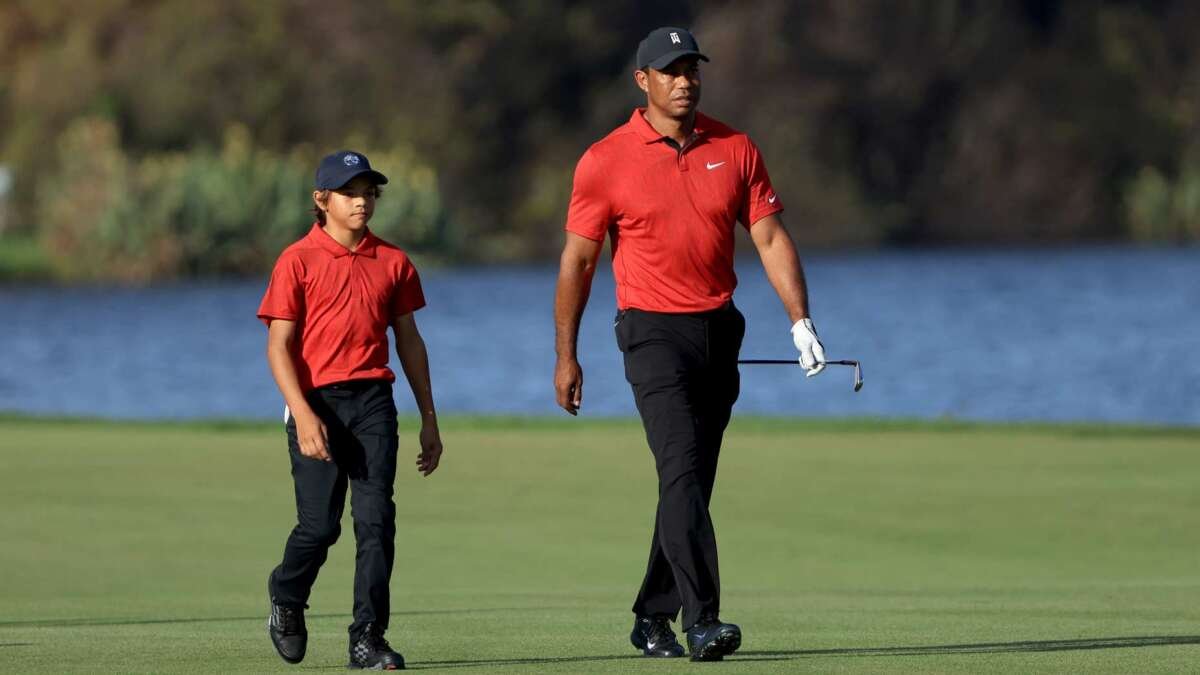
Is Tiger Woods Playing Golf: Current Status & News
Yes, Tiger Woods is still playing golf, but injuries have limited his schedule and competitive appearances.
The answer to “is Tiger Woods playing golf” depends on what you mean by playing. Woods remains active in golf, but he no longer follows the full PGA Tour schedule he once dominated. His return has been shaped by serious leg injuries, back problems, surgery, and the physical demands of elite competition. This guide explains his current role, recent appearances, injury limits, and what fans can reasonably expect next.
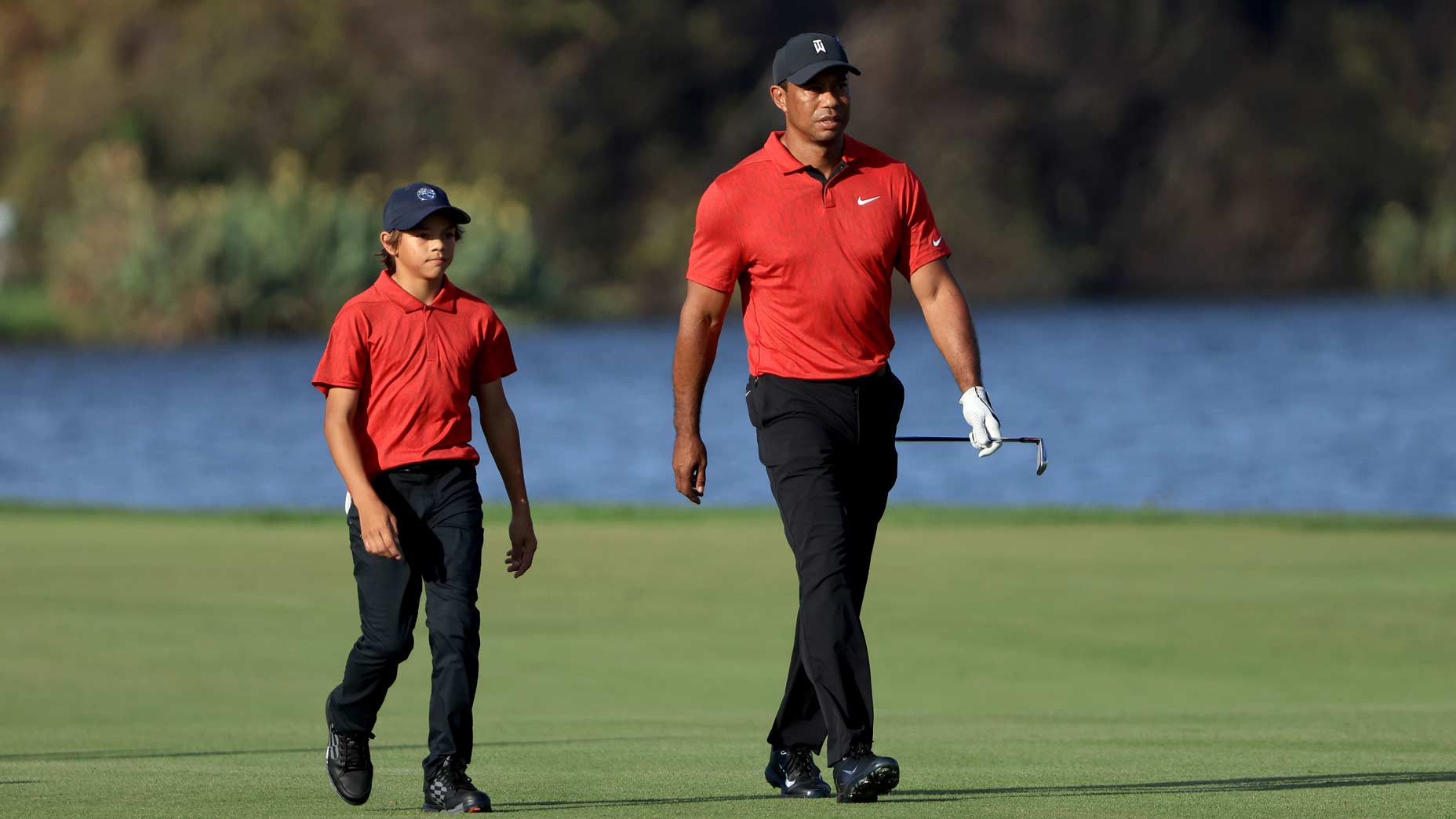
Is Tiger Woods playing golf right now?
Yes, Tiger Woods is still playing golf in some form. However, his appearances are selective, and he is not competing week after week like he did during the peak of his career.
Woods has continued to practice, play limited tournaments, and take part in golf events when his health allows. His main challenge is not his knowledge of the game or his ability to strike the ball. The larger issue is whether his body can handle four competitive rounds, long walks, travel, and the pressure of a professional tournament.
The key point is simple:
• Tiger Woods has not announced a permanent retirement from golf.
• He still aims to compete when he believes his body can handle it.
• His tournament schedule depends heavily on pain, recovery, and medical advice.
• He is more likely to play selected major events than a full season.
So, if you are asking, “Is Tiger Woods playing golf?” the most accurate answer is yes, but on a limited and carefully managed basis.
Why Tiger Woods no longer plays a full schedule
Woods’ playing career changed after a serious car accident in February 2021. The crash caused major injuries to his right leg, including damage to his ankle and foot. Doctors performed multiple procedures, and his recovery became a long process rather than a quick comeback.
Before the accident, Woods had already dealt with several back surgeries. He returned to win the 2019 Masters after spinal fusion surgery, which was one of the most remarkable comebacks in modern sports. The later leg injuries created a different problem because golf requires repeated walking, twisting, balance, and weight transfer.
A professional tournament is not the same as hitting balls on a practice range. During a four day event, a golfer may walk more than 20 miles. The body must also deal with uneven ground, heat, travel, poor sleep, and the stress of every shot.
For Woods, a limited schedule helps reduce those demands. It also allows him to focus on recovery between events instead of rushing back and risking another setback.
Tiger Woods’ recent golf status
Tiger Woods has remained connected to competitive golf through selected appearances and major championship starts. His return after the 2021 accident showed that he could still compete at the highest level, even when he was not physically able to play every week.
He made an emotional return at the 2022 Masters Tournament. Woods completed all four rounds, a major achievement given the condition of his leg. He also competed in other major championships that year, including the PGA Championship and The Open Championship.
In 2023, Woods played limited events before another ankle procedure. He returned to competition later that year at the Hero World Challenge and also played in the PNC Championship with his son, Charlie Woods.
His appearances at events such as the PNC Championship are important because they show that he can still swing a club and compete in the right setting. These events often use carts or create less physical strain than a standard PGA Tour tournament.
Still, playing in a family event is not proof that Woods can manage a complete PGA Tour season. It is better viewed as one part of his broader golf life.

Is Tiger Woods playing in major championships?
Tiger Woods has traditionally focused on the four major championships:
• The Masters Tournament
• The PGA Championship
• The U.S. Open
• The Open Championship
Majors matter more to Woods than ordinary events for several reasons. He has a special history in them, including 15 major championship victories and five Masters titles. They also give him a chance to compete at the highest level without committing to a full tournament schedule.
That does not mean he can always play every major. A major championship still requires four days of walking, practice rounds, travel, and recovery. Woods may enter an event but later withdraw if his body does not respond well.
His status for any specific major should be checked through official tournament announcements, PGA Tour updates, and Woods’ own team. Golf schedules can change quickly, especially when a player is recovering from surgery or a serious injury.
What injuries have affected Tiger Woods?
Tiger Woods has dealt with several major injuries throughout his career. These problems have affected his back, knees, Achilles tendon, ankle, foot, and leg.
Important health challenges include:
• Multiple back surgeries, including spinal fusion surgery
• Knee problems that required surgery
• Serious right leg injuries from the 2021 car accident
• An ankle fusion procedure
• Ongoing pain and mobility limits
• Recovery periods that made walking difficult
An ankle fusion can reduce movement in the joint. That may help control pain, but it can also change how a person walks and rotates. In golf, that matters because the swing depends on a stable base and a smooth transfer of force from the feet through the hips and torso.
Woods has described the recovery process as extremely difficult. His ability to play at all is a sign of major physical and mental resilience, but resilience does not erase medical limits.
Can Tiger Woods still play at a high level?
Yes, Tiger Woods can still produce high level golf in short bursts. His swing knowledge, course management, touch around the greens, and experience remain exceptional.
The harder question is whether he can maintain that level for four rounds. A golfer may hit brilliant shots on the range but struggle after walking 18 holes. Fatigue can affect balance, club speed, decision making, and putting concentration.
Woods’ competitive edge has always come from more than power. He reads courses well, controls his emotions, and understands risk. Those skills can remain strong even when physical ability declines.
However, professional golf is unforgiving. The modern game is fast, powerful, and deep. Younger players often drive the ball farther and recover faster. Woods must balance his experience against the physical cost of competing.
A useful way to view his situation is this: his golf mind is still championship quality, but his body places limits on how often he can use it.
What does Tiger Woods do when he is not playing?
Woods remains deeply involved in golf outside tournament competition. His work includes course design, business projects, player development, and golf administration.
He has worked through TGR Design, which creates golf courses in different parts of the world. Course design allows him to use his knowledge of strategy, terrain, shot values, and player experience without the physical demands of tournament golf.
Woods has also been involved in golf-related business and equipment projects. His influence extends beyond his own scorecard because he helped shape modern interest in the sport.
He also spends time with his children and has supported Charlie Woods as he develops as a young golfer. Their appearances at the PNC Championship have attracted attention because they show a more personal side of Woods away from the intense pressure of major competition.
This broader role matters. A golfer’s career does not end simply because the player stops entering every event. Woods remains an important voice, business figure, mentor, and ambassador for golf.
How often is Tiger Woods likely to play?
There is no fixed number of tournaments that Tiger Woods can safely play each year. His schedule depends on several factors:
• His recovery from recent procedures
• The amount of pain he experiences while walking
• Practice results before an event
• The length and terrain of the golf course
• Weather conditions
• Travel demands
• The importance of the tournament
Woods has indicated that he wants to play major championships when physically possible. He may also choose events connected to his business interests or tournaments where the physical demands are more manageable.
Fans should avoid expecting a return to the schedule Woods maintained in the 1990s and 2000s. That period included frequent PGA Tour starts, intense practice, and long stretches of consistent form.
Today, each start is more carefully planned. A small number of appearances may represent a successful season for him.

How to check whether Tiger Woods is playing in a tournament
Tournament fields can change because of injury, illness, or personal decisions. If you want to know whether Tiger Woods is playing in a specific event, use reliable sources rather than social media rumors.
Check these details:
-
Look at the official tournament field.
-
Review the PGA Tour entry list.
-
Check the tournament tee times after the draw is released.
-
Look for a statement from Woods’ representatives.
-
Confirm any withdrawal through the official event website.
A player can be listed in a field and still withdraw before the first round. A tee time is usually a stronger sign that the player intends to compete, but even that is not a guarantee until the golfer begins the event.
This is especially important with Woods because his health status can change close to tournament week.
What can golfers learn from Tiger Woods’ comeback?
Tiger Woods’ return offers lessons that apply well beyond professional golf. His career shows that recovery is rarely a straight line. Progress can include good days, bad days, setbacks, and long periods of patience.
Here are practical lessons recreational golfers can use:
• Respect the body. Pain is not always something to push through.
• Build slowly. A return should begin with short sessions and controlled practice.
• Focus on quality. Ten focused swings can be more useful than 100 tired swings.
• Improve course management. Smart decisions can reduce the need for difficult recovery shots.
• Stay flexible. A changing body may require a changing swing.
• Set realistic goals. Completing a round can be a meaningful success during recovery.
One mistake golfers often make is comparing their current game with their best past performance. Woods has faced that problem on the largest stage. The better approach is to measure progress against current ability, not an old version of yourself.
I cannot claim firsthand experience playing alongside Woods or managing his medical recovery. The practical insight here comes from public tournament records, injury reports, golf performance principles, and the patterns shown throughout his comeback. That distinction matters when discussing a changing health situation.
Will Tiger Woods retire from professional golf?
Tiger Woods has not treated limited play as a clear retirement announcement. He has continued to discuss competition, major championships, and his desire to play when he is healthy enough.
At the same time, retirement in professional golf does not always happen through one dramatic announcement. A player may gradually reduce appearances, stop entering certain events, and focus more on family, business, and other golf projects.
Woods’ future will likely depend on function rather than ambition. He may want to play every major, but the final decision must consider whether his leg and ankle can withstand the demands.
For now, the most accurate view is that Woods remains a competitive golfer with a restricted schedule. He is not the weekly Tour player of his younger years, but he is also not disconnected from professional golf.
Frequently Asked Questions About Is Tiger Woods Playing Golf
Is Tiger Woods still an active professional golfer?
Yes, Tiger Woods remains active in professional golf, but he plays far fewer events than he did earlier in his career. His tournament schedule is limited by injuries, surgeries, and the physical demands of walking 18 holes.
Is Tiger Woods playing on the PGA Tour every week?
No. Woods does not play a full PGA Tour schedule every week. He generally targets selected events, major championships, and tournaments that fit his health and recovery needs.
Can Tiger Woods still play in major championships?
He can play in major championships when his health permits and when he meets the event’s eligibility requirements. Whether he enters a particular major depends on his physical condition, preparation, and ability to walk the course.
What injury keeps Tiger Woods from playing more golf?
The most serious recent limitation has been the damage to his right leg and ankle from the 2021 car accident. Earlier back surgeries and other lower body problems also affect his ability to walk, rotate, and recover between rounds.
Did Tiger Woods retire from golf?
Tiger Woods has not made a permanent retirement announcement based on the latest widely reported information. His limited schedule can look like retirement to some fans, but he has continued to pursue selected competitive appearances.
Is Tiger Woods playing golf with his son?
Woods has played in the PNC Championship with his son, Charlie. That event is different from a standard PGA Tour tournament because it is a family competition and may involve a less demanding format.
Why does Tiger Woods use a cart in some golf events?
A cart can reduce the strain caused by walking long distances on uneven ground. Using a cart in a specific event does not mean Woods cannot swing a golf club; it reflects the need to manage his leg and ankle carefully.
Where can fans find the latest Tiger Woods schedule?
Fans should check the official PGA Tour schedule, tournament entry lists, and verified statements from Woods’ representatives. These sources are more reliable than social media posts or unofficial rumors.
Conclusion
Tiger Woods is still playing golf, but his career now follows a very different path. Serious leg injuries, ankle problems, and previous back surgeries have made a full PGA Tour schedule unrealistic. Instead, Woods focuses on selected events, major championships when possible, family competitions, and his wider work in golf.
His story is not only about whether he can compete again. It is also about adapting goals, respecting recovery, and finding new ways to stay connected to the sport. Check official tournament updates before assuming he is in the field, and follow each appearance for what it truly represents: another carefully earned chance to compete.

Brandon Knoxley is a sport & fitness writer and training guide contributor at MySportFitHub. He focuses on practical workouts, performance-based training, and honest fitness gear insights designed for real people and real results. Brandon is passionate about helping beginners and active individuals train smarter, avoid common mistakes, and build sustainable fitness habits.