
Is Incline On Treadmill Bad For Knees: Knee-Safe Guide
Incline treadmill walking is usually safe for healthy knees when the grade, speed, and form increase slowly.
So, is incline on treadmill bad for knees? In most cases, no. Incline walking can build strength, raise your heart rate, and reduce impact compared with running. However, a steep grade, poor form, weak muscles, or an existing knee problem can make symptoms worse. This guide explains how incline changes knee forces, how to train safely, and when to stop.
Is incline on treadmill bad for knees?
Incline treadmill exercise is not automatically bad for your knees. The answer depends on your joint health, workout intensity, body weight, walking form, and how quickly you increase the incline.
Walking uphill often creates more work for the muscles in your hips, thighs, and calves. That extra work can help support the knee. At the same time, a steep incline may increase the load on the front of the knee, especially if you take short, hard steps or lean too far forward.
Research on walking and knee osteoarthritis suggests that moderate exercise can improve pain and function for many people. Still, no single workout suits everyone. A knee that feels good at a 3% incline may hurt at 10%.
The most useful question is not only “is incline on treadmill bad for knees?” It is also “how does my knee respond to this level of incline?”
How incline changes knee stress
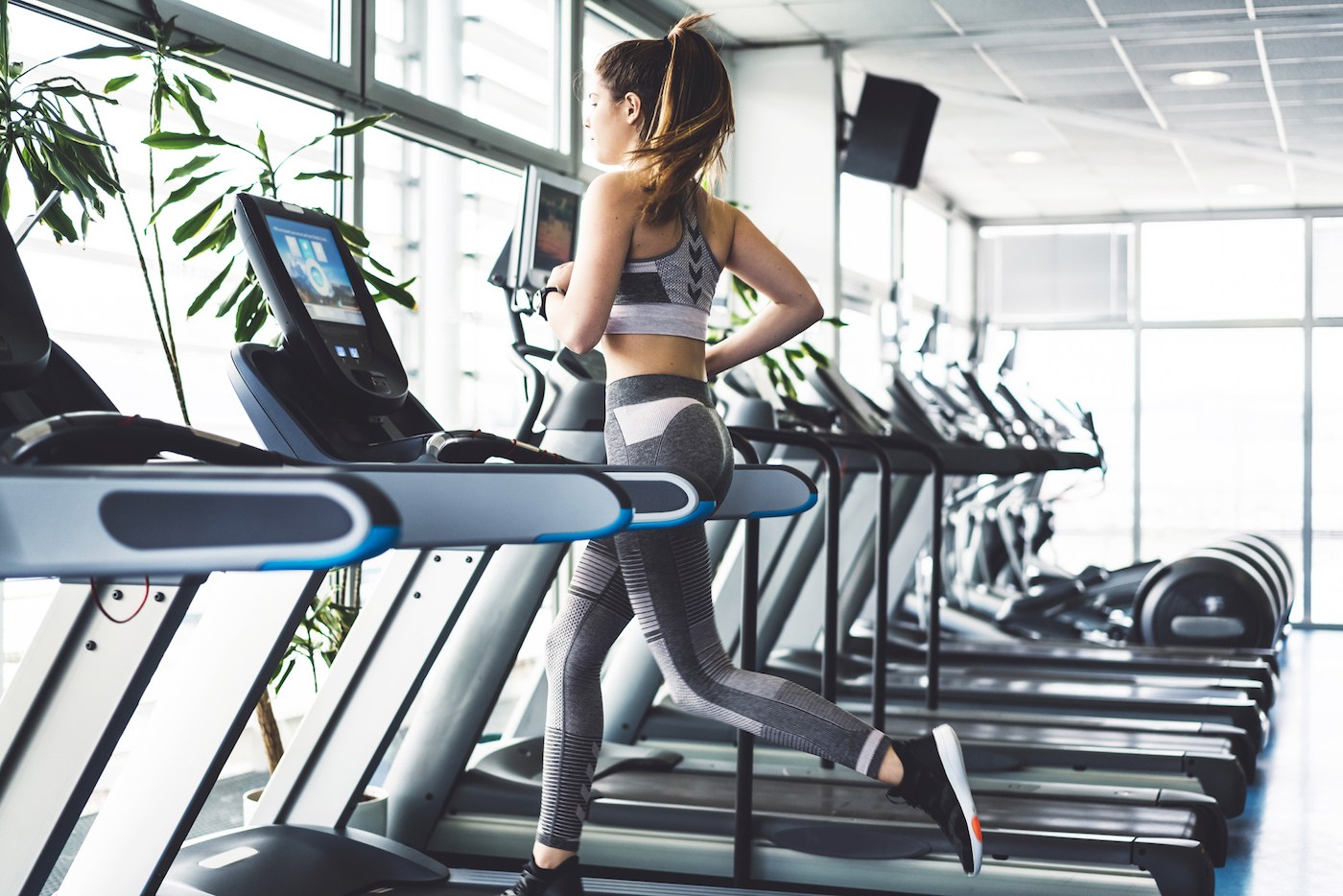
A treadmill incline changes your body position. Your ankle must bend more, and your legs must push your body upward with each step. This increases the work done by several muscles.
The main effects include:
- More work for the glutes and hamstrings
- Greater demand on the calves
- More effort from the quadriceps
- A higher heart rate at the same walking speed
- Greater pressure around the kneecap at steeper grades
This does not mean incline walking damages the knee. It means the exercise becomes more demanding. Think of it like adding weight to a backpack. A light pack may be manageable, while a heavy one can change your posture and cause pain.
The treadmill may also feel easier than outdoor hills because the belt moves under you. Yet your muscles still need to control your body and help you climb. If you hold the front bar, you may reduce some of the work while placing your body in an unnatural position.
When incline walking may help your knees
For many adults, incline walking can be a useful low-impact workout. It keeps one foot on the belt at nearly all times, unlike running, where both feet leave the ground. This usually creates less shock than jogging.
Incline walking may help by improving:
- Leg and hip strength
- Muscle endurance
- Balance and control
- Cardiovascular fitness
- Weight management
- Confidence with movement
Stronger glutes and thigh muscles may help control the knee during daily tasks. This can make stairs, shopping, and standing from a chair feel easier.
A moderate incline may also let you raise your heart rate without walking at a fast speed. That can be helpful for people who want a challenging workout but do not tolerate running well.
However, incline walking is not a treatment for every knee condition. A physical therapist can help you choose the right exercise if you have arthritis, a meniscus injury, tendon pain, or recent surgery.
When incline on treadmill may cause knee pain
Incline on treadmill may irritate your knees when the workout is too hard for your current ability. Pain often comes from a sudden increase in training stress rather than from the incline itself.
Common causes include:
- Starting with a steep grade
- Walking too fast
- Taking long strides
- Leaning heavily on the handrails
- Letting the knees move inward
- Wearing worn-out or unsupportive shoes
- Training through sharp pain
- Exercising during a knee flare-up
- Increasing speed and incline at the same time
A steep grade can also make you lean forward from your waist. This may reduce the work of your hips and place more stress on the front of the knee. Your body should angle slightly from the ankles, not fold at the waist.
Some people also develop pain because they use the same incline every day. Muscles and tendons need recovery time. Even a safe exercise can cause soreness when repeated without rest.
Is incline on treadmill bad for knee arthritis?
For many people with knee osteoarthritis, incline walking can be safe if it is comfortable and progressed slowly. Regular movement may support joint function and reduce stiffness. But symptoms vary widely.
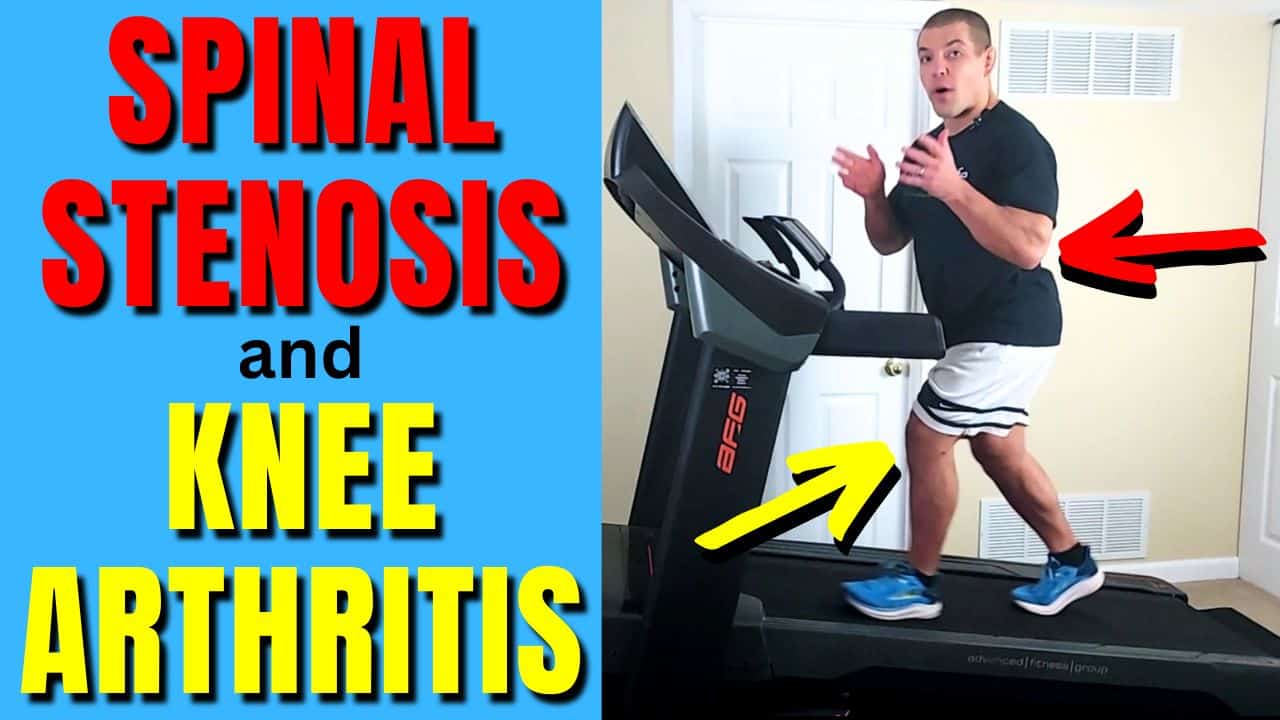
Arthritis does not mean you must avoid all hills. It does mean you should watch your response during and after exercise. Mild muscle fatigue is normal. Sharp pain, swelling, or pain that lasts into the next day is a sign to reduce the workload.
Try these adjustments:
- Start at 0% to 2% incline
- Use a slow, comfortable pace
- Walk for 10 to 15 minutes
- Increase only one factor at a time
- Use a rest day between harder sessions
- Stop if your pain changes your walking pattern
A common clinical rule is the 24-hour response. If your knee feels much worse later that day or the next morning, the session was likely too much. Reduce the incline, speed, or duration next time.

Is incline on treadmill bad for the kneecap?
Incline on treadmill can increase the demand on the muscles and tissues around the kneecap. Some people with patellofemoral pain may notice more discomfort when walking uphill, climbing stairs, or using a high incline.
Pain around the kneecap often relates to how the kneecap moves against the thigh bone. Weak hip muscles, poor movement control, training errors, and sudden increases in activity can all contribute.
If you feel pain at the front of the knee, try:
- Lowering the incline
- Slowing the belt
- Taking shorter steps
- Keeping the knee aligned with the second toe
- Avoiding deep knee bends
- Strengthening the hips and thighs
- Taking a recovery day
Do not assume that more pain means more progress. A productive workout challenges your muscles without causing worsening joint symptoms.
Safe incline treadmill settings for beginners
There is no perfect incline for everyone. A safe starting point is one that lets you walk with smooth steps and no sharp pain.
A simple progression may look like this:
- Walk at 0% to 2% incline for 10 to 20 minutes.
- Keep the pace easy enough to speak in short sentences.
- Repeat the same setting for two or three sessions.
- Add one or two minutes before adding more incline.
- Increase the grade by about 1% when your knees remain comfortable.
- Return to the previous setting if pain or swelling develops.
Many beginners do well with a 3% to 5% incline. Higher settings can be useful, but they are not required for a good workout. A 10% incline may be too demanding for someone with knee pain, weak muscles, or little walking experience.
Avoid increasing incline, speed, and workout time during the same week. Changing one variable at a time makes it easier to understand what your knees tolerate.
Proper form for incline treadmill walking
Good form helps spread the workload across your hips, thighs, ankles, and feet. It also reduces the urge to use the handrails.
Use these tips:
- Keep your eyes forward.
- Relax your shoulders.
- Keep your chest lifted.
- Lean slightly from the ankles.
- Take short, natural steps.
- Keep your knees soft.
- Aim your kneecaps toward your toes.
- Swing your arms gently.
- Avoid gripping the rails.
- Keep your foot landing quiet and controlled.
Holding the rails is a common mistake. It may make a steep incline feel easier, but it changes your posture and can reduce the training effect. If you need the rails for balance, lower the incline and speed.
Your feet should land under or slightly in front of your body. Overstriding can act like a brake and increase stress through the leg. A shorter step is often more comfortable on an incline.
Warm-up and recovery tips
A warm-up prepares your muscles and joints for the change in workload. It does not need to be long.
Try this routine:
- Walk at 0% incline for five minutes.
- Move your ankles through a comfortable range.
- Perform a few slow sit-to-stands.
- Add the incline gradually.
- Finish with five easy minutes at a flat setting.
After the workout, easy walking can help your breathing and heart rate return to normal. Gentle stretching may feel good, but you do not need to force a stretch.
Recovery also includes sleep, rest days, and sensible training volume. If your knees feel tired after incline walking, choose flat walking or light cycling the next day.
One practical lesson seen in many training programs is that people often focus on the workout but ignore the next 24 hours. Your delayed response matters. A session that feels fine at the time may still be too demanding if it causes swelling later.
Exercises that support safer incline walking
Incline walking works best when paired with strength and mobility exercises. Strong muscles can help control the knee during each step.
Useful exercises may include:
- Sit-to-stands from a chair
- Glute bridges
- Side-lying leg raises
- Step-ups on a low platform
- Calf raises
- Hamstring curls
- Wall sits with a shallow bend
- Gentle hip mobility drills
Start with one or two sets of 8 to 12 controlled repetitions. Stop if an exercise causes sharp pain or makes your knee swell.
You do not need to perform every exercise. Choose a few that feel comfortable and practice them two or three times per week. A physical therapist can adjust the movements if you have arthritis, a past injury, or surgery.
Incline walking versus running for knee health
Incline walking usually creates less impact than running because one foot stays on the belt. It can still provide a strong cardiovascular workout, especially at a moderate or high grade.
Running is not automatically harmful to healthy knees. However, it places greater demands on the body and may not be suitable during a painful flare-up. Incline walking can be a useful middle option for people who want more intensity without jogging.
The best choice depends on your goals and symptoms. Flat walking may be better during a knee flare. Incline walking may be useful when you want to build strength. Cycling, swimming, and elliptical training can also provide low-impact options.
The key is variety. Repeating one stressful movement every day may be less helpful than rotating between several comfortable activities.
Warning signs to take seriously
Stop incline treadmill exercise and seek medical advice if you notice:
- Sudden or severe knee pain
- A knee that gives way
- A locked knee
- New or major swelling
- Redness or unusual warmth
- Numbness or weakness
- Pain after a fall or twist
- Inability to put weight on the leg
- Symptoms that keep getting worse
Mild muscle soreness can occur after a new workout. Joint pain that changes your stride deserves more attention. Do not try to push through a sharp or unstable feeling.
If you have had knee surgery or an injury, follow the plan from your surgeon or physical therapist. General treadmill advice cannot replace an individual assessment.
A simple incline treadmill plan
This sample plan is for adults without serious knee symptoms. Adjust it based on your fitness level and medical advice.
Week 1
- Walk for 15 minutes.
- Use 0% to 2% incline.
- Keep the pace easy.
- Train two or three days.
Week 2
- Walk for 18 to 20 minutes.
- Use 2% to 3% incline for short periods.
- Return to 0% incline if your form changes.
Week 3
- Walk for 20 to 25 minutes.
- Use 3% to 5% incline in one to three minute blocks.
- Add flat walking between incline blocks.
Week 4
- Walk for 25 to 30 minutes.
- Repeat the incline that felt comfortable.
- Increase only if your knees feel normal during and after exercise.
This gradual plan answers the concern “is incline on treadmill bad for knees?” in a practical way. The incline is not the only factor. Dose, form, recovery, and symptoms all matter.

Frequently Asked Questions About Is Incline on Treadmill Bad for Knees
Is incline on treadmill bad for knees if I have no pain?
Usually, incline treadmill walking is safe for people with healthy knees when the intensity increases gradually. Use good form, avoid sudden jumps in grade, and stop if pain changes your stride.
What is the best treadmill incline for knee pain?
There is no universal best setting. Start at 0% to 2%, use a comfortable speed, and increase only when your knee remains calm during the workout and the next day.
Can incline treadmill walking strengthen the knees?
It can strengthen the muscles that support knee movement, including the glutes, quadriceps, hamstrings, and calves. The knee joint itself is not a muscle, so the goal is to improve support and control around it.
Should I use the handrails on an incline treadmill?
Use the handrails only for balance or safety. Leaning heavily on them can change your posture and reduce the natural work of your legs.
Is incline on treadmill bad for knee arthritis?
It may be safe for some people with arthritis, but a steep grade can increase symptoms. Start low, monitor your 24-hour response, and ask a health professional for guidance during a flare-up.
How often should I do incline treadmill workouts?
Two or three sessions per week is a reasonable starting point for many people. Leave time for recovery and use flat walking or another low-impact activity on other days.
Should I stop incline walking if my knees are sore afterward?
If soreness is mild and fades quickly, reduce the workout slightly and monitor it. Stop and seek advice if you have swelling, sharp pain, instability, or symptoms that continue to worsen.
Conclusion
So, is incline on treadmill bad for knees? Not usually. Incline walking can improve fitness and strengthen the muscles around the knee, but a steep grade, poor form, or sudden training increase may trigger pain.
Start with a low incline, take short and steady steps, avoid leaning on the rails, and judge the workout by how your knee feels later that day and the next morning. If you have ongoing pain, swelling, or a known knee condition, get individual advice from a physical therapist or physician.
Choose a setting you can control, build up slowly, and keep your workouts consistent. If this guide helped, explore more evidence-based fitness resources or share your own treadmill experience in the comments.

Brandon Knoxley is a sport & fitness writer and training guide contributor at MySportFitHub. He focuses on practical workouts, performance-based training, and honest fitness gear insights designed for real people and real results. Brandon is passionate about helping beginners and active individuals train smarter, avoid common mistakes, and build sustainable fitness habits.


