How to Improve Performance in Chosen Sport: Proven Winning Tips
Are you ready to take your game to the next level? Whether you play soccer, tennis, basketball, or any other sport, improving your performance can make all the difference.
Imagine feeling stronger, faster, and more confident every time you step onto the field or court. You’ll discover simple, proven ways to boost your skills and get the results you want. Keep reading, because what you learn here could transform your game and help you reach your full potential.
Set Clear Goals
Setting clear goals is key to improving your performance in any sport. Goals give you direction and keep you motivated. Without clear goals, training can feel aimless and progress slow.
Clear goals help you focus on what matters most. They break down your big dream into smaller steps. This makes improvement easier and more manageable.
Short-term Targets
Short-term targets are small goals you can reach quickly. They keep you motivated and show progress. Examples include improving your sprint time by a second or mastering a new technique.
Set targets that are specific and realistic. This helps you stay focused during each practice. Celebrate each small win to stay positive and driven.
Long-term Vision
Your long-term vision is the big goal you aim for. It might be winning a tournament or reaching a certain skill level. This vision guides all your short-term targets.
Keep your long-term goal clear in your mind. It helps you stay committed during tough times. Visualize success often to boost your confidence and focus.
Tracking Progress
Tracking progress shows how far you have come. Use a journal, app, or video to record your training and results. This helps spot strengths and areas that need work.
Regularly review your progress to adjust goals. Tracking keeps you accountable and motivated. It turns your training into a clear path to success.

Credit: www.amazon.com
Optimize Training Routine
Optimizing your training routine is key to boosting your sport performance. It means organizing your workouts smartly and focusing on important areas. A good routine helps your body and skills improve steadily. It also lowers the chance of injury and keeps you motivated.
Balanced Workouts
Include exercises for strength, speed, and endurance. A mix helps your body handle all sport demands. Avoid doing only one type of exercise. Train different muscle groups to stay strong and flexible. Balance also means not overdoing any workout. This keeps your energy steady and improves overall fitness.
Skill Drills
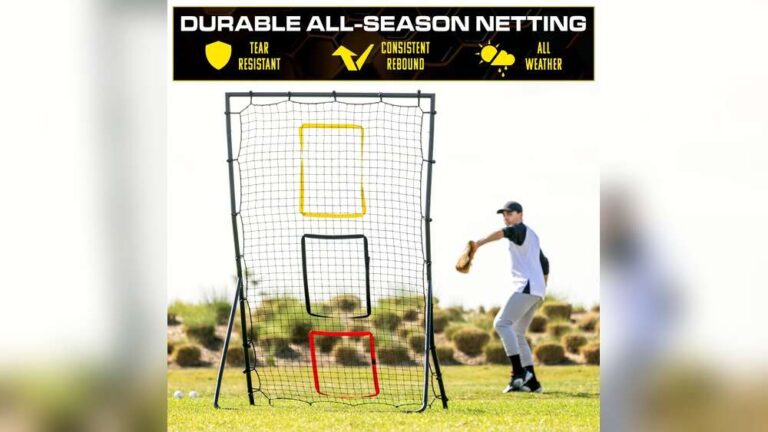
Practice specific moves from your sport every session. Repetition builds muscle memory and sharpens technique. Break skills into small steps and repeat them slowly. Gradually increase speed as you get better. Use drills that challenge your weak spots. This focus helps you perform skills naturally during games.
Rest And Recovery
Rest days are as important as workout days. Your muscles need time to heal and grow stronger. Sleep well to support recovery and focus. Light activities like stretching or walking help blood flow. Avoid training the same muscle groups two days in a row. Proper rest prevents burnout and keeps you ready for training.
Enhance Nutrition
Nutrition plays a key role in sports performance. Eating the right foods helps your body work better and recover faster. Proper nutrition gives you energy, strength, and focus. Small changes in diet can lead to big improvements in how you play and feel.
Focus on what you eat before, during, and after your sport. Balance carbs, proteins, and fats for steady energy. Drink enough fluids to stay hydrated. Some supplements and vitamins can also support your training. Understanding these basics helps you perform at your best.
Pre-game Meals
Eat a meal 2 to 3 hours before playing. Choose foods high in carbohydrates and moderate in protein. Examples include pasta, rice, chicken, or yogurt. Avoid heavy, greasy, or spicy foods. These can cause stomach discomfort and slow you down. A small snack 30 minutes before can add extra energy. Try a banana or a granola bar.
Hydration Strategies
Drink water regularly throughout the day. Start hydrating early, not just during the sport. Aim for 16 to 20 ounces two hours before exercise. Sip water during breaks to replace lost fluids. Avoid sugary drinks and caffeine before playing. They can cause dehydration. After activity, drink more fluids to recover quickly.
Supplements And Vitamins
Supplements may help fill nutrition gaps. Common ones include vitamin D, iron, and omega-3 fatty acids. Consult a doctor before starting any supplement. Choose reliable brands with clear labels. Do not rely only on supplements for nutrition. A balanced diet is the best way to get nutrients. Supplements support but do not replace good food choices.
Mental Conditioning
Mental conditioning plays a key role in sports performance. It helps athletes stay calm and focused under pressure. Strong mental skills lead to better decisions and faster reactions. Training the mind can improve confidence and reduce mistakes. Mental conditioning is as important as physical training for any sport.
Focus Techniques
Focus techniques help athletes concentrate on the task. Simple methods like deep breathing improve attention. Breaking tasks into small steps keeps the mind clear. Use cues or keywords to stay on track. Practice focusing during training to build mental strength.
Stress Management
Stress can harm performance by causing tension and errors. Learning to manage stress keeps athletes calm and relaxed. Techniques such as meditation and controlled breathing reduce anxiety. Staying positive helps face challenges with confidence. Regular practice of stress control enhances overall performance.
Visualization Practices
Visualization means imagining success and good performance. Athletes picture themselves executing skills perfectly. This mental rehearsal prepares the brain for real action. It builds confidence and reduces fear before events. Practice visualization daily to strengthen mental readiness.
Use Technology And Tools
Technology plays a big role in improving sports performance. It helps track progress, analyze techniques, and guide training. Using the right tools can make practice more effective and help athletes reach their goals faster.
Performance Tracking Apps
Performance tracking apps record data such as speed, distance, and heart rate. They give clear feedback on your workouts and progress. Many apps offer personalized plans and tips to improve. Using these apps regularly helps spot strengths and weaknesses.
Wearable Devices
Wearable devices like smartwatches and fitness bands measure vital signs and movement. They track steps, calories burned, and sleep quality. Athletes can monitor their condition and avoid overtraining. These devices provide real-time data during training and games.
Video Analysis
Video analysis lets athletes see their form and technique clearly. Recording and reviewing footage helps identify errors and areas to improve. Coaches can give precise feedback based on the videos. This tool enhances skill development and strategy planning.
Credit: puresportsmed.com
Seek Expert Guidance
Seeking expert guidance is a smart step to improve your sport skills. Experts see what you miss. They guide you with clear advice. This helps avoid bad habits and boosts progress.
Experts also provide motivation and structure. They set goals that fit your level. Their feedback helps you train smarter, not just harder. Below are ways to find expert help.
Coaching Benefits
Coaches bring experience and knowledge to your training. They create plans tailored for your needs. Coaches correct your form and technique quickly. They spot mistakes that slow your progress.
Regular coaching sessions build discipline and focus. Coaches push you to reach new levels safely. They teach mental skills like confidence and focus. Coaching keeps your practice effective and fun.
Peer Feedback
Peers offer valuable insight from a similar skill level. They notice small details you might overlook. Sharing tips helps both players improve faster. Friendly competition with peers drives effort and growth.
Peer feedback feels less formal but still helpful. It builds a support network and teamwork skills. Listening to others’ views expands your understanding. Practice with peers keeps you motivated and engaged.
Professional Clinics
Clinics provide focused training led by top experts. They cover advanced techniques and strategies. Clinics expose you to new ideas and drills. They offer intense learning in a short time.
Attending clinics connects you with other serious athletes. You learn from varied experiences and backgrounds. Clinics often include video analysis and hands-on help. This boosts your skills beyond regular practice.
Develop Consistency
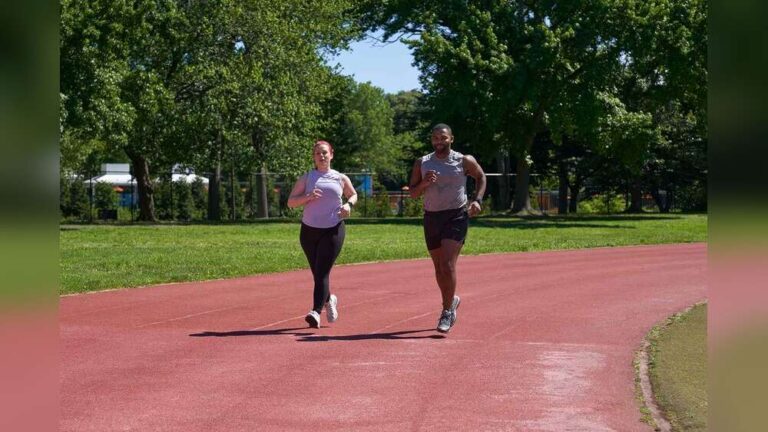
Consistency is key to improving performance in any sport. Practicing regularly builds skill and confidence. Small, steady efforts bring better results than rare, intense sessions.
Building habits helps maintain focus and progress. Staying consistent makes improvement feel natural over time. This section explains how to develop consistency through daily habits, motivation, and overcoming plateaus.
Daily Habits
Set a fixed time for practice each day. Short sessions daily work better than long, rare ones. Warm up properly to avoid injury and prepare your body. Track your progress to see small improvements clearly. Rest and nutrition are part of daily habits too.
Motivation Maintenance
Find reasons that drive you to play your sport. Visualize your goals to keep your mind focused. Celebrate small wins to boost your confidence. Surround yourself with supportive teammates or friends. Change your routine occasionally to keep things fresh.
Overcoming Plateaus
Plateaus are normal and happen to everyone. Try new drills or techniques to challenge yourself. Ask a coach or expert for feedback and advice. Take short breaks if you feel tired or stuck. Keep your mindset positive and patient during slow progress.
Improve Recovery Techniques
Improving recovery techniques is key to better performance in any sport. Recovery helps your body heal and get ready for the next challenge. It reduces injury risk and keeps you feeling strong. Good recovery lets you train harder and perform better.
Focusing on proper recovery methods speeds up muscle repair and lowers fatigue. Simple actions after training make a big difference. Rest and care are as important as practice and drills.
Sleep Importance
Sleep is the best recovery tool. It helps muscles grow and repair. Lack of sleep slows healing and lowers energy. Aim for 7 to 9 hours every night. Good sleep improves focus and reaction time. A regular sleep schedule boosts your overall performance.
Stretching And Mobility
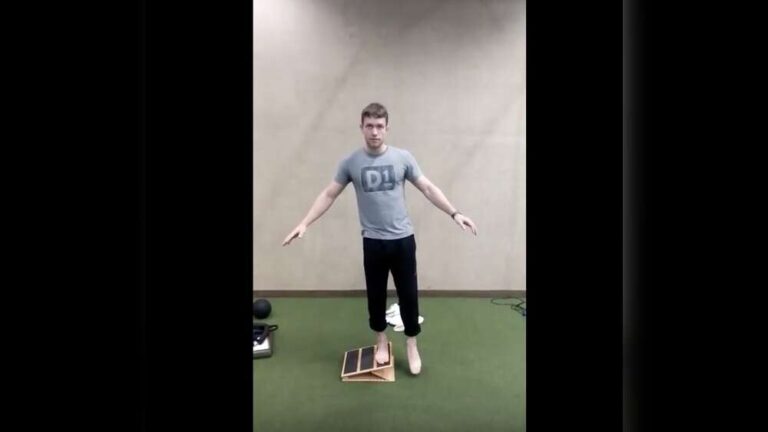
Stretching keeps muscles flexible and reduces stiffness. It helps prevent injuries and improves movement. Gentle stretching after exercise aids blood flow. Mobility exercises increase joint range and control. Doing these regularly supports faster recovery and better performance.
Massage And Therapy
Massage relaxes tight muscles and eases soreness. It improves circulation and speeds up healing. Therapy methods like foam rolling break down muscle knots. These techniques reduce pain and improve flexibility. Regular massage and therapy help maintain peak condition.

Credit: marketplace.trainheroic.com
Frequently Asked Questions
How Can I Improve My Endurance For My Sport?
Improving endurance requires consistent cardiovascular training like running or cycling. Gradually increase workout intensity and duration. Proper nutrition and hydration also support endurance. Rest and recovery are essential to avoid burnout and injuries.
What Role Does Nutrition Play In Sports Performance?
Nutrition fuels your body and aids recovery. A balanced diet with carbs, protein, and healthy fats boosts energy. Hydration improves focus and stamina. Eating before and after exercise optimizes performance and muscle repair.
How Important Is Mental Training For Sports Success?
Mental training enhances focus, confidence, and stress management. Techniques like visualization and mindfulness improve concentration. A strong mindset helps overcome challenges and maintain motivation during competition.
What Are Effective Ways To Prevent Sports Injuries?
Warm-up and cool-down exercises prepare muscles and reduce injury risk. Use proper technique and equipment. Strength training and flexibility exercises improve joint stability. Listen to your body and rest when needed.
Conclusion
Improving your sport performance takes time and effort. Practice regularly and focus on your weaknesses. Eat healthy and get enough rest each day. Stay positive and believe in your progress. Use the tips shared to guide your training. Keep learning from coaches and teammates too.
Small steps lead to big results. Enjoy the journey and keep pushing forward. Success grows with patience and hard work. Your best performance is always ahead.

Brandon Knoxley is a sport & fitness writer and training guide contributor at MySportFitHub. He focuses on practical workouts, performance-based training, and honest fitness gear insights designed for real people and real results. Brandon is passionate about helping beginners and active individuals train smarter, avoid common mistakes, and build sustainable fitness habits.