How to Train Reaction Time for Sports: Boost Speed & Agility Fast
Your reaction time can be the difference between winning and losing in sports. Imagine being the first to catch that fast-moving ball or quickly dodging an opponent’s move.
Improving how fast you respond will give you a real edge. But how do you train your brain and body to react quicker? You’ll discover simple and effective techniques to sharpen your reaction time. Get ready to boost your game and leave your competition behind.
Keep reading to unlock the secrets that top athletes use every day.
Importance Of Reaction Time In Sports
Reaction time is a key skill in sports. It helps athletes respond quickly to changing situations. Faster reactions can mean the difference between winning and losing. Improving reaction time boosts overall performance and safety.
Good reaction time allows athletes to make split-second decisions. It helps avoid injuries by reacting fast to unexpected moves. Training this skill is important for all sports players.
Impact On Performance
Quick reaction time improves an athlete’s ability to respond. It helps catch fast balls or dodge opponents. Faster reactions increase accuracy and speed in movements. This skill supports better teamwork and strategy execution. Athletes with sharp reaction time often perform better under pressure.
Sports That Demand Quick Reactions
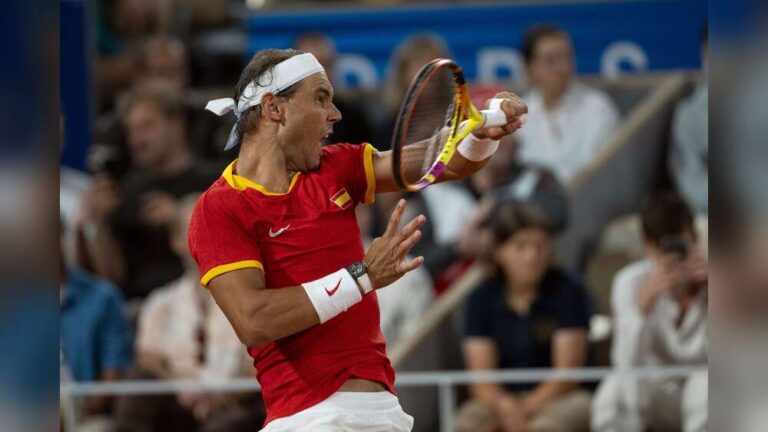
Many sports rely on fast reactions. In basketball, players must catch passes and block shots quickly. Soccer players react to fast ball passes and opponents’ moves. Tennis requires quick responses to fast serves and volleys. Martial arts depend on reacting fast to attacks. Even motorsports demand rapid reactions to control vehicles safely.

Credit: www.youtube.com
Factors Affecting Reaction Time
Reaction time is the speed at which you respond to a stimulus. Many factors affect how fast your body and brain react. Understanding these factors helps improve your reaction time in sports.
Neurological Components
Your brain and nerves control reaction time. Signals travel from your eyes or ears to your brain, then to your muscles. Faster signal transmission means quicker reactions. Age, genetics, and brain health influence this process. Training can strengthen neural pathways and improve speed.
Physical Fitness And Conditioning
Strong muscles and good fitness boost reaction time. Fatigue slows your body’s response. Regular exercise improves muscle speed and endurance. Flexibility helps move quickly without injury. Conditioning keeps your body ready to react fast.
Mental Focus And Alertness
Concentration sharpens your reaction speed. Distractions delay your response. Being alert helps you notice signals sooner. Sleep, stress, and nutrition affect mental focus. Mental training, like meditation, can improve alertness for better reactions.
Basic Reaction Time Drills
Basic reaction time drills help improve the speed of your responses. These drills train your brain and body to react faster. Faster reactions can boost your performance in many sports. Practice regularly to see steady progress.
Visual Reaction Exercises
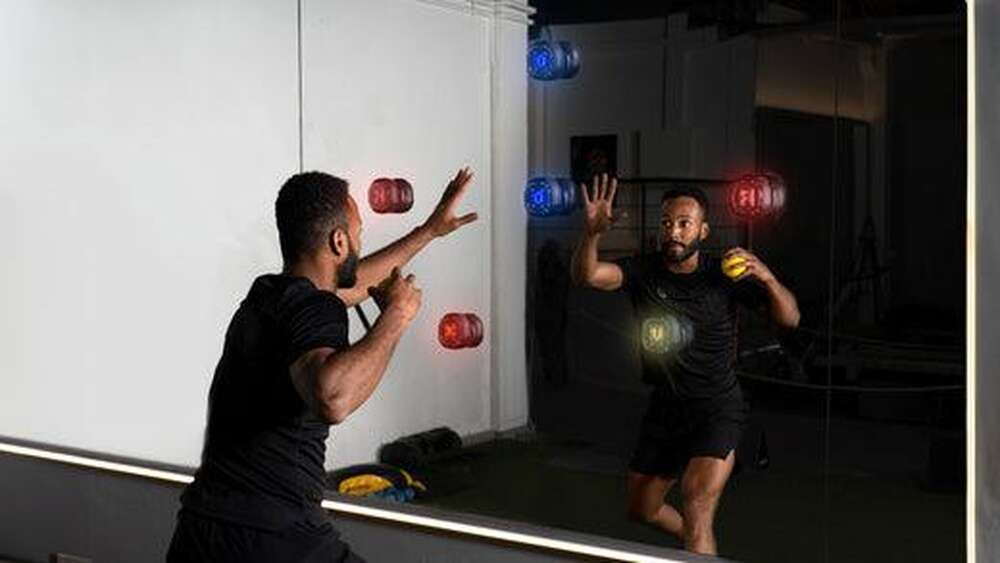
Visual exercises train your eyes and brain to work quickly. One simple drill is the light flash test. Watch for a light to turn on and tap it immediately. Another exercise uses colored cards. React by moving only when a specific color appears. These drills sharpen your focus and improve visual processing speed.
Auditory Reaction Drills
Sounds can trigger quick responses in sports. Use a beep or clap to signal action. Stand still and start moving as soon as you hear the sound. Try varying the time between sounds to increase difficulty. These drills help your brain react faster to sounds during games.
Simple Hand-eye Coordination Tasks
Hand-eye coordination is key for many sports skills. Toss a ball against a wall and catch it with one hand. Use both hands to catch different balls thrown at the same time. These exercises improve timing and coordination. Better hand-eye skills lead to faster and more precise reactions.
Advanced Training Techniques
Advanced training techniques improve reaction time by challenging your body and mind. These methods focus on speed, coordination, and quick decision-making. They push your limits and help develop sharp reflexes needed in sports.
Practicing these exercises regularly builds muscle memory. Your body reacts faster without thinking. Reaction time training also reduces injury risks by improving balance and control.
Plyometric Exercises
Plyometric exercises use fast, powerful movements. They train your muscles to react quickly. Examples include jump squats and box jumps. These exercises increase explosive power and speed. They help your body respond faster during sports actions.
Agility Ladder Drills
Agility ladder drills improve foot speed and coordination. You move your feet quickly through ladder rungs in different patterns. These drills train your brain and muscles to work together. They enhance your ability to change direction fast and stay balanced.
Ball Drop And Catch Exercises
This drill tests and improves hand-eye coordination. A partner drops a ball from shoulder height. You catch it as fast as possible. This exercise sharpens your reflexes and focus. It also builds confidence in catching and reacting quickly.
Incorporating Technology
Technology plays a big role in training reaction time for sports. It offers new ways to practice and improve quickly. These tools make training more fun and effective. Athletes can see their progress and adjust their routines. Using technology helps athletes train smarter, not just harder.
Reaction Training Apps
Reaction training apps are easy to use on phones or tablets. They offer drills to improve speed and focus. Apps provide instant feedback on your response time. You can practice anytime and track your progress. Some apps include games that challenge your reflexes and decision-making skills.
Virtual Reality And Simulation Tools
Virtual reality (VR) creates realistic sports scenarios for training. VR helps athletes practice reactions in a safe space. It trains your brain to respond faster under pressure. Simulations mimic real game situations to improve decision speed. VR tools make practice more immersive and engaging.
Wearable Sensors For Feedback
Wearable sensors measure movements and reaction speed during training. They give real-time data to help improve technique. Sensors can track hand, eye, and body coordination. This feedback helps athletes correct mistakes quickly. Wearables also motivate athletes by showing clear progress.

Credit: www.visiontherapyaustin.com
Nutrition And Recovery Tips
Nutrition and recovery play a key role in training reaction time for sports. Good food fuels the brain and body. Proper rest helps muscles and nerves work better. Both help improve focus and quick responses.
Eating the right foods and resting well keep your mind sharp. Recovery lets your body repair and grow stronger. Skipping these steps can slow your progress and make you tired.
Foods That Enhance Cognitive Function
Some foods boost brain power and reaction speed. Fish like salmon has omega-3 fats. These fats help brain cells communicate faster. Blueberries have antioxidants that protect the brain from damage. Nuts and seeds provide vitamin E, which supports memory. Dark chocolate can improve focus and mood. Drinking water is vital for brain function too.
Importance Of Sleep
Sleep is essential for quick thinking and reflexes. During sleep, your brain processes information from the day. It also clears out toxins that slow reaction time. Aim for 7 to 9 hours of sleep each night. Good sleep improves attention and decision-making. Avoid screens and caffeine before bedtime for better rest.
Active Recovery Methods
Active recovery helps your body heal without full rest. Light activities like walking or stretching improve blood flow. This delivers oxygen and nutrients to muscles and brain. Gentle yoga can reduce stress and enhance focus. Foam rolling relaxes tight muscles and nerves. These methods speed recovery and keep you ready to train again.
Tracking Progress And Staying Motivated
Tracking progress and staying motivated are key to improving reaction time in sports. You need to see how far you have come to keep pushing forward. Without tracking, it is easy to lose focus and feel stuck. Motivation grows when you notice real improvements.
Setting clear goals and measuring your reaction time helps make training more effective. Consistency is important to build and maintain faster reactions. Small steps lead to big gains over time.
Measuring Reaction Time Improvements
Use simple tools like apps or timers to measure reaction speed. Record your times regularly to track changes. Compare results week by week to see progress. Even small improvements show your training works.
Keep a training log to note your best times and feelings. This helps you understand what methods improve your reaction. Tracking results makes your efforts clear and rewarding.
Setting Realistic Goals
Set small, reachable goals for each training session. Goals should be clear and easy to understand. For example, reduce reaction time by 0.1 seconds in one week. Realistic goals keep you motivated and prevent frustration.
Break big goals into smaller parts. Celebrate when you reach each step. This builds confidence and keeps you focused on the next target.
Maintaining Consistency
Train reaction time regularly to build lasting skills. Short daily sessions work better than long, rare workouts. Consistency helps your brain and body adapt faster.
Find a routine that fits your schedule. Stick to it even on busy days. Consistent practice creates habits that improve your reaction time steadily.

Credit: www.youtube.com
Frequently Asked Questions
What Is Reaction Time In Sports Training?
Reaction time is the interval between a stimulus and your response. It’s crucial for athletes to improve speed and decision-making during competitions.
How Can Athletes Improve Reaction Time Effectively?
Athletes can improve reaction time through drills, reflex training, and agility exercises. Consistent practice enhances neural pathways and muscle response speed.
Which Exercises Boost Reaction Time For Sports?
Exercises like sprint starts, ball drops, and video game simulations enhance reaction speed. These activities train the brain and body to react faster.
How Often Should Reaction Time Be Trained?
Training reaction time 2-3 times weekly is ideal. Regular sessions help maintain and improve quick response without causing fatigue.
Conclusion
Training your reaction time takes practice and patience. Small daily exercises help improve your speed and focus. Stay consistent and track your progress over time. Faster reactions can boost your performance in many sports. Remember, clear mind and quick body work together best.
Keep training, stay motivated, and enjoy the process. Your efforts will show up during games and competitions. Reaction time is a skill anyone can develop with care.

Brandon Knoxley is a sport & fitness writer and training guide contributor at MySportFitHub. He focuses on practical workouts, performance-based training, and honest fitness gear insights designed for real people and real results. Brandon is passionate about helping beginners and active individuals train smarter, avoid common mistakes, and build sustainable fitness habits.