How to Start Competitive Sports As Adult: Ultimate Guide to Win Big
Have you ever thought about jumping into competitive sports but felt unsure where to begin as an adult? You’re not alone.
Starting something new can feel overwhelming, especially when it involves physical challenges and competition. But here’s the truth: it’s never too late to discover your athletic side and compete with confidence. You’ll find simple, practical steps to help you get started, build your skills, and enjoy the thrill of sports competition.
Ready to unlock your potential and take that first exciting step? Keep reading—you’re closer than you think.
Credit: sportssurge.alibaba.com
Choosing The Right Sport
Choosing the right sport is a key step to enjoying competitive sports as an adult. The right sport fits your interests, fitness level, and schedule. It keeps you motivated and helps you improve.
This section guides you to pick a sport that suits you well. Focus on your likes, body strength, and local options.
Assessing Your Interests
Think about sports you enjoy watching or have tried before. Pick something that excites you. Passion makes practice easier and more fun. Consider team sports or individual activities. Your choice should match your personality and social needs.
Evaluating Physical Fitness
Check your current fitness level honestly. Some sports need speed and strength. Others require endurance or flexibility. Start with a sport that matches your body’s abilities. This helps prevent injuries and keeps you active longer.
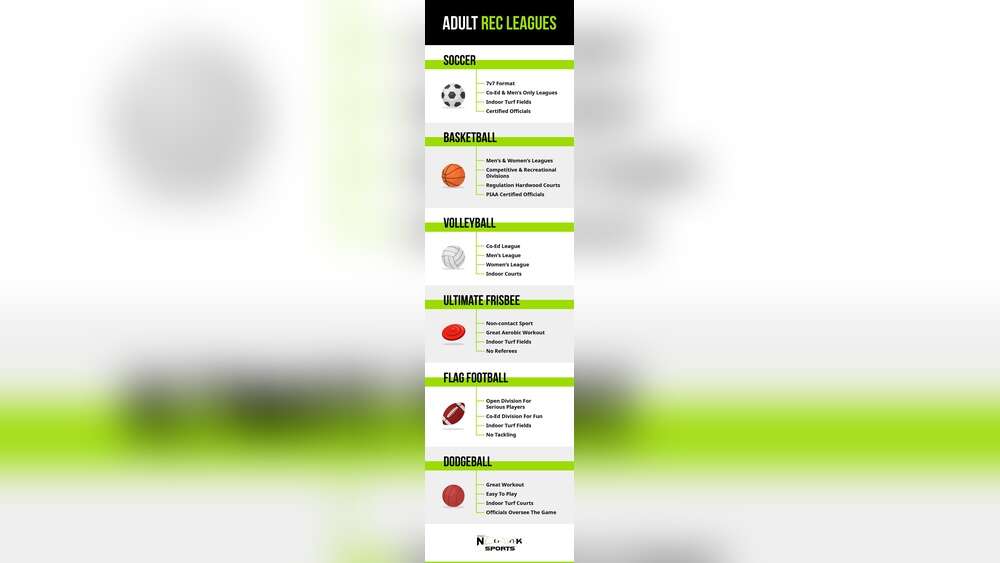
Researching Popular Adult Leagues
Search for adult sports leagues in your area. Many cities have leagues for beginners and experienced players. Choose leagues with a friendly atmosphere and good schedules. Playing in a league offers structure and social connections. It also helps you learn the rules and improve skills.

Credit: michigantechrecreation.com
Setting Realistic Goals
Setting realistic goals is key to starting competitive sports as an adult. Clear goals help keep motivation high. They guide your training and track your progress. Goals should fit your current level and lifestyle. Avoid aiming too high at the start. This can cause frustration or injury. Instead, focus on small, achievable steps that build confidence and skill.
Realistic goals create a positive mindset. They help you enjoy the sport more. Setting goals also makes your efforts more focused. This focus brings steady improvement. It is important to review and update goals regularly. This keeps your journey balanced and rewarding.
Short-term Vs Long-term Targets
Short-term targets are small goals you can reach quickly. Examples include learning a new skill or attending regular practice. These targets give fast wins and boost confidence. Long-term targets take more time and effort. Examples are competing in a local tournament or improving your ranking. Balancing both types keeps you motivated. Short-term wins push you towards your long-term dreams.
Tracking Progress
Keep a record of your training and results. Write down what you do and how you feel. Use apps, journals, or simple notes. Tracking helps you see improvement over time. It shows what works and what needs change. This awareness keeps your training effective. Celebrate small victories to stay motivated.
Adjusting Goals Over Time
As you improve, your goals should evolve. Increase difficulty step by step. Lower goals if progress is slow or life gets busy. Flexible goals prevent burnout and injury. Regularly check your goals to keep them realistic. Changing goals is a sign of growth, not failure. Stay honest about your limits and strengths.
Building Physical Conditioning
Building physical conditioning is key to starting competitive sports as an adult. Your body needs strength, endurance, and flexibility to perform well. Good conditioning lowers injury risk and boosts confidence. It also helps you keep up with younger athletes and enjoy the sport more.
Creating A Workout Plan
Start with a clear workout plan. Set simple goals for each week. Include days for training and rest. Choose exercises that match your sport’s demands. Track your progress to stay motivated. Adjust your plan based on how your body feels and improves.
Incorporating Strength And Cardio
Combine strength training with cardio workouts. Strength builds muscle power for better performance. Cardio improves heart health and stamina. Use weights, resistance bands, or bodyweight exercises. For cardio, try running, cycling, or swimming. Mix both types to balance your fitness.
Importance Of Flexibility And Recovery
Stretch regularly to keep muscles flexible. Flexibility helps prevent injuries during fast moves. Include warm-up and cool-down routines in workouts. Give your body time to recover after intense sessions. Rest days help muscles heal and grow stronger. Listen to your body’s signals and avoid overtraining.
Finding Coaching And Training
Finding the right coaching and training is key to starting competitive sports as an adult. Good coaching helps you learn fast and avoid bad habits. Training builds your strength, skill, and confidence. There are several ways to get coaching and training that fit your needs and schedule.
Hiring Personal Coaches
Personal coaches give one-on-one attention. They create training plans just for you. Coaches watch your technique closely and fix mistakes. This helps you improve faster and stay motivated. Personal coaching can be more expensive but worth it for quick progress.
Joining Group Training Sessions
Group training sessions offer a social way to learn. You train with others who share your goals. Coaches lead the group and give tips. Group settings push you to work harder. Sessions are usually cheaper than personal coaching. You also make new friends who support you.
Using Online Resources And Tutorials
Online tutorials let you learn anytime and anywhere. Many websites and videos teach sports skills step-by-step. You can practice at your own speed. This option is often free or low cost. Combine online learning with real practice for best results.
Joining Competitions
Joining competitions is a key step in starting competitive sports as an adult. It moves you from practice to real challenge. Competing helps you test your skills and meet others who share your passion. It also builds confidence and keeps you motivated.
Entering your first event can feel nerve-wracking. Knowing how to find the right competitions, understand rules, and prepare mentally makes a big difference. These steps set you up for success and enjoyment.
Locating Local And Regional Events
Start by searching online for events near you. Check community centers, sports clubs, and local sports websites. Many cities hold regular competitions for adults. Social media groups related to your sport also share event news.
Sign up for newsletters from sports organizations. They often list upcoming competitions. Visit notice boards at gyms or sports facilities. Talk to coaches or experienced players. They can suggest where to compete.
Understanding Competition Rules
Read the rules carefully before entering any event. Rules explain how the competition runs and what is allowed. Knowing them avoids mistakes that could disqualify you. Focus on rules about equipment, timing, and scoring.
Ask the event organizer if something is unclear. Some competitions have beginner-friendly categories. Make sure you choose the right one for your level. Understanding rules helps you feel more confident.
Preparing Mentally For Events
Competition can bring pressure and nerves. Prepare your mind to stay calm and focused. Visualize yourself performing well. Imagine how you will handle challenges.
Set small, clear goals for the event. Focus on doing your best rather than winning. Practice relaxation techniques like deep breathing. Remember, every competition is a chance to learn and improve.
Nutrition And Lifestyle
Starting competitive sports as an adult needs more than just training. Nutrition and lifestyle play a big role in your success. Eating right and living well help your body perform better. Good habits reduce injury risk and improve recovery. Focus on what fuels your body and how you rest.
Meal Planning For Performance
Plan meals to give your body steady energy. Include proteins for muscle repair. Eat carbohydrates for quick energy during workouts. Choose whole grains, fruits, and vegetables. Avoid heavy, greasy foods before training. Small, frequent meals keep energy levels stable.
Hydration Strategies
Drink water often to stay hydrated. Dehydration lowers strength and focus. Sip water before, during, and after exercise. Avoid sugary or caffeinated drinks that dry you out. Electrolyte drinks help if you sweat a lot. Listen to your thirst signals.
Balancing Rest And Activity
Rest days are as important as training days. Muscles grow and heal during rest. Too much activity leads to fatigue and injuries. Sleep at least 7 to 8 hours each night. Light activity like walking helps on rest days. Balance keeps your body strong and ready.
Avoiding Common Pitfalls
Starting competitive sports as an adult can be exciting and challenging. Avoiding common pitfalls helps keep the journey smooth and enjoyable. Many beginners make mistakes that slow progress or cause frustration. Learning from these issues early can save time and effort.
Preventing Injuries
Injuries stop training and harm motivation. Warm up before every practice to prepare muscles. Stretch gently to keep joints flexible. Use proper gear and shoes made for your sport. Listen to your body. Rest if you feel pain or extreme tiredness. Seek advice from coaches or doctors to avoid harm.
Managing Time Commitments
Balancing sports with work and family is hard. Set a realistic schedule for training and rest days. Prioritize important tasks to create time for practice. Avoid overcommitting to many events or teams. Short, regular sessions work better than long, rare ones. Planning helps keep sports fun, not stressful.
Dealing With Setbacks
Everyone faces setbacks like losses or slow progress. Stay patient and keep a positive attitude. Learn from mistakes instead of giving up. Talk with teammates or coaches for support and advice. Set small goals to build confidence. Remember, setbacks are part of growth in sports.

Credit: www.racmn.com
Tracking And Celebrating Success
Tracking and celebrating success helps adults stay on track in competitive sports. It shows progress clearly. It also builds confidence and joy. Regularly noting achievements keeps you focused. Celebrating small wins fuels continued effort and growth.
Keeping A Performance Journal
Write down your training details each day. Include exercises, times, and feelings. Note what worked well and what needs change. A journal shows steady progress over weeks and months. It helps spot patterns and improve strategies. This simple habit boosts self-awareness and focus.
Recognizing Milestones
Set clear, small goals to reach step-by-step. Celebrate when you hit these milestones. It could be a faster time or better technique. Mark achievements with rewards like rest or treats. Recognizing progress keeps excitement alive. It turns hard work into visible success.
Staying Motivated For Future Goals
Use past successes to inspire future targets. Visualize your next achievement based on current gains. Break big goals into manageable parts. Keep aiming higher but stay realistic. Motivation grows by seeing how far you’ve come. This keeps your sports journey strong and steady.
Frequently Asked Questions
How Can Adults Start Competitive Sports Safely?
Begin with a health check to ensure fitness. Choose a sport matching your skill and interest. Start training gradually, focusing on technique. Join local clubs or leagues to gain experience and support.
What Are The Best Sports For Adult Beginners?
Low-impact sports like swimming, cycling, and tennis suit beginners. Team sports such as soccer and basketball are great for social interaction. Choose a sport that fits your fitness level and personal goals.
How To Find Competitive Sports Leagues For Adults?
Search online for local sports clubs and leagues. Use social media and community boards for updates. Visit sports centers or gyms for recommendations. Joining a league provides structured competition and social benefits.
What Equipment Do Adult Beginners Need For Competitive Sports?
Start with basic gear specific to your chosen sport. Prioritize safety equipment like helmets and pads. Invest gradually as skills improve. Quality equipment enhances performance and reduces injury risk.
Conclusion
Starting competitive sports as an adult takes courage and effort. Choose a sport you enjoy and practice regularly. Join local clubs or groups to meet others and improve skills. Stay patient and keep a positive attitude through challenges. Remember, progress comes with time and dedication.
Most importantly, have fun and value the experience. Sports can boost your health and confidence at any age. Keep moving forward, one step at a time.

Brandon Knoxley is a sport & fitness writer and training guide contributor at MySportFitHub. He focuses on practical workouts, performance-based training, and honest fitness gear insights designed for real people and real results. Brandon is passionate about helping beginners and active individuals train smarter, avoid common mistakes, and build sustainable fitness habits.