How to Improve Sprinting Ability Beginners: Ultimate Tips for Speed Gains
Are you ready to boost your speed and leave others behind on the track? Improving your sprinting ability, even as a beginner, is easier than you think.
With the right tips and simple techniques, you can start running faster and feeling stronger in no time. This guide will show you how to unlock your true sprinting potential step by step. Keep reading, because your fastest self is just around the corner.
Basics Of Sprinting
Sprinting fast takes more than just running hard. It needs the right basics. Understanding these basics helps beginners run better and faster. Good habits start with learning the right form, footwork, and arm movement. These skills build a strong sprinting foundation. Let’s explore the key points of sprinting basics.
Proper Running Form
Good running form saves energy and boosts speed. Keep your body straight but relaxed. Lean slightly forward from the ankles, not the waist. Your head should stay still, looking forward. Avoid tilting your chin up or down. A strong core helps keep your posture steady. This reduces the risk of injury and improves balance.
Foot Placement And Stride
Step lightly on the balls of your feet. This allows quick pushes off the ground. Avoid landing flat-footed or on your heels. Shorter, quicker steps help beginners stay fast and controlled. Stretch your stride gradually as you gain strength. Overstriding can slow you down and cause injuries. Focus on smooth, even steps.
Arm Movement Techniques
Arms help drive your legs forward. Bend your elbows about 90 degrees. Swing your arms forward and backward, not side to side. Keep your hands relaxed, not clenched. Your arms should move in rhythm with your legs. Strong arm swings add power and improve sprinting rhythm.
Essential Warm-up Routines
Warming up is key to improving sprinting ability. It prepares your muscles and joints for fast movements. A good warm-up lowers injury risk and boosts performance. Beginners need simple, effective routines to get ready.
Dynamic Stretching
Dynamic stretching involves moving your muscles through full ranges. It warms up your body and increases flexibility. Leg swings, arm circles, and hip openers are great choices. These stretches help activate muscles used in sprinting.
Activation Drills
Activation drills wake up your fast-twitch muscles. High knees, butt kicks, and skipping are easy drills to try. They improve muscle response and coordination. These exercises prepare your body to sprint with power.
Light Jogging
Light jogging raises your heart rate slowly. It warms your entire body without tiring you. Jog at a comfortable pace for five minutes. This step helps your muscles get ready for sprinting.
Strength Training For Speed
Strength training helps improve sprinting speed by building power. Strong muscles generate more force with each step. This leads to faster acceleration and better overall speed. Beginners should focus on exercises that target key muscle groups used in sprinting. Consistent strength workouts improve muscle coordination and reduce injury risk.
Lower Body Exercises
Strong legs are essential for sprinting. Squats build your quads, hamstrings, and glutes. Lunges improve balance and strengthen your hips. Deadlifts target your hamstrings and lower back. These exercises increase the power in your stride. Start with light weights and focus on proper form.
Core Strength Workouts
A strong core stabilizes your body during sprints. Planks engage your abs and lower back. Russian twists improve rotational strength. Leg raises target the lower abs. These workouts help maintain posture and transfer power from your legs to your upper body. Train your core 2-3 times per week.
Plyometric Drills
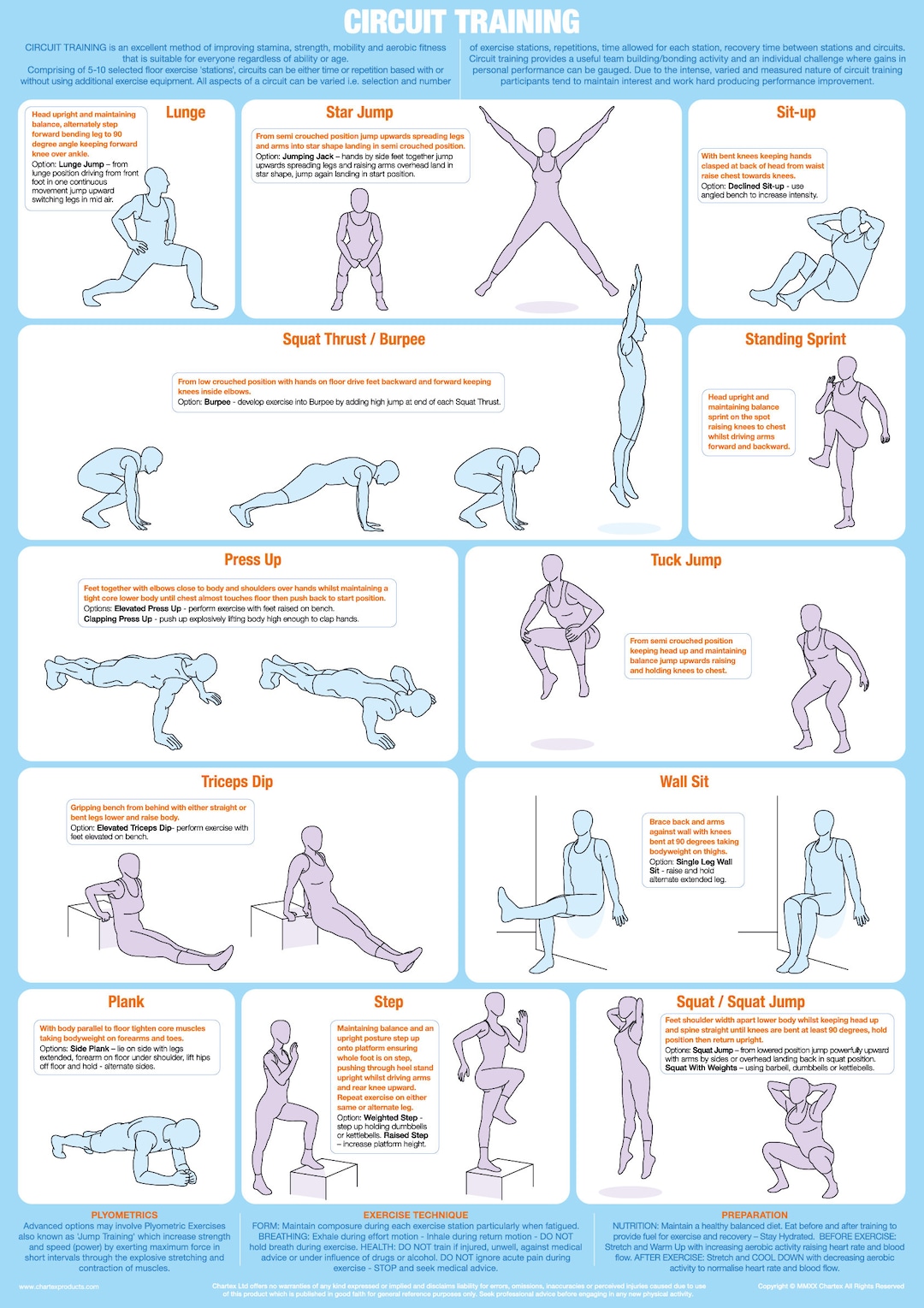
Plyometrics train your muscles to explode quickly. Box jumps improve leg power and coordination. Bounding helps with stride length and speed. Jump squats increase muscle elasticity and strength. These drills teach your body to apply force fast. Always warm up before plyometric exercises to avoid injury.

Credit: www.icecreamfactoryny.com
Sprint Drills For Beginners
Sprint drills help beginners build speed and strength. These exercises focus on improving your technique and endurance. Practicing drills regularly leads to faster sprints and better control. Start slow and increase intensity as you improve. Consistency is key for progress in sprinting.
Acceleration Drills
Acceleration drills train your body to start fast. Begin with short sprints of 10 to 20 meters. Focus on pushing off with your toes and leaning forward slightly. Drive your arms hard to gain momentum. These drills improve your initial burst of speed.
Hill Sprints
Hill sprints build power and leg strength. Find a gentle slope and sprint uphill for 15 to 30 seconds. Walk down slowly to recover. Repeat for 5 to 8 rounds. This drill increases muscle endurance and helps your sprinting form.
Interval Training
Interval training mixes sprinting with rest periods. Sprint at full effort for 20 to 40 seconds. Then, walk or jog for 1 to 2 minutes to recover. Repeat 4 to 6 times. This method improves your speed and aerobic capacity.
Improving Flexibility
Improving flexibility helps beginners run faster and with less injury risk. Flexible muscles stretch easily, allowing better sprinting form. This section covers two key methods to increase flexibility for sprinting.
Static Stretching
Static stretching means holding a stretch for 15-30 seconds. It loosens tight muscles and improves range of motion. Focus on hamstrings, calves, and hip flexors. Stretch after sprinting or during cool down. Avoid bouncing to prevent muscle strain. Regular static stretching improves muscle flexibility over time.
Mobility Exercises
Mobility exercises help joints move freely and reduce stiffness. They prepare your body for quick sprint movements. Include leg swings, hip circles, and knee lifts. Perform these exercises before sprinting to warm up muscles. Mobility work improves overall sprinting technique and speed.
Nutrition And Hydration Tips
Good nutrition and proper hydration play a big role in improving sprinting ability. They help the body perform better and recover faster. Eating the right foods before and after workouts fuels muscles and supports growth. Drinking enough fluids keeps the body active and prevents cramps. Below are key tips to help beginners improve sprinting with nutrition and hydration.
Pre-workout Nutrition
Eat a small meal or snack about 30 to 60 minutes before sprinting. Choose foods rich in carbohydrates for quick energy. Examples include a banana, toast with honey, or a small bowl of oatmeal. Avoid heavy, fatty, or high-fiber foods that may cause stomach discomfort. A light snack helps maintain energy levels throughout the workout.
Post-workout Recovery Foods
After sprinting, focus on foods that repair muscles and restore energy. Include protein sources like eggs, yogurt, or lean chicken. Combine protein with carbohydrates such as rice, fruit, or vegetables. This balance helps muscles recover faster and prepares the body for the next session. Try to eat within 30 minutes after training for best results.
Hydration Strategies
Drink water before, during, and after sprint workouts. Start hydrating early, not just when thirsty. Aim for small, regular sips to stay hydrated without feeling full. In hot weather or long sessions, consider drinks with electrolytes. Proper hydration reduces fatigue and supports muscle function during sprints.
Tracking Progress
Tracking progress is key to improving sprinting ability. It helps beginners see their growth and stay motivated. Without tracking, it’s hard to know what works and what needs change. Simple tracking methods provide clear feedback and build confidence.
Using Timing Tools
Timing tools measure sprint speed accurately. Start with a stopwatch or a smartphone timer. Some apps and devices offer automatic timing for better precision. Use these tools to time your sprints regularly. Compare results to notice improvements and adjust training.
Recording Training Sessions
Write down details of each training session. Include sprint times, distance, and how you felt. Note exercises performed and rest periods taken. This record shows patterns and helps spot strengths and weaknesses. Review it weekly to make smart training choices.
Setting Realistic Goals
Set small, clear goals for each week or month. Goals like shaving off seconds or improving form work well. Realistic targets keep motivation high and prevent frustration. Celebrate each achievement to build positive momentum. Gradual progress leads to lasting improvement.
Credit: www.sjcparks.org
Common Mistakes To Avoid
Improving sprinting skills takes time and effort. Beginners often make mistakes that slow progress or cause injury. Avoiding these common errors helps build a strong foundation. Focus on smart training to see steady improvements.
Overtraining Risks
Training too hard without rest can cause fatigue. Muscles need time to recover and grow stronger. Overtraining increases injury chances and lowers performance. Balance intense sessions with lighter workouts or rest days.
Poor Technique Habits
Bad running form wastes energy and lowers speed. Lean forward slightly and keep your arms moving efficiently. Avoid stiff legs or looking down while running. Practice proper technique to run faster and prevent injuries.
Ignoring Recovery
Skipping rest slows progress and causes soreness. Recovery helps muscles repair and build strength. Use stretching, hydration, and good sleep to support recovery. Plan rest days as part of your sprint training.
Credit: www.genexuk.co.uk
Frequently Asked Questions
How Often Should Beginners Practice Sprinting?
Beginners should practice sprinting 2 to 3 times weekly. This allows proper recovery and muscle adaptation. Consistent training improves speed and technique effectively without causing injury.
What Warm-up Exercises Improve Sprinting Ability?
Dynamic stretches like leg swings, high knees, and butt kicks prepare muscles. These increase blood flow and flexibility, reducing injury risk and enhancing sprint performance for beginners.
How Can Beginners Increase Sprinting Speed Quickly?
Focus on proper form, explosive starts, and strength training. Drills like hill sprints and resistance runs build power. Consistent practice and rest improve speed over time.
What Role Does Nutrition Play In Sprinting Improvement?
Balanced nutrition fuels muscles and aids recovery. Protein supports muscle repair, while carbs provide energy. Staying hydrated enhances performance and reduces fatigue during sprint training.
Conclusion
Improving sprinting takes time and steady effort. Focus on good form and regular practice. Build strength with simple exercises. Rest well to help your muscles grow. Stay patient and keep your goals clear. Small steps lead to big progress. Sprinting can become easier and more fun.
Keep moving forward with confidence and care.

Brandon Knoxley is a sport & fitness writer and training guide contributor at MySportFitHub. He focuses on practical workouts, performance-based training, and honest fitness gear insights designed for real people and real results. Brandon is passionate about helping beginners and active individuals train smarter, avoid common mistakes, and build sustainable fitness habits.