How to Improve Overall Fitness Step by Step: Ultimate Guide
Are you ready to feel stronger, healthier, and more energized every day? Improving your overall fitness doesn’t have to be overwhelming or confusing.
With the right steps, you can build a routine that fits your life and helps you reach your goals. You’ll discover simple, clear actions you can take—one step at a time—to boost your fitness and transform how you feel. Keep reading to unlock the secrets that will make your fitness journey easier and more effective than ever before.
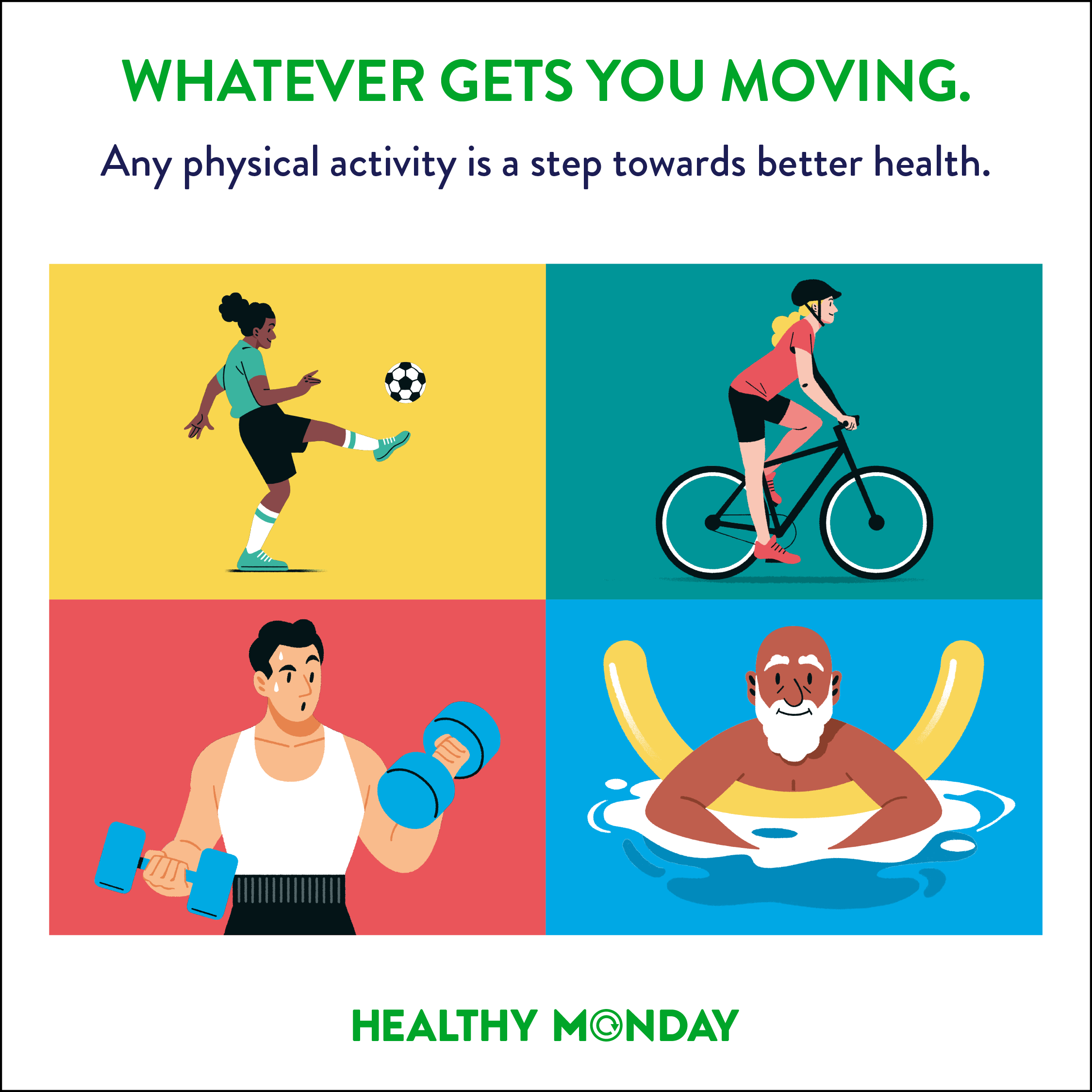
Credit: healthymonday.com
Set Clear Fitness Goals
Setting clear fitness goals is the first step to improving your overall fitness. Goals give you direction and keep you motivated. They help you focus on what you want to achieve. Without clear goals, workouts can feel random and less effective.
Identify Your Fitness Level
Start by knowing your current fitness level. This means checking your strength, endurance, and flexibility. Simple tests like timing a walk or counting push-ups help. Understanding your starting point makes goal setting easier. It prevents choosing goals that are too hard or too easy.
Choose Realistic Objectives
Pick goals that are possible to reach. Small, clear targets work best. For example, aim to walk 20 minutes a day or do 10 push-ups. Realistic goals build confidence and keep you motivated. Avoid goals that seem too hard or vague.
Track Your Progress
Keep a record of your workouts and improvements. Use a notebook, app, or calendar. Tracking shows how far you have come. It helps you adjust your goals if needed. Seeing progress makes you want to keep going.
Create A Balanced Workout Plan
Creating a balanced workout plan is key to improving overall fitness. It helps the body grow stronger, faster, and healthier. A good plan mixes different types of exercises. This way, every part of your body gets the attention it needs. It also keeps workouts interesting and fun.
Incorporate Cardio Exercises
Cardio exercises raise your heart rate. This helps your heart and lungs work better. Running, cycling, swimming, and brisk walking are simple ways to do cardio. Aim for at least 150 minutes of moderate cardio every week. Cardio also burns calories and improves endurance.
Add Strength Training
Strength training builds muscle and strengthens bones. Use weights, resistance bands, or bodyweight exercises like push-ups and squats. Train all major muscle groups two to three times a week. Strong muscles improve balance and help with daily tasks.
Include Flexibility Workouts
Flexibility exercises keep your muscles loose and joints moving. Stretching, yoga, and Pilates help improve flexibility. These workouts reduce the risk of injury and lower muscle soreness. Try to stretch after every workout session.
Schedule Rest Days
Rest days let your body heal and grow stronger. Without rest, muscles can get tired and injured. Plan at least one or two rest days each week. Use these days for light activities like walking or gentle stretching.
Adopt Healthy Eating Habits
Adopting healthy eating habits is a key step to improve overall fitness. Good nutrition fuels your body and helps you stay strong. Eating well supports your energy levels and aids recovery after exercise.
Changing your diet does not mean strict rules. Small, steady changes make a big difference over time. Focus on foods that nourish your body and avoid those that harm it.
Focus On Nutrient-dense Foods
Choose foods rich in vitamins and minerals. Fruits, vegetables, whole grains, and lean proteins pack many nutrients in each bite. These foods help your body grow and repair itself. They keep you full longer and provide steady energy.
Stay Hydrated
Water is essential for all body functions. Drinking enough water improves digestion and keeps your muscles working well. Aim to drink water throughout the day, not just when you feel thirsty. Avoid sugary drinks that add empty calories.
Manage Portion Sizes
Eating the right amount matters as much as what you eat. Large portions can lead to weight gain and sluggishness. Use smaller plates and listen to your hunger signals. Stop eating when you feel satisfied, not stuffed.
Limit Processed Foods
Processed foods often contain added sugars, salt, and unhealthy fats. These can cause energy crashes and harm your heart over time. Choose fresh, whole foods instead. Cooking at home helps control what goes into your meals.

Credit: www.amazon.com
Build Consistency And Motivation
Building consistency and motivation is key to improving fitness. Without steady effort, progress stalls. Motivation helps you keep going on tough days. Creating habits makes exercise part of daily life. This section explains how to build both step by step.
Establish A Routine
Set specific days and times for workouts. Treat them like important appointments. Consistency grows when workouts fit your schedule. Start with small, doable sessions. Gradually increase time and intensity. A routine helps your body and mind expect exercise. This reduces excuses and missed days.
Find A Workout Buddy
Exercise feels easier with a friend. A buddy provides support and accountability. You push each other to do better. Sharing goals creates a sense of teamwork. Choose someone with similar fitness levels. Meet regularly for workouts or check-ins. This social element makes fitness more fun and less lonely.
Celebrate Small Wins
Recognize every bit of progress. Completing a week of workouts is a win. Lifting heavier weights or running longer counts too. Small wins build confidence and motivation. Reward yourself with simple treats or rest days. Tracking progress visually can boost morale. These moments keep you focused on your journey.
Monitor And Adjust Your Plan
Monitoring and adjusting your fitness plan is key to steady progress. It helps you stay on track and avoid plateaus. Regular checks show what works and what needs change. This keeps your workouts fresh and effective. Staying flexible allows you to meet your goals safely and enjoyably.
Evaluate Your Progress Regularly
Check your fitness progress every two to four weeks. Track your strength, endurance, and how you feel. Use simple tools like a journal or an app. Note any improvements or challenges. This helps you see real results and stay motivated.
Modify Workouts As Needed
Change your workouts based on your progress and goals. Increase weights or reps to build strength. Add new exercises to avoid boredom. Lower intensity if you feel too tired or sore. Adjustments keep your body challenged and growing.
Listen To Your Body
Pay close attention to how your body feels during exercise. Rest if you feel pain or extreme fatigue. Avoid pushing through serious discomfort. Proper recovery helps prevent injury and burnout. Your body guides you toward a safe fitness path.

Credit: www.hingehealth.com
Incorporate Recovery Techniques
Incorporating recovery techniques is essential for improving overall fitness. Recovery helps your body heal and grow stronger after workouts. Without proper recovery, your progress can slow down, and risk of injury may rise.
Recovery supports muscle repair, reduces soreness, and boosts energy. It also improves your performance in future workouts. Here are simple steps to include recovery in your routine.
Prioritize Sleep
Sleep is the foundation of recovery. Aim for 7 to 9 hours each night. Sleep helps repair muscles and restore energy. Poor sleep can cause fatigue and reduce workout gains. Create a sleep routine by going to bed and waking up at the same time. Keep your bedroom dark and quiet. Avoid screens before bedtime to fall asleep faster.
Practice Stretching And Mobility
Stretching improves flexibility and reduces muscle tightness. Spend 5 to 10 minutes stretching after workouts. Focus on major muscle groups used during exercise. Mobility exercises help joints move better and prevent stiffness. Try gentle movements like arm circles or leg swings. Regular stretching and mobility work ease muscle tension and improve movement.
Use Relaxation Methods
Relaxation lowers stress and helps your body recover. Try deep breathing exercises to calm your mind. Meditation can reduce muscle tension and improve focus. Warm baths or massages increase blood flow and soothe sore muscles. Taking time to relax supports faster healing and better fitness results.
Stay Informed And Inspired
Staying informed and inspired is key to improving your fitness. It keeps you motivated and helps you learn new ways to stay active. Knowing the latest fitness ideas can make workouts more fun and effective. Inspiration pushes you to keep going, even on tough days.
Follow Fitness Trends
Fitness trends show new exercises and healthy habits. Trying fresh workouts can stop boredom and boost your results. Watch popular fitness channels or read blogs for ideas. Trends often highlight simple moves anyone can do. Stay updated to keep your routine exciting.
Learn From Experts
Experts share safe and proven fitness tips. They explain proper form and good nutrition. Following trainers or coaches helps avoid injuries. Experts break down complex ideas into easy steps. Trust their advice to improve your strength and stamina.
Join Fitness Communities
Communities bring people with the same goals together. Sharing progress and challenges builds support and encouragement. Group workouts or online forums create a sense of belonging. You learn from others’ experiences and tips. Being part of a group keeps you accountable and motivated.
Frequently Asked Questions
What Are The First Steps To Improve Overall Fitness?
Start with setting clear, achievable goals. Incorporate regular exercise, balanced nutrition, and sufficient rest. Begin slowly to build consistency and avoid injury. Tracking progress helps stay motivated and adjust plans as needed.
How Often Should I Exercise To Boost Fitness?
Aim for at least 150 minutes of moderate exercise weekly. Include strength training two to three times per week. Consistency is key to improving fitness and overall health.
What Role Does Nutrition Play In Fitness Improvement?
Balanced nutrition fuels workouts and aids recovery. Focus on whole foods, lean proteins, healthy fats, and plenty of vegetables. Proper hydration also supports performance and energy levels.
Can Small Daily Habits Improve Fitness Over Time?
Yes, small habits like taking stairs, walking, and stretching add up. These activities increase daily movement, boost metabolism, and improve endurance gradually.
Conclusion
Improving fitness takes time and steady effort. Start with small steps and build habits daily. Eat healthy, move more, and rest well. Track progress to stay motivated and focused. Challenges will come, but keep going anyway. Fitness grows with patience and consistency.
Feel stronger, healthier, and happier each day. Your body will thank you for care. Keep trying, and enjoy the journey ahead.

Brandon Knoxley is a sport & fitness writer and training guide contributor at MySportFitHub. He focuses on practical workouts, performance-based training, and honest fitness gear insights designed for real people and real results. Brandon is passionate about helping beginners and active individuals train smarter, avoid common mistakes, and build sustainable fitness habits.