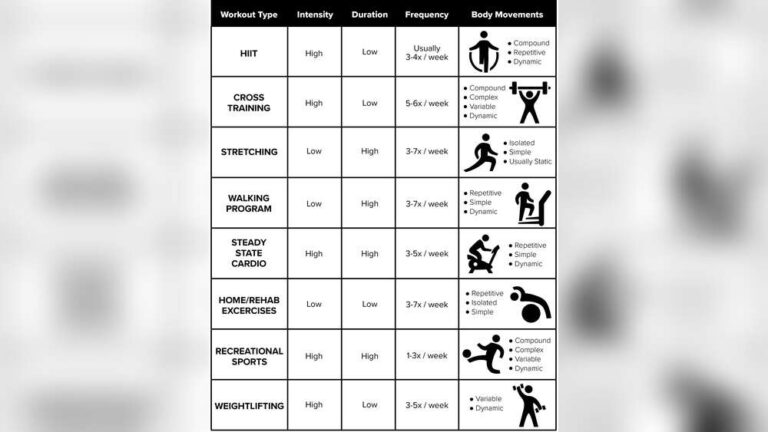

How to Exercise Safely in Hot Weather: Essential Tips & Tricks
Exercising when the temperature rises can be tough—and even risky if you’re not careful. You want to stay active and healthy, but hot weather brings challenges that can slow you down or worse, cause heat-related problems.
How do you keep your workouts safe and effective without feeling drained or overheated? This guide will show you simple, practical steps to protect your body and boost your energy when exercising in the heat. Keep reading to discover how you can enjoy your fitness routine safely, no matter how high the mercury climbs.
Risks Of Exercising In Heat
Exercising in hot weather carries several health risks. High temperatures make your body work harder to stay cool. This stress can cause serious problems if you are not careful. Knowing the dangers helps you avoid injuries and stay safe during workouts.
Heat Exhaustion And Heat Stroke
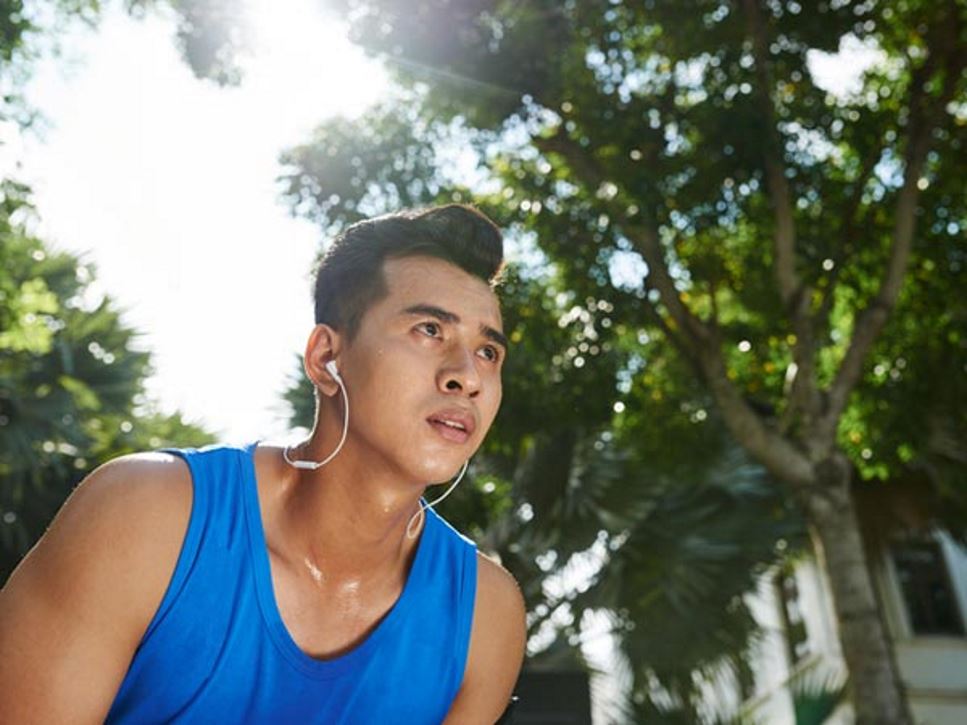
Heat exhaustion happens when your body loses too much water and salt. Symptoms include heavy sweating, weakness, and dizziness. Without rest and fluids, it can turn into heat stroke.
Heat stroke is a severe condition. Your body temperature rises rapidly, and you may lose consciousness. This is a medical emergency that needs quick treatment.
Dehydration Dangers
Dehydration occurs when your body loses more water than you drink. It causes tiredness, headaches, and dry mouth. Dehydration lowers your energy and slows your reaction time. This increases the risk of accidents during exercise.
Sunburn And Skin Damage
Sunburn happens when your skin is exposed to too much sun. It causes redness, pain, and peeling skin. Long-term sun damage can lead to wrinkles and skin cancer. Protecting your skin is important to avoid these problems.
Choosing The Right Time
Choosing the right time to exercise in hot weather helps keep you safe and comfortable. The sun’s heat can make workouts harder and increase the risk of heat-related illness. Picking cooler parts of the day lowers these risks and improves your exercise experience. Focus on times when the temperature is lower and the sun is less intense. This helps your body stay cool and perform better.
Early Morning Workouts
Early morning is often the coolest time of the day. The air is fresh and temperatures are low. Exercising before the sun rises high reduces heat stress on your body. It also means less crowd and quieter surroundings. Early workouts can boost your energy for the day. Dress lightly and drink water before and after to stay hydrated.
Late Evening Sessions
Late evening is another good time to exercise safely. The sun starts to set, and temperatures drop. This reduces the chance of overheating. Evening workouts can help you relax after a busy day. Choose a well-lit and safe place to run or walk. Keep your activity moderate and drink water to avoid dehydration.
Avoiding Peak Heat Hours
Peak heat hours are usually between 10 a.m. and 4 p.m. The sun is strongest during this time. Exercising then increases the risk of heat exhaustion and sunburn. Avoid outdoor workouts in this period if possible. If you must exercise, find shade or go indoors. Wear a hat and light-colored clothes to reflect sunlight.
Proper Hydration Strategies
Proper hydration is key to exercising safely in hot weather. Water helps keep your body cool and your muscles working well. Dehydration can cause tiredness, cramps, and heat illness. Follow simple hydration steps to stay healthy and perform your best in the heat.
Pre-exercise Hydration
Drink water before you start exercising. Aim for about 16 to 20 ounces of water two hours before your workout. This helps your body store fluids. Avoid drinking too much right before exercise. It can cause discomfort during your workout.
Hydrating During Exercise
Drink small amounts of water often while exercising. Try to drink 7 to 10 ounces every 10 to 20 minutes. Use water or sports drinks with electrolytes if you exercise over one hour. Electrolytes help replace salt lost in sweat.
Post-exercise Fluid Replacement
After exercise, replace lost fluids quickly. Drink 16 to 24 ounces of water for every pound you lost during exercise. Weigh yourself before and after to check fluid loss. Continue drinking water over the next hours to fully rehydrate.
Credit: www.eatright.org
Selecting Appropriate Clothing
Selecting the right clothing is key to staying safe and comfortable while exercising in hot weather. The right outfit helps your body stay cool and dry. It also protects your skin from the sun. Choosing materials and designs that suit hot conditions makes a big difference. Let’s explore what to wear for hot weather workouts.
Lightweight And Breathable Fabrics
Choose clothes made of lightweight fabrics. They allow air to flow through easily. This helps your body cool down. Cotton is soft but holds moisture, so it may feel heavy. Look for fabrics like linen or mesh that feel lighter. Breathable clothes reduce sweating and keep your skin dry.
Moisture-wicking Materials
Wear moisture-wicking clothes that pull sweat away from your skin. These fabrics dry quickly and keep you comfortable. Polyester and nylon blends work well for this. They stop sweat from sticking and prevent chafing. Moisture-wicking gear keeps you cool during intense workouts.
Sun Protection Gear
Protect your skin with sun-safe clothing. Long sleeves and pants with UPF rating block harmful UV rays. Light colors reflect sunlight and heat. Wide-brim hats shield your face and neck. Sunglasses protect your eyes from glare and UV damage. Sun protection gear lowers the risk of sunburn and heat stress.
Adjusting Exercise Intensity
Exercising in hot weather needs care and smart changes. High temperatures can make your body work harder. Adjusting how hard you exercise helps keep you safe and fit. Lowering intensity, shortening duration, and adding rest breaks are key steps.
Lowering Workout Intensity
Reduce the effort you put into your exercise. Walk instead of run. Use lighter weights or fewer repetitions. Slow your pace during cardio workouts. This helps your body stay cool and avoid overheating.
Shortening Exercise Duration
Cut down the time you spend exercising outdoors. Try shorter sessions more often instead of one long workout. This limits heat exposure and lowers dehydration risk. Even 10 to 20 minutes can give benefits without strain.
Incorporating Rest Breaks
Take regular breaks during your workout. Find shade or cool spots to rest. Drink water during these pauses to stay hydrated. Resting helps your body recover and keeps your heart rate steady.
Recognizing Warning Signs
Exercising in hot weather can be risky without careful attention. Recognizing warning signs of heat-related issues helps prevent serious problems. Watch your body closely while you work out. Early action can keep you safe and healthy.
Symptoms Of Overheating
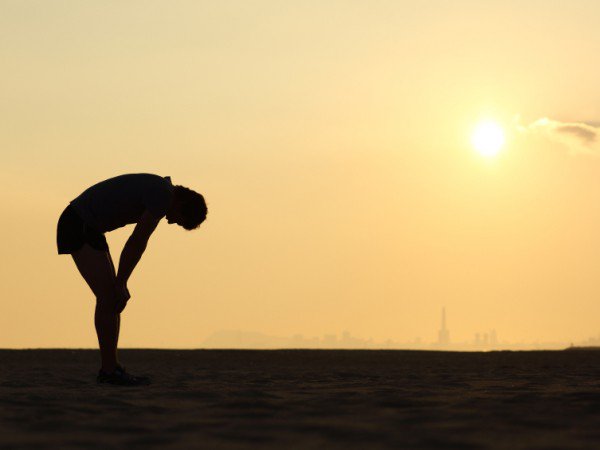
Feeling dizzy or weak is a common sign of overheating. Your skin may become hot and dry or very sweaty. Headaches and nausea can also occur. Rapid heartbeat and muscle cramps warn about heat stress. Pay close attention to these symptoms during exercise.
When To Stop Exercising
Stop exercising immediately if you notice any overheating signs. Do not push through dizziness or weakness. Continuing can lead to heat exhaustion or heat stroke. Rest in a cool place and drink water. Your safety depends on listening to your body.
Seeking Medical Help
Seek medical help if symptoms worsen or do not improve. High fever, confusion, or loss of consciousness are serious. Emergency care is needed for heat stroke. Early treatment can save your life. Always take heat warnings seriously and act fast.
Cooling Techniques During Exercise
Exercising in hot weather can be tough. Your body works harder to stay cool. Using the right cooling techniques helps avoid heat stress and keeps you safe. These methods lower your body temperature during workouts. They make exercise more comfortable and reduce the risk of overheating.
Using Cooling Towels
Cooling towels are great for hot days. Wet the towel with cold water. Wring out the excess water. Place it on your neck or forehead. The towel stays cool for a long time. It helps reduce body heat quickly. You can reuse it during breaks in exercise.
Finding Shade
Shade offers natural relief from the sun. Exercise or rest under trees or shelters. Shade lowers the risk of sunburn and overheating. It keeps your body temperature down. Plan your route to include shaded areas. Taking breaks in shade helps your body recover.
Splashing Water On Skin
Splashing water on your face and arms cools you fast. Use cool water, not ice cold. Water evaporates and removes heat from your skin. It feels refreshing and helps you continue exercising. Carry a water bottle for easy access during workouts.
Credit: blog.johnsonfitness.com
Adapting Training Plans
Exercising in hot weather needs careful changes to your training plan. Heat can make workouts harder and risk dehydration or heat illness. Adjusting your routine keeps you safe and active.
Change your workouts to fit the weather. Choose cooler times or places. Pay attention to how your body feels. These steps help you stay healthy while training.
Indoor Exercise Options
Moving workouts indoors avoids heat stress. Gyms, home workouts, or indoor pools offer cool environments. Use treadmills, stationary bikes, or yoga mats to stay fit.
Indoor exercise lets you control temperature and hydration better. It lowers the risk of overheating and exhaustion.
Cross-training Alternatives
Cross-training mixes different activities to reduce heat strain. Swim, bike, or do strength training on hot days. These options keep fitness without heavy sweating outdoors.
Cross-training helps balance muscle groups. It also prevents boredom and injury from repetitive movements.
Gradual Heat Acclimation
Allow your body time to adjust to heat slowly. Start with short, light workouts in warm conditions. Increase duration and intensity each day.
Heat acclimation improves sweating and cooling. It lowers heart rate and helps you exercise longer and safer.

Credit: www.npr.org
Frequently Asked Questions
How Can I Prevent Dehydration While Exercising In Heat?
Drink plenty of water before, during, and after exercise. Avoid caffeine and alcohol. Use electrolyte drinks if sweating heavily. Take frequent breaks in the shade to cool down and maintain hydration.
What Are The Best Times To Exercise In Hot Weather?
Exercise early morning or late evening when temperatures are cooler. Avoid peak sun hours between 10 a. m. and 4 p. m. This reduces heat exposure and lowers the risk of heat-related illnesses.
What Clothes Should I Wear For Hot Weather Exercise?
Wear lightweight, loose-fitting, and light-colored clothing. Choose breathable fabrics like cotton or moisture-wicking materials. A wide-brimmed hat and UV-protective sunglasses also help shield you from sun exposure.
How Do I Recognize Heat Exhaustion Symptoms During Exercise?
Look for heavy sweating, weakness, dizziness, nausea, headache, or muscle cramps. Stop exercising immediately if symptoms appear. Move to a cooler place, rehydrate, and rest until you feel better.
Conclusion
Exercising in hot weather needs care and planning. Drink water often to stay hydrated. Choose early mornings or late evenings to avoid heat. Wear light clothes that let your skin breathe. Take breaks when you feel tired or dizzy. Listen to your body and stop if needed.
These steps help you stay safe and enjoy workouts. Keep cool, stay alert, and exercise smart. Your health matters most during hot days.

Brandon Knoxley is a sport & fitness writer and training guide contributor at MySportFitHub. He focuses on practical workouts, performance-based training, and honest fitness gear insights designed for real people and real results. Brandon is passionate about helping beginners and active individuals train smarter, avoid common mistakes, and build sustainable fitness habits.