How to Start Cardio Workouts Without Fatigue: Energize Your Routine
Are you ready to boost your energy and improve your health with cardio workouts, but worried about feeling tired and worn out? You’re not alone.
Many people start cardio exercises only to quit because fatigue takes over too quickly. What if you could learn simple, effective ways to begin cardio without that overwhelming exhaustion? This guide will show you how to pace yourself, listen to your body, and build endurance step by step.
Keep reading, and you’ll discover how to make cardio workouts feel easier and even enjoyable from the very start. Your body will thank you for it!
Benefits Of Cardio Workouts
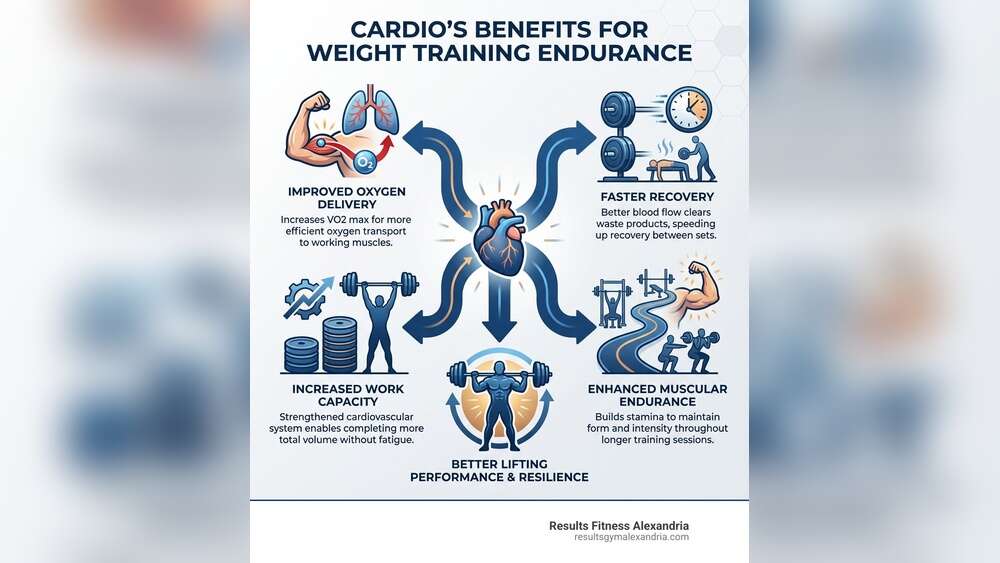
Cardio workouts bring many health benefits. They improve your body’s ability to use oxygen. This makes your heart and lungs work better. Regular cardio helps you stay fit and feel good every day. You do not need to be an athlete to enjoy these benefits. Simple exercises like walking or cycling can make a big difference.
Improved Heart Health
Cardio exercises strengthen your heart muscles. A strong heart pumps blood more easily. This lowers the risk of heart disease and stroke. It also helps control blood pressure. Regular cardio keeps your heart healthy and reduces health problems.
Boosted Energy Levels
Doing cardio increases your stamina and energy. Your body learns to use oxygen better. This means you feel less tired during daily activities. Small workouts can help you stay active longer. You will notice a rise in your overall energy.
Enhanced Mood
Cardio workouts release chemicals that make you happy. These chemicals reduce stress and anxiety. Exercise can help fight feelings of sadness or depression. Moving your body helps clear your mind. It brings a natural feeling of joy and calm.

Credit: www.joionline.net
Choosing The Right Cardio Exercise
Choosing the right cardio exercise is key to starting without feeling tired fast. The right choice fits your body, fitness level, and goals. It helps you enjoy workouts and keep going regularly.
Some exercises are gentle and easy on the joints. Others push your heart harder and burn more calories. Knowing these types helps you pick what works best for you.
Low-impact Options
Low-impact cardio is great for beginners or those with joint pain. Walking, swimming, and cycling are good examples. These exercises raise your heart rate without heavy stress on your body. You can do them longer without feeling worn out. They build stamina slowly and safely.
High-impact Options
High-impact cardio moves boost your heart rate faster. Running, jumping rope, and aerobics fit here. These exercises burn more calories in less time. They improve strength and endurance quickly. Start slow to avoid injury and fatigue. Rest days are important with these workouts.
Mixing It Up
Combining low and high-impact exercises keeps workouts fresh. It prevents boredom and overuse injuries. Try walking one day and jogging the next. Swim and do light aerobics in the same week. Mixing types helps your body recover. It also builds balanced fitness and keeps you motivated.
Preparing Your Body
Preparing your body before starting cardio workouts helps reduce fatigue. It makes exercise easier and safer. This section covers key steps to get your body ready for cardio.
Warm-up Techniques
Begin with light exercises to wake up your muscles. Try walking or slow jogging for five to ten minutes. Gentle stretching helps increase blood flow. Focus on the legs, hips, and arms. Warm muscles prevent injury and improve performance.
Proper Hydration
Drink water before, during, and after workouts. Water keeps your body cool and prevents tiredness. Avoid sugary or caffeinated drinks. They can cause dehydration. Aim to drink at least 8 ounces of water 30 minutes before exercising.
Nutritional Tips
Eat a small meal or snack before cardio. Choose foods with carbohydrates and a little protein. Examples include a banana with peanut butter or yogurt with fruit. Avoid heavy or greasy foods. They can make you feel sluggish and tired.
Credit: www.powerbreathe.com
Starting Slowly
Starting cardio workouts slowly is key to avoiding fatigue and injury. It helps your body adapt to new demands without overwhelming it. Slow starts build endurance and confidence. This approach makes exercise a habit, not a struggle.
Setting Realistic Goals
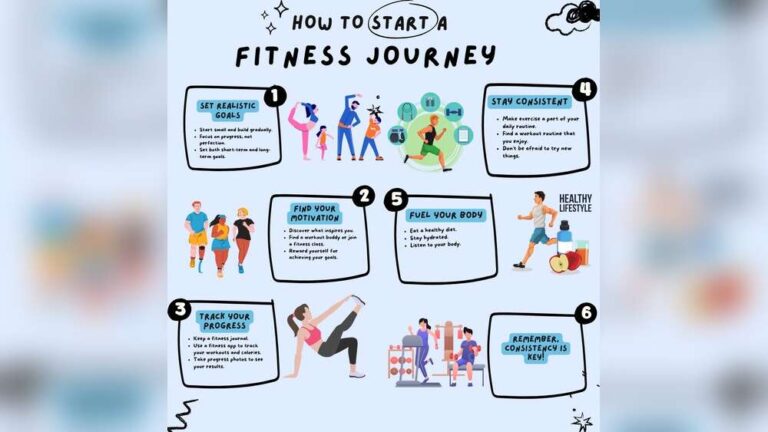
Begin with small, clear goals. Aim to exercise for 10 to 15 minutes at first. Gradually increase your time and intensity. Realistic goals keep motivation high and prevent burnout. Write down your goals to stay focused.
Pacing Yourself
Move at a comfortable speed. Avoid rushing or pushing too hard. Take breaks if you feel tired. Use a steady pace that lets you talk without gasping. Pacing helps your heart and muscles adjust safely.
Listening To Your Body
Pay close attention to how you feel. Stop if you experience pain or dizziness. Rest when needed and avoid overdoing it. Your body signals when to slow down or pause. Respect these signs to stay healthy and strong.
Avoiding Early Fatigue
Starting cardio workouts can be tough when fatigue hits early. This feeling can stop you before your body gets stronger. Avoiding early fatigue helps you keep going longer and enjoy your exercise. Simple habits make a big difference in your energy and endurance.
Breathing Strategies
Breathing right fuels your muscles with oxygen. Take deep, steady breaths through your nose. Let your belly rise and fall with each breath. Avoid shallow chest breathing. It causes tiredness and dizziness quickly. Focus on a rhythm that matches your steps. This keeps your heart rate steady and your energy up.
Maintaining Proper Form
Good form reduces strain and saves energy. Keep your shoulders relaxed and your back straight. Avoid slouching or leaning too far forward. Use your arms to help balance and move smoothly. Proper form lets your body work efficiently. This lowers the chance of early fatigue and injury.
Taking Rest Intervals
Short breaks help your body recover during exercise. Pause for 30 seconds to 1 minute between sets. Walk slowly or stand still to catch your breath. Rest intervals prevent muscles from tiring too fast. They let you return stronger and keep a steady pace. Rest is part of progress, not a weakness.
Building Endurance Over Time
Building endurance over time is key to enjoying cardio workouts without feeling tired. It helps your body adapt to exercise gradually. This way, you avoid burning out or getting sore. Endurance grows with patience and steady effort. Small, consistent steps lead to better stamina. Your heart and muscles get stronger. Breathing becomes easier during exercise. You can move longer and feel good.
Gradual Intensity Increase
Start with light workouts. Walk or jog slowly at first. Each week, add a little more time or speed. Increase intensity in small steps. This prevents fatigue and injury. Your body learns to handle more work. Avoid pushing too hard too fast. Slow progress builds lasting endurance. Your workouts feel easier over time.
Tracking Progress
Keep a simple log of your workouts. Write down time, distance, and how you feel. Track changes each session. Seeing progress motivates you to keep going. Notice patterns in your energy levels. Adjust your workouts based on your notes. Tracking helps you stay consistent. It shows how far you have come.
Incorporating Strength Training
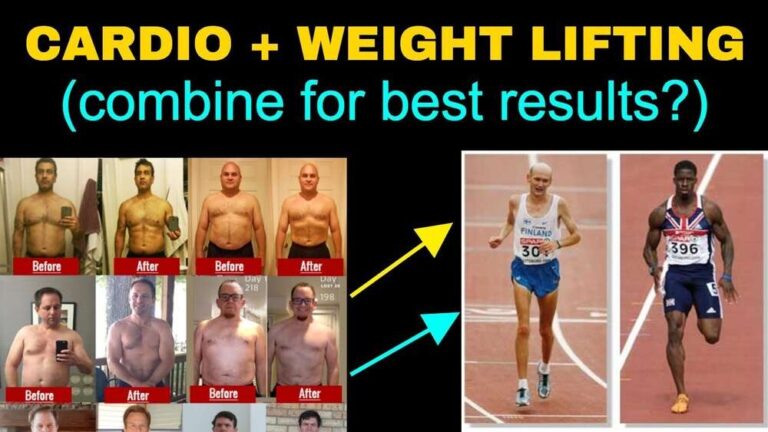
Strong muscles support your cardio exercises. Add strength training two or three times a week. Use bodyweight or light weights. Focus on legs, core, and arms. This helps improve endurance and balance. Strength training reduces fatigue during cardio. It also lowers the risk of injury. Combine both for better overall fitness.
Staying Motivated
Staying motivated is key to starting cardio workouts without feeling tired or giving up early. Motivation helps you keep going, even when exercises feel hard. It builds a habit and makes workouts part of your daily life. Simple strategies can keep your energy and interest high. Here are some ways to stay motivated and enjoy your cardio routine.
Setting Milestones
Set small, clear goals for your cardio sessions. For example, walk for 10 minutes or jog one kilometer. Celebrate each milestone to feel proud and encouraged. Breaking big goals into smaller steps makes progress easy to see. This keeps motivation strong and makes workouts less tiring.
Using Music And Apps
Music makes cardio sessions fun and lively. Choose fast beats to match your workout speed. Apps can track your progress and remind you to stay active. Many apps offer challenges and rewards that keep you interested. Using music and apps makes cardio feel like a game, not a chore.
Finding A Workout Buddy
Exercise with a friend to stay motivated together. A buddy supports you on tough days and shares your progress. You can encourage each other to push a little more. Working out with someone makes cardio feel easier and more enjoyable. It also creates a fun social habit.

Credit: us.fairmontstore.com
Frequently Asked Questions
How Can I Start Cardio Without Feeling Tired?
Begin with low-intensity exercises and gradually increase duration. Stay hydrated and rest well before workouts. Warm up properly to prepare your muscles and reduce fatigue.
What Foods Help Prevent Cardio Fatigue?
Eat a balanced meal with carbs, protein, and healthy fats 1-2 hours before cardio. Stay hydrated with water or electrolyte drinks. Avoid heavy, greasy foods that slow digestion.
How Long Should My Cardio Sessions Be Initially?
Start with 15 to 20 minutes of moderate cardio. Increase time by 5 minutes weekly. This gradual approach helps build endurance without causing excessive fatigue.
Is It Better To Do Cardio Daily Or Alternate Days?
Alternate days are best for beginners. This allows your body to recover and avoid burnout. Gradually increase frequency as your stamina improves.
Conclusion
Starting cardio workouts without feeling tired is possible with the right steps. Begin slow and listen to your body. Take breaks when needed and stay consistent. Drink water and eat light before exercise. Choose activities you enjoy to keep motivation high.
Over time, your stamina will improve naturally. Remember, patience is key. Small progress adds up. Keep moving forward. You can build energy and enjoy cardio workouts every day.

Brandon Knoxley is a sport & fitness writer and training guide contributor at MySportFitHub. He focuses on practical workouts, performance-based training, and honest fitness gear insights designed for real people and real results. Brandon is passionate about helping beginners and active individuals train smarter, avoid common mistakes, and build sustainable fitness habits.