How to Exercise Safely If You are Overweight: Expert Tips to Thrive
If you are overweight, starting an exercise routine might feel overwhelming or even risky. You may worry about hurting yourself or not knowing where to begin.
But the truth is, moving your body can make a huge difference in how you feel—both physically and mentally. The key is to exercise safely and smartly, so you build strength without injury. You’ll discover simple, effective tips that help protect your joints, improve your stamina, and keep you motivated.
Keep reading to find out how to make exercise a positive and empowering part of your life.

Credit: www.whattoexpect.com
Benefits Of Exercise For Overweight Individuals
Exercise offers many benefits for overweight individuals. It helps improve health, mood, and daily life. Starting with small steps can lead to big changes. Regular activity supports the body and mind in many ways. Understanding these benefits can motivate you to stay active.
Improving Heart Health
Exercise strengthens the heart muscle. It helps lower blood pressure and cholesterol levels. This reduces the risk of heart disease. Regular movement improves blood flow throughout the body. A stronger heart means better endurance for daily tasks.
Boosting Mental Wellbeing
Physical activity releases mood-lifting chemicals in the brain. It can reduce feelings of stress and anxiety. Exercise often improves sleep quality too. Feeling better mentally supports long-term health goals. Small workouts can brighten your day and increase confidence.
Enhancing Mobility And Flexibility
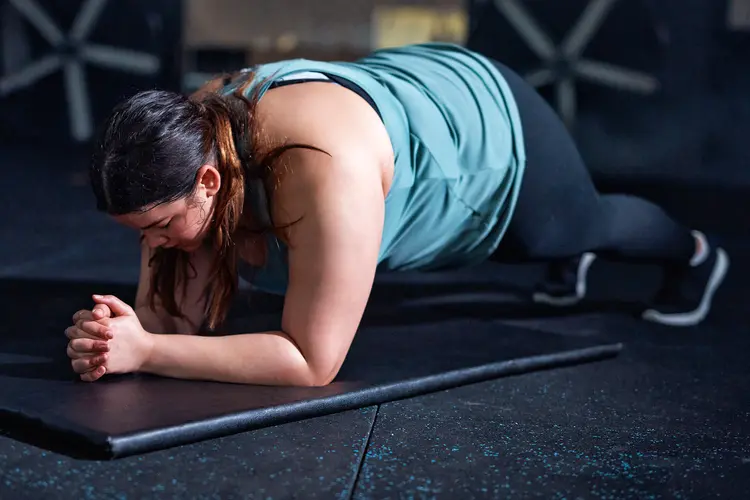
Exercise helps joints move more easily. It can reduce stiffness and pain in muscles. Better flexibility lowers the chance of injury. Increased mobility makes everyday activities easier. Stretching and gentle movements keep the body active and strong.
Credit: www.webmd.com
Preparing For Safe Workouts
Preparing for safe workouts is important for everyone, especially if you are overweight. Taking the right steps before exercise helps prevent injuries and makes workouts more effective. Proper preparation builds confidence and keeps motivation high.
Start with a clear plan that fits your body and your needs. This approach makes exercise a positive and safe experience.
Consulting Healthcare Professionals
Talk to your doctor before starting any new exercise routine. They can check your health and suggest safe activities. Sharing your goals helps them advise on what suits your body best. This step reduces risks and improves workout benefits.
Setting Realistic Goals
Set small, achievable goals to stay motivated. Focus on progress, not perfection. Break big goals into steps you can reach easily. This keeps frustration away and encourages steady improvement.
Choosing The Right Clothing And Footwear
Wear comfortable clothes that allow easy movement. Choose breathable fabrics to keep cool during exercise. Pick shoes with good support and cushioning. Proper footwear protects your feet and joints from strain.
Low-impact Exercises To Start With
Starting exercise can feel hard if you carry extra weight. Low-impact exercises help your body move without too much stress on joints. These activities build strength and improve fitness step by step. They keep your heart healthy and muscles active. Here are some easy exercises to begin with.
Walking And Water Aerobics
Walking is simple and effective. It improves your mood and burns calories gently. Choose flat paths and wear comfortable shoes. Start with short walks and increase time slowly.
Water aerobics supports your body weight. The water reduces joint pain. It helps improve flexibility and balance. Classes are fun and social too. Water moves your muscles in a safe way.
Cycling And Stationary Bikes
Cycling is gentle on knees and hips. Outdoor biking lets you enjoy fresh air and nature. Use slow speeds at first. Stationary bikes offer a safe environment indoors. Adjust the seat for comfort. Pedal at a steady pace to build endurance.
Chair Exercises And Stretching
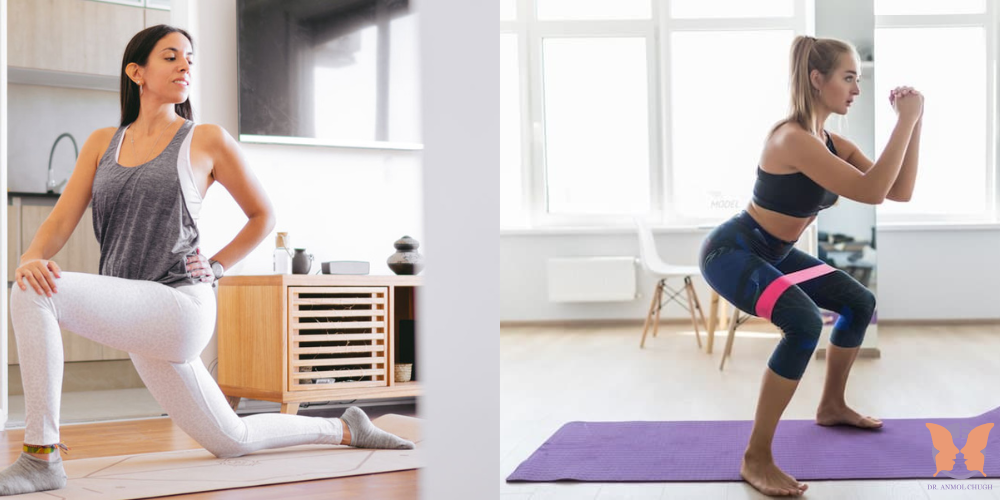
Chair exercises suit those with limited mobility. You can do arm lifts, leg lifts, and seated marches. These improve muscle strength and blood flow.
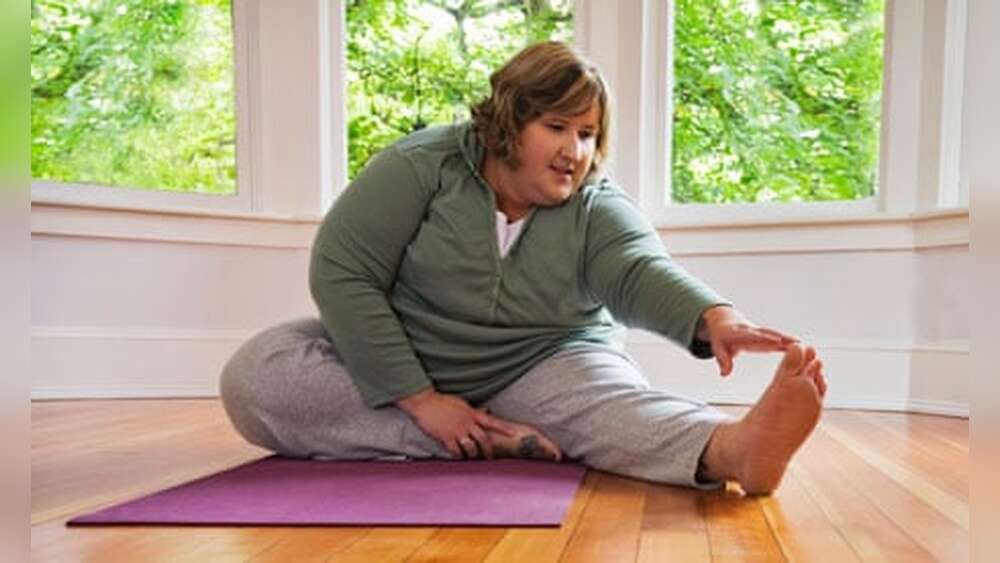
Stretching keeps muscles flexible and reduces stiffness. Stretch gently after warming up. Focus on major muscle groups. This helps prevent injuries and eases soreness.
Credit: dranmolchugh.com
Tips To Prevent Injuries
Exercising safely is very important, especially for people who are overweight. Injuries can slow progress and cause pain. Following simple tips can keep your workouts safe and effective. These tips help protect your body and make exercise more enjoyable.
Proper Warm-up And Cool-down
Start with a gentle warm-up to prepare your muscles and joints. This raises your heart rate and improves blood flow. Try light walking or stretching for five to ten minutes. After exercise, cool down slowly to help your body relax. Stretching at this time reduces muscle soreness and stiffness.
Listening To Your Body
Pay close attention to how your body feels during exercise. Stop if you feel sharp pain or dizziness. Mild discomfort is normal but pain is a warning. Take breaks and rest if you feel tired. Adjust your workout to avoid pushing too hard.
Maintaining Good Form
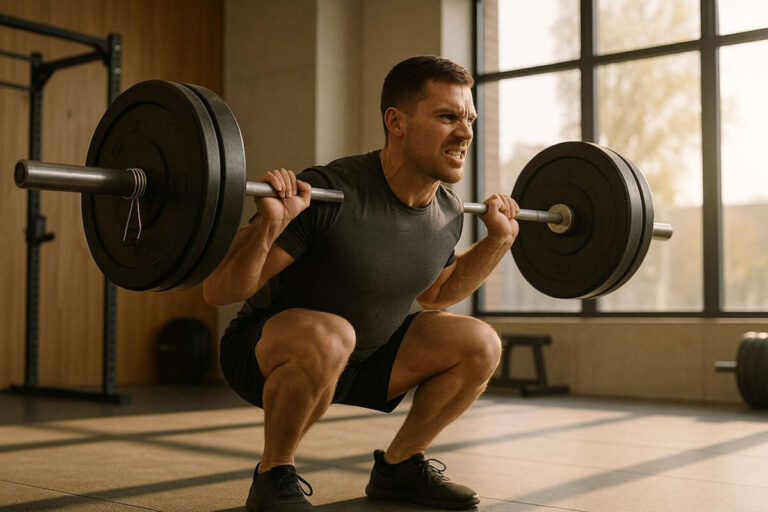
Use correct posture to prevent strain on muscles and joints. Learn the right way to do each exercise. Start with light weights or low intensity. Focus on slow and controlled movements. Good form makes exercise safer and more effective.
Building Consistency And Motivation
Building consistency and motivation is key to exercising safely and effectively when you are overweight. Staying motivated helps you keep going even on tough days. Consistency allows your body to adapt and grow stronger over time.
Small steps make a big difference. Creating habits helps exercise become part of your daily life. Finding ways to track progress, get support, and reward yourself can boost motivation and keep you on track.
Tracking Progress
Track your workouts and activities. Write down what you do each day. Note how long and how hard you exercise. Tracking helps you see your improvements over time. It shows how far you have come. This can motivate you to continue. Simple notes on a calendar or app work well.
Finding Support Groups
Join groups with others who share your goals. Support groups offer encouragement and advice. Talking with people in similar situations helps reduce stress. You learn new ideas and feel less alone. Support can come from local clubs or online communities. Sharing your journey inspires both you and others.
Rewarding Small Achievements
Celebrate small wins along the way. Rewards make exercise feel more fun. Treat yourself to something nice after reaching a goal. It could be a healthy snack, a movie, or new clothes. Rewards keep motivation high and build positive habits. Recognize every step forward, no matter how small.
Adjusting Workouts Over Time
Adjusting workouts over time is important for steady progress and safety. As your fitness improves, your body needs new challenges. Changing your routine helps avoid plateaus and reduces injury risk. Small, gradual changes keep exercises effective and enjoyable.
Increasing Intensity Safely
Raise workout intensity slowly. Start by adding a few more minutes or a small increase in speed. Notice how your body feels during and after exercise. Stop if you feel pain or extreme tiredness. Breathing should stay steady, not gasping. Use a heart rate monitor to track effort if possible.
Incorporating Strength Training
Strength training builds muscle and supports weight loss. Begin with light weights or resistance bands. Focus on proper form, not heavy lifting. Perform exercises twice a week with rest days between. Strength workouts improve balance and joint health. This makes daily activities easier and safer.
Balancing Rest And Activity
Rest days are as important as workout days. Muscles need time to recover and grow stronger. Avoid working the same muscle groups two days in a row. Include gentle activities like walking or stretching on rest days. Listen to your body. Rest helps prevent burnout and injuries.
Frequently Asked Questions
How Can Overweight People Start Exercising Safely?
Start with low-impact activities like walking or swimming. Gradually increase duration and intensity. Always warm up and cool down to prevent injuries.
What Exercises Are Best For Overweight Beginners?
Low-impact exercises such as walking, cycling, and water aerobics are ideal. These reduce joint stress and improve cardiovascular health effectively.
How Often Should Overweight Individuals Exercise Weekly?
Aim for at least 150 minutes of moderate exercise per week. Spread sessions over most days to build consistency and improve fitness safely.
Should Overweight People Consult A Doctor Before Exercising?
Yes, consulting a healthcare provider is important. It helps identify any health risks and tailor a safe exercise plan.
Conclusion
Exercising safely is key for staying healthy and feeling good. Start slow and listen to your body’s signals. Choose activities that protect your joints and build strength. Rest when needed and keep a steady pace. Small steps lead to big changes over time.
Stay positive and be patient with yourself. Safe exercise helps improve mood, energy, and overall health. Keep moving forward, one step at a time.

Brandon Knoxley is a sport & fitness writer and training guide contributor at MySportFitHub. He focuses on practical workouts, performance-based training, and honest fitness gear insights designed for real people and real results. Brandon is passionate about helping beginners and active individuals train smarter, avoid common mistakes, and build sustainable fitness habits.