How to Regain Strength After a Long Break: Proven Steps for Success
Have you taken a long break from exercise or physical activity? Getting back to your previous strength might feel tough right now.
But don’t worry—you can rebuild your power step by step. This guide will show you simple, effective ways to regain your strength without overwhelming your body. By following these tips, you’ll not only recover faster but also avoid common mistakes that slow progress.
Ready to feel strong and confident again? Keep reading to discover how to make your comeback easier and more successful.
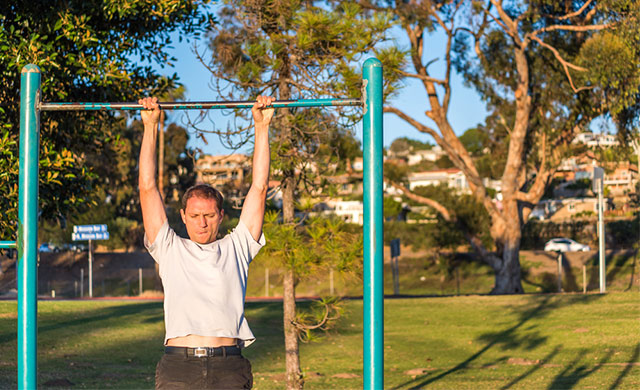
Credit: leanbodyuk.com
Assessing Your Current Fitness
Assessing your current fitness is the first step after a long break. It helps you understand where you stand now. This knowledge guides your plan to regain strength safely and effectively. Taking time to evaluate your body sets the foundation for steady progress.
Evaluating Physical Condition
Start by checking your overall health. Note any pain or discomfort during simple movements. Test your balance, flexibility, and endurance with basic exercises. A walk or light jog can show your stamina level. This helps to know what your body can handle today.
Identifying Strength Loss
Compare your current strength to past levels. Use weights or resistance bands to test muscle power. Notice which muscles feel weaker or tire quickly. Keep track of your performance to see changes over time. This step highlights areas needing extra focus.
Setting Realistic Goals
Create clear and achievable targets based on your assessment. Aim for small improvements each week to avoid injury. Plan workouts that match your current fitness and strength. Celebrate progress, even if it feels slow. Realistic goals keep motivation high and prevent frustration.

Credit: ultimatenutrition.com
Creating A Progressive Workout Plan
Creating a progressive workout plan helps rebuild strength safely. It guides your body to adapt without injury. Start slow and increase effort step by step. This approach prevents burnout and keeps motivation high.
Starting With Low Intensity
Begin workouts with low-intensity activities. Choose exercises that feel easy and comfortable. Walking, gentle cycling, or light stretching works well. This prepares muscles and joints for harder work. Gradually increase time and effort each week.
Incorporating Strength Training
Add strength training to rebuild muscle power. Use bodyweight exercises like squats, push-ups, or lunges. Start with fewer repetitions and sets. Focus on correct form to avoid injuries. Slowly increase weight or resistance over time.
Balancing Cardio And Flexibility
Combine cardio exercises with flexibility routines. Cardio improves heart health and endurance. Flexibility reduces stiffness and improves movement. Stretch after workouts to help muscles recover. Balance keeps the body strong and healthy.
Nutrition For Strength Recovery
Nutrition plays a key role in regaining strength after a long break. Eating the right foods helps your muscles heal and grow stronger. Proper nutrition also supports energy levels and overall recovery.
Focus on balanced meals with enough protein, fluids, and essential nutrients. These elements work together to repair muscle tissue and restore strength.
Protein And Muscle Repair
Protein is vital for muscle repair and growth. It supplies the building blocks called amino acids. After exercise, muscles need protein to recover and get stronger.
Include sources like lean meat, eggs, dairy, beans, and nuts. Spread protein intake throughout the day to support steady recovery.
Hydration Importance
Water is essential for muscle function and recovery. Dehydration can cause weakness and slow healing. Drink enough water before, during, and after workouts.
Proper hydration helps transport nutrients to muscles and removes waste. Aim for clear or light-colored urine as a hydration sign.
Supplements To Consider
Some supplements may help boost strength recovery. Creatine supports energy production in muscles. Branched-chain amino acids (BCAAs) reduce muscle soreness.
Vitamin D and omega-3 fatty acids aid inflammation and muscle health. Consult a healthcare professional before starting any supplements.

Credit: www.npr.org
Rest And Recovery Strategies
Rest and recovery are key to regaining strength after a long break. Without proper recovery, muscles cannot repair or grow. This slows progress and increases injury risk. Good recovery helps the body adapt to new training stresses. It also improves energy and mood. Focus on rest strategies that support muscle healing and reduce fatigue.
Sleep And Muscle Growth
Sleep plays a vital role in muscle recovery. During deep sleep, the body releases growth hormones. These hormones help repair muscle tissue and build strength. Aim for 7 to 9 hours of sleep each night. Poor sleep can limit muscle growth and slow recovery. Create a quiet, dark sleep environment. Avoid screens and heavy meals before bedtime.
Active Recovery Techniques
Active recovery means light activity on rest days. Gentle walking, stretching, or yoga can improve blood flow. This helps remove waste products from muscles. It also reduces soreness and stiffness. Keep active recovery low intensity. Avoid heavy lifting or intense cardio. These techniques speed up healing without adding stress.
Avoiding Overtraining
Overtraining happens when exercise exceeds recovery ability. It causes fatigue, weakness, and poor performance. To avoid it, listen to your body’s signals. Rest if you feel tired or sore. Plan rest days in your training schedule. Balance workouts with enough sleep and nutrition. Gradually increase exercise intensity and volume. This keeps progress steady and safe.
Tracking Progress And Staying Motivated
Tracking progress helps you see how far you have come. It keeps you focused on your goals. Staying motivated is easier when you notice small changes. This section shows ways to track and stay driven.
Using Fitness Journals
Write down your workouts every day. Note the exercises, weights, and reps. Track how you feel during and after exercise. Seeing your progress in writing boosts confidence. It helps spot patterns and improvements clearly.
Celebrating Small Wins
Notice every achievement, no matter how small. Lifting a bit more weight is a win. Completing an extra set counts too. These small wins build your motivation step by step. Reward yourself with rest or a fun activity.
Adjusting Plans As Needed
Listen to your body and mind. Change your workout if it feels too hard or easy. Adjust rest days to avoid burnout or injury. Staying flexible keeps your journey enjoyable. It helps you keep moving forward without stress.
Common Challenges And How To Overcome Them
Regaining strength after a long break can be tough. Many face common challenges that slow progress. Recognizing these issues helps in finding good solutions. Here are some common hurdles and ways to overcome them.
Dealing With Plateaus
Plateaus can stop strength gains. Progress may feel stuck for weeks. Changing your workout routine helps break plateaus. Try new exercises or increase weight slowly. Rest and nutrition also play key roles. Patience is important during this phase.
Managing Injuries
Injuries often happen after a break. Weak muscles and joints need time to heal. Avoid pushing through pain. Use proper form and lighter weights at first. Seek advice from a professional if needed. Gradual progress prevents most injuries.
Staying Consistent
Consistency is the key to rebuilding strength. Skipping workouts slows results. Set a simple schedule and stick to it. Small, regular sessions work better than long breaks. Celebrate small wins to stay motivated. Consistency turns effort into strength.
Frequently Asked Questions
How Long Does It Take To Regain Strength After A Break?
Regaining strength varies by individual but usually takes 4 to 8 weeks. Consistency, nutrition, and rest speed recovery. Starting slow and gradually increasing intensity helps avoid injury. Patience is key for safe and effective strength rebuilding.
What Are The Best Exercises To Regain Strength?
Compound movements like squats, deadlifts, and push-ups work best. These exercises target multiple muscle groups simultaneously. Incorporate light weights and focus on form. Gradually increase resistance to rebuild muscle strength effectively.
How Important Is Nutrition In Regaining Strength?
Nutrition is crucial for muscle repair and growth. Consuming enough protein supports muscle recovery. Balanced meals with carbs and fats provide energy. Staying hydrated aids performance. Proper nutrition enhances strength gains after a long break.
Can Rest Days Improve Strength Recovery?
Yes, rest days are vital for muscle repair. They prevent overtraining and reduce injury risk. Adequate sleep also supports recovery. Balancing workout and rest optimizes strength rebuilding efficiently.
Conclusion
Regaining strength after a long break takes time and patience. Start slow and listen to your body. Consistency matters more than intensity at first. Small progress each day adds up quickly. Rest well to help muscles recover and grow. Eat healthy foods to support your energy.
Celebrate every little improvement along the way. Keep your goals clear and stay motivated. Strength will return if you keep moving forward. Trust the process and enjoy the journey back.

Brandon Knoxley is a sport & fitness writer and training guide contributor at MySportFitHub. He focuses on practical workouts, performance-based training, and honest fitness gear insights designed for real people and real results. Brandon is passionate about helping beginners and active individuals train smarter, avoid common mistakes, and build sustainable fitness habits.