How to Track Workout Progress As a Beginner: Simple & Effective Tips
Are you starting your fitness journey but unsure how to see if your hard work is paying off? Tracking your workout progress is the key to staying motivated and reaching your goals faster.
When you know exactly how far you’ve come, every small win feels exciting—and that keeps you moving forward. You’ll discover simple, effective ways to monitor your progress, even if you’re a complete beginner. By the end, you’ll have easy tools to measure your success and keep your fitness journey on track.
Ready to see real results? Let’s dive in.
Credit: www.notion.com
Set Clear Fitness Goals
Setting clear fitness goals helps beginners stay motivated and focused. Goals give your workout direction. They make progress easy to track. Without goals, it is easy to lose interest or feel confused. Start by deciding what you want to achieve. Keep goals simple and realistic. This helps keep your workouts enjoyable and effective.
Short-term Vs Long-term Targets
Short-term targets are small goals you can reach soon. They might be weekly or monthly aims. For example, doing 10 push-ups or walking 1 mile daily. Short-term goals build confidence and create habits. They keep you moving forward.
Long-term targets are bigger goals set for months or years. Examples include losing 20 pounds or running a 5K race. These goals take time and steady effort. They give you a big picture to work toward.
Both types of targets are important. Short-term goals help you stay motivated. Long-term goals keep you focused on bigger success. Balance both for the best progress.
Smart Goals For Beginners
SMART stands for Specific, Measurable, Achievable, Relevant, and Time-bound. This method makes goals clear and easy to follow. Specific means your goal should be clear and simple. Measurable means you can track your progress easily.
Achievable means the goal is possible for your level. Relevant means it matters to your fitness journey. Time-bound means you set a deadline to reach it. For example, “I will walk 3 miles three times a week for one month.”
Using SMART goals helps avoid confusion and keeps you focused. It also makes tracking progress easier. Start with small SMART goals and adjust as you improve.

Credit: wrinkledrunner.com
Choose The Right Tracking Method
Choosing the right tracking method makes workout progress clear and motivating. It helps beginners see their improvements step by step. Tracking also keeps you focused and consistent. Select a way that fits your daily routine and feels simple. This makes it easier to stay on track and enjoy your fitness journey.
Using Workout Journals
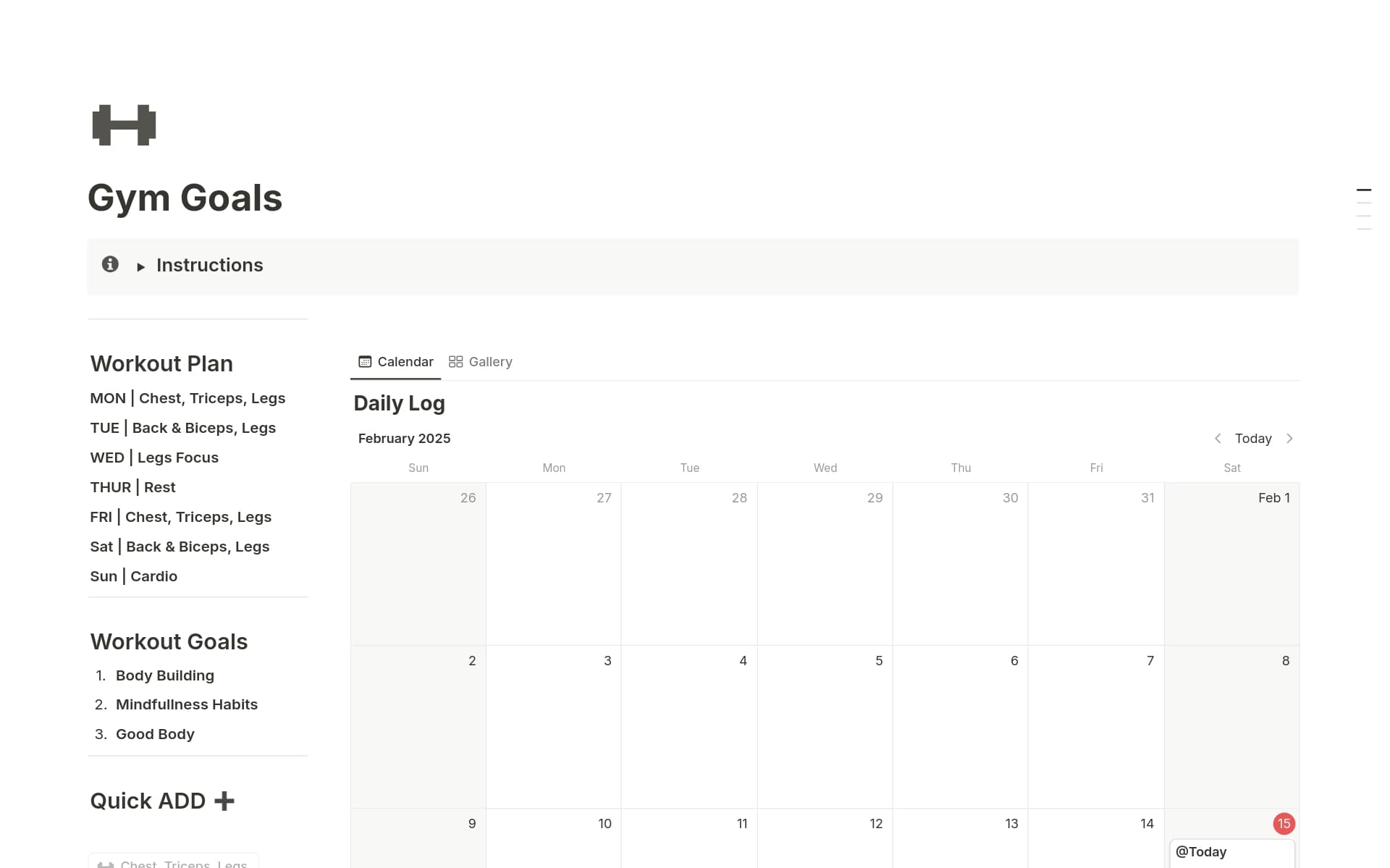
Workout journals are a classic way to track progress. Write down exercises, sets, reps, and weights. Note how you feel after each workout. Journals help spot patterns and improvements over weeks. They also let you reflect on your effort and goals. Use a notebook or printable sheets for easy access.
Fitness Apps And Wearables
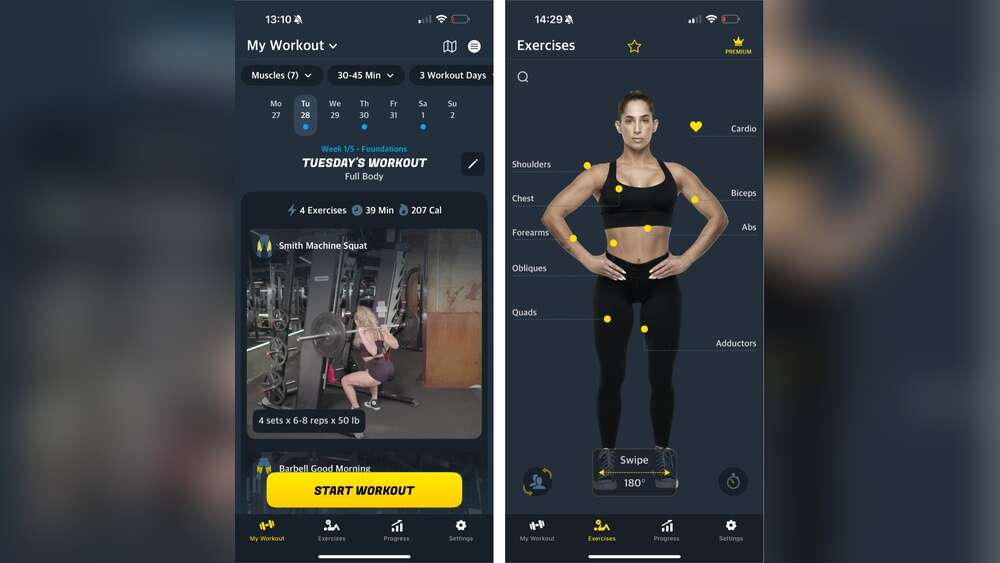
Fitness apps and wearables track workouts automatically. They record steps, heart rate, calories burned, and more. Apps often have reminders and goal settings. Wearables give real-time feedback during exercise. These tools are useful for beginners who like technology. Choose apps that are simple and easy to use.
Photo And Measurement Logs
Photos and body measurements show physical changes clearly. Take pictures regularly from the same angles. Measure waist, hips, arms, and legs with a tape measure. This method tracks visual progress beyond numbers. It helps stay motivated by seeing real results. Keep a folder or digital album for easy review.
Monitor Key Workout Metrics
Monitoring key workout metrics helps beginners see real progress. Tracking details keeps you focused and motivated. It shows what works and what needs change. Start with simple measurements that matter most.
Tracking Reps And Sets
Count how many reps you do for each exercise. Track the number of sets you complete. Write these down after every workout. This helps you watch your strength improve over time. Increasing reps or sets means your muscles are growing.
Recording Weight And Resistance
Note the weight or resistance used for each exercise. Use a notebook or app to record this data. Increasing weight shows your strength is building. Be careful to increase weight in small steps. Proper tracking prevents injuries and boosts gains.
Timing And Rest Intervals
Track how long each workout session lasts. Time your rest between sets to stay consistent. Shorter rest times can improve endurance. Longer rests might be needed for heavy lifting. Keeping track helps balance workout intensity and recovery.
Track Nutrition And Recovery
Tracking your nutrition and recovery helps improve workout results. These two areas affect energy, muscle growth, and overall health. Beginners often focus on exercises but overlook food and rest. Keeping an eye on nutrition and recovery supports steady progress and prevents burnout.
Basic Nutrition Logging
Write down what you eat each day. Note portion sizes and meal times. This helps understand your calorie intake and nutrient balance. Use simple apps or a notebook for tracking. Focus on proteins, carbs, and fats. Proper nutrition fuels workouts and repairs muscles. Small changes in diet can lead to big gains.
Importance Of Sleep And Rest Days
Sleep repairs the body and boosts energy. Aim for 7 to 9 hours each night. Rest days let muscles heal and grow stronger. Avoid training the same muscles every day. Overtraining can cause injuries and slow progress. Track sleep hours and rest days like workouts. Balanced recovery is key to lasting fitness.
Analyze Progress Regularly
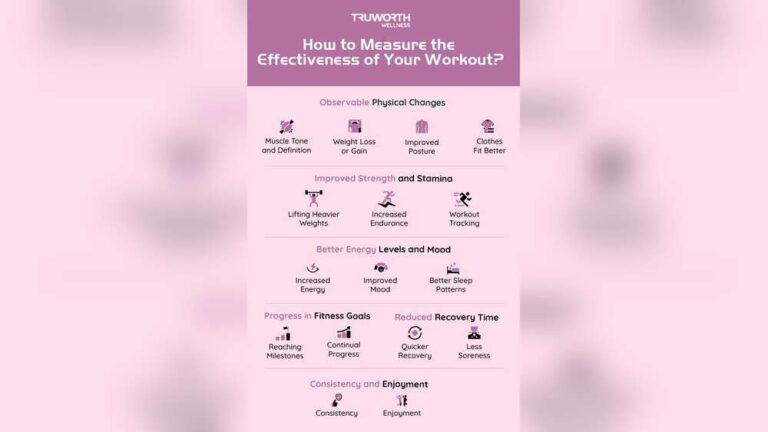
Tracking your workout progress is important. It helps you see what works and what needs change. Analyzing progress regularly keeps you on the right path. It shows small wins and points out areas to improve.
Checking your progress often builds good habits. It makes your fitness journey clear and less confusing. Use simple tools like a journal, apps, or photos. Note down your strength, endurance, and how you feel after each workout.
Weekly And Monthly Reviews
Set time to review your workouts each week. Look at your notes and see what you did well. Find patterns like better strength or more energy. Use monthly reviews to see bigger changes. Compare your performance and adjust goals if needed.
Write down what exercises felt easy or hard. Notice if you miss workouts or feel tired. These reviews help you stay honest with yourself. Celebrate small successes to stay motivated.
Adjusting Workouts Based On Data
Use your progress notes to change workouts smartly. If an exercise feels too easy, try adding more weight. If you feel pain, reduce intensity or rest more. Adjust reps, sets, or rest time to fit your needs.
Changing workouts based on data keeps your body challenged. It stops boredom and helps you improve faster. Make small changes and track results again. This cycle helps you grow stronger and healthier safely.
Stay Motivated Through Milestones
Tracking progress during workouts can be tough for beginners. Staying motivated helps keep the energy high. Setting milestones breaks the journey into smaller steps. Each step shows improvement and keeps focus strong.
Celebrating Small Wins
Small wins are important. They show that effort leads to results. Celebrate when you lift a little more or run a bit farther. These moments build confidence. Recognize progress, no matter how small. It makes the workout feel rewarding. Celebration can be simple, like a smile or a short break. This positive feeling fuels the next session.
Using Progress For Encouragement
Tracking progress helps you see how far you have come. Write down your achievements or take photos. Look at them when motivation drops. They remind you that hard work pays off. Progress is proof you can reach your goals. Use this encouragement to push through tough days. Consistency grows from noticing your own improvements.

Credit: www.gornation.com
Frequently Asked Questions
How Often Should Beginners Track Workout Progress?
Beginners should track progress weekly to monitor improvements. Regular tracking helps adjust workouts and stay motivated. Weekly updates are manageable and show clear trends over time.
What Are Simple Methods To Track Workout Progress?
Use a workout journal or fitness app to record exercises. Note sets, reps, weights, and duration. Photos and body measurements also help visualize progress effectively.
Why Is Tracking Workout Progress Important For Beginners?
Tracking progress keeps beginners motivated and focused on goals. It reveals strengths and weaknesses, enabling better workout adjustments. Progress tracking builds consistency and confidence in fitness journeys.
Can Beginners Track Progress Without Equipment?
Yes, beginners can track progress using bodyweight exercises and measurements. Track reps, sets, and time for workouts. Use photos and how clothes fit to gauge changes.
Conclusion
Tracking workout progress helps you stay motivated and see real results. Simple tools like a journal or app make tracking easy. Note your exercises, weights, and how you feel each day. Small improvements add up over time. Celebrate your progress, no matter how small it seems.
Consistency is key to building strength and endurance. Keep adjusting your plan based on what you track. Enjoy the journey and stay patient with yourself. Your effort will pay off with time and dedication.

Brandon Knoxley is a sport & fitness writer and training guide contributor at MySportFitHub. He focuses on practical workouts, performance-based training, and honest fitness gear insights designed for real people and real results. Brandon is passionate about helping beginners and active individuals train smarter, avoid common mistakes, and build sustainable fitness habits.