
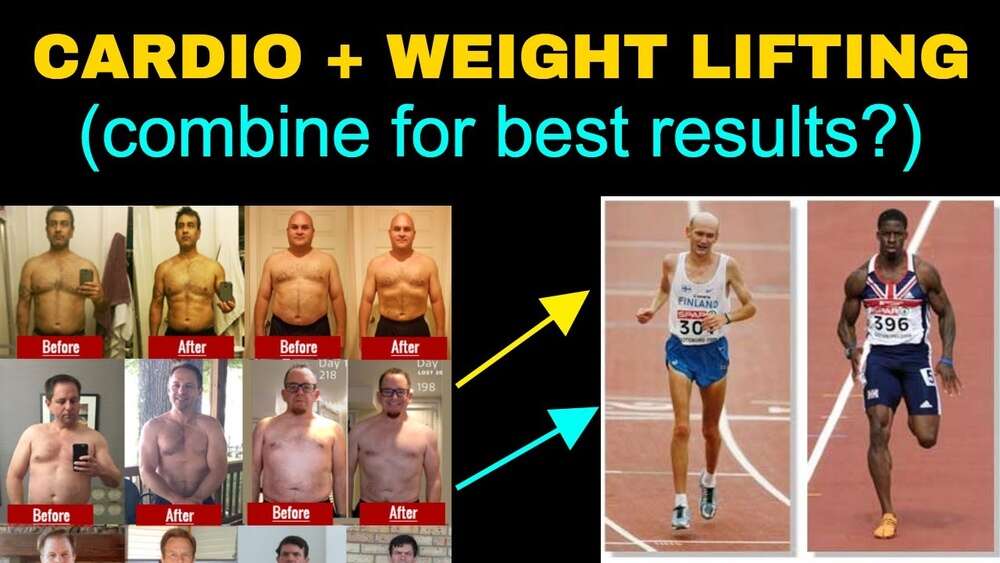
How to Balance Cardio And Strength Training: Ultimate Fitness Guide
Are you struggling to find the right mix between cardio and strength training? You’re not alone.
Many people wonder how to balance these two essential workouts without wasting time or energy. The truth is, getting the balance right can unlock faster results, better energy levels, and a stronger, healthier body. You’ll discover simple, effective strategies to combine cardio and strength training in a way that fits your lifestyle and goals.
Keep reading to learn how to create a workout plan that works for you—and finally get the most out of every session.
Benefits Of Cardio
Cardio exercises bring many benefits to your body and mind. They help improve overall fitness and support daily activities. Cardio also helps balance your workout routine with strength training. Understanding these benefits can guide you to a healthier lifestyle.
Regular cardio boosts how your heart works. It helps control weight and builds stamina. These effects make your body stronger and more active.
Heart Health
Cardio strengthens your heart muscle. A strong heart pumps blood more efficiently. This lowers blood pressure and reduces heart disease risks. It also improves blood flow to your body and brain.
Weight Management
Cardio burns calories and helps control weight. It increases your metabolism for hours after exercise. This helps you lose fat and maintain a healthy weight. Cardio can also reduce belly fat, which is linked to health issues.
Endurance Boost
Cardio increases your energy levels and stamina. It trains your lungs to use oxygen better. This means you can exercise longer and with less effort. Improved endurance helps with daily tasks and other workouts.
Benefits Of Strength Training
Strength training brings many important benefits to your body and health. It helps build muscles, burns more calories, and keeps your bones strong. These effects improve your fitness and daily life. Here are some key benefits that make strength training essential.
Muscle Growth
Strength training helps your muscles grow bigger and stronger. Lifting weights causes tiny damage to muscle fibers. Your body repairs them, making muscles thicker and tougher. Bigger muscles improve your strength and physical performance.
Metabolism Increase
Muscle tissue burns more calories than fat, even at rest. Adding muscle through strength training raises your metabolism. This means your body uses more energy all day. A higher metabolism helps with weight control and fat loss.
Bone Density
Regular strength training increases bone density. It stimulates bones to grow stronger and denser. This reduces the risk of fractures and osteoporosis. Strong bones support your body better and improve overall health.
Choosing The Right Cardio
Choosing the right cardio is key to balancing your workouts well. It helps improve heart health and supports strength training. Not all cardio exercises suit every person or goal. Picking the best type keeps you motivated and safe. Consider your body’s needs and your fitness level before starting.
Low Vs High Impact
Low-impact cardio is gentle on the joints. It includes walking, swimming, or cycling. These options reduce injury risk and suit beginners or those with pain. High-impact cardio means running, jumping, or intense aerobics. It burns more calories but can stress joints. Choose based on your body’s comfort and goals.
Duration And Intensity
Short, intense cardio sessions boost heart rate quickly. This is good for fat burning and stamina. Longer, moderate sessions improve endurance and help recovery. Mix both types to avoid burnout. Start with what your body can handle. Gradually increase time and effort for best results.
Indoor And Outdoor Options
Indoor cardio includes treadmills, stationary bikes, or dance classes. These provide control over weather and environment. Outdoor cardio like jogging, hiking, or cycling offers fresh air and varied scenery. Choose what feels enjoyable and fits your schedule. Changing locations can keep workouts exciting.
Strength Training Methods
Strength training helps build muscle and improve overall fitness. It supports your cardio workouts and helps prevent injuries. Choosing the right method is important for balance and progress.
Different methods suit different needs and goals. Understanding each type helps you create a balanced workout plan. Here are the main strength training methods to consider.
Free Weights
Free weights include dumbbells, barbells, and kettlebells. They allow natural movement and engage more muscles. Using free weights improves balance and coordination. They are flexible and can target many muscle groups.
Start with lighter weights to learn the correct form. Gradually increase weight to build strength safely. Free weights work well for all fitness levels.
Machines
Strength machines guide your movement for safer workouts. They are easy to use and good for beginners. Machines isolate specific muscles, making them great for focused training.
They reduce the risk of injury by controlling motion paths. Machines are helpful when recovering from injury or for added support. Use machines to complement free weight exercises.
Bodyweight Exercises
Bodyweight exercises use your own weight for resistance. Examples include push-ups, squats, and planks. They improve strength, endurance, and flexibility without equipment.
Bodyweight workouts are convenient and can be done anywhere. They help build functional strength for daily activities. Progress by increasing reps or changing exercise difficulty.
Creating A Balanced Schedule
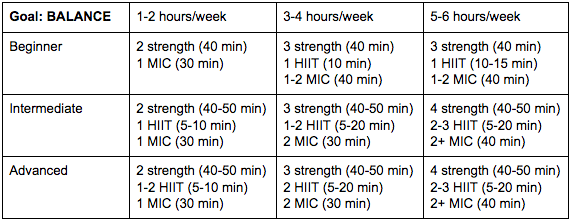
Creating a balanced schedule helps you get the most from both cardio and strength training. It prevents burnout and keeps your workouts effective. A good plan fits your goals, lifestyle, and fitness level. Balance means giving enough time to each workout type while allowing your body to heal.
Weekly Workout Plans
Plan your workouts to include cardio and strength exercises each week. For example, do cardio on Monday, Wednesday, and Friday. Add strength training on Tuesday and Thursday. This way, you train different muscles and avoid overuse. Keep one or two days free for rest or light activity. Change your plan every few weeks to stay motivated.
Rest And Recovery
Rest days help your muscles grow and repair. Without rest, your body gets tired and weak. Schedule at least one full rest day each week. On rest days, avoid intense activities. You can do gentle stretching or walk slowly. Sleep is also part of recovery. Aim for 7 to 9 hours of sleep every night to feel fresh.
Listening To Your Body
Your body tells you when to slow down or push harder. Notice soreness, pain, or extreme tiredness. These signs mean you need rest or lighter workouts. It’s okay to skip a session or switch exercises. Adjust your schedule based on how you feel. This approach keeps you safe and improves your results.
Credit: www.zing.coach
Combining Cardio And Strength
Combining cardio and strength training helps create a balanced fitness routine. This mix improves heart health and builds muscle. It also boosts endurance and burns more calories. Finding the right method to combine both can make workouts fun and effective. Choose the style that fits your goals and schedule best.
Circuit Training
Circuit training mixes cardio and strength in one workout. You move quickly from one exercise to another. This keeps your heart rate high and works different muscles. Circuits often use bodyweight moves or light weights. They save time and build fitness fast. Ideal for those who want a full-body workout in less time.
Hiit Workouts
HIIT means High-Intensity Interval Training. It uses short bursts of intense cardio with strength exercises. Rest periods follow each burst. This style burns fat and builds muscle fast. HIIT sessions are usually 20 to 30 minutes long. They improve stamina and strength without long gym hours.
Separate Sessions
Separate sessions mean doing cardio and strength on different days. This allows full focus on each type of training. You can lift weights one day and run or bike another. This method helps avoid tired muscles and reduces injury risk. It suits people who prefer detailed workouts for each goal.
Nutrition For Dual Training
Balancing cardio and strength training requires smart nutrition. Eating the right foods fuels your body for both types of exercise. Proper nutrition helps you recover faster and perform better. Focus on what your body needs to support dual training routines.
Macronutrient Needs
Your body needs three main nutrients: carbohydrates, proteins, and fats. Carbohydrates provide energy for cardio workouts. Proteins help repair and build muscles after strength training. Healthy fats support overall health and hormone balance. Balance these nutrients based on your workout intensity and goals.
Hydration Tips
Drink water throughout the day to stay hydrated. Dehydration reduces performance and slows recovery. Drink before, during, and after workouts. For longer sessions, consider electrolyte drinks to replace lost minerals. Listen to your body’s thirst signals to avoid under or overhydration.
Pre And Post Workout Meals
Eat a small meal or snack before workouts to fuel your body. Choose carbohydrates and some protein for sustained energy. After workouts, eat protein and carbs within 30 minutes to aid recovery. This helps rebuild muscles and restore energy stores quickly.

Credit: www.eimpersonaltraining.com
Tracking Progress
Tracking progress helps you stay on course with your fitness plan. It shows what works and what needs change. Keeping track keeps motivation high and helps avoid plateaus.
It is important to watch both cardio and strength gains. Balance means improving endurance and muscle strength together. Careful tracking makes this easier.
Setting Goals
Start with clear and simple goals. Write down what you want to achieve in cardio and strength. Goals like running a certain distance or lifting a specific weight work well.
Set short-term and long-term targets. Short-term goals keep you focused weekly. Long-term goals show the bigger picture over months.
Monitoring Improvements
Track your workouts regularly. Use a journal, app, or spreadsheet. Note time, distance, reps, and weight used. Record how you feel after each session.
Compare data week by week. Look for increases in speed, endurance, or strength. Small gains add up over time. Celebrate these wins.
Adjusting Workouts
Use your progress data to change your routine. Increase intensity if workouts feel easy. Add more sets or longer cardio sessions.
Lower the load or rest more if you feel tired or sore. Balance effort and recovery to avoid injury. Keep workouts challenging but safe.
Common Mistakes To Avoid
Balancing cardio and strength training can be tricky. Many people make mistakes that slow progress or cause injury. Avoiding common errors helps you stay safe and see results faster. Here are some key mistakes to watch out for.
Overtraining
Doing too much exercise harms your body. Overtraining causes fatigue and lowers your strength. It raises the risk of injury and burnout. Your muscles need rest to grow and recover. Plan rest days and listen to your body’s signals.
Ignoring Form
Bad form leads to injuries and poor results. Proper technique protects joints and muscles. It makes exercises more effective. Focus on slow and controlled movements. Use mirrors or ask for help to check your form.
Skipping Warm-ups
Warm-ups prepare your body for exercise. They increase blood flow and reduce injury risk. Skipping warm-ups can cause muscle strains and stiffness. Spend 5-10 minutes doing light cardio and stretching before training.
Credit: www.girlsgonestrong.com
Frequently Asked Questions
How Often Should I Do Cardio And Strength Training Weekly?
Aim for 3-4 cardio sessions and 2-3 strength workouts weekly. Balance ensures fat burning and muscle growth. Adjust based on your fitness goals and recovery ability.
Can I Combine Cardio And Strength In One Workout?
Yes, combining them saves time and boosts overall fitness. Start with strength training, then finish with cardio for best results. Keep sessions moderate to avoid burnout.
What’s The Best Order: Cardio Before Or After Strength?
Generally, do strength training first to maximize muscle energy. Follow with cardio to improve endurance and aid recovery. This order supports both muscle gain and fat loss.
How To Avoid Muscle Loss When Doing Cardio?
Limit cardio duration to 20-30 minutes on strength days. Include protein-rich meals post-workout. Prioritize strength training to maintain and build muscle mass.
Conclusion
Balancing cardio and strength training helps build a healthy body. Both types of exercise improve fitness in different ways. Cardio boosts heart health and endurance. Strength training builds muscle and strengthens bones. Combining them keeps workouts fresh and effective. Start with small steps and listen to your body.
Stay consistent and adjust as you progress. Enjoy the journey toward better health and energy. Small changes lead to big results over time. Keep moving, stay motivated, and feel stronger each day.

Brandon Knoxley is a sport & fitness writer and training guide contributor at MySportFitHub. He focuses on practical workouts, performance-based training, and honest fitness gear insights designed for real people and real results. Brandon is passionate about helping beginners and active individuals train smarter, avoid common mistakes, and build sustainable fitness habits.