How to Stop Feeling Nauseous After Exercise: Effective Tips Revealed
Have you ever pushed yourself through a workout, only to feel that uncomfortable wave of nausea afterward? It’s frustrating when exercise, which should make you feel strong and energized, leaves you feeling queasy instead.
But here’s the good news: you don’t have to accept post-exercise nausea as a normal part of your routine. You’ll discover simple, effective ways to stop feeling nauseous after exercise—so you can enjoy your workouts and recover with ease. Keep reading, and take control of how your body feels every time you work out.
Causes Of Post-exercise Nausea
Feeling nauseous after exercise is common. Knowing the causes helps prevent it. Several factors can trigger nausea after physical activity. Understanding them helps manage symptoms better.
Dehydration Effects
Not drinking enough water causes dehydration. This lowers blood volume and blood pressure. The body struggles to cool down. Dizziness and nausea often follow. Drink water before, during, and after exercise.
Low Blood Sugar
Exercise uses sugar stored in muscles for energy. Low blood sugar means less energy for your body. This can cause weakness and nausea. Eating a small snack before exercise helps. Choose foods with carbs and protein.
Overexertion
Pushing your body too hard leads to overexertion. Muscles become tired and stressed. The heart rate rises quickly. This overload stresses the body and causes nausea. Exercise at a steady pace to avoid this.
Improper Breathing
Shallow or fast breathing limits oxygen intake. The brain and muscles receive less oxygen. This causes dizziness and nausea. Focus on deep, steady breaths during exercise. Proper breathing improves comfort and performance.
Digestive Issues
Eating too much or too soon causes stomach discomfort. Blood flow shifts from the stomach to muscles. This slows digestion and causes nausea. Avoid heavy meals before exercise. Wait at least one hour before starting.
:max_bytes(150000):strip_icc()/gettyimages-157334099-2000-fe0b5bd962a6415c80cc1433079c61b7.jpg)
Credit: www.health.com
Prevention Strategies
Feeling nauseous after exercise can ruin your workout experience. Preventing nausea is easier than dealing with it later. Small changes in your routine help keep your stomach calm. Focus on hydration, food, pacing, warm-up, and breathing. These steps reduce nausea risks and boost exercise comfort.
Hydration Tips
Drink water before, during, and after exercise. Avoid gulping large amounts quickly. Sip water steadily to keep your body balanced. Dehydration often causes nausea during workouts. Sports drinks help replace lost minerals on long sessions. Don’t wait until you feel thirsty to drink.
Balanced Pre-workout Meals
Eat a light meal 1 to 2 hours before exercise. Choose foods with carbs and protein, low in fat. Avoid heavy, greasy, or very sugary foods. Small snacks like a banana or yogurt work well. A balanced meal gives you energy without upsetting your stomach.
Pacing Your Workout
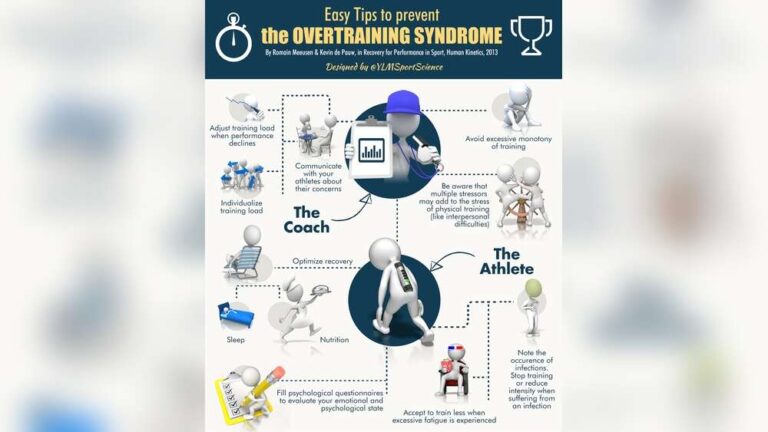
Start slow and increase intensity gradually. Sudden intense exercise can cause nausea. Listen to your body’s signals and rest if needed. Avoid pushing yourself too hard too fast. Consistent pacing helps your body adjust to activity levels.
Warm-up And Cool-down
Always include a warm-up before exercise. Gentle stretches and light movements prepare your body. Cool-down helps your heart rate return to normal. Skipping these steps can lead to dizziness and nausea. Take 5 to 10 minutes for each phase.
Breathing Techniques
Breathe deeply and regularly during exercise. Shallow breathing lowers oxygen and causes nausea. Try inhaling through your nose and exhaling through your mouth. Focus on steady breaths to calm your body. Proper breathing supports better endurance and comfort.
Immediate Remedies For Nausea
Feeling nauseous after exercise is common. Acting fast helps ease discomfort. Use these immediate remedies to stop nausea quickly. They help your body settle and feel better soon.
Rest And Recovery
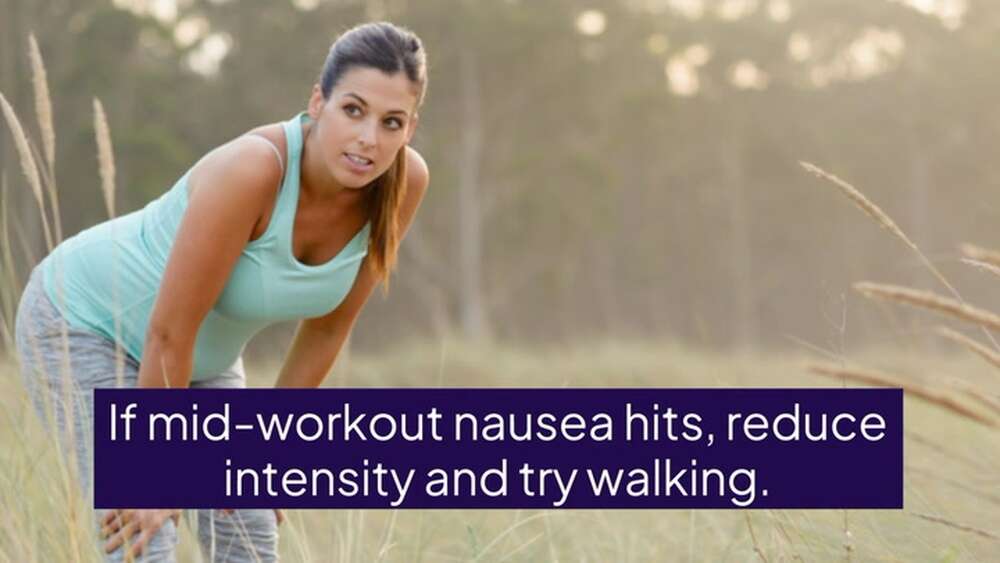
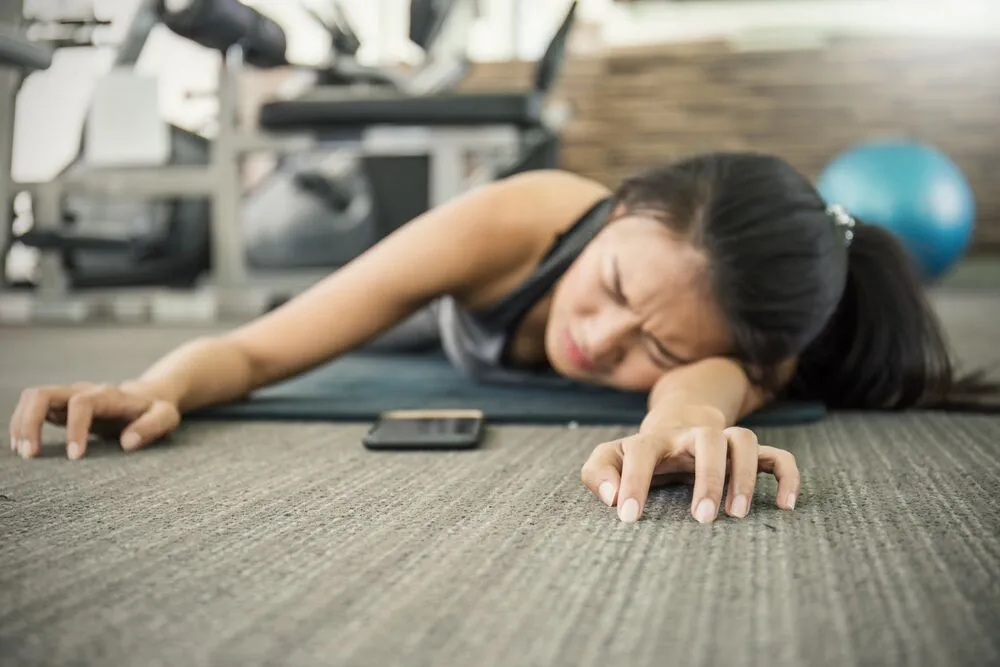
Stop moving and sit or lie down. Rest calms your body and lowers nausea. Avoid sudden movements that may worsen the feeling. Close your eyes and relax your muscles.
Hydrating Slowly
Drink small sips of water. Drinking too fast can upset your stomach more. Use room temperature water for comfort. Keep sipping slowly until nausea fades.
Consuming Light Snacks
Eat plain, light foods like crackers or toast. Avoid heavy or greasy meals right after exercise. Light snacks help stabilize your stomach. They provide gentle energy without causing upset.
Using Ginger Or Peppermint
Try ginger tea or peppermint tea to soothe nausea. Both have natural properties to calm your stomach. Sip slowly and breathe in the aroma. These help reduce nausea and discomfort.
Breathing Exercises
Take slow, deep breaths through your nose. Exhale gently through your mouth. Repeat several times to relax your body. Controlled breathing eases nausea and stress.
When To Seek Medical Advice
Knowing when to seek medical advice is important if nausea after exercise does not improve. Some symptoms may signal a more serious issue. Timely medical help can prevent complications.
Persistent Symptoms
Nausea lasting more than a few hours needs attention. If vomiting or dizziness continues, see a doctor. Ongoing nausea can mean an underlying problem that needs treatment.
Severe Dehydration Signs
Exercise can cause dehydration, making nausea worse. Look for dry mouth, dark urine, or rapid heartbeat. Feeling very weak or faint also needs urgent care. Severe dehydration requires medical treatment to restore fluids safely.
Underlying Health Conditions
Some health issues cause nausea after exercise. Heart problems, low blood sugar, or stomach disorders are examples. Seek medical advice if nausea comes with chest pain, severe headache, or confusion. Early diagnosis helps manage these conditions better.
Lifestyle Adjustments To Avoid Nausea
Feeling nauseous after exercise can be frustrating. Making simple lifestyle changes helps reduce this problem. These changes create a smoother experience during and after workouts. Focus on habits that support your body’s needs.
Small adjustments in daily routine improve how your body reacts to exercise. This section explains key lifestyle changes to avoid nausea after working out.
Consistent Workout Routine
Exercise regularly at similar times each day. This helps your body get used to activity. Avoid sudden intense workouts without preparation. Gradually increase workout intensity to prevent shock to your system. Consistency builds endurance and reduces nausea risk.
Avoiding Heavy Meals Before Exercise
Eat light meals before exercising. Heavy or large meals cause stomach discomfort and nausea. Choose easily digestible foods like fruits or yogurt. Allow at least one hour between eating and working out. This keeps your stomach calm and prevents sickness.
Stress Management
Stress affects digestion and body response to exercise. Practice relaxation techniques such as deep breathing or meditation. Managing stress lowers chances of feeling sick after workouts. A calm mind supports a healthy body during exercise.
Sleep Quality
Good sleep helps your body recover and manage exercise stress. Aim for 7 to 8 hours of sleep each night. Poor sleep increases fatigue and nausea risk during workouts. A rested body handles physical activity better and feels less sick.
Credit: www.onepeloton.com
Credit: jackcityfitness.com
Frequently Asked Questions
Why Do I Feel Nauseous After Exercising?
Nausea after exercise occurs due to low blood sugar, dehydration, or intense workouts. It signals your body is stressed or needs rest. Proper hydration, balanced meals, and gradual exercise intensity help reduce nausea. Consult a doctor if symptoms persist or worsen.
How Can Hydration Prevent Post-exercise Nausea?
Drinking water before, during, and after workouts keeps your body hydrated. Dehydration lowers blood volume and causes nausea. Sip fluids regularly to maintain hydration. Avoid sugary or caffeinated drinks as they may worsen symptoms. Proper hydration supports recovery and reduces nausea risk.
What Foods Help Stop Nausea After Exercise?
Light, bland foods like bananas, toast, or crackers soothe an upset stomach. Avoid heavy, greasy, or spicy meals post-workout. Small, frequent meals help maintain blood sugar levels and prevent nausea. Eating protein and complex carbs before exercise also reduces nausea chances.
Can Breathing Techniques Reduce Nausea After Workouts?
Yes, deep and controlled breathing improves oxygen flow and calms your nervous system. Practice slow inhales and exhales to reduce nausea and dizziness. Breathing techniques help manage workout intensity and stress, aiding faster recovery and comfort.
Conclusion
Nausea after exercise is common but manageable. Drink water before and after workouts. Eat small, light meals to avoid upset stomach. Take breaks if you feel dizzy or weak. Choose exercises that suit your fitness level. Rest well to help your body recover.
Keep track of what triggers your nausea. Simple steps can make exercise more enjoyable. Stay patient and listen to your body’s signals. You can feel better and keep moving forward.

Brandon Knoxley is a sport & fitness writer and training guide contributor at MySportFitHub. He focuses on practical workouts, performance-based training, and honest fitness gear insights designed for real people and real results. Brandon is passionate about helping beginners and active individuals train smarter, avoid common mistakes, and build sustainable fitness habits.