How to Train at Home With No Equipment: Ultimate Guide to Fitness
Are you ready to get fit without leaving your home or spending money on fancy gear? Training at home with no equipment might sound tough, but it’s easier than you think.
You don’t need a gym or machines to build strength, burn calories, and feel great. You’ll discover simple, effective exercises that use only your body weight. Stick with me, and by the end, you’ll have a clear plan to boost your fitness anytime, anywhere.
Let’s get started and make your workout goals a reality!
Credit: cheltenhamnaacp.com
Benefits Of Home Workouts
Training at home offers many advantages. It lets you exercise without leaving your house. This convenience helps you stay consistent and active. Home workouts also give you control over your routine. You decide when and how to exercise. These benefits make home training a great choice for many people.
Save Time And Money
Home workouts save travel time to gyms or classes. No need to wait for machines or equipment. You can start exercising right away. This saves precious minutes in your day. Also, you avoid costly gym memberships and fees. No need to buy special gear or pay for parking. Training at home keeps your budget healthy.
Flexible Scheduling
Working out at home fits any schedule. Exercise early in the morning or late at night. No strict class times or crowded gym hours. You can pause and restart workouts anytime. This freedom helps you stay active regularly. It’s easy to balance workouts with family or work.
Privacy And Comfort
Home offers privacy during workouts. No worries about being watched or judged. You can try new exercises without embarrassment. Your space is familiar and comfortable. Dress how you want and take breaks when needed. This relaxed setting encourages longer, better workouts.
Preparing Your Space
Creating a good workout space at home helps you stay focused and safe. Preparing your space means making a spot where you can move freely. This section shows easy steps to set up your area without special tools.
Choosing The Right Area
Pick a quiet place with enough room for your body to stretch. A corner of a living room or bedroom works well. Look for flat floors to keep balance during exercises. Natural light boosts energy but is not required.
Clearing Clutter
Remove items that block your movement or cause trips. Clear the floor and nearby surfaces. Keep the space tidy to avoid distractions. A neat area feels more inviting and helps you focus.
Using Household Items
Use common objects to add variety to your workout. Chairs can support step-ups or tricep dips. Water bottles serve as light weights for arm exercises. Towels help with stretching or sliding moves.
Bodyweight Exercises
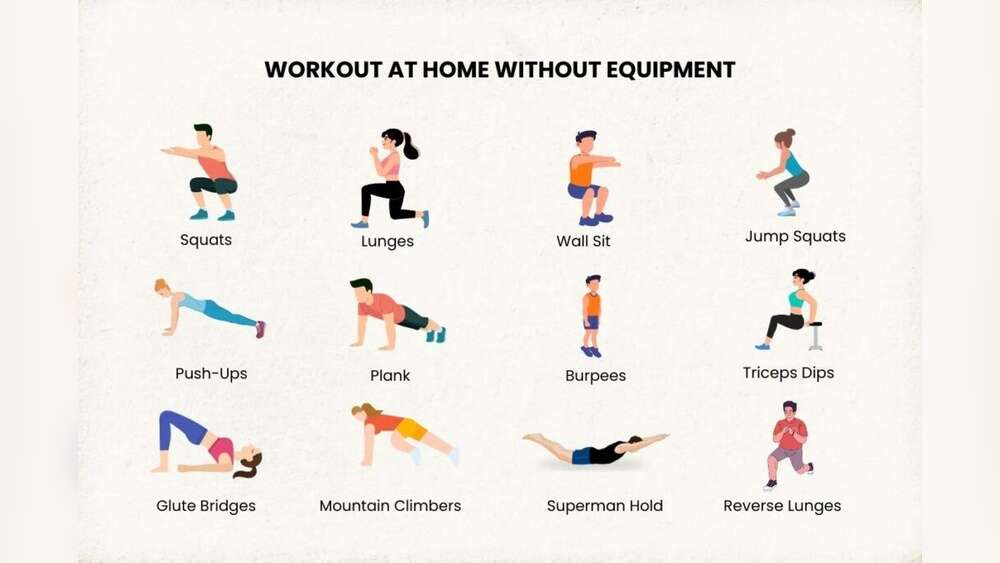
Bodyweight exercises offer a powerful way to train at home without any equipment. They use your own body weight for resistance. These exercises can build strength, improve balance, and increase flexibility.
You can target different muscle groups with simple moves. These exercises are easy to modify for all fitness levels. Consistency is key to seeing results.
Upper Body Moves
Push-ups are a classic upper body exercise. They work the chest, shoulders, and arms. Start with wall push-ups if regular ones are too hard. Gradually build up to standard push-ups on the floor.
Tricep dips use a chair or low surface. Place your hands behind you and lower your body down. This move strengthens the back of your arms. It helps tone your triceps effectively.
Lower Body Moves
Squats target the thighs, hips, and buttocks. Stand with feet shoulder-width apart. Lower your hips like sitting in a chair. Rise back up and repeat. Squats improve leg strength and balance.
Lunges work the legs and glutes too. Step forward with one foot and bend both knees. Push back to the start position. Switch legs after each rep. Lunges increase muscle endurance and coordination.
Core Strengtheners
Planks build strong core muscles. Hold your body straight on your forearms and toes. Keep your belly tight and back flat. Start with short holds and increase time gradually.
Crunches focus on the abdominal muscles. Lie on your back, knees bent, feet flat. Lift your shoulders off the ground using your abs. Lower back down slowly. This exercise tones the stomach area.
Creating A Workout Plan
Creating a workout plan is the first step to train at home without any equipment. A good plan helps you stay on track and see progress. It sets a clear path and keeps you motivated. Planning workouts also prevents injury and burnout. Let’s break down how to create an effective workout plan.
Setting Goals
Start by deciding what you want to achieve. Do you want to build strength, lose weight, or improve stamina? Setting clear goals helps you focus your workouts. Write down your goals to keep them in mind. Make your goals small and reachable. This way, you feel proud when you meet them.
Balancing Cardio And Strength
Include both cardio and strength exercises in your plan. Cardio helps your heart and burns calories. Strength training builds muscles and tones your body. You can do jumping jacks or running in place for cardio. Use your body weight for strength exercises like push-ups and squats. A balance of both makes your workouts effective.
Scheduling Rest Days
Rest days are important for your muscles to recover. Plan at least one or two rest days each week. On rest days, do light activities like stretching or walking. Rest helps prevent injuries and keeps your energy high. Do not skip rest days even if you feel good. Your body needs time to heal and grow stronger.
Staying Motivated At Home
Staying motivated at home can be tough. Without a gym or coach, it is easy to lose focus. Small distractions and lack of routine often stop progress. Yet, with the right mindset and tools, training at home can be both fun and effective. Here are some ways to keep your motivation strong.
Tracking Progress
Tracking progress helps you see how far you have come. Use a notebook or an app to record your workouts. Write down exercises, sets, and reps. Check your improvements every week. This boosts confidence and keeps you moving forward.
Finding Online Resources
Online videos and tutorials offer great help. Many free workouts fit all skill levels. Follow trainers who explain exercises clearly. Choose short sessions to avoid feeling tired. Online groups also provide support and ideas.
Setting Challenges
Challenges create excitement and a goal to reach. Set small targets like doing more push-ups each week. Try new exercises to keep things fresh. Reward yourself when you meet a goal. Challenges keep workouts interesting and push you ahead.
Credit: site-craft.net
Avoiding Common Mistakes
Training at home without equipment can be very effective. Many beginners make simple mistakes that slow progress or cause injury. Avoiding these common errors helps keep workouts safe and productive. Focus on smart habits to get the best results.
Skipping Warm-ups
Warm-ups prepare your body for exercise. They increase blood flow and reduce injury risk. Skipping warm-ups can cause muscle strains. Spend 5 to 10 minutes on light activity like walking or stretching. This step wakes up your muscles and joints.
Poor Form
Good form keeps exercises safe and effective. Poor form can hurt muscles and joints. It also lowers workout benefits. Watch yourself in a mirror or record your movements. Correct your posture and movements before adding more reps.
Overtraining
Overtraining causes fatigue and injury. Your body needs rest to recover and grow stronger. Avoid working the same muscles every day. Take rest days and listen to your body’s signals. Balanced training leads to steady progress and fewer setbacks.
Advanced Home Training Techniques
Advanced home training techniques help you build strength and endurance without gear. These methods use your body weight and simple moves. They challenge muscles in new ways. They keep workouts fresh and effective. Try these techniques to push your limits at home.
Plyometrics
Plyometrics are fast, powerful movements. They improve speed and power. Jump squats, burpees, and tuck jumps are good examples. These exercises make muscles work harder. They increase your heart rate quickly. Do plyometrics in short bursts with rests. It boosts your fitness and burns fat.
Isometric Holds
Isometric holds keep your muscles tense without moving. Planks, wall sits, and hollow body holds are common. They build strength and stability. Hold each position for 20 to 60 seconds. Focus on tight muscles and steady breathing. These holds improve muscle endurance and control.
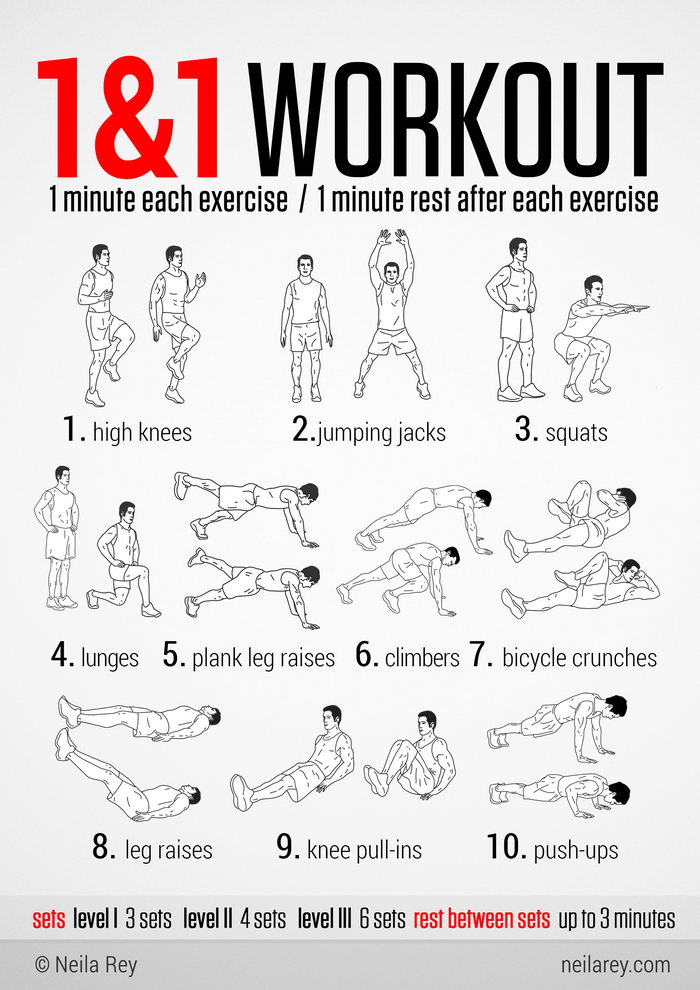
Circuit Training
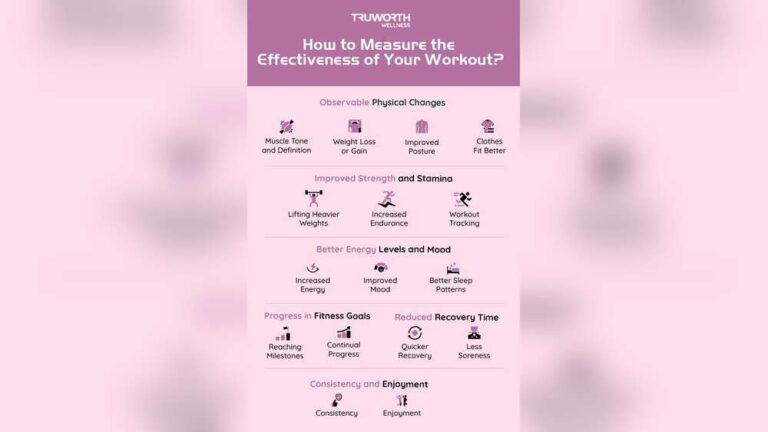
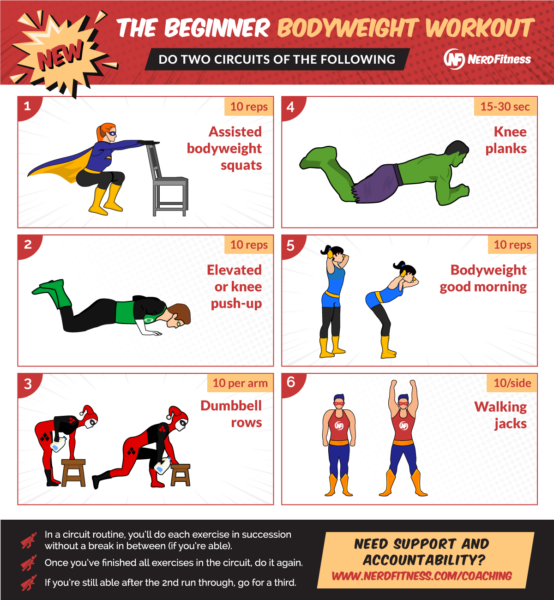
Circuit training mixes several exercises in a row. Do one set of each move without rest. Then take a short break after the round. Use moves like push-ups, lunges, and mountain climbers. This method burns calories and tones muscles fast. It also improves your stamina and strength.
Credit: www.itprime.com.br
Nutrition Tips For Home Trainers
Nutrition plays a big role in home workouts. Eating right fuels your body and helps your muscles recover. Good food choices make your training more effective. Even without gym equipment, you can reach your fitness goals with smart nutrition.
Balanced Diet Basics
Eat a mix of proteins, carbs, and fats every day. Proteins build and repair muscles. Carbs give you energy for workouts. Healthy fats support your brain and hormones. Include fruits and vegetables for vitamins and minerals. Avoid too much sugar and processed foods.
Hydration Importance
Drink water often to stay hydrated. Water helps your body cool down and keeps your muscles working well. Aim for at least eight glasses a day. Drink more if you sweat a lot during exercise. Avoid sugary drinks and too much caffeine.
Meal Timing
Eat small meals throughout the day. Have a light snack before your workout for energy. After training, eat protein and carbs to help muscles recover. Try not to skip meals or eat heavy food right before exercise. Regular meal times keep your energy steady.
Frequently Asked Questions
What Are The Best Exercises To Train At Home Without Equipment?
Bodyweight exercises like push-ups, squats, lunges, and planks are effective. They target multiple muscle groups and improve strength and endurance.
How Can I Build Muscle Without Gym Equipment?
Focus on high-repetition bodyweight exercises and slow, controlled movements. Use variations like single-leg squats and incline push-ups to increase difficulty.
How Often Should I Train At Home Without Equipment?
Aim for 3 to 5 sessions per week, allowing rest days. Consistency is key for progress and injury prevention.
Can I Lose Weight Training At Home With No Equipment?
Yes, combining bodyweight exercises with cardio workouts boosts calorie burn. Maintaining a healthy diet enhances weight loss results.
Conclusion
Training at home without equipment is simple and effective. You need only your body and space. Choose exercises like push-ups, squats, and planks. These moves build strength and improve fitness. Keep a regular routine for best results. Small steps each day lead to progress.
Stay consistent and listen to your body. Enjoy the freedom of working out anytime. No gym, no problem. Your health is in your hands. Start today and feel the difference.

Brandon Knoxley is a sport & fitness writer and training guide contributor at MySportFitHub. He focuses on practical workouts, performance-based training, and honest fitness gear insights designed for real people and real results. Brandon is passionate about helping beginners and active individuals train smarter, avoid common mistakes, and build sustainable fitness habits.