How to Manage Hydration During Exercise: Expert Tips for Peak Performance
Are you struggling to stay energized and focused during your workouts? One simple key to unlocking better performance and faster recovery is managing your hydration the right way.
When you exercise, your body loses water quickly, and if you don’t replenish it properly, you can feel tired, dizzy, or even risk serious health issues. But don’t worry—knowing how to manage hydration during exercise is easier than you think.
You’ll discover practical tips that fit your routine and help you stay at your best, every time you move. Keep reading to learn how to fuel your body with the right fluids and avoid the common hydration mistakes that hold you back.
Importance Of Hydration
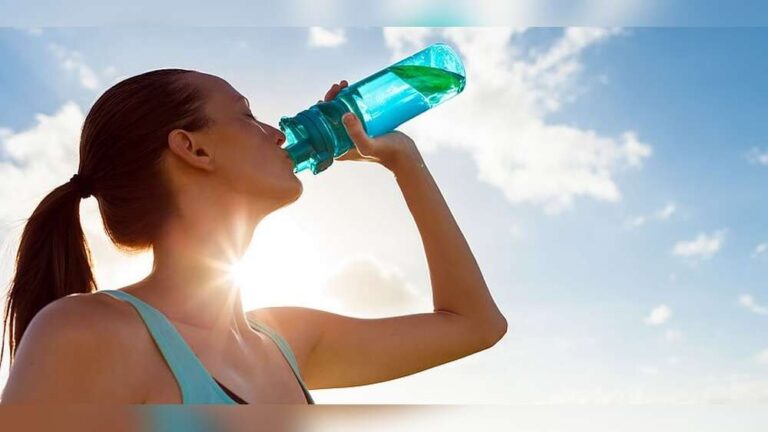
Hydration is key to staying healthy during exercise. Water keeps your body working well. It helps control body temperature. It also moves nutrients and oxygen to cells. Without enough water, your muscles and brain do not work at their best.
Drinking water helps you avoid tiredness. It also reduces the risk of injury. Proper hydration supports better focus and strength. Staying hydrated makes exercise safer and more effective.
Effects Of Dehydration On Performance
Dehydration lowers energy levels quickly. Muscles get weak and cramp easily. Your heart works harder to pump blood. This causes faster breathing and fatigue. Your body temperature rises, making you feel hot. Dehydration slows down your reaction time. This can affect your balance and coordination.
Signs Of Dehydration
Feeling very thirsty is the first sign. Dry mouth and lips also show dehydration. Dark yellow urine means you need water. Headaches and dizziness can occur too. Muscle cramps or weakness may happen. Feeling tired or confused is a warning. Watch for these signs and drink water often.

Credit: www.getlabtest.com
Hydration Needs By Exercise Type
Hydration needs vary by exercise type. Different activities cause different levels of sweating and fluid loss. Knowing how to hydrate properly helps maintain energy and avoid cramps. It also supports better performance and quicker recovery.
Endurance Training
Endurance exercises like running or cycling last long. They cause steady sweating and fluid loss. Drink water before, during, and after sessions. Use sports drinks with electrolytes for workouts over one hour. Electrolytes replace salt lost through sweat. Sip small amounts regularly to stay hydrated.
High-intensity Workouts
High-intensity workouts include sprints or circuit training. These cause heavy sweating in short periods. Drink water before starting and during breaks. Small, frequent sips help maintain hydration. Sports drinks can help if the session lasts more than 45 minutes. Electrolytes support muscle function and prevent cramps.
Strength Training
Strength training involves lifting weights or resistance exercises. Sweat loss is usually less than in endurance or high-intensity workouts. Drink water before and after sessions. Sip water during rests if needed. Staying hydrated helps muscle recovery and reduces fatigue. Avoid sugary drinks that can slow hydration.
Choosing The Right Fluids
Choosing the right fluids during exercise affects your hydration and performance. Not all drinks hydrate the same way. Pick fluids that support your body’s needs and keep you energized. Learn what works best for your workout.
Water Vs. Sports Drinks
Water is the simplest and best choice for most exercises. It keeps you hydrated without extra calories or sugar. For short workouts, water is enough. Sports drinks help during long or intense exercise. They replace fluids and provide energy with carbohydrates.
Use sports drinks during exercise lasting more than an hour. They restore lost electrolytes and fuel muscles. For less than an hour, stick to water to avoid extra sugar intake.
Electrolyte Balance
Electrolytes like sodium, potassium, and magnesium keep your muscles working. They control fluid balance and nerve signals. Sweating causes you to lose electrolytes. Losing too many can cause cramps and fatigue.
Sports drinks contain electrolytes to replace what you lose. For light exercise, a balanced diet usually covers your needs. For intense or long sessions, choose drinks with electrolytes to stay balanced.
Avoiding Sugary And Caffeinated Drinks
Sugary drinks can cause energy spikes then crashes. They may dehydrate you instead of hydrating. Caffeinated drinks act as diuretics, increasing urine and fluid loss. These effects reduce your hydration levels.
Avoid sodas, energy drinks, and coffee during workouts. Choose plain water or specially made hydration drinks. Your body will thank you with better endurance and recovery.
Pre-exercise Hydration Strategies
Proper hydration before exercise helps improve performance and prevents dehydration. Planning fluid intake ahead supports steady energy and focus during workouts. Start hydrating early to keep your body ready for physical activity.
Hydrating Before Workout
Drink 16 to 20 ounces of water about two hours before exercise. This gives your body time to absorb fluids and remove excess. Avoid drinking too much right before starting. Small sips closer to workout time help maintain hydration without discomfort.
Meal And Fluid Timing
Eat a balanced meal 2 to 3 hours before exercising. Include water-rich foods like fruits and vegetables. Drink 8 to 10 ounces of water with your meal. If you exercise within an hour after eating, choose light snacks and small sips of water. This prevents stomach upset during activity.
Hydration During Exercise
Staying hydrated during exercise is very important. Water helps keep your body cool and your muscles working well. Drinking the right amount of fluids can improve your energy and prevent cramps. It also helps avoid dehydration, which can make you feel tired and weak.
Hydration needs change based on how long and hard you exercise. Knowing how much to drink and when can keep you safe and feeling good.
How Much To Drink
Drink about 7 to 10 ounces of water every 10 to 20 minutes during exercise. This helps replace fluids lost through sweat. Do not wait until you feel thirsty. Thirst means your body is already low on fluids. After exercising, drink enough to replace any weight lost. A good rule is to drink 16 to 24 ounces for every pound lost.
Best Practices For Different Durations
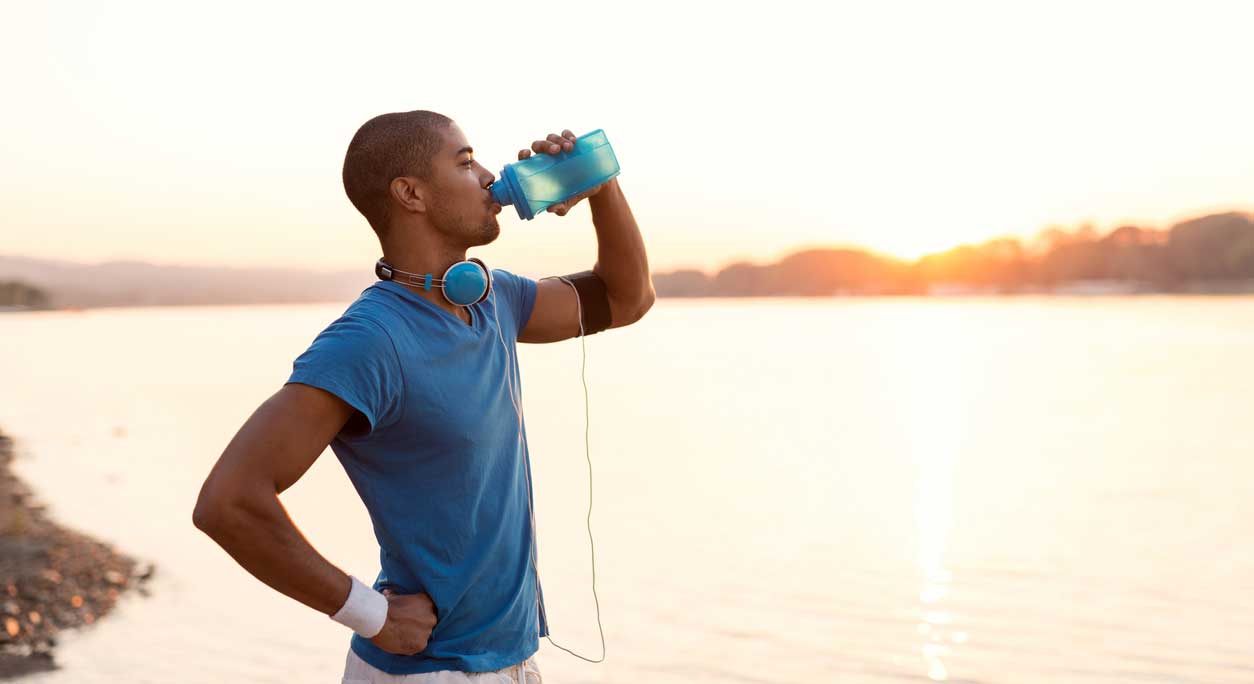
For exercise under 60 minutes, water is usually enough. Sip small amounts regularly. For workouts longer than one hour, sports drinks can help. They replace electrolytes and provide energy. Avoid drinking too much at once. It can cause stomach discomfort. Start hydrating before exercise and continue during and after.
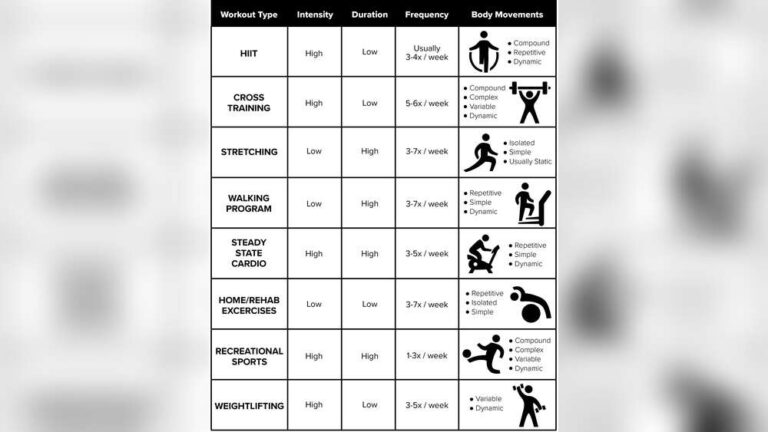
Credit: www.massgeneralbrigham.org
Post-exercise Rehydration
Post-exercise rehydration is a key part of recovery. It helps replace fluids lost through sweat. Proper hydration supports muscle repair and reduces fatigue. Drinking the right fluids can speed up your recovery.
Recovery Fluids
Water is the simplest choice for rehydration. It works well for light or short workouts. For intense or long exercise, fluids with electrolytes are better. Sports drinks contain sodium and potassium. These help restore the body’s salt balance. Coconut water is a natural alternative with minerals. Avoid drinks high in sugar or caffeine. They can cause dehydration or stomach upset.
Monitoring Hydration Status
Check your urine color to monitor hydration. Light yellow means good hydration. Dark yellow or amber shows dehydration. Weigh yourself before and after exercise. A weight loss shows how much fluid you lost. Aim to drink 1.5 times the lost weight in fluids. Pay attention to thirst and dry mouth. These signals tell you to drink more. Proper hydration improves recovery and overall health.
Hydration Tips For Different Environments
Hydration needs change with the environment around you. Different weather and places affect how much water your body loses. Adjusting your water intake helps you stay safe and perform well during exercise.
Hot And Humid Conditions
In hot and humid weather, your body sweats more to cool down. Sweat does not evaporate quickly in humidity. This makes you lose more fluids than usual. Drink water before, during, and after exercise. Use sports drinks to replace lost salts and minerals. Wear light, breathable clothes to help sweat evaporate. Take short breaks to avoid overheating.
Cold Weather
Cold air can reduce your thirst, so you may drink less. Your body still loses water through breath and sweat. Drink fluids regularly, even if you don’t feel thirsty. Warm drinks can help you stay hydrated and comfortable. Avoid caffeine and alcohol as they can dry you out. Dress in layers to balance body temperature and reduce sweat loss.
Altitude Effects
High altitude makes you breathe faster, losing more water through breath. The air is drier, causing extra fluid loss from skin and lungs. Increase water intake to avoid dehydration and altitude sickness. Drink small amounts often instead of large amounts at once. Avoid salty snacks that can increase thirst. Rest often and watch for signs of dehydration.
Using Technology To Track Hydration
Technology helps track hydration during exercise easily. It offers real-time data to keep your body balanced. Using tech tools, you can avoid dehydration and improve performance. These devices and apps give clear guidance on when and how much to drink.
Wearable Hydration Monitors
Wearable hydration monitors fit on your wrist or arm. They measure your sweat rate and body water levels. These devices use sensors to check hydration status continuously. They alert you when to drink water. This helps prevent dehydration during workouts. Many monitors connect with smartphones for easy tracking.
Apps And Smart Bottles
Hydration apps track your water intake and remind you to drink. They let you set daily hydration goals based on your activity. Some apps sync with fitness trackers for better accuracy. Smart bottles measure how much water you drink. They send data to your phone automatically. These bottles glow or beep to remind you to hydrate.
Credit: www.bloomfieldurgentmedcare.com
Frequently Asked Questions
How Much Water Should I Drink During Exercise?
Drink about 7-10 ounces of water every 10-20 minutes during exercise. Adjust based on sweat rate and weather conditions. Staying hydrated helps maintain performance and prevents cramps or heat-related issues.
When Is The Best Time To Hydrate Before Exercise?
Hydrate 2-3 hours before exercising by drinking 16-20 ounces of water. Also, drink 8-10 ounces 20-30 minutes before starting. Proper hydration boosts energy and reduces dehydration risks.
Can Electrolytes Improve Hydration During Workouts?
Yes, electrolytes like sodium and potassium help balance fluids and improve hydration. They are especially important during intense or long-duration exercise. Sports drinks or electrolyte supplements can be beneficial in such cases.
How Do I Know If I’m Dehydrated During Exercise?
Signs include thirst, dry mouth, dizziness, fatigue, and dark urine. If you experience these, stop and rehydrate immediately. Monitoring these symptoms helps prevent serious dehydration and maintain exercise safety.
Conclusion
Staying hydrated helps your body work well during exercise. Drink water before, during, and after activities. Choose drinks with electrolytes for longer workouts. Pay attention to your body’s signals like thirst and tiredness. Avoid waiting until you feel very thirsty.
Small sips often work better than large amounts at once. Proper hydration boosts energy and helps muscles stay strong. Keep a water bottle nearby whenever you exercise. Good hydration habits protect your health and improve performance. Simple steps make a big difference in how you feel.
Stay smart, stay hydrated, and enjoy your workout.

Brandon Knoxley is a sport & fitness writer and training guide contributor at MySportFitHub. He focuses on practical workouts, performance-based training, and honest fitness gear insights designed for real people and real results. Brandon is passionate about helping beginners and active individuals train smarter, avoid common mistakes, and build sustainable fitness habits.