
How to Train Smarter Not Harder Sports: Maximize Performance Fast
Are you tired of pushing yourself to the limit without seeing the results you want in your sports training? What if you could get better, faster, and stronger by working smarter, not harder?
Training smarter means making every workout count, avoiding burnout, and reaching your goals with less effort. You’ll discover simple, effective strategies to upgrade your training routine. Get ready to unlock your full potential and see real progress without the endless grind.
Keep reading to find out how you can train smarter and transform your performance.
Set Clear Goals
Setting clear goals is key to training smarter in sports. Goals give your training direction and purpose. They help you focus on what matters most. Without clear goals, training can feel random and less effective.
Clear goals also boost motivation. You know what to aim for. Every session feels meaningful. This approach saves time and energy.
Short-term Vs Long-term Targets
Short-term targets are small steps you take soon. They keep you motivated and show quick results. Examples include improving your sprint time by one second or doing five more push-ups this week.
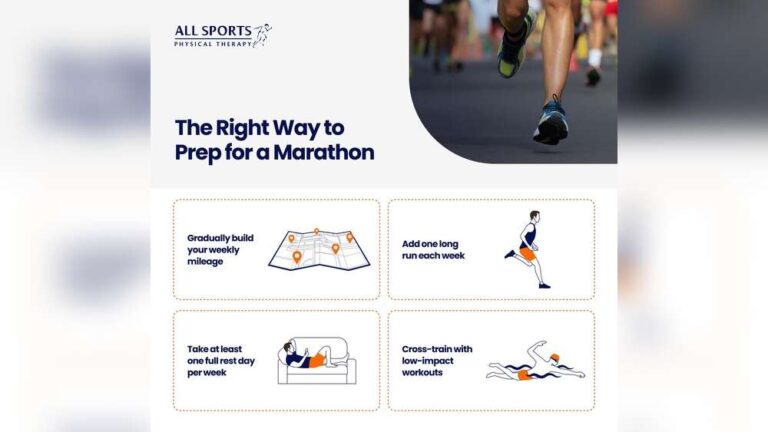
Long-term targets are bigger goals set for the future. They give you a bigger vision. This could be running a marathon or winning a local sports event. Long-term goals need patience and steady work.
Both types of targets work best together. Short-term goals guide daily training. Long-term goals keep you focused on the bigger prize.
Measuring Progress
Tracking progress helps you see how well you are doing. Use simple tools like journals, apps, or videos. Record your times, distances, or reps regularly.
Measuring progress highlights improvements. It also shows areas needing more work. This feedback helps adjust your training plan.
Regular checks stop you from wasting effort on the wrong things. They keep your goals realistic and within reach.

Credit: nextbigideaclub.com
Focus On Technique
Focusing on technique is the key to training smarter in sports. Good technique saves energy and improves performance. It helps you avoid injuries and train more effectively. Practicing with the right form builds a strong foundation for any sport.
Mastering Fundamentals
Start with the basic moves of your sport. Learn how to position your body correctly. Pay attention to your balance and posture. Practice these skills slowly and clearly. Repetition helps build muscle memory. Strong fundamentals make advanced skills easier to learn.
Common Mistakes To Avoid
Many athletes rush through techniques without control. This leads to poor form and injury. Avoid using too much force early on. Do not ignore pain or discomfort. Skipping warm-ups often causes problems later. Focus on smooth and steady movements instead of speed. Correct these errors to train smarter and stay safe.
Incorporate Smart Training Methods
Training smarter means using methods that improve results without wasting energy. It helps athletes avoid injury and stay motivated. Smart training focuses on quality, not just quantity. It combines science with practice for better performance.
High-intensity Interval Training
High-Intensity Interval Training (HIIT) mixes short bursts of fast exercise with rest or slow movement. This type of training boosts endurance and burns fat quickly. It saves time and raises heart rate efficiently. Athletes improve speed and stamina using HIIT.
For example, sprint for 30 seconds, then walk for 1 minute. Repeat several times. This method pushes your limits without overtraining. It also keeps workouts exciting and fresh.
Periodization Strategies
Periodization breaks training into phases with different goals. Each phase focuses on strength, speed, or recovery. It helps prevent burnout and plateaus. Athletes build peak fitness at the right time for events.
Plan training cycles lasting weeks or months. Start with light workouts, then increase intensity gradually. End with rest or low-intensity work. This cycle lets the body adapt and grow stronger.
Leverage Technology
Training smarter means using the right tools to improve your sports performance. Technology offers many ways to help you track progress and plan workouts. It saves time and helps avoid injury by showing what works best for your body.
Wearables And Performance Tracking
Wearables like fitness bands and smartwatches collect data on your heart rate, steps, and calories. They show how your body reacts during exercise. This helps you adjust intensity and rest time. You can spot patterns and improve steadily. Tracking progress keeps motivation high and sets clear goals.
Apps For Customized Workouts
Workout apps create plans based on your fitness level and goals. They guide you through exercises with videos and tips. Apps track your improvements and suggest changes. Custom workouts save time by focusing on what you need most. They help maintain variety and challenge in training routines.
Optimize Recovery
Optimizing recovery is key to training smarter, not harder. It helps your body repair and grow stronger. Without proper recovery, your progress slows, and injury risk rises.
Focus on rest and nutrition to support your muscles. These simple steps improve your overall performance and keep you ready for your next workout.
Importance Of Rest Days
Rest days let your muscles heal and rebuild. Skipping rest increases fatigue and reduces strength. Your body needs time to fix tiny muscle tears caused by exercise. Without rest, you may feel tired and lose motivation. Plan at least one or two rest days each week. Use this time to relax and avoid intense activities. This approach keeps your energy high and prevents burnout.
Nutrition And Hydration
Eating the right foods fuels recovery. Protein helps repair muscle tissues. Carbohydrates restore energy stores. Include fruits and vegetables for vitamins and minerals. Drinking enough water is equally important. Water removes waste and keeps cells healthy. Dehydration slows down recovery and lowers performance. Drink water before, during, and after exercise. Balanced nutrition and hydration speed up your recovery process.
Credit: bfathletics.com
Mental Conditioning
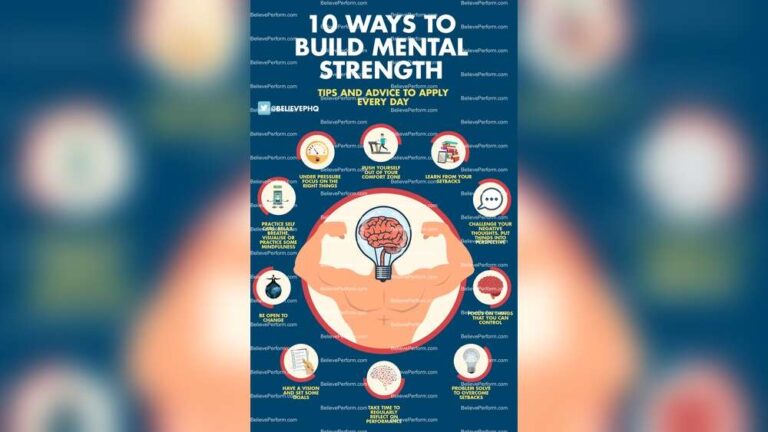
Mental conditioning plays a key role in training smarter for sports. It helps athletes stay focused and calm. Building mental strength improves performance under pressure. Good mental habits support physical training and skill development.
Strong mental conditioning reduces fear and doubt. It builds confidence and motivation. Athletes who train their minds can handle challenges better. Mental skills are as important as physical skills in sports.
Visualization Techniques
Visualization means imagining success in your mind. Picture yourself performing the sport perfectly. See every detail clearly, like movements and sounds. This mental practice prepares your brain for real action.
Visualization boosts confidence and focus. It helps you stay calm during competition. Repeat the images daily for best results. Athletes use this technique to improve skills and reduce anxiety.
Stress Management
Stress can hurt sports performance. Learning to manage stress keeps your mind clear. Simple breathing exercises calm your body fast. Practice deep breaths before and during events.
Good sleep and healthy nutrition lower stress levels. Taking breaks avoids burnout. Find quiet time to relax your mind. Managing stress helps you stay sharp and ready.
Track And Adjust Plans
Tracking progress and adjusting your training plan is key for smart sports training. It helps you see what works and what needs change. This way, you use your time and effort wisely. Keep your plan flexible and open to changes. This keeps your training effective and avoids burnout.
Analyzing Performance Data
Collect data after each workout or game. Note your speed, strength, and endurance levels. Use simple tools like apps or notebooks. Look for patterns in your performance. Identify your strong points and weaknesses. This helps you understand where to focus next. Data shows if you improve or if a change is needed.
Adapting To Feedback
Listen to your body and coaches carefully. Pain, fatigue, or slow progress are signals to change. Adjust your training intensity or rest days. Take advice from trainers seriously. Small changes can lead to better results. Keep communication open and honest. Adaptation is the key to avoid injury and stay motivated.
Credit: www.americansportandfitness.com
Frequently Asked Questions
What Does Training Smarter Mean In Sports?
Training smarter means focusing on quality, not just quantity. It involves efficient workouts, proper recovery, and goal-specific exercises to enhance performance without overtraining.
How Can I Avoid Overtraining In Sports?
Avoid overtraining by scheduling rest days, listening to your body, and varying workout intensity. Proper nutrition and sleep also help prevent burnout and injuries.
What Are Key Components Of A Smart Training Plan?
A smart plan includes goal setting, balanced workouts, progressive overload, recovery, and regular assessment. This approach maximizes results while minimizing injury risks.
How Important Is Recovery In Smart Sports Training?
Recovery is crucial as it allows muscles to repair and grow. It improves performance, reduces fatigue, and prevents injuries, making training more effective.
Conclusion
Training smarter means focusing on quality over quantity. Rest and recovery boost your progress. Consistent practice with good technique helps avoid injury. Set clear goals and track your growth. Listen to your body and adjust as needed. Small changes can lead to big results.
Stay patient and enjoy the process. Smart training builds strength and skill over time. Keep learning and stay motivated every day. This approach helps you improve safely and effectively.

Brandon Knoxley is a sport & fitness writer and training guide contributor at MySportFitHub. He focuses on practical workouts, performance-based training, and honest fitness gear insights designed for real people and real results. Brandon is passionate about helping beginners and active individuals train smarter, avoid common mistakes, and build sustainable fitness habits.