How to Prevent Cramps During Workouts: Expert Tips Revealed
Have you ever been in the middle of a workout when a sudden cramp stops you in your tracks? It’s frustrating and can ruin your momentum.
But what if you could learn simple, effective ways to prevent those painful cramps before they start? You’ll discover easy tips and tricks that can keep your muscles happy and your workouts smooth. Keep reading, and say goodbye to cramps for good!

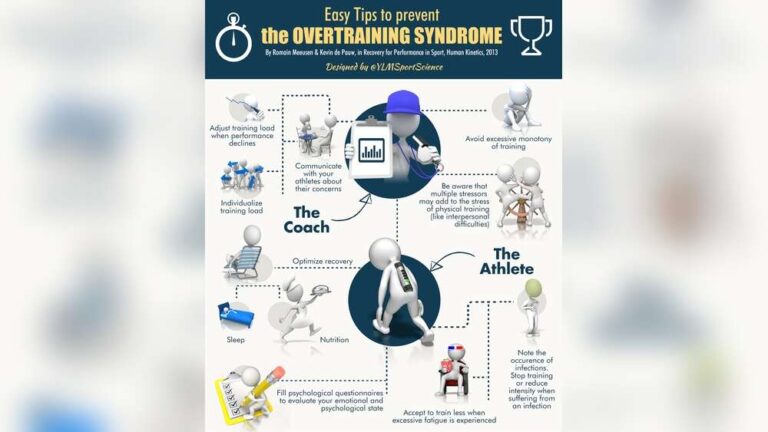
Credit: www.franciscanhealth.org
Causes Of Workout Cramps
Workout cramps can stop your exercise suddenly. They cause sharp pain and tightness in muscles. Understanding what causes these cramps helps prevent them. Several factors can lead to muscle cramps during workouts. Knowing these causes allows better preparation and safer exercise.
Muscle Fatigue Factors
Muscle fatigue happens when muscles work too hard. Tired muscles lose their ability to contract properly. Overuse of muscles during exercise increases fatigue risk. Fatigue can cause sudden, painful cramps in muscles. Rest and proper training reduce muscle fatigue and cramps.
Dehydration Effects
Dehydration means losing too much water from the body. Sweating during workouts causes fluid loss. Without enough water, muscles get less blood and oxygen. Dry muscles are more likely to cramp. Drinking water before and during exercise helps keep muscles hydrated.
Electrolyte Imbalance
Electrolytes like sodium, potassium, and calcium help muscle function. Sweating removes these important minerals. Low electrolyte levels cause muscles to contract abnormally. This abnormal contraction leads to cramps. Balanced electrolyte intake supports muscle health during workouts.
Poor Conditioning
Poor conditioning means muscles are not strong or flexible enough. Weak muscles tire easily and cramp more often. Lack of warm-up and stretching increases cramp risk. Regular training and stretching improve muscle strength and reduce cramps.
Pre-workout Preparation
Preparing your body before exercise helps reduce muscle cramps. Simple steps can make workouts safer and more comfortable. Focus on warming up, drinking enough fluids, and eating right.
These habits support your muscles and keep cramps away during training.
Effective Warm-up Techniques
Start with light movements to increase blood flow. Try walking or jogging slowly for five minutes. Stretch your muscles gently without bouncing.
Include dynamic stretches like leg swings or arm circles. Warm muscles are less likely to cramp during exercise.
Hydration Strategies
Drink water before and during your workout. Aim for at least 16 ounces of water two hours before exercise. Sip small amounts every 15 minutes during activity.
Electrolyte drinks can help replace salts lost in sweat. Proper hydration keeps muscle cells working well and prevents cramps.
Nutritional Considerations
Eat foods rich in potassium, calcium, and magnesium before workouts. Bananas, yogurt, and nuts are good choices. Avoid heavy meals right before exercise.
Balanced nutrition fuels muscles and reduces cramping risk. Small, healthy snacks can improve performance and comfort.
During Workout Tips
Preventing cramps during workouts helps you stay active and avoid pain. Simple actions during exercise keep muscles strong and ready. Focus on pacing, stretching, and listening to your body.
Proper Pacing And Rest
Start your workout at a steady, comfortable speed. Avoid pushing too hard too fast. Take short breaks to let muscles recover. Rest stops prevent fatigue and lower cramp chances. Slow down if you feel tightness or discomfort.
Stretching Between Sets
Stretch muscles gently during breaks. This keeps them loose and flexible. Focus on the parts you use most. Light stretching reduces tension and improves blood flow. It also helps muscles relax and avoid cramps.
Monitoring Body Signals
Pay attention to your body’s warnings. Tightness or tingling means muscles need a break. Stop or slow down if you feel pain. Drink water to keep muscles hydrated. Responding to signals helps prevent serious cramps.
Post-workout Recovery
Post-workout recovery plays a key role in preventing cramps after exercise. It helps your muscles relax and regain strength. Proper recovery also reduces soreness and prepares your body for the next workout.
Taking time to cool down and care for your muscles stops cramps from starting. It also helps your body get back to normal faster.
Cool-down Exercises
Slow, gentle movements after exercise help lower your heart rate. Stretching your muscles can stop tightness and reduce cramps. Focus on the muscles you used the most during your workout. Hold each stretch for 20 to 30 seconds. Avoid bouncing or forcing the stretch. Cool-down exercises improve blood flow and ease muscle tension.
Rehydration And Electrolyte Replacement
Drink water after your workout to replace lost fluids. Sweating causes your body to lose important minerals like sodium and potassium. These minerals, called electrolytes, help muscles work properly. Eating a snack with electrolytes or drinking a sports drink can help. Staying hydrated keeps your muscles from cramping and feeling weak.
Muscle Relaxation Methods
Try gentle massage to relax tight muscles. Using a foam roller can ease muscle knots and improve circulation. Warm baths or heat packs help muscles loosen up. Avoid cold treatments right after exercise, as they may tighten muscles. Rest is also important for muscle recovery and preventing cramps.
Lifestyle Changes To Reduce Cramps
Preventing cramps during workouts often starts with simple lifestyle changes. These changes help your muscles stay strong and less likely to cramp. Small steps in daily habits can make a big difference.
Regular Exercise Routine
Exercise your muscles regularly to keep them flexible and strong. Stretch before and after workouts to reduce tightness. Avoid sudden intense workouts without warming up first. Consistency helps your muscles adapt and lowers cramp risk.
Balanced Diet For Muscle Health
Eat foods rich in potassium, magnesium, and calcium. These minerals support muscle function and prevent cramps. Include fruits like bananas and vegetables like spinach in meals. Stay hydrated by drinking enough water throughout the day.
Adequate Sleep Patterns
Sleep allows your muscles to recover and repair. Aim for 7 to 8 hours of quality sleep every night. Poor sleep can increase muscle fatigue and cramp chances. Create a calm bedtime routine to improve sleep quality.

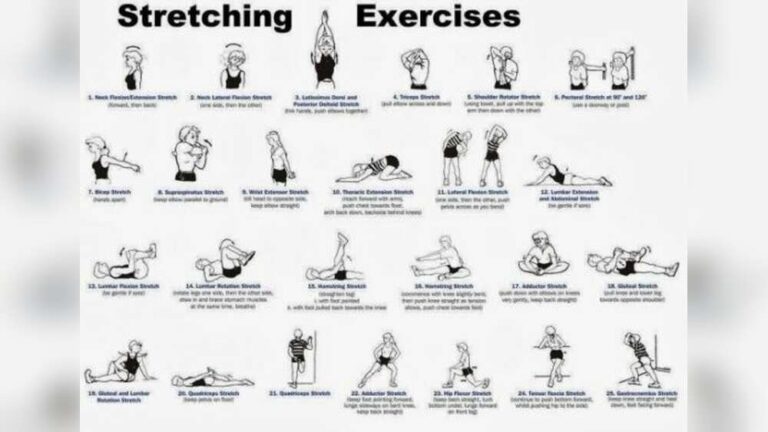
Credit: www.sports-injury-physio.com
When To Seek Medical Advice
Knowing when to seek medical advice for cramps during workouts is important. Some cramps need more attention than just resting or stretching. Paying attention to the type and duration of cramps helps decide the next steps.
Persistent Or Severe Cramps
Cramps lasting more than a few minutes need medical check. Severe pain that stops your movement is a warning sign. Do not ignore cramps that return often or get worse. These might show a deeper problem.
Underlying Health Conditions
People with heart, kidney, or nerve issues should watch cramps closely. These conditions can cause muscle cramps more often. Speak to a doctor if cramps appear without exercise or with other symptoms. Early checkups can prevent serious problems.
Professional Treatment Options
Doctors can offer treatments beyond home remedies. They might suggest tests to find the cause of cramps. Physical therapy or medication could help in some cases. Getting professional help improves recovery and stops cramps from returning.

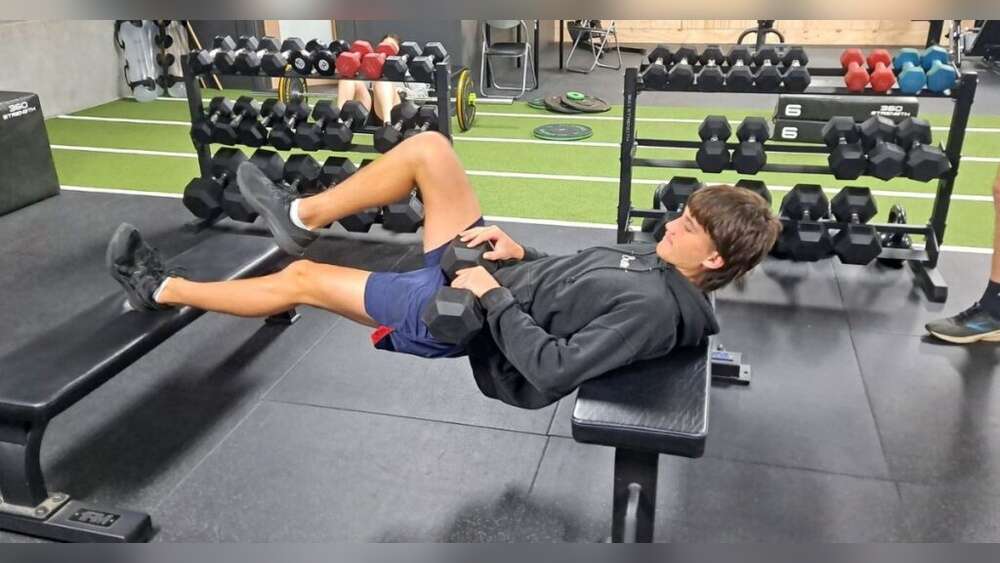
Credit: www.muscleandfitness.com
Frequently Asked Questions
What Causes Muscle Cramps During Workouts?
Muscle cramps during workouts often result from dehydration, electrolyte imbalances, or muscle fatigue. Lack of proper warm-up and overexertion can also trigger cramps.
How Can Hydration Prevent Workout Cramps?
Staying hydrated maintains electrolyte balance and muscle function. Drinking water before, during, and after exercise helps reduce cramp risk effectively.
Which Foods Help Prevent Cramps During Exercise?
Foods rich in potassium, magnesium, and calcium, like bananas and leafy greens, support muscle health and prevent cramps during workouts.
Does Stretching Reduce Muscle Cramps During Workouts?
Yes, stretching improves muscle flexibility and blood flow. Proper warm-up and cooldown stretches can significantly reduce the chance of cramps.
Conclusion
Preventing cramps during workouts takes simple steps anyone can follow. Drink enough water before and during exercise. Stretch your muscles gently to keep them loose. Eat foods with potassium and magnesium to help your body. Take breaks if you feel tightness or discomfort.
Listen to your body—it knows what it needs. Staying consistent with these habits will help you avoid cramps. Enjoy your workouts without pain or interruptions. Stay active, stay safe, and keep moving forward.

Brandon Knoxley is a sport & fitness writer and training guide contributor at MySportFitHub. He focuses on practical workouts, performance-based training, and honest fitness gear insights designed for real people and real results. Brandon is passionate about helping beginners and active individuals train smarter, avoid common mistakes, and build sustainable fitness habits.