How to Modify Workouts for Beginners: Simple Steps for Success
Starting a new workout routine can feel overwhelming, especially if you’re not sure where to begin. You might worry about pushing yourself too hard or doing exercises the wrong way.
What if there was a simple way to adjust workouts so they fit your current fitness level perfectly? You’ll discover easy and effective tips to modify workouts just for you. By the end, you’ll feel confident, motivated, and ready to take control of your fitness journey without risking injury or burnout.
Keep reading to find out how small changes can make a big difference in your progress.
Assess Fitness Level
Assessing your fitness level is the first step in modifying workouts for beginners. It helps create a plan that fits your current abilities. Understanding where you stand guides your progress safely and effectively.
Start by checking your body’s strengths and weaknesses. This shows which exercises suit you best. It also helps avoid injury and frustration.
Identify Strengths And Weaknesses
Look at your endurance, strength, and flexibility. Notice which areas feel easy and which feel hard. For example, can you walk or run for 10 minutes without stopping? Can you lift light weights comfortably? Do you struggle with stretching or balance?
Write down your observations. This list will guide your workout choices. Focus on improving weak areas slowly while using your strengths as a base.
Set Realistic Goals
Choose simple goals that match your fitness level. Aim for small wins like walking 15 minutes daily or doing 5 push-ups. Goals should be clear and achievable.
Track your progress weekly. Adjust goals as you improve. This keeps motivation high and reduces chances of giving up. Realistic goals make workouts feel rewarding.

Credit: www.knicholastraining.com
Choose Suitable Exercises
Choosing the right exercises is key for beginners. It helps avoid injuries and builds confidence. Exercises should be easy to follow and kind to your body. Picking the right moves makes workouts more enjoyable and effective. This section explains how to select suitable exercises for your workout plan.
Focus On Low-impact Movements
Low-impact exercises reduce stress on joints. They are gentle and easy to perform. Examples include walking, swimming, and cycling. These moves help build strength without pain. Beginners can stay active while protecting their bodies. Low-impact workouts improve balance and flexibility too.
Incorporate Full-body Workouts
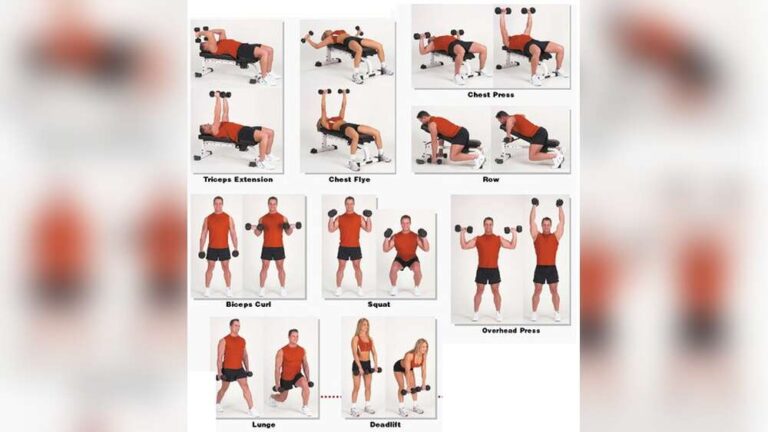
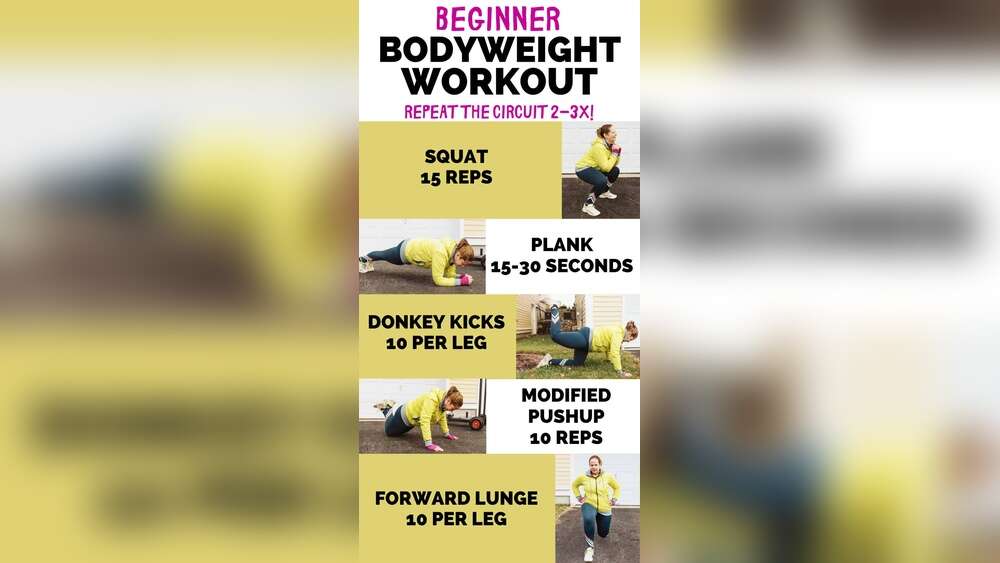
Full-body workouts engage many muscles at once. They save time and boost overall fitness. Exercises like squats, lunges, and push-ups work multiple areas. This approach builds strength evenly across the body. It also improves coordination and energy levels. Beginners gain better control and faster results.
Adjust Workout Intensity
Adjusting workout intensity is key for beginners. It helps avoid injury and builds strength safely. Changing how hard you work lets your body get used to new exercises. This makes workouts more effective and less stressful.
Modify Repetitions And Sets
Start with fewer repetitions to reduce strain. For example, try 8 reps instead of 15. Do fewer sets, such as 2 instead of 4. Increase reps and sets gradually as strength improves. This slow rise helps muscles adapt without overdoing it.
Control Pace And Rest Periods
Slow down your movements to focus on form. Moving too fast may cause injury. Take longer breaks between sets to recover fully. Rest for 60 to 90 seconds or more if needed. This control helps maintain energy and keeps workouts safe.

Credit: www.eecusa.com
Use Proper Equipment
Using the right equipment is key for beginners. It makes workouts safer and easier. Proper gear helps build confidence and supports good form. Beginners should focus on simple tools that match their level. This approach prevents injury and keeps motivation high.
Select Beginner-friendly Gear
Choose equipment designed for beginners. Light dumbbells, resistance bands, and yoga mats are great starts. These tools are easy to handle and adjust. Avoid heavy weights or complex machines at first. Start small and increase difficulty step by step. Proper gear helps you learn exercises correctly.
Utilize Bodyweight Exercises
Bodyweight exercises require no extra equipment. They use your own body as resistance. Push-ups, squats, and planks build strength safely. These moves improve balance and flexibility too. Perfect for beginners to gain control and confidence. No need to buy anything to get started.
Prioritize Form And Technique
Prioritizing form and technique is the key to safe and effective workouts. Good form helps prevent injuries and makes exercises more effective. Beginners should focus on learning how to move correctly before adding weight or speed. This approach builds a strong foundation for future progress.
Learn Basic Movement Patterns
Start by understanding simple movements like squats, lunges, and push-ups. These are the building blocks of many exercises. Practice these slowly and carefully to get the right posture. Keep your back straight and your core tight. Controlled movements help your body learn the correct way to perform exercises.
Avoid Common Mistakes
Many beginners make errors that can cause pain or injury. Do not let your knees go past your toes during squats. Avoid rounding your back when lifting weights. Keep your movements smooth, not jerky. Stop if you feel sharp pain. Focus on small adjustments to improve your technique every session.
Create A Consistent Schedule
Creating a consistent workout schedule helps beginners build good habits. Regular exercise improves strength and energy. Sticking to a plan keeps motivation high. It also helps the body get used to new movements. Consistency is key for steady progress.
Plan Shorter Sessions
Start with short workouts to avoid feeling tired. Fifteen to twenty minutes is a good length. Short sessions fit easier into busy days. They reduce the chance of injury or burnout. Focus on quality, not length, during these workouts.
Incorporate Rest Days
Rest days help the body recover and grow stronger. Include one or two rest days each week. Avoid working the same muscles on back-to-back days. Use rest days for light activities like walking or stretching. Rest keeps workouts safe and effective.
Track Progress And Adjust
Tracking progress and making changes is key for workout success. It helps beginners stay motivated and avoid injury. Watching improvements shows what works and what needs change. Adjusting workouts keeps the body challenged and growing stronger. This process makes exercise safer and more effective.
Monitor Improvements
Keep a simple log of exercises, sets, and reps. Note how you feel before and after workouts. Track the weights or resistance used. Look for small gains like more reps or better form. Check energy levels and overall mood. These signs show your body is adapting well.
Update Workouts Gradually
Increase intensity slowly to avoid strain. Add a few more reps or a little more weight each week. Change exercises to target different muscles. Include rest days to let your body recover. Adjust workout length based on your energy. Small changes build strength without overwhelming you.
Stay Motivated And Safe
Staying motivated and safe is key when starting new workouts. Beginners need clear guidance to keep going without risking injury. Small steps help build confidence and strength.
Safety and motivation work together. Feeling supported and knowing limits makes exercise enjoyable. It keeps beginners on track and ready for progress.
Find Support Systems
Support helps beginners stay motivated. Friends, family, or workout groups create a positive space. Sharing goals with others builds accountability.
Joining beginner classes or online communities offers encouragement. Support systems answer questions and celebrate small wins. This makes workouts less lonely and more fun.
Recognize Signs To Stop
Knowing when to stop prevents injuries. Pain, dizziness, or extreme tiredness are clear warnings. Listen carefully to your body’s signals.
Rest is part of progress. Stop if you feel sharp pain or breathless. Taking breaks helps your body heal and grow stronger.
.jpg)
Credit: www.lfg-sc.com.br
Frequently Asked Questions
How Can Beginners Safely Modify Workout Intensity?
Beginners should start with lighter weights and fewer reps. Gradually increase intensity as strength and endurance improve. Always listen to your body and avoid pushing too hard too soon to prevent injury.
What Are Easy Workout Modifications For Beginners?
Use bodyweight exercises instead of weights. Reduce workout duration and take longer rest breaks. Focus on proper form and slow movements to build confidence and strength safely.
How To Adjust Workouts For Beginner Fitness Levels?
Choose low-impact exercises like walking or swimming. Limit workout sessions to 20-30 minutes. Incorporate flexibility and balance exercises to improve overall fitness without strain.
Why Is Modifying Workouts Important For Beginners?
Modifying workouts helps prevent injury and burnout. It allows beginners to build a fitness foundation. Tailored exercises improve motivation and ensure consistent progress over time.
Conclusion
Modifying workouts helps beginners build strength safely. Start slow and focus on form. Small changes can prevent injury and boost confidence. Listen to your body and rest when needed. Consistency matters more than intensity at first. Enjoy the process and celebrate each progress step.
Fitness grows with patience and smart choices. Keep adapting exercises as you improve. The journey is just as important as the goal. Stay motivated, and your efforts will pay off.

Brandon Knoxley is a sport & fitness writer and training guide contributor at MySportFitHub. He focuses on practical workouts, performance-based training, and honest fitness gear insights designed for real people and real results. Brandon is passionate about helping beginners and active individuals train smarter, avoid common mistakes, and build sustainable fitness habits.