
How to Listen to Your Body During Workouts: Maximize Results Safely
Have you ever pushed yourself too hard during a workout and ended up feeling worse instead of better? Knowing how to listen to your body during workouts is the key to making real progress without risking injury.
Your body sends signals every step of the way—if you learn to recognize them, you can work out smarter, recover faster, and enjoy every session more. Keep reading to discover simple, powerful ways to tune in to your body’s messages and transform your fitness routine for good.

Credit: jerseyrehab.com
Signs Your Body Sends
Understanding the signs your body sends during workouts helps you stay safe and improve performance. Your body communicates through signals that tell you when to push harder or slow down. Paying attention to these signs prevents injuries and makes your exercise more effective.
Learning to read your body’s messages is key. It helps you know when to rest and when to keep going. Let’s explore some common signs your body shows during workouts.
Recognizing Pain Vs. Discomfort
Discomfort is normal during exercise. It feels like muscle burning or mild soreness. Pain is sharp, sudden, or intense. It may signal injury or strain. Stop immediately if you feel pain. Do not ignore sharp or stabbing feelings. Learning this difference protects your body.
Noticing Fatigue And Energy Levels
Fatigue means your muscles feel tired or weak. Your energy level drops during long or hard workouts. This is your body’s way of telling you to slow down. Rest or reduce intensity when you feel tired. Avoid pushing through extreme fatigue to prevent harm.
Tracking Breathing Patterns
Breathing changes with exercise intensity. You may breathe faster and deeper during hard workouts. But gasping or struggling to breathe signals a problem. Regular, controlled breathing supports endurance. Stop or slow down if breathing feels too hard or uneven.
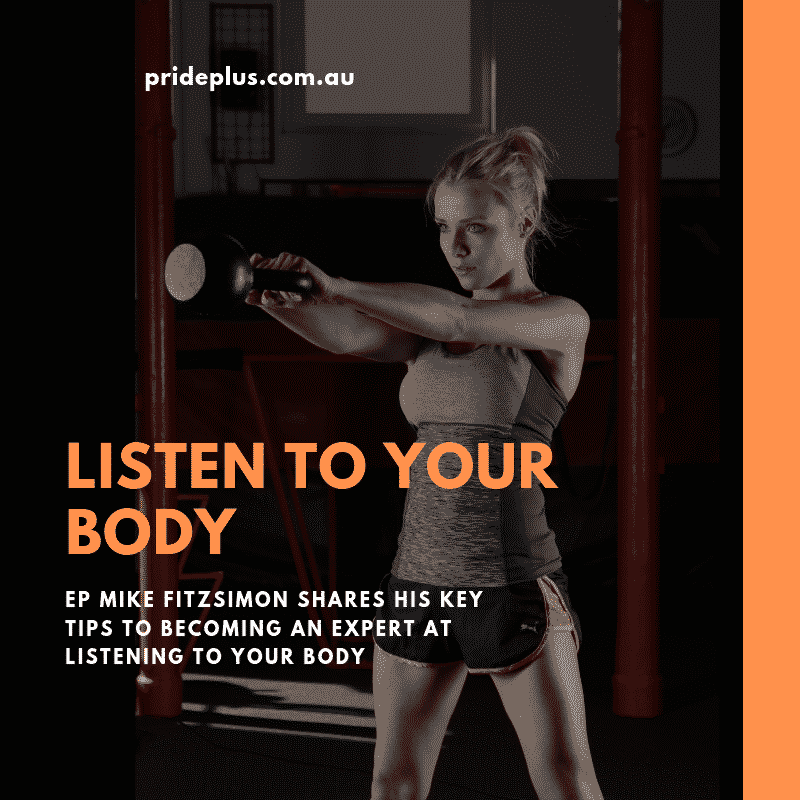
Credit: prideplus.com.au
Adjusting Workouts Accordingly
Adjusting workouts according to your body’s signals is crucial for safe and effective exercise. Paying attention to how your body feels helps prevent injury and improves progress. Changes in energy, pain, or fatigue are signs to modify your routine. Tailoring workouts makes exercise enjoyable and sustainable over time.
Modifying Intensity And Duration
Lower the workout intensity if you feel pain or extreme tiredness. Shorten the duration of your session when energy is low. Use lighter weights or slower movements to ease strain. Gradually increase intensity as your body adapts and recovers. This approach supports steady improvement without overloading muscles.
Incorporating Rest And Recovery
Rest days are essential for muscle repair and growth. Listen to your body if it signals soreness or exhaustion. Take breaks between workouts to allow healing. Use gentle activities like walking or stretching on rest days. Proper recovery boosts performance and reduces injury risk.
Choosing Exercises That Suit Your Condition
Select exercises that match your fitness level and health status. Avoid movements that cause sharp pain or discomfort. Focus on low-impact activities if joints feel sensitive. Swap exercises to target the same muscles without strain. Choosing suitable exercises helps maintain consistency and enjoyment.
Tools To Monitor Your Body
Monitoring your body during workouts helps you train safely and effectively. Tools can give clear signs about how your body feels and performs. They help you avoid injury and improve results. Use them to listen closely to your body’s needs.
Using Heart Rate Monitors
Heart rate monitors show your pulse in real-time. They help measure workout intensity. You can see if you are pushing too hard or too little. Keeping your heart rate in a safe zone protects your health. Many monitors are easy to wear and read.
Keeping A Workout Journal
Writing down your workouts tracks progress and feelings. Note how your body feels before and after exercise. Track pain, fatigue, or energy levels. This habit helps identify patterns and avoid overtraining. Journals are simple tools that improve body awareness.
Apps And Wearables For Feedback
Apps and wearables collect data like steps, calories, and sleep. They give instant feedback on your activity and recovery. Some apps offer reminders to rest or hydrate. Wearables can alert you to unusual changes in your body. Use technology to stay connected to your body’s signals.
Benefits Of Body Awareness
Being aware of your body during workouts brings many benefits. It helps you stay safe and improve your training. You learn to notice small signals like tight muscles or tiredness early. This awareness helps you adjust your moves and rest when needed. It also connects your mind and body, making exercise more effective and enjoyable.
Knowing your body well can change how you train and feel. It supports both your physical and mental health. The following sections explain key benefits of body awareness.
Preventing Injuries
Body awareness helps spot pain or discomfort early. You can stop or change exercises that cause strain. This reduces the risk of serious injuries. Listening to your body avoids pushing too hard. It keeps joints, muscles, and tendons safe during workouts.
Enhancing Performance
Understanding your body’s signals improves exercise form. It helps you use the right muscles effectively. You can adjust your speed and intensity based on how you feel. This leads to better results and less wasted energy. Training smarter, not harder, improves your overall performance.
Supporting Mental Well-being
Being in tune with your body reduces stress during workouts. It increases focus and enjoyment of exercise. You learn to relax and breathe properly, which calms the mind. This connection supports a positive attitude and keeps you motivated. Exercise becomes a way to care for both body and mind.
Common Mistakes To Avoid
Listening to your body during workouts is key for safe and effective exercise. Many people make mistakes that harm their progress or cause injury. Avoiding these common errors helps you stay healthy and improve steadily.
Ignoring Warning Signs
Warning signs like sharp pain, dizziness, or unusual fatigue are signals from your body. Ignoring them can lead to serious injury. Stop and rest if you feel any discomfort that is not normal. Pay close attention to these signs to protect your health.
Pushing Through Pain
Pain is different from normal muscle burn. It is a sign something is wrong. Pushing through pain can worsen injuries and delay recovery. Learn to recognize the difference. Respect pain and adjust your workout to avoid harm.
Skipping Warm-ups And Cool-downs
Warm-ups prepare your muscles and joints for exercise. Cool-downs help your body recover slowly. Skipping these increases the risk of injury and soreness. Always spend time on warm-ups and cool-downs for safer workouts and better results.

Credit: carolinejordanfitness.com
Frequently Asked Questions
How Can I Tell If My Body Needs Rest During Workouts?
Listen for sharp pain, excessive fatigue, or dizziness. These signs indicate your body needs rest to recover and avoid injury.
What Are The Signs Of Overtraining To Watch For?
Overtraining signs include prolonged soreness, insomnia, irritability, and decreased performance. Recognize these early to adjust your workout intensity.
How Do I Adjust Workouts Based On Body Signals?
Modify intensity, duration, or type of exercise when you feel pain or extreme tiredness. This helps prevent injury and promotes progress.
Why Is Hydration Important When Listening To My Body?
Hydration affects energy, focus, and recovery. Drinking water regularly helps your body perform optimally and signals thirst during exercise.
Conclusion
Listening to your body helps you avoid injury and stay healthy. Pay attention to pain, tiredness, and breathing during workouts. Rest when your body feels tired or sore. Adjust your exercises to fit your energy and strength levels. This keeps workouts safe and effective.
Trust your feelings; they guide your progress. Your body knows what it needs. Stay patient and consistent. Enjoy the process and celebrate small improvements. This approach builds a strong, lasting fitness habit.

Brandon Knoxley is a sport & fitness writer and training guide contributor at MySportFitHub. He focuses on practical workouts, performance-based training, and honest fitness gear insights designed for real people and real results. Brandon is passionate about helping beginners and active individuals train smarter, avoid common mistakes, and build sustainable fitness habits.