How to Improve Grip Strength Beginners: Easy Tips for Fast Gains
Are you struggling to hold onto things firmly or feeling your grip give out too soon? Improving your grip strength can make a huge difference in everyday tasks and workouts alike.
Whether you want to lift heavier weights, open stubborn jars, or simply feel more confident in your hands, building stronger grip muscles is the key. You’ll discover simple, effective ways to boost your grip strength—even if you’re just starting out.
Keep reading, and you’ll learn easy tips that can transform your hand power faster than you might expect.
Credit: asbbs.org
Why Grip Strength Matters
Grip strength is more important than many people think. It helps in daily tasks and improves overall body strength. Strong hands make lifting, carrying, and holding objects easier. It also supports good wrist and arm health.
Improving grip strength benefits athletes and non-athletes alike. It helps prevent injuries and improves performance in sports. Simple exercises can build grip strength over time. Let’s explore why grip strength really matters.
Better Performance In Sports And Activities
Strong grip helps in sports like tennis, rock climbing, and weightlifting. It allows a firmer hold on equipment. This leads to better control and power. Even simple activities like gardening or carrying bags get easier.
Improved Hand And Wrist Health
Good grip strength supports wrist joints and muscles. It reduces the risk of strain and injury. Strong hands recover faster from daily wear and tear. This helps maintain hand function as you age.
Enhanced Daily Life Function
Grip strength makes everyday tasks simpler. Opening jars, turning keys, and using tools become easier. This increases independence and confidence in daily life. Strong hands help with writing and typing too.
Basic Anatomy Of The Hand
The hand is a complex structure. It has many parts that work together. Understanding the basic anatomy helps improve grip strength. This knowledge shows which muscles and bones to train. It makes exercises more effective and safer.
Bones Of The Hand
The hand has 27 bones. These include the wrist bones, called carpals. There are five long bones in the palm, called metacarpals. Each finger has three small bones, called phalanges, except the thumb. The thumb has two phalanges. These bones provide structure and support for gripping.
Muscles And Tendons
Muscles in the hand control movement and strength. Some muscles are in the palm, others in the forearm. Tendons connect muscles to bones. They pull on bones to move fingers. Strong tendons help maintain a firm grip. Training muscles and tendons improves grip power.
Nerves And Blood Vessels
Nerves send signals from the brain to the hand. They control muscle movement and feeling. Blood vessels bring oxygen and nutrients to tissues. Healthy nerves and vessels keep the hand working well. Proper care supports grip strength and hand health.
Simple Exercises For Beginners
Building grip strength starts with easy exercises anyone can do. These simple moves help your fingers, hands, and wrists get stronger. You do not need fancy equipment. Just a few minutes a day can make a big difference.
Try these beginner-friendly exercises to improve your grip. They are safe and effective for all fitness levels.
Finger Squeezes With A Ball
Hold a soft ball in one hand. Squeeze it tightly using your fingers. Hold the squeeze for a few seconds. Release slowly. Repeat 10 to 15 times. Switch hands and do the same. This exercise strengthens your finger muscles and improves endurance.
Wrist Curls With Light Weights
Use a light dumbbell or a small bottle filled with water. Sit down and rest your forearm on your thigh. Let your wrist hang just past your knee. Slowly curl your wrist up, then lower it back down. Do 12 to 15 repetitions. This exercise builds wrist strength and control.
Towel Or Rope Pulls
Grab a towel or a short rope. Hold it with both hands, palms facing down. Pull the towel apart as hard as you can. Hold the tension for a few seconds. Relax and repeat 10 times. This move strengthens your hands and forearms together.
Using Everyday Items To Train
Improving grip strength does not always need special tools. Many everyday items can help build your hand muscles. These simple activities fit into daily life easily. They help your fingers, hands, and wrists get stronger. You can start right now with things around your home.
Jar Opening Practice
Try opening jars often. Twist the lids with both hands. Start with jars that are easy to open. Gradually use jars with tighter lids. This exercise works your fingers and wrist muscles. It also improves hand coordination and control.
Carrying Heavy Bags
Carry grocery bags or backpacks with both hands. Hold the bags tightly and walk around. This strengthens your grip and forearms. Use bags with different weights to challenge yourself. Keep your back straight for better posture. This simple habit builds grip strength naturally.
Rice Bucket Exercises
Fill a bucket with rice or sand. Plunge your hand inside and move fingers around. Open and close your hand slowly. Twist your wrist while your hand is inside. These movements train your hand muscles deeply. It is an easy exercise that improves strength and flexibility.
Tips For Fast Progress
Improving grip strength takes time and effort. Fast progress needs smart work, not just hard work. Focus on habits that build strength steadily. These tips help beginners see results quickly and safely.
Keep your routine simple and clear. Avoid rushing or pushing too hard too soon. Small, steady steps lead to strong, lasting grip power.
Consistency And Frequency
Practice grip exercises regularly. Aim for at least three sessions per week. Consistent effort helps muscles grow stronger. Avoid skipping days to keep progress steady. Short daily exercises can also boost strength.
Proper Rest And Recovery
Rest is as important as exercise. Muscles need time to repair and grow. Avoid training the same grip muscles every day. Take one or two days off between sessions. Sleep well to support muscle recovery.
Gradual Increase In Intensity
Start with light exercises and easy grips. Slowly increase difficulty as strength improves. Add more repetitions or use stronger tools over time. Avoid sudden heavy loads to prevent injury. Gradual progress keeps motivation high and muscles safe.
Credit: bestprice-appliance-repair.com
Common Mistakes To Avoid
Improving grip strength takes time and care. Avoiding common mistakes helps you progress safely. Many beginners push too hard or skip important steps. These errors slow down improvement and cause injuries. Focus on good habits to build strong hands and wrists.
Overtraining
Training your grip too much can cause pain and weakness. Your muscles need rest to grow stronger. Avoid working the same muscles every day. Give at least one day of rest between grip workouts. Overtraining leads to tired muscles and injury risk.
Neglecting Warm-ups
Skipping warm-ups puts your hands at risk. Cold muscles are more likely to get hurt. Start with light exercises to increase blood flow. Simple wrist circles or squeezing a soft ball works well. Warm-ups prepare your muscles and joints for harder work.
Ignoring Pain Signals
Pain is your body’s way of warning you. Do not ignore aches or sharp pain during exercises. Stop if you feel discomfort and rest. Continuing can cause serious injuries. Learn to listen to your body and adjust your training accordingly.
Tracking Your Grip Strength
Tracking your grip strength helps you see real progress. It shows which exercises work best. Tracking also keeps you motivated to keep training regularly.
Simple tools and methods make tracking easy. You do not need special skills. Just small steps every week lead to big improvements.
Using Grip Strengtheners
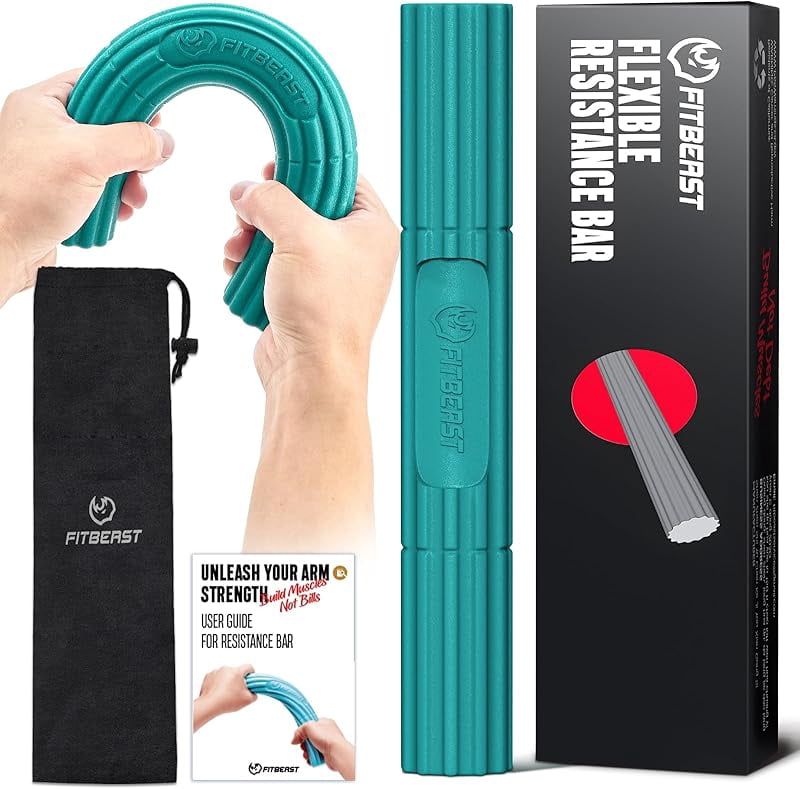
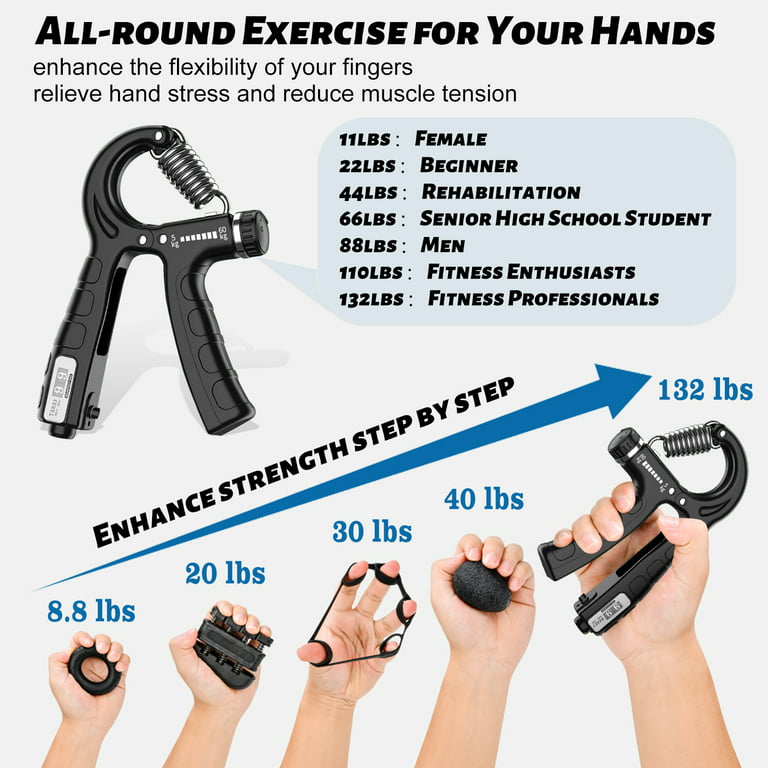
Grip strengtheners are small devices you squeeze. They come in many resistance levels. Start with a light one to avoid injury.
Squeeze the grip strengthener slowly and hold. Repeat for sets of 10 to 15 times. Note how many repetitions feel hard but doable.
Try to increase squeezes or use a stronger grip strengthener. This shows your grip is getting stronger over time.
Measuring With Dynamometers
Dynamometers measure grip force in pounds or kilograms. You hold the device and squeeze as hard as you can. It gives a number that shows your grip strength.
Use the dynamometer once a week for consistent results. Write down the number each time. This number helps track your improvement clearly.
Compare numbers over weeks. If they rise, your grip is improving. If not, adjust your training routine.
Recording Progress
Keep a simple notebook or use a phone app. Write down daily or weekly grip exercises and measurements. Record how many squeezes and sets you do.
Include dynamometer readings and any changes in grip strengtheners. This record shows your steady progress. It helps you stay focused and reach your goals faster.
Incorporating Grip Training Into Workouts
Incorporating grip training into your workouts helps build stronger hands and forearms. Strong grip improves your performance in many exercises. It also reduces the risk of injury during lifting or daily activities.
Grip training can be simple and fit into your current routine. You do not need special equipment or long sessions. Just a few focused exercises will make a big difference over time.
Before Or After Main Exercises
Decide if you want to train your grip before or after your main workout. Training grip before can warm up your hands and forearms. This helps you hold weights better during lifts. Training grip after your workout can build endurance. It allows you to focus fully on grip without tiring your hands first.
Combining With Forearm Workouts
Grip and forearm muscles work closely together. Combine grip training with forearm exercises for better results. Wrist curls, reverse curls, and farmer’s walks target these muscles well. Adding grip holds or squeezes during these moves increases strength. This combination builds balanced muscle and improves control.
Using Grip In Functional Training
Functional training uses real-life movements to build strength. Use grip exercises that mimic daily tasks. Carry heavy objects, hang from bars, or squeeze stress balls. These improve your grip in practical ways. Functional grip training helps with sports, work, and chores. It trains your hands to stay strong in many situations.
Credit: www.eecusa.com
Frequently Asked Questions
What Are The Best Exercises To Improve Grip Strength?
Effective exercises include farmer’s walks, dead hangs, and wrist curls. These target different muscles in your hands and forearms. Beginners should start with light weights and gradually increase intensity to avoid injury while building strength consistently.
How Often Should Beginners Train Grip Strength?
Training grip strength 2-3 times per week is ideal for beginners. This frequency allows muscles to recover and grow stronger. Overtraining can cause strain, so balance exercise with rest for optimal progress.
Can Grip Strength Improve Overall Fitness?
Yes, strong grip enhances performance in many sports and daily activities. It supports lifting, climbing, and manual tasks. Improving grip strength also reduces injury risk and boosts hand endurance.
Are Grip Strength Tools Necessary For Beginners?
No, beginners can start with bodyweight exercises like dead hangs and squeezing tennis balls. Grip tools like hand grippers help as strength improves but are not essential initially.
Conclusion
Building grip strength takes time and steady effort. Start with simple exercises and increase difficulty slowly. Use tools like hand grippers or stress balls to practice daily. Pay attention to proper form to avoid injury. Rest days help muscles recover and grow stronger.
Keep track of progress to stay motivated and see gains. Strong hands improve many activities, from sports to daily tasks. Stay patient and consistent; results will follow. Small steps add up to big improvements in grip strength.

Brandon Knoxley is a sport & fitness writer and training guide contributor at MySportFitHub. He focuses on practical workouts, performance-based training, and honest fitness gear insights designed for real people and real results. Brandon is passionate about helping beginners and active individuals train smarter, avoid common mistakes, and build sustainable fitness habits.