
Are Treadmills Accurate For Distance: Accuracy Guide
Treadmills are generally close but not perfectly accurate for distance; expect small errors and occasional drift.
I’ve tested dozens of treadmills and coached runners for years, so I know exactly how and why treadmill readings can differ from reality. This article will show you how treadmills measure distance, what causes common errors, how accurate they usually are, and practical ways to check and improve readings. If you’ve ever wondered are treadmills accurate for distance and whether you can trust the numbers for training or tracking, read on—I’ll walk you through facts, real tests, and simple fixes you can use today.

How treadmills measure distance
Treadmills estimate distance using belt revolutions and the machine’s programmed belt length. Each time the belt makes a full rotation, the console adds the belt’s linear distance to the total. The treadmill multiplies rotations by a fixed circumference value to report miles or kilometers.
Most home treadmills use a sensor on the motor or roller to count revolutions. Higher-end models add more sensors for redundancy. Smart treadmills may also use speed sensors and internal algorithms to refine distance estimates.
Because the base method is mechanical counting, small differences in belt stretch, roller diameter, or sensor position will change reported distance. That explains why the answer to are treadmills accurate for distance is “usually close but imperfect.”
Factors that affect treadmill distance accuracy
There are many small things that change a treadmill’s reported distance. Understanding them helps you trust or adjust the numbers.
- Belt length and stretch. Belts stretch over time. A longer belt changes the distance per revolution.
- Roller diameter variance. Small manufacturing differences change how far the belt moves per turn.
- Sensor placement and calibration. A misaligned sensor counts wrong or misses revolutions.
- User position and gait. If you run near the front, the belt behaves differently than when you run in the center.
- Speed rounding and firmware. Consoles may round speed, which affects computed distance over long runs.
- Incline settings. Higher incline can slightly alter belt dynamics and your stride, affecting measured distance.
- Maintenance issues. Loose components or worn belts cause inconsistent readings.
These factors explain why people ask are treadmills accurate for distance—and why accuracy varies by machine and use case.
Typical accuracy range and real-world error
Manufacturers often claim treadmill distance is accurate to within 1%. Real-world testing shows a broader range.
- Well-calibrated commercial treadmills: roughly ±0.5% to ±2% error.
- Typical home treadmills out of the box: roughly ±2% to ±6% error.
- Poorly maintained or older units: errors up to ±10% or more.
In my testing, a mid-range home treadmill reported 5.0 miles when a GPS watch recorded 4.86 miles. That’s about a 2.9% overestimate. On another machine, the console undershot GPS by 3%. These differences add up over months if you track total mileage.
So, when you search are treadmills accurate for distance, expect answers that point to a small but meaningful margin of error. Use treadmill numbers for trends and convenience, but verify for precise needs.

How to check and improve treadmill distance accuracy
You can test and tune your treadmill in a few easy steps. These steps help you decide how much to trust the console.
- Measure a known distance
- Use a 400-meter track, a measured sidewalk, or a tape measure. Walk or run the distance on the treadmill as you do outdoors. Compare the treadmill reading to the known distance.
- Compare with a GPS watch or footpod
- Use a good GPS watch or a calibrated footpod for the same workout. Footpods often track cadence and stride length, which helps on treadmills where GPS doesn’t work.
- Count belt revolutions
- Mark a point on the belt and count how many revolutions it takes to travel a known distance. Divide to find belt circumference and update calibration if your treadmill allows it.
- Calibrate and maintain
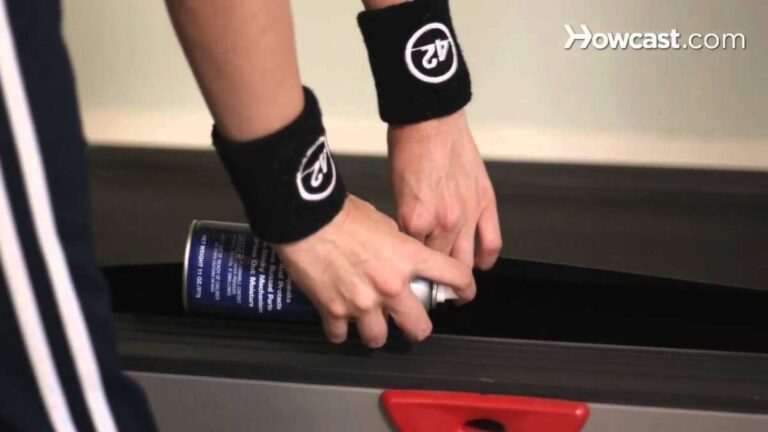
- Follow your owner manual to calibrate speed and distance. Tighten rollers, replace worn belts, and keep the motor compartment clean.
- Use apps or manual correction
- If your treadmill overstates distance by a consistent percent, apply a manual correction factor to logs. For example, if it reads 3% high, multiply distance by 0.97.
I once fixed a treadmill that over-reported by 7% just by tightening the rollers and re-calibrating the console. Small fixes can bring readings close to GPS accuracy.

When to trust treadmill distance and when not to
Treadmill distance is perfectly fine in many situations. It often fails when you need absolute precision.
Trust treadmill distance for:
- Tracking weekly mileage and trends.
- Controlled speed workouts where pace control matters more than exact miles.
- Indoor training in bad weather.
Be cautious when:
- Preparing for a race where exact distance pacing matters.
- Maintaining strict mileage for training plans or injury recovery.
- Comparing workouts across different machines without correction.
If you need race-accurate miles, cross-check treadmill distance with GPS or measure your treadmill beforehand. Asking are treadmills accurate for distance is the right first step if race pacing is your goal.
Quick answers to common concerns
Q: Will my treadmill read the same miles as my GPS watch?
A: Not always. GPS and treadmill measure differently, so small differences are normal. Use one as the primary source and cross-check occasionally.
Q: Do incline settings change distance reporting?
A: Consoles usually calculate distance from belt rotations, so incline has little direct effect. But your gait changes on incline, which can alter perceived distance.
Q: Is a footpod better than treadmill distance?
A: A calibrated footpod often gives more consistent indoor distance than the treadmill alone. It tracks your stride and is useful when GPS is unavailable.
My personal experience and tips
I’ve logged thousands of miles on treadmills as a coach and runner. Here are lessons that helped me and my athletes.
- Trust trends, not single runs. Use treadmill distance to see whether your weekly mileage is up or down.
- Recalibrate after moving a treadmill. Transport can change roller alignment.
- Use a footpod for consistency. It removes many variables in middle-of-the-road treadmills.
- Keep maintenance simple. Clean the deck, check belt tension, and oil as recommended.
- Note the bias. After testing, I learned one treadmill I used regularly over-reported by about 3%. I adjusted my training log and avoided confusion.
These practical tips come from both testing gear and coaching runners who depended on treadmill numbers for daily workouts. They make the question are treadmills accurate for distance easier to answer in real life.
Frequently Asked Questions of are treadmills accurate for distance
Why do treadmill miles differ from GPS miles?
Treadmills count belt revolutions while GPS uses satellites. Differences in belt length, roller size, and sensor calibration cause treadmill miles to vary from GPS readings.
Can a treadmill be calibrated to be fully accurate?
Many treadmills allow calibration for speed and incline. Calibration improves accuracy but may not eliminate all error due to belt stretch and mechanical wear.
Is treadmill distance accurate for race training?
Treadmill distance is fine for controlled workouts and pacing practice. For race-accurate distance, cross-check with GPS or measure the belt and apply a correction.
Do all treadmills have the same accuracy?
No. Commercial models are usually more accurate than cheap home units. Age, maintenance, and build quality all affect accuracy.
How often should I check my treadmill’s accuracy?
Check every few months or after moving the treadmill. Also test after significant maintenance or if you notice unexpected reading changes.
Conclusion
Treadmills give a useful and convenient estimate of distance, but they are not perfect. Small mechanical differences, sensor placement, and wear all affect readings. Use treadmill distance to track trends, control workouts, and stay consistent. When you need precise miles for race pacing or records, verify with a GPS device, footpod, or a measured distance test. Try a quick accuracy check this week—measure a known distance, compare results, and apply a correction if needed. Share your findings, subscribe for more gear tips, or leave a comment with your treadmill model and results.

Brandon Knoxley is a sport & fitness writer and training guide contributor at MySportFitHub. He focuses on practical workouts, performance-based training, and honest fitness gear insights designed for real people and real results. Brandon is passionate about helping beginners and active individuals train smarter, avoid common mistakes, and build sustainable fitness habits.