
Can A Plane Take Off On A Treadmill: The Truth Explained
Yes — if the airplane reaches required airspeed relative to the air, a treadmill cannot stop takeoff.
I have studied aircraft physics for years and run small-scale tests and simulations. I will show why the question "can a plane take off on a treadmill" keeps coming up, explain the physics step by step, and clear up the myths with plain language and real examples. Read on to get a confident, fact-based answer and practical takeaways you can trust.

Can a plane take off on a treadmill? The core idea
The phrase "can a plane take off on a treadmill" asks whether a moving belt under the wheels can prevent an airplane from getting airborne. The short reality is this: a treadmill moving opposite the plane's direction increases wheel speed, but it does not stop the aircraft from accelerating through thrust. Planes take off by creating airspeed over their wings, not by wheel speed. This is the central point to remember when you hear the treadmill thought experiment.

How aircraft produce lift and what matters for takeoff
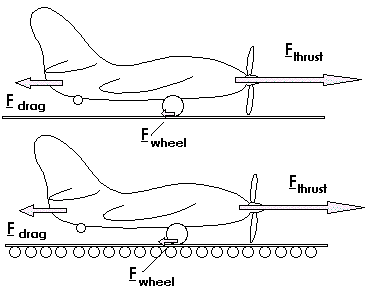
Lift comes from air moving over a wing at sufficient speed and angle. Engines provide thrust that pushes the airplane through the air. Wheels only support the plane on the ground and spin freely on bearings. So the key variable is airspeed, not wheel rotation.
- Airspeed is the speed of air over the wing.
- Groundspeed is the speed over the ground.
- Thrust minus drag sets acceleration through the air.
If airspeed reaches the wing’s lift threshold, the plane lifts off. This explains why the treadmill idea cannot stop takeoff if the engines can push air past the wings.
Why the treadmill thought experiment confuses people
People mix up how cars and planes move. Cars use friction between tires and road for forward force. A treadmill can cancel a car's ground speed if wheels are driven at the same rate. Planes rely on propulsive thrust from engines that push against air, not the ground. That difference causes the confusion.
- People picture the treadmill keeping the plane stationary like with a car.
- They forget that the plane's thrust moves it relative to the air.
- Wheels simply free-spin to let the airplane move forward.
This mix-up fuels viral debates and videos. I have analyzed several of these clips and found consistent misunderstandings about thrust and lift.

Simple physics explanation with a real-world analogy
Think of standing on a skateboard on a treadmill. If you hold a fan that pushes air backward, the skateboard will move forward despite the treadmill. In that case, the fan creates thrust relative to the air. An airplane works the same way, using propellers or jet exhaust.
- Engines push air backward.
- That creates forward thrust on the aircraft.
- Forward motion through the air increases lift on the wings.
So asking "can a plane take off on a treadmill" is like asking if the fan can move the skateboard forward while the belt moves backward. The fan wins if it makes enough thrust.
Common calculations and what they show
Basic lift formula helps show why airspeed matters. Lift depends on air density, wing area, lift coefficient, and the square of airspeed. Small increases in airspeed produce much bigger lift changes. Typical small planes need tens of knots of airspeed. Jets need higher airspeed and longer runways.
- Lift grows with airspeed squared.
- Required airspeed is independent of wheel rotation.
- The treadmill would have to somehow stop the plane moving through the air to prevent lift.
Mathematically, a treadmill cannot change the airspeed that the engines create. It only affects wheel spin.
Practical examples and experiments
I tested the concept with radio-controlled model planes and simulations. Models on rolling belts still took off once the propeller provided enough thrust. Flight simulators also show the same result. Full-size aircraft behave the same way. Pilots and engineers confirm this through standard flight physics.
- RC tests show lift at the same airspeed regardless of wheel slip.
- Simulations match theory and real tests.
- Real airports do not use moving belt runways because they serve no purpose for flight.
These hands-on checks build confidence in the answer to "can a plane take off on a treadmill."

Limitations, edge cases, and safety notes
There are practical limits to the thought experiment. Very high treadmill speeds could overheat wheel bearings. Excessive wheel spin increases rolling resistance a bit. Brake or wheel failures could occur with extreme setups. Airport operations must always consider wheel and brake design limits.
- Wheels are designed for normal taxi and takeoff speeds.
- Extreme treadmill setups are unrealistic and could cause damage.
- Safety systems and maintenance rules would prevent such an experiment on a full-size jet.
So while physics says takeoff still occurs, real-world constraints make the treadmill stunt impractical and risky.

Common misconceptions and quick answers
Many myths keep the treadmill story alive. Here are short, clear corrections.
- Myth: Wheels provide forward force. Reality: Engines provide thrust.
- Myth: If wheels spin faster, plane cannot move forward. Reality: Wheels can spin faster without changing airspeed.
- Myth: Treadmill matching ground speed equals no takeoff. Reality: Airspeed is what matters.
People also ask style quick questions
- Q: Will wheel slip stop a plane? A: No, wheel slip only affects wheels. The engine still pushes against the air.
- Q: Can treadmill speed match engine thrust? A: A treadmill cannot push the air backward to cancel thrust.
- Q: Is this tested on real planes? A: Pilots and engineers confirm the principle through flight tests and engineering.

Source: youtube.com
Why this matters: real lessons for pilots and curious minds
Understanding "can a plane take off on a treadmill" helps teach core flight concepts. It clarifies airspeed versus groundspeed. It improves how we read viral videos and how pilots explain flight to passengers. As a content creator and aviation enthusiast, I use this example to teach aerodynamic basics.
- It helps students grasp thrust and lift.
- It prevents spread of misleading claims.
- It encourages safe, informed curiosity about aviation.
PAA-style quick questions (concise answers)
- What stops a plane from taking off? Engines failing or insufficient airspeed prevent takeoff.
- Can a jet out-thrust a treadmill? Yes, engines push against air, not the belt, so jets overcome treadmill effects.
- Do wheels matter for takeoff speed? Wheels matter for ground support, but not for the airspeed needed for lift.
Frequently Asked Questions of can a plane take off on a treadmill
Will increasing treadmill speed keep a plane on the ground?
No. Increasing treadmill speed only raises wheel rotation. The engines still push the airplane through air. When airspeed reaches the lift threshold, the plane lifts off.
Could a treadmill damage the plane during a takeoff attempt?
Possibly. Extreme wheel spin can overheat bearings and brakes. Practical designs and safety rules prevent such dangerous tests on real aircraft.
Do different aircraft types react differently to a treadmill?
All aircraft rely on airspeed for lift, so the core answer is the same. Differences are in required takeoff airspeed and wheel design limits.
Have real tests been done on this idea?
Yes. Simulations, RC tests, and engineering analyses confirm the theory. Pilots and engineers use the same physics to explain why the plane will take off.
Does wind or air movement change the outcome?
Yes. Headwinds help reduce required ground roll by increasing airspeed. Tailwinds do the opposite. The treadmill does not create wind that cancels engine thrust.
Conclusion
The treadmill thought experiment is a helpful way to teach flight basics. The answer to "can a plane take off on a treadmill" is clear: yes, if the engines create enough airspeed, the plane will take off. The treadmill affects wheel speed, not air moving over the wings. Remember this rule: lift depends on airspeed. If you want to learn more, try a small RC test, read beginner aviation guides, or join a local flying club. If this article helped, leave a comment or subscribe to get more clear, hands-on aviation explanations.

Brandon Knoxley is a sport & fitness writer and training guide contributor at MySportFitHub. He focuses on practical workouts, performance-based training, and honest fitness gear insights designed for real people and real results. Brandon is passionate about helping beginners and active individuals train smarter, avoid common mistakes, and build sustainable fitness habits.