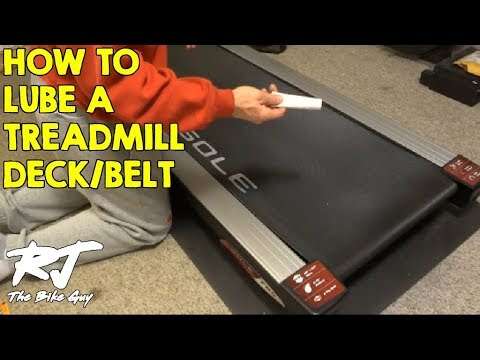
Are Treadmills Bad For Your Knees: Safer Running Tips
Treadmills are not inherently bad for your knees; risk depends on how you use them and your joint health.
I’ve spent years studying exercise science and coaching runners, and I can tell you that whether are treadmills bad for your knees is a practical question, not a simple yes-or-no. This article breaks down how treadmills affect knee mechanics, what raises or lowers your risk, and clear steps you can take to protect your knees while getting fit. Read on for evidence-based tips, real-world experience, and easy adjustments you can use today to keep your knees healthy on a treadmill.
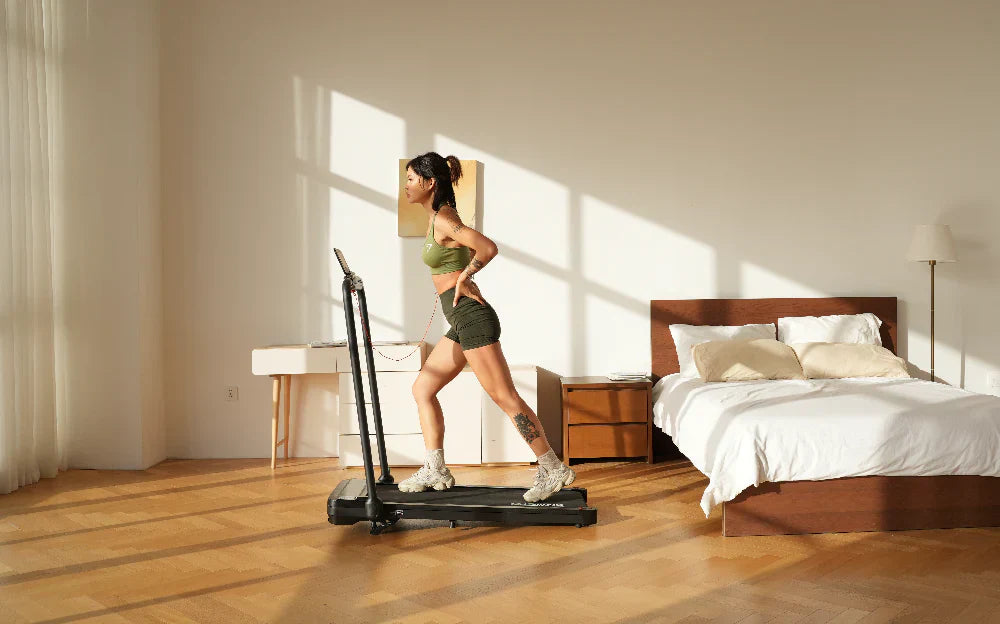
How treadmills affect knee mechanics
Treadmills change how your foot, ankle, and knee move in small ways. The belt helps pull your foot back slightly, which can reduce the need for strong push-off. That can lower impact for some people, but it can also change knee loading in ways that feel odd at first.
Biomechanical studies show that treadmill runners often have a shorter stride and higher cadence. Both changes can reduce peak force at the knee. Still, running form, speed, and incline all alter knee stress, so the answer to are treadmills bad for your knees depends on these details.
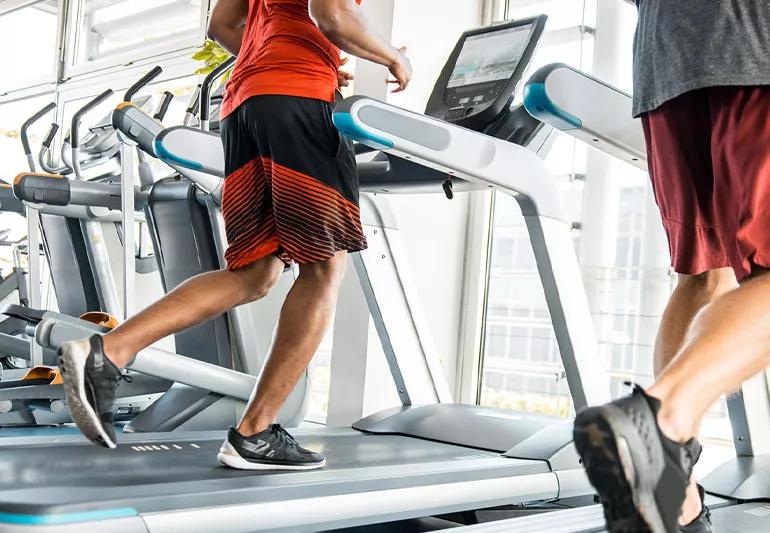
Factors that raise knee risk on a treadmill
-
Running too fast or pushing too hard
Exceeding your fitness level spikes load on the knee. Sudden increases in speed are common causes of pain. -
Poor running form
Overstriding, heavy heel striking, and a low cadence can increase knee stress. -
Lack of shock absorption
Cheap or worn treadmill decks transfer more impact to joints. -
Pre-existing knee issues
Cartilage damage, tendonitis, or weak muscles make knee pain more likely. -
Repetitive high-intensity sessions
Lots of daily high-impact workouts give your knee little time to recover.
These are the main reasons people ask are treadmills bad for your knees. Manage these factors and risk drops significantly.
Benefits of treadmill use for knee health
-
Controlled surface and climate
Treadmills give a flat, predictable surface that cuts the chance of twists and falls compared with trails. -
Easier progress tracking
You can control pace, incline, and duration to progress slowly and safely. -
Reduced downhill stress
Treadmills remove steep downhill forces that can worsen knee pain. -
Low-impact options
Walking or using a cushioned treadmill reduces peak joint loads versus hard roads.
Used right, treadmills can be a tool to maintain fitness while protecting injured knees. If you wonder are treadmills bad for your knees, remember they can also be part of the solution.

How to use a treadmill safely to protect your knees
-
Warm up for 5 to 10 minutes
Start slow and let joints and muscles adapt. Gentle walking helps synovial fluid circulate. -
Keep cadence high and stride short
Aim for a cadence around 170–180 steps per minute for running, or a slightly higher cadence when walking briskly. This lowers impact per step. -
Use gentle slopes instead of speed
Raising incline by 1–2% adds challenge without excessive impact. Avoid steep declines. -
Prioritize shock absorption
Choose a treadmill with a cushioned deck. Replace the belt or deck if it feels hard. -
Strengthen hips and quads
Strong muscles around the knee absorb load. Add squats, lunges, and glute work twice weekly. -
Progress slowly
Follow the 10% rule: increase time or pace by no more than 10% per week.
Following these steps helps answer are treadmills bad for your knees by showing how to lower risk.
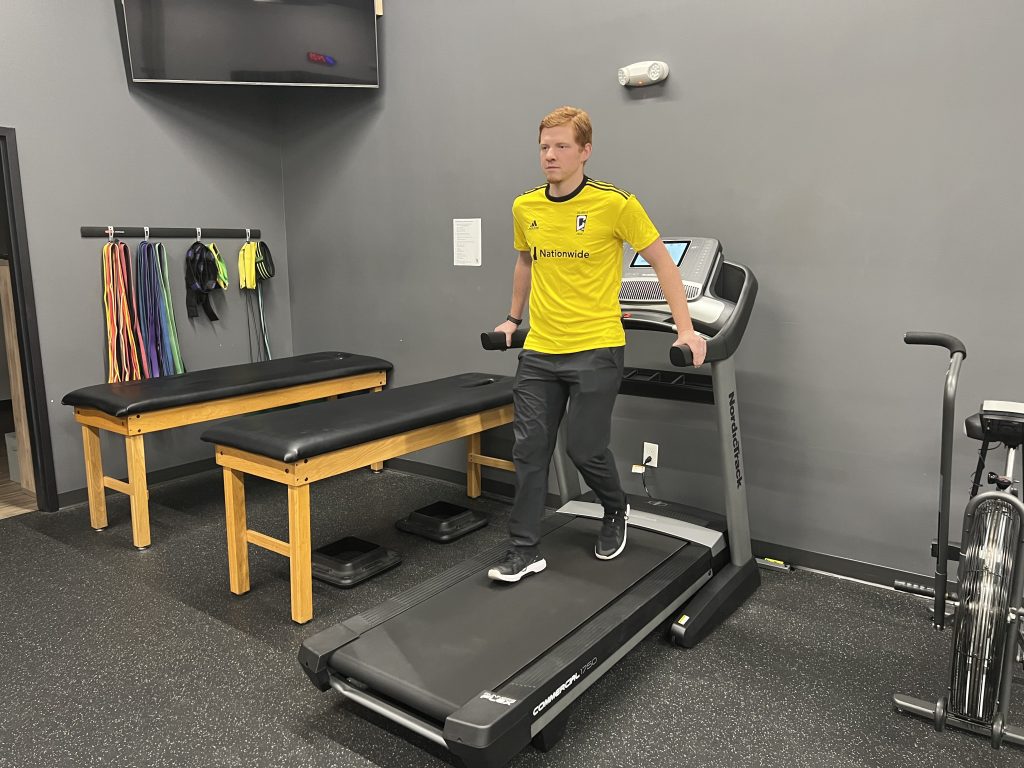
Treadmill versus outdoor running: what’s safer for knees?
Treadmill pros for knees:
- Controlled surface and pace make it easier to rehab an injured knee.
- Cushioning is generally better than concrete, reducing peak forces.
Outdoor pros for knees:
- Natural terrain trains balance and strengthens stabilizers.
- Variation in surface can reduce repetitive stress but raises risk of twists.
If you have knee pain, a treadmill is often a safer place to resume activity. If you are healthy, rotate between treadmill and outdoor runs to balance cushioning and strength benefits. Are treadmills bad for your knees? Not necessarily — context matters.

When to avoid treadmills and seek professional help
-
Sudden sharp knee pain during use
Stop immediately and rest. Sharp pain can signal a tear or acute injury. -
Persistent swelling or locking
These are red flags that need clinical evaluation. -
Known structural issues
If you have severe osteoarthritis, recent surgery, or ligament instability, consult a clinician before using a treadmill. -
Pain that worsens despite adjustments
If safe changes (slower pace, lower incline, better shoes) don’t help, get an assessment.
If you still ask are treadmills bad for your knees after trying safe changes, see a physical therapist or sports doctor. They can test gait, strength, and joint health.

Personal experience and practical tips from coaching and rehab
I worked with a runner who feared that are treadmills bad for your knees was true. She had mild patellofemoral pain. We switched her to short, guided treadmill sessions with a higher cadence and gentle incline. Within six weeks, pain dropped and her confidence rose.
Lessons I learned:
- Small changes matter. Step length and cadence made the biggest difference.
- Track progress. Log pain, pace, and time to see patterns.
- Recovery is part of training. Rest days cut cumulative knee stress.
These real steps have helped clients and colleagues. They show how are treadmills bad for your knees is often about small fixes, not ditching the machine.

Frequently Asked Questions of are treadmills bad for your knees
Will treadmill running cause arthritis in my knees?
No. Running on a treadmill does not directly cause arthritis. Long-term joint health is more tied to genetics, previous injuries, and overall load management.
Is walking on a treadmill bad for my knees?
Walking on a treadmill is usually safe and low-impact. It can actually help knee mobility and circulation when done with good form.
Should I use incline or speed to protect my knees?
Use small inclines and moderate speeds to reduce impact while still building fitness. Fast downhill running or steep speeds can increase knee stress and should be used cautiously.
How often should I replace a treadmill belt or deck to protect knees?
Replace or service a worn belt or deck when it loses cushioning or develops wobble. A well-maintained treadmill reduces harmful force on the knees.
Can strengthening exercises prevent treadmill-related knee pain?
Yes. Strength work for the hips, quads, hamstrings, and core reduces knee load. Combine strength with gradual training increases to lower risk.
When should I stop using a treadmill and see a doctor?
Stop if you feel sudden severe pain, persistent swelling, joint locking, or instability. Those signs warrant immediate professional assessment to avoid further damage.
Conclusion
Treadmills are tools. They can protect knees when used correctly and harm them when misused. Keep your pace sensible, your cadence higher, your stride shorter, and your strength work regular to tip the balance toward safety. If you have knee pain that does not improve with sensible changes, seek clinical advice.
Take action today: try a short, low-impact treadmill session with a focus on cadence, and track how your knees feel. If this helped, share your experience or subscribe for more practical tips on safe training.

Brandon Knoxley is a sport & fitness writer and training guide contributor at MySportFitHub. He focuses on practical workouts, performance-based training, and honest fitness gear insights designed for real people and real results. Brandon is passionate about helping beginners and active individuals train smarter, avoid common mistakes, and build sustainable fitness habits.