What Is 12 Incline On Treadmill: Benefits And Speed Tips
A 12 incline on a treadmill means the deck rises 12 feet for every 100 feet forward.
If you have seen the popular 12-3-30 workout, you may wonder what “12 incline” really means. In most treadmills, it refers to a 12% grade, not a 12-degree angle. This guide explains how steep it is, what it does to your body, how many calories it may burn, and how to use it safely.
What Does 12 Incline Mean on a Treadmill?
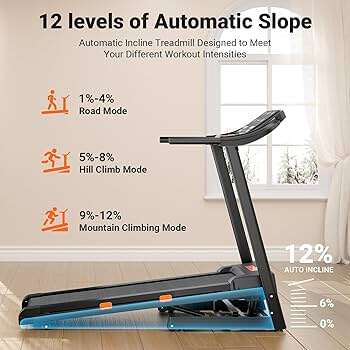
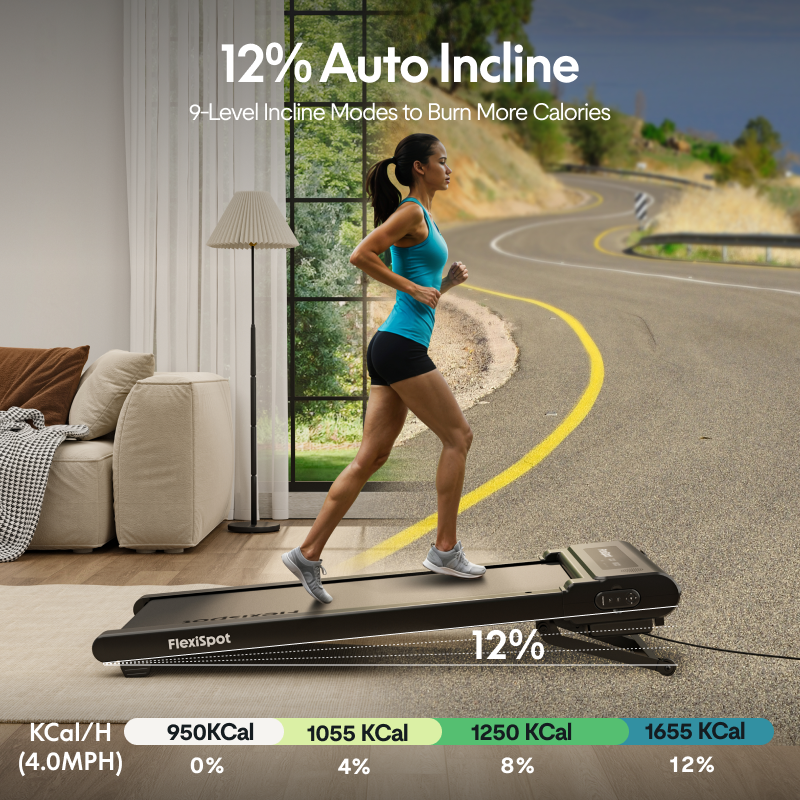
A 12 incline on a treadmill usually means a 12% incline, also called a 12% grade. For every 100 units you travel forward, the treadmill surface rises 12 units.
For example:
• 100 feet of forward travel creates about 12 feet of vertical rise.
• 100 meters of forward travel creates about 12 meters of vertical rise.
• The treadmill deck is raised at an angle of about 6.8 degrees.
This can sound less steep than expected because a 12% grade is not the same as a 12-degree angle. A 12-degree treadmill angle would be much steeper.
Most commercial treadmills display incline as a percentage. Some models may show a level from 0 to 15 instead. On those machines, level 12 often means a 12% grade, but you should check the owner’s manual because settings can vary.
How Steep Is a 12 Incline on a Treadmill?
A 12 incline on a treadmill is steep for walking. It feels more like walking uphill on a long, demanding outdoor path than walking on a normal sidewalk.
The exact difficulty depends on your speed, fitness level, stride, body weight, and how long you stay on the treadmill. At 2 to 3 miles per hour, many people can manage the incline with good posture. At faster speeds, it can quickly become a hard workout.
A 12% grade is roughly comparable to:
• A steep hill in a city park
• A challenging section of a hiking trail
• A long uphill road
• A moderate stair-climbing effort when performed for several minutes
The treadmill does not fully copy outdoor hill walking. It removes wind resistance and changes how your foot meets the ground. Still, the incline places a clear extra demand on your legs and heart.
12% Incline Versus 12 Degrees
These two terms are not interchangeable.
A 12% incline rises 12 units over 100 horizontal units. It equals an angle of about 6.8 degrees.
A 12-degree incline is steeper. It equals roughly a 21% grade. If your treadmill uses degrees instead of percentages, the same number can feel far harder.
Always check the display or manual before comparing workouts. This small detail prevents a lot of confusion.
What Muscles Does a 12 Incline Work?
Walking at a 12 incline increases the work done by several lower-body muscles. Your body must push against gravity with each step, much like climbing a hill.
The main muscles involved include:
• Gluteus maximus: Helps extend your hips and drive your body upward.
• Hamstrings: Assist with hip movement and help control each step.
• Quadriceps: Straighten the knee and support your body as you move uphill.
• Calves: Help push your foot away from the belt.
• Hip flexors: Lift the leg for the next step.
• Core muscles: Help keep your trunk stable as the belt moves below you.
You may feel the incline most in your calves and glutes. That does not mean those muscles are the only ones working. The legs, hips, and core all share the load.
A common mistake is leaning far back while holding the rails. This may reduce the effort placed on your legs and change your walking form. Think of your body as one straight line from your head to your hips, with a small forward lean from the ankles.
Does a 12 Incline Build Muscle?
A 12 incline can strengthen and condition your lower body, especially if you are new to uphill walking. It may help your muscles become more capable and improve muscular endurance.
However, treadmill incline walking is not the same as heavy strength training. It will not replace squats, lunges, deadlifts, or other resistance exercises if your goal is major muscle growth.
For stronger and more balanced muscles, combine incline walking with:
• Two or more weekly strength sessions
• Flat walking or easy cardio
• Mobility work for the ankles and hips
• Rest days between demanding workouts
Is Walking at a 12 Incline Good for Cardio?
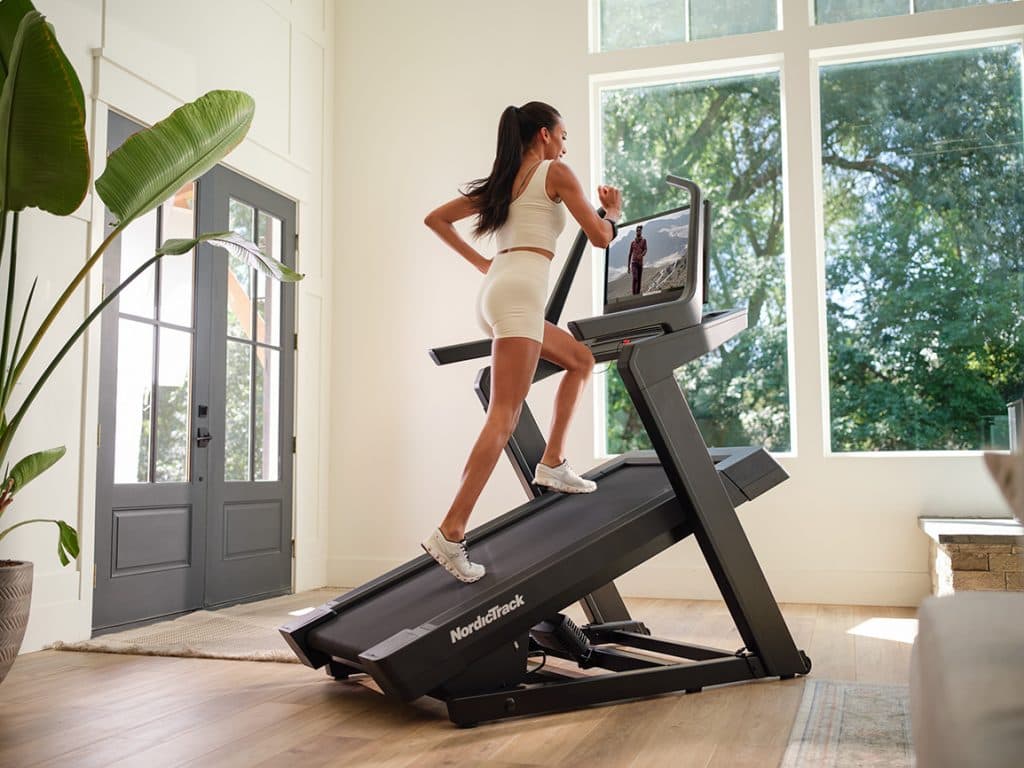
Yes, a 12 incline can provide an effective cardiovascular workout. The hill increases the amount of work your body must do at the same speed, so your heart and breathing rate usually rise.
Research on uphill walking shows that adding grade increases energy use and oxygen demand. In simple terms, walking uphill makes a moderate speed feel much harder than walking on a flat surface.
A 12 incline may be useful for:
• Improving aerobic fitness
• Building stamina
• Training for hills or hiking
• Raising your heart rate without running
• Adding variety to a walking routine
You do not need to reach a certain heart rate for every session. The right intensity depends on your health and fitness goal. A simple talk test can help:
• Easy effort: You can speak in full sentences.
• Moderate effort: You can talk, but you need more breaths.
• Hard effort: You can say only a few words at a time.
For many people, a 12 incline at a slow speed creates moderate or hard effort. Start with your breathing and form, not with a preset number.

How Many Calories Does a 12 Incline Burn?
A 12 incline generally burns more calories than walking at the same speed on a flat treadmill. The reason is simple: your body must lift itself against gravity while moving forward.
The actual number depends on:
• Body weight
• Walking speed
• Workout length
• Fitness level
• Treadmill accuracy
• Whether you hold the handrails
For example, a 150-pound person may burn roughly 200 to 350 calories during 30 minutes of incline walking, depending on speed and effort. This is only a broad estimate. A heavier person may burn more, while a lighter person may burn less.
Treadmill calorie displays are useful for comparison, but they are not medical measuring tools. Many machines do not know your exact body composition, fitness level, or movement pattern. If you enter an incorrect weight or hold the rails, the estimate becomes less reliable.
Do not judge a workout only by its calorie number. Fitness improvements, stronger legs, better stamina, and consistency matter just as much.
Why Holding the Rails Changes the Workout
Holding the treadmill rails can make a 12 incline feel easier. It may also reduce the amount of body weight your legs must support and alter your walking pattern.
If you need the rails for balance, use them lightly. If you must pull yourself forward or lean heavily on them, lower the speed or incline. A safer, easier setting is better than a steep setting with poor form.

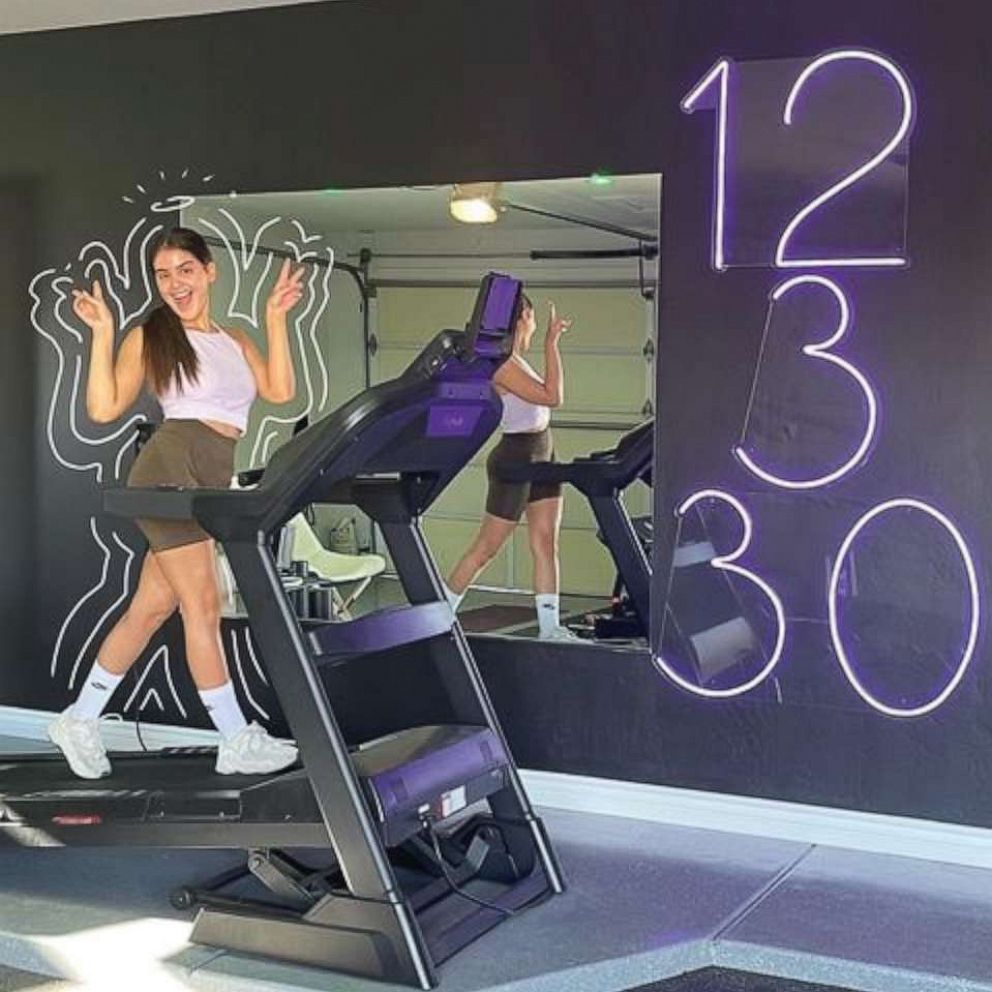
What Is the 12-3-30 Treadmill Workout?
The 12-3-30 workout usually means:
• 12% incline
• 3 miles per hour
• 30 minutes
This workout became popular through social media. It is a demanding form of incline walking, especially for beginners.
At 3 miles per hour and a 12 incline, many people reach a moderate to vigorous effort. Some can complete the full 30 minutes without trouble. Others may need to reduce the speed, shorten the workout, or lower the grade.
A safer beginner version might look like this:
-
Walk for 5 minutes at 0% to 3% incline.
-
Increase the incline to 6% for 5 minutes.
-
Raise it to 8% or 10% if your form remains strong.
-
Walk for 10 to 20 minutes at a comfortable pace.
-
Lower the incline gradually for a 5-minute cool-down.
You can build toward 12-3-30 over several weeks. There is no benefit in forcing the full workout before your joints, calves, and heart are ready.
How Often Should You Do 12-3-30?
For many people, one to three incline sessions per week is enough. The best schedule depends on your current training, recovery, and other workouts.
Avoid placing a hard incline session after a demanding leg workout. Your calves, Achilles tendons, knees, and hips need time to recover. A rest day or easy walking day can help you train more consistently.

How to Use a 12 Incline Safely
A 12 incline can be safe for many healthy adults, but it is not suitable for every person or every day. Steep walking increases stress on the calves, Achilles tendons, knees, hips, and lower back.
Use these safety steps:
• Warm up for 5 to 10 minutes at a low incline.
• Start at a slower speed than you expect.
• Keep your hands off the rails when you can do so safely.
• Maintain a tall posture with a slight forward lean.
• Take short, natural steps rather than reaching far in front.
• Wear supportive shoes with good traction.
• Drink water before and after the workout.
• Cool down by lowering the speed and incline slowly.
• Stop if you feel chest pain, faintness, unusual shortness of breath, or sharp pain.
People with heart disease, uncontrolled blood pressure, diabetes, balance problems, joint injuries, or other medical concerns should ask a qualified health professional before starting steep incline exercise. This is especially important if you are inactive or have recently had surgery.
Signs That the Incline Is Too Hard
The workout is too difficult if you cannot control your steps or maintain good posture. Other warning signs include:
• Sharp knee, hip, ankle, or back pain
• Calf pain that changes your walking pattern
• Dizziness or feeling faint
• Severe breathlessness that does not settle
• Repeatedly leaning on the rails
• A heart rate that feels unusually high for you
Fatigue is normal. Pain and loss of control are signals to change the workout.

Proper Form for a 12 Incline on a Treadmill
Good form helps you get the benefit of a 12 incline while reducing unnecessary strain.
Keep your eyes forward instead of looking down at your feet. Let your arms swing naturally, and keep your shoulders relaxed. Your steps should be steady and controlled.
Try this simple form checklist:
• Keep your head stacked over your shoulders.
• Keep your chest open.
• Lean slightly forward from the ankles, not by bending at the waist.
• Push through the whole foot.
• Take shorter steps as the incline increases.
• Avoid bouncing or reaching for the front of the belt.
• Use the rails only for balance or during transitions.
In my experience, the most common early mistake is choosing a speed that is too high. People then grab the rails, lean backward, and turn the workout into a struggle. Lowering the speed by even 0.3 to 0.5 miles per hour often improves form and makes the session more useful.
The goal is not to prove that you can survive the steepest setting. The goal is to train well enough that you can return and do it again.
12 Incline Walking Versus Flat Walking and Running
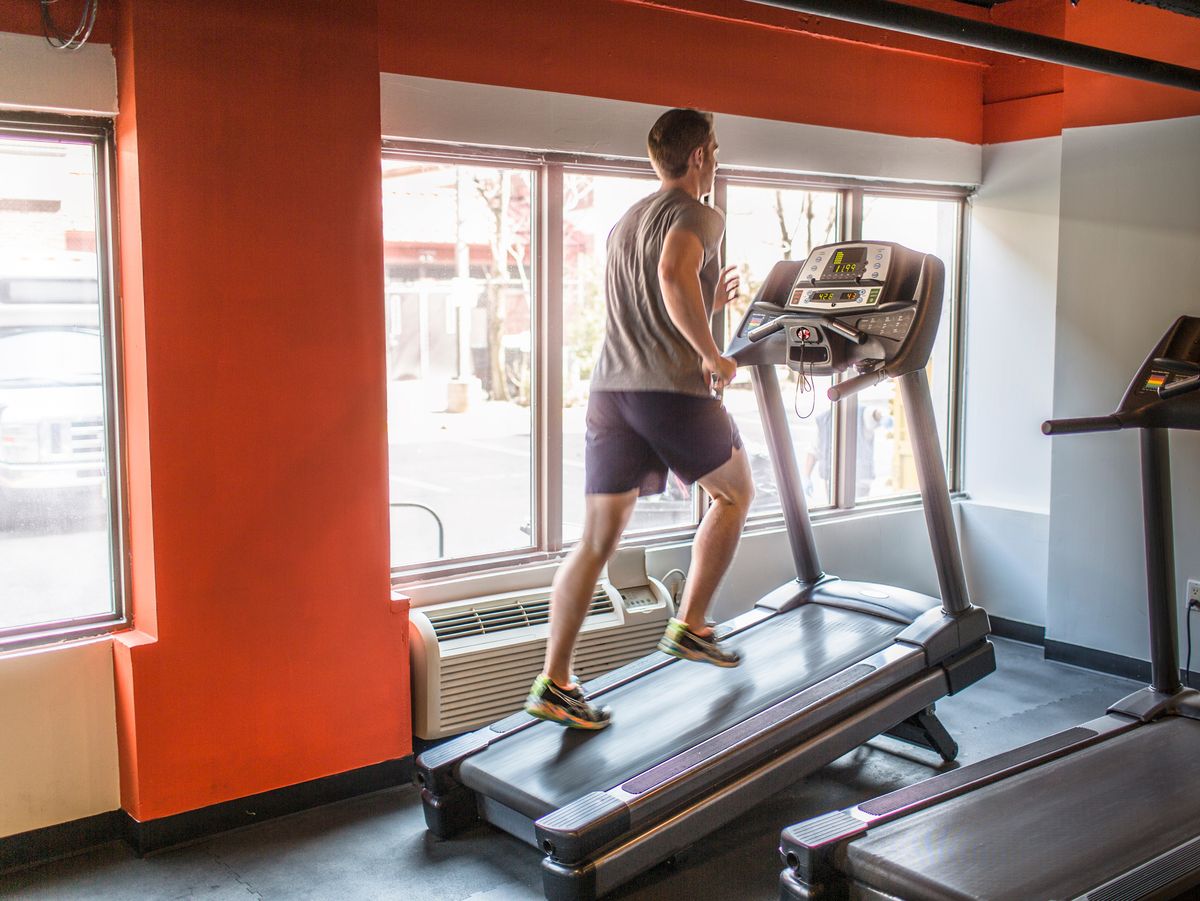
A 12 incline changes the workout without requiring a fast running pace. This makes it useful for people who want a hard effort but prefer walking.
Compared With Flat Walking
A 12 incline usually raises the effort, heart rate, and energy use compared with flat walking at the same speed. It also places more work on the calves, glutes, and hamstrings.
Flat walking is often easier to recover from. It can be a better choice for warm-ups, cool-downs, recovery days, or long walks.
Compared With Running
Running usually creates more impact and may raise your heart rate faster. Incline walking can create a strong cardiovascular challenge with less impact than running, although it still places significant stress on the lower legs.
Neither option is automatically better. Choose based on your goals, fitness, injury history, and personal preference.
Compared With Outdoor Hills
Outdoor hills include changing surfaces, turns, wind, and downhill sections. A treadmill gives you a controlled grade and speed, which makes it easier to track progress.
Treadmill walking also removes the downhill portion. Downhill walking can create a different type of muscle stress, especially in the quadriceps.
How to Progress to a 12 Incline
If you are new to treadmill incline training, progress slowly. Your cardiovascular system may adapt faster than your tendons and joints, so your breathing may feel ready before your lower legs are.
Try one of these progression plans:
Progress by Incline
• Week 1: 3% to 5% incline
• Week 2: 5% to 7% incline
• Week 3: 7% to 9% incline
• Week 4: 9% to 12% incline
Keep the speed comfortable as the grade increases.
Progress by Time
• Start with five minutes at a 12 incline.
• Add two to five minutes each week.
• Keep the speed low enough to protect your form.
• Stop increasing when your legs need more recovery.
Progress by Intervals
Alternate between easier and harder periods:
-
Walk 3 minutes at 3% incline.
-
Walk 2 minutes at 10% to 12% incline.
-
Repeat four to six times.
-
Cool down at 0% to 3% incline.
Intervals allow you to practice a 12 incline without staying there for the entire workout.
A useful rule is to change only one factor at a time. Increase the incline, speed, or duration, but not all three in the same session.
Common Mistakes to Avoid
A 12 incline on a treadmill can be effective, but small mistakes may reduce the benefit or increase injury risk.
• Starting at 12% without warming up: Your calves and Achilles tendons may be unprepared.
• Copying someone else’s speed: A speed that works for one person may be too hard for another.
• Holding the rails: This changes posture and can reduce the true workload.
• Leaning backward: This can place extra stress on the lower back.
• Taking long steps: Long steps may increase strain and reduce control.
• Ignoring pain: Muscle fatigue is common, but sharp or worsening pain needs attention.
• Doing the workout every day: Hard incline sessions require recovery.
• Chasing calorie numbers: The display is an estimate, not a precise measurement.
One lesson worth remembering is that consistency beats intensity. A 20-minute workout with good form can be more valuable than a 30-minute workout that leaves you sore, exhausted, or injured.
A Sample 12 Incline Treadmill Workout
Here is a balanced session for an intermediate walker. Adjust each setting to match your ability.
-
Warm up for 5 minutes at 0% to 2% incline and an easy speed.
-
Walk for 5 minutes at 5% incline.
-
Walk for 5 minutes at 8% incline.
-
Walk for 5 minutes at 10% incline.
-
Walk for 5 minutes at 12% incline.
-
Reduce the incline to 5% and walk for 3 minutes.
-
Cool down for 5 minutes at 0% to 2% incline.
This creates a 33-minute workout with a gradual build. You can make it easier by lowering the speed or shortening each incline block.
For a beginner, try this version:
• Warm up for 5 minutes at 0% incline.
• Walk for 1 minute at 8% to 12% incline.
• Walk for 2 minutes at 2% to 3% incline.
• Repeat five times.
• Cool down for 5 minutes.
Track how you feel during the workout and the next day. If you recover well, increase the time or incline gradually.
Frequently Asked Questions About What Is 12 Incline on a Treadmill
Is 12 incline the same as 12 degrees?
No. On most treadmills, a 12 incline means a 12% grade, which equals about 6.8 degrees. A 12-degree incline is much steeper and is close to a 21% grade.
Is a 12 incline on a treadmill good for weight loss?
It can support weight loss by increasing exercise intensity and calorie use. However, weight loss also depends on food intake, sleep, daily activity, genetics, and long-term consistency.
Is a 12 incline too hard for beginners?
It may be too hard for some beginners, especially at a fast speed. Start with a lower incline or short intervals, then build toward a 12 incline as your fitness and lower-leg strength improve.
Can I hold the treadmill rails at a 12 incline?
You can use the rails briefly for balance or during transitions. Avoid leaning heavily on them because it changes your posture and may reduce the actual effort of the workout.
How long should I walk at a 12 incline?
The right time depends on your fitness level. Beginners may start with one- to five-minute intervals, while experienced walkers may use a 12 incline for 20 to 30 minutes with good form.
Does a 12 incline work the glutes?
Yes. Uphill walking increases the demand on the glutes and other muscles that extend the hip. It can improve lower-body endurance, but strength training is still better for building substantial muscle size.
What speed should I use at a 12 incline?
Use a speed that lets you keep control, breathe steadily, and avoid holding the rails. For many people, that may be between 1.5 and 3 miles per hour, but your safe speed may be outside that range.
Conclusion
A 12 incline on a treadmill usually means a 12% grade, or a rise of 12 feet for every 100 feet forward. It is a steep walking setting that can raise your heart rate, challenge your glutes and calves, and increase energy use without requiring a fast running pace.
Start slowly, use good posture, avoid leaning on the rails, and build your time over several weeks. Try a short interval session first, then adjust the speed, incline, and duration based on your form and recovery. For more practical treadmill guides, explore related fitness resources and share your experience with incline walking.

Brandon Knoxley is a sport & fitness writer and training guide contributor at MySportFitHub. He focuses on practical workouts, performance-based training, and honest fitness gear insights designed for real people and real results. Brandon is passionate about helping beginners and active individuals train smarter, avoid common mistakes, and build sustainable fitness habits.