
Best Budget Treadmill For Running: Top Affordable Picks
The best budget treadmill for running is the MERACH T12, thanks to its wide belt, 300-pound capacity, and practical home design.
You may want to run more, but bad weather, busy days, and crowded gyms keep getting in the way. A home treadmill solves that problem by putting a steady running surface a few steps away. Still, choosing the best budget treadmill for running takes care. A low price means little if the belt feels cramped, the motor struggles, or the machine shakes under your stride. I reviewed these models for speed, belt space, folding design, incline, comfort, noise, and value. My goal is simple: help you find a safe, useful treadmill that fits both your room and your budget.
Compact Walking Pad With Handle Bar

This compact treadmill offers a speed range from 0.6 to 6.2 mph. That range works well for walking, brisk walking, and light jogging. The handle bar adds a welcome layer of balance for new users. Its folding form also makes it easier to store in a small apartment, bedroom, or home office.
I see this model as a practical starter machine rather than a full-speed runner. The shorter deck may feel limiting if you have a long stride or want to run fast. It should suit users who want short daily sessions, gentle jogs, and easy access to indoor cardio. Before buying, check the listed belt size and user-weight rating against your needs.
Pros:
- Compact frame suits small rooms
- Handle bar improves balance and confidence
- 6.2 mph top speed supports light jogging
- Folding design simplifies storage
- Low-speed setting helps beginners start gently
- Portable design fits home-office use
Cons:
- Not ideal for fast running
- Shorter deck may restrict long strides
- Compact frames can feel less stable at higher speed
My Recommendation
This model is best for beginners, walkers, and users with limited floor space. It can also help someone return to exercise after a long break. I would not choose it as the best budget treadmill for running if you plan speed work or long daily runs. For light jogging and simple home workouts, however, it offers useful value when its size matches your goals.
16% Incline Folding Treadmill With Handle

This folding treadmill stands out with a stated incline of up to 16 percent. Incline work can make a slow walk feel much harder and can add variety to a short workout. The handle gives you a steady place to hold during setup and low-speed incline sessions. Its folding frame makes it more practical than a large club-style machine.
A high incline can raise the training demand on your calves, glutes, and heart. I suggest starting at a low setting and increasing it in small steps. The machine may suit users who value hill training more than top speed. As with any compact treadmill, confirm the belt length, motor details, and maximum user weight before placing an order.
Pros:
- 16 percent incline adds hill-style training
- Folding frame saves room after use
- Handle supports safer mounting and dismounting
- Useful for walking, jogging, and incline sessions
- Incline creates more workout variety
- Home design supports convenient daily use
Cons:
- Incline training can be demanding for new users
- May offer less running space than larger treadmills
- Compact models may need careful leveling
My Recommendation
I recommend this treadmill for walkers and joggers who want incline training without paying for a large commercial machine. It is a strong choice for small homes where a folding frame matters. It may be the best budget treadmill for running for users who prefer hill work and moderate speed. It is less suitable for tall runners who need a long deck for fast, relaxed strides.
KASSADIN Walking Pad With Incline

The KASSADIN combines a walking-pad format with a handle bar and incline feature. That mix gives it more support than a flat under-desk pad. It can work for light walks, steady cardio, and short jogs when the deck length feels comfortable. The compact shape should appeal to people who want to exercise without giving up a large part of the room.
I like the balance between easy storage and added training options. A handle bar can make a big difference for older adults or anyone who feels unsure on a moving belt. It is still wise to keep your first sessions slow and flat. Users should review the current Amazon listing for exact speed, incline, belt, and weight details because these specifications can vary by model revision.
Pros:
- Incline adds challenge beyond flat walking
- Handle bar offers extra support
- Compact footprint works in small spaces
- Suitable for walking and gentle jogging
- Easy home access may support regular use
- Walking-pad shape is less bulky than a club treadmill
Cons:
- Not designed for serious speed training
- Small decks can feel tight for tall runners
- Incline may require more care during setup
My Recommendation
The KASSADIN is best for home users who want a compact treadmill with more variety than a flat walking pad. It fits beginners, casual joggers, and people who like incline walks. I would consider it a good value if you need a handle and a small footprint. It becomes less attractive for runners who want long, uninterrupted miles at a quick pace.
CURSOR FITNESS 16% Incline Treadmill

The CURSOR FITNESS model pairs a 16 percent incline with three LED displays. Separate readouts can make it easier to follow key workout data at a glance. The incline helps users add hill effort without leaving home. Its home-focused frame should work well for walking, jogging, and fitness routines that need simple feedback.
Clear displays matter because a hard workout should not feel like a guessing game. I prefer screens that let me check speed, time, distance, or related data without breaking my rhythm. This treadmill may offer a useful mix of workout control and space-saving design. Still, buyers should confirm the exact console functions, deck size, and motor rating before purchase.
Pros:
- 16 percent incline supports hill workouts
- Three LED displays improve data visibility
- Good fit for walking and moderate jogging
- Home design avoids commercial-machine bulk
- Incline helps add intensity without more speed
- Simple displays can help new users track progress
Cons:
- May not suit fast or long-distance runners
- More incline parts can add setup needs
- Display information may be basic
My Recommendation
I suggest CURSOR FITNESS for users who want visible workout data and a strong incline option. It is especially useful for walking plans, low-impact cardio, and short hill sessions. For shoppers seeking the best budget treadmill for running, this model makes sense when incline and simple tracking matter most. Runners who need a wide, long deck should compare its measurements with larger models first.
NordicTrack T Series 5 Starter Treadmill

The NordicTrack T Series 5 is aimed at people who want a familiar fitness brand and a more traditional treadmill layout. Its starter focus makes it a reasonable entry point for home walkers and runners. Compared with very small walking pads, a full treadmill frame can feel more stable and natural. It may also provide a better platform for users who plan to build a steady running habit.
I value a starter treadmill that feels approachable rather than intimidating. NordicTrack models may also connect with guided workout ecosystems, though access and features can depend on the current plan and equipment package. Check the latest listing for exact subscription terms, speed, incline, belt size, and warranty details. This is an important step because advertised features can change across product versions.
Pros:
- Recognizable fitness brand
- Traditional frame feels more like a gym treadmill
- Good starting point for home cardio
- May support guided workout content
- More suitable for regular jogging than a flat pad
- Starter design can feel simple to learn
Cons:
- Usually needs more floor space than a walking pad
- Connected features may require a paid plan
- Exact features vary by package and listing
My Recommendation
This treadmill is best for a first-time treadmill buyer who wants a standard frame and a known brand. It suits walkers and new runners who expect to train several times each week. It may be the best budget treadmill for running for shoppers who value a conventional setup over the smallest possible footprint. Measure your room carefully, and leave clearance around the machine before delivery.
NordicTrack T Series 6.5 S Treadmill
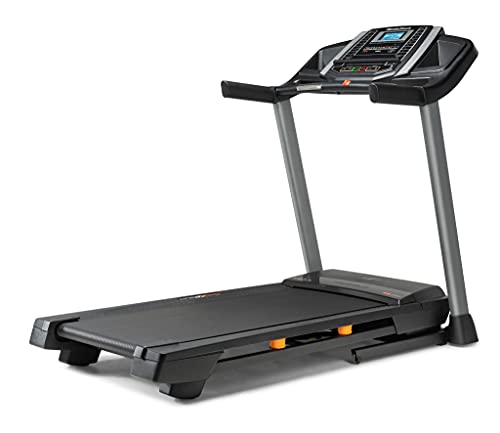
The T Series 6.5 S belongs to the more established NordicTrack treadmill range. It offers the feel of a full home treadmill rather than a small walking pad. That difference matters when you run often, since a longer deck and stronger frame can make each stride feel less restricted. The machine also suits users who want a dedicated workout station instead of a treadmill that slides under a desk.
A full-size treadmill usually asks for more room, but it can repay that space with a steadier running experience. NordicTrack’s connected workout options may appeal to people who enjoy coached sessions and changing routines. I would still check whether any membership is required for the features you want. Also confirm the current specifications and warranty before buying, since marketplace listings may show different packages.
Pros:
- Full treadmill design suits regular runners
- More stable feel than many compact pads
- Useful for walking, jogging, and structured workouts
- Established brand support may add confidence
- Connected training may help prevent workout boredom
- Dedicated frame feels ready for routine use
Cons:
- Requires more room and careful placement
- Heavier frame is harder to move alone
- Some connected features may need a membership
My Recommendation
I recommend the 6.5 S to runners who can spare the floor space and want a more substantial home machine. It is a better match for repeated jogging than many mini treadmills. If the price falls within your budget, it can be the best budget treadmill for running for a new runner who wants a full-size feel. It is not the best choice for an office desk or a very small studio.
Foldable Walking Pad With Handle Bar
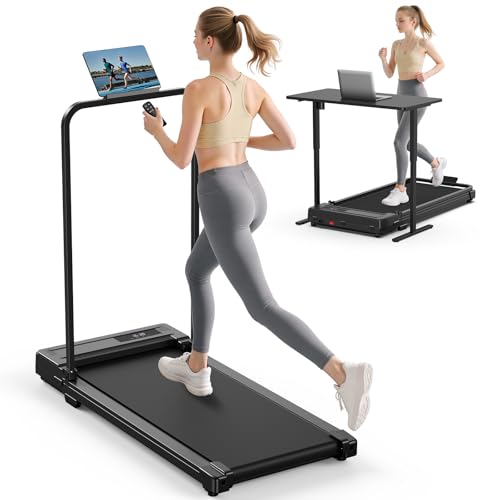
This folding walking pad targets users who need a portable machine for a small home. The handle bar gives it more structure than a flat pad, while the compact frame helps with storage. It can support walking, light jogging, and short indoor sessions. The under-bed storage idea is useful for people who do not want exercise gear to dominate the room.
Portability can turn good intentions into real workouts. When the treadmill is easy to uncover, more users will likely take a short walk instead of skipping exercise. The trade-off is that compact decks do not always suit a long running stride. I would use this model for moderate pace work and check its current belt dimensions before planning regular runs.
Pros:
- Portable design fits small homes
- Handle bar adds support during use
- Folding frame aids under-bed storage
- Works well for walking breaks
- Compact build may suit an apartment or office
- Light jogging is possible when the deck fits the user
Cons:
- Not the best option for fast running
- Short deck may limit natural strides
- Moving and storing it still needs safe lifting
My Recommendation
This model is best for apartment dwellers, office users, and walkers who need fast storage. It offers a practical bridge between a desk walking pad and a larger treadmill. I would call it the best budget treadmill for running only for short, easy jogs. If you plan longer runs, choose a wider and longer deck instead.
Compact Under-Desk Walking Pad

This compact walking pad is built around convenience. Its flat form can slide below a desk, sofa, or bed when you finish a session. A remote control can make speed changes easier while you walk. The quiet, lightweight design should appeal to people who want more movement during work or home tasks.
Under-desk treadmills work best when the goal is to increase daily steps. They are not a replacement for a full running treadmill, especially if you need a handrail or fast speed. I like this style for short walks spread through the day because it removes the need for a full workout window. Keep the floor clear and avoid using a moving belt while your attention must stay on demanding work.
Pros:
- Flat design stores easily
- Useful for walking during work breaks
- Remote control supports simple adjustments
- Lightweight frame is easier to move
- Compact shape suits apartments and offices
- Quiet operation may reduce household disruption
Cons:
- No handle bar for balance support
- Designed mainly for walking
- Requires extra care when used under a desk
My Recommendation
Choose this walking pad if your main goal is more daily movement, not serious running. It is a strong fit for remote workers, apartment residents, and people who prefer several short walks. It is not the best budget treadmill for running because the flat deck and compact shape favor walking. Its value comes from convenience, storage, and frequent low-impact use.
Walking Pad With Incline and Handle

This treadmill adds two features that many small walking pads lack: an incline and a handle bar. The result is a compact machine that can support a wider range of low-impact sessions. You can keep the belt flat for easy walking, then add incline for a tougher effort. The handle also gives new users a clear place to steady themselves.
Incline lets you raise effort without chasing a faster pace. That can help users who want a challenging walk but do not enjoy running. I would treat this as a compact cardio tool, not a marathon trainer. Check the exact incline method, belt measurements, and speed range so the machine matches your training plan.
Pros:
- Incline adds intensity at a slower speed
- Handle bar supports balance
- Compact size fits smaller rooms
- Useful for walking and light jogging
- Flexible setup supports easy and hard sessions
- Storage is simpler than with a large treadmill
Cons:
- Limited deck may not fit long strides
- Not suited to high-speed training
- Incline use may increase noise and belt demand
My Recommendation
This model is best for people who want a small treadmill but still want incline work. It fits beginners, older users who have safe balance, and walkers seeking more challenge. For some shoppers, it may be the best budget treadmill for running at an easy pace because it offers more training variety than a flat pad. Tall or fast runners should choose a full-size deck.
MERACH T12 Foldable Treadmill
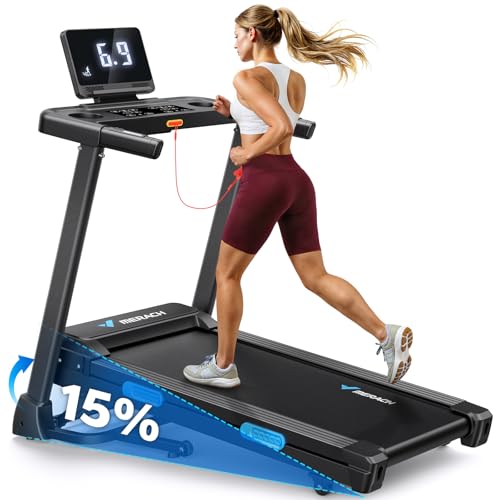
The MERACH T12 is the strongest all-around option in this group for people who want to run at home. Its stated 300-pound capacity and wide running belt set it apart from many small walking pads. A wider belt gives your feet more room and can make a run feel less tense. The foldable frame also helps the machine fit a normal home without becoming a permanent obstacle.
I especially like the balance of running space and storage. A budget treadmill should not only be cheap; it should make regular exercise feel safe and comfortable. The T12 appears better suited to repeated jogging than ultra-compact models, though every runner should verify the current belt size, speed, motor, and warranty. Users near the weight limit should also allow extra room for the impact of running and follow the maker’s guidance.
Pros:
- Wide belt supports a more natural stride
- Stated 300-pound capacity serves more users
- Foldable frame saves floor space
- Better fit for regular jogging than a flat walking pad
- Home design balances function and storage
- More room can improve running confidence
Cons:
- Still needs more space than a mini walking pad
- Heavier construction may be harder to move
- Buyers should confirm the current motor and speed details
My Recommendation
The MERACH T12 is my leading pick for the best budget treadmill for running. I recommend it to new runners, regular joggers, and heavier users who need a more generous belt and stronger stated capacity. It also suits homes where folding storage matters. Its overall value is strongest when the current Amazon price, warranty, and specifications match your training needs.
How I Choose the Best Budget Treadmill for Running
A low price alone does not make a treadmill a good buy. I look at the parts that affect each foot strike, each control change, and each storage task. The best budget treadmill for running should feel useful after the excitement of delivery fades.
Running Belt Size
Belt size matters more for running than for walking. A short belt can force you to shorten your stride or run too close to the front rail. Many runners feel more comfortable with a running surface around 20 inches wide and at least 55 inches long, though taller runners may prefer more length. The right size depends on your height, pace, and stride.
Walking pads often use smaller decks. That design keeps the price and footprint low. It also limits their use for serious running. Measure the belt, not just the outer frame, before you buy.
Speed and Motor Performance
A treadmill for running needs enough speed for your normal pace, plus some room for growth. A model that tops out near a brisk walk may not meet a runner’s needs. Compact models can still work for light jogging, but they may not handle long, fast sessions as well as a full treadmill.
Motor labels can confuse buyers. Horsepower claims do not always tell the whole story. I also consider the machine’s user-weight rating, belt size, frame stability, and warranty. A treadmill that runs smoothly under your weight is more useful than one with a bold number on the box.
Incline
Incline can make a simple walk feel like a hill. It can also add training variety without requiring a high speed. The American College of Sports Medicine supports gradual increases in workout intensity, and that advice matters here. Start flat, learn the controls, and raise the incline in small steps.
A steep incline also puts more demand on the belt and your body. Hold the rail only when needed, since leaning heavily can change your walking form. If you have joint, heart, or balance concerns, ask a health professional before starting a hard incline plan.
Deck Cushioning and Stability
A running belt should not feel like a loose rug. Look for a firm deck with enough shock reduction to make each step comfortable. Too much bounce can feel unstable, while too little give can feel harsh. User weight, stride, footwear, and pace all change the experience.
Place the treadmill on a level floor. A rubber equipment mat can reduce vibration and protect the floor. It may also help the machine stay in place, but it cannot fix a poor frame or loose hardware.
Noise
No home treadmill is silent. Foot impact often creates more sound than the motor. Walking pads tend to make less noise at low speed, while running increases both belt and foot noise. If you live above another home, consider the floor, mat, time of day, and pace.
Quiet operation matters for family life, but safety matters more. Do not sacrifice a stable belt just to get a thinner machine. I would rather accept some normal sound than run on a deck that feels shaky.
Folding and Storage
Folding models help small homes, but the folded size is only part of the story. You also need room to unfold the machine safely. Check the ceiling height if the deck lifts high, and keep a clear path around the frame.
Never store a treadmill where it can block an exit. Keep children and pets away during use. The U.S. Consumer Product Safety Commission has repeatedly highlighted the need for treadmill safety around children, so use the safety key and unplug the machine when appropriate.
Controls and Safety
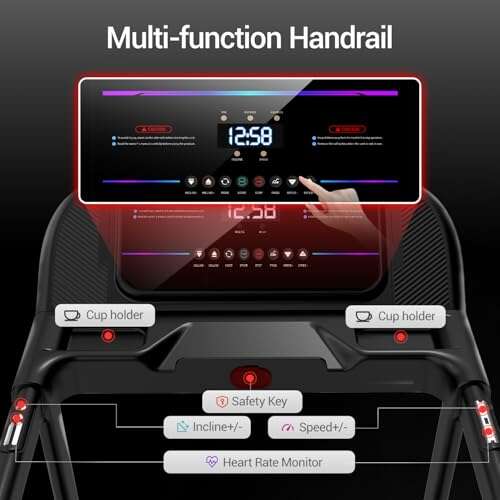
A simple control panel can be a benefit. You should be able to start, stop, and change speed without hunting for a button. A safety key gives you a quick stop if you stumble. Handrails help when mounting, dismounting, or learning the machine, but do not use them to pull yourself through every session.
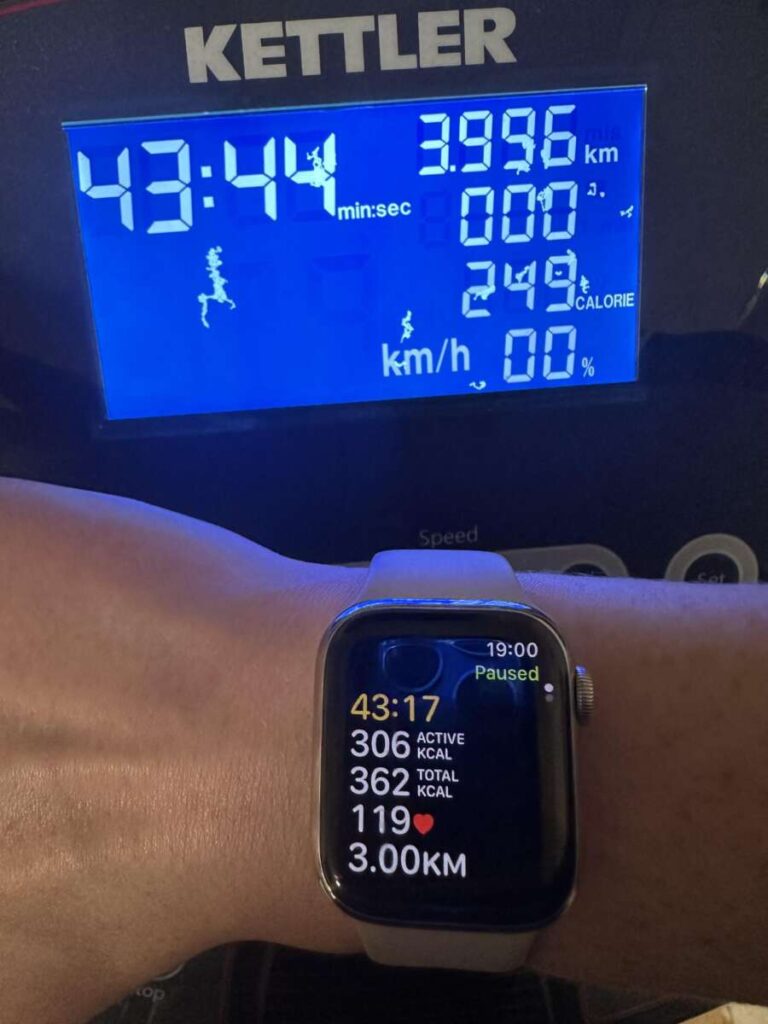
I also look for a clear display. Time, speed, distance, and incline help you track progress. Heart-rate data on low-cost machines may be less exact than a chest strap or medical device, so treat it as a rough guide.
How to Use a Budget Treadmill Safely
Start each session with a slow walk. Give your legs and the belt time to warm up. Increase speed only when your feet feel centered and your posture feels natural.
Wear shoes with a firm grip. Do not run barefoot on a moving belt. Keep water, towels, cords, and toys away from the deck.
Use the safety clip. It may feel like a small detail, but it can stop the belt if you step back or lose balance. Let the treadmill stop before you step off.
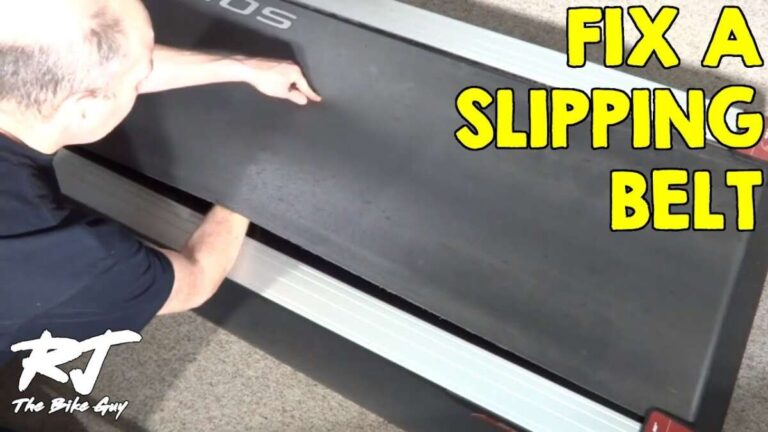
Follow the maintenance guide. Most treadmills need regular belt checks, cleaning, and lubrication at the stated intervals. Dust under the belt can add friction. A dry or misaligned belt may cause noise, slipping, or extra motor strain.
Avoid placing the machine on thick carpet unless the maker permits it. Carpet can restrict airflow around the motor and collect dust. A proper mat on a firm, level floor often works better.
Best for Comparison
| Best for | Why |
|---|---|
| Regular home running | MERACH T12 offers a wide belt, folding storage, and a stated 300-pound capacity. |
| Incline walking on a budget | The 16% incline models add hill training without the size of a commercial treadmill. |
| Small rooms and office use | Compact walking pads store easily and support convenient low-impact movement. |
FAQs Of best budget treadmill for running
What is the best budget treadmill for running?
The MERACH T12 is my top overall pick because its wide belt and stated 300-pound capacity suit more runners than most compact pads. Check the current listing for exact speed, motor, belt, and warranty details before buying.
Can a walking pad replace a running treadmill?
Usually, no. A walking pad works well for steps and light jogging, but many have shorter belts and lower top speeds. Choose a full-size treadmill if you plan long or fast runs.
How much should I spend on a budget running treadmill?
Set a budget that covers the machine, a floor mat, and possible delivery or assembly costs. The cheapest model may not offer the belt space or stability you need. Value matters more than the lowest sticker price.
Are incline treadmills good for beginners?
Yes, if you begin slowly. Start with a flat belt, then add a small incline for short periods. Stop if you feel pain, dizziness, or unusual shortness of breath.
How much room does a home treadmill need?
Measure the full machine when folded and unfolded. Leave clear space around it for safe use and access. Follow the manufacturer’s clearance instructions, and keep the machine away from blocked doors or stairs.
Final Verdict: Which Should You Buy?
The MERACH T12 is the best budget treadmill for running in this comparison. Its wide belt, folding frame, and stated 300-pound capacity make it the most balanced choice for home joggers.
For walking, incline work, or small rooms, a compact pad may be better. Compare belt size, speed, safety features, and warranty before you buy the best budget treadmill for running.

Brandon Knoxley is a sport & fitness writer and training guide contributor at MySportFitHub. He focuses on practical workouts, performance-based training, and honest fitness gear insights designed for real people and real results. Brandon is passionate about helping beginners and active individuals train smarter, avoid common mistakes, and build sustainable fitness habits.