
How To Lubricate A NordicTrack Treadmill: Easy Guide
To lubricate a NordicTrack treadmill, unplug it, apply approved silicone under the belt, and run it slowly to spread it.
Learning how to lubricate a NordicTrack treadmill can save you from belt noise, poor tracking, and costly deck damage. The correct method is simple, but the details matter: each model may use a different belt system, and too much lubricant can cause slipping. This guide explains the safe process, the right lubricant, common mistakes, and signs that your treadmill needs service.

Why Lubricating a NordicTrack Treadmill Matters
A treadmill belt glides over a deck during every workout. Without enough lubrication, friction increases between these parts. That friction can make the motor work harder and may cause heat, noise, belt hesitation, or uneven speed.
Regular lubrication helps the walking belt move smoothly. It may also reduce stress on the motor, rollers, and drive system. However, lubrication cannot fix every treadmill problem. A damaged belt, worn motor, loose roller, or electrical fault needs a different repair.
Most NordicTrack treadmills use silicone-based belt lubricant. Silicone creates a smooth layer without damaging common treadmill belt materials. Never assume that household oils will work the same way.
Important benefits include:
• Less friction between the belt and walking deck
• Smoother belt movement
• Reduced squeaking and rubbing sounds
• Less strain on the drive motor
• Better long-term protection for the belt and deck
NordicTrack models vary by year and series. Always check the owner’s manual before choosing a lubricant or setting a service schedule. Some newer models may use a low-maintenance or pre-lubricated deck system.

How Often Should You Lubricate a NordicTrack Treadmill?
The correct schedule depends on how often you use the treadmill, your body weight, room conditions, and the model’s design. A light user may need service less often than a household where several people run every day.
Many treadmill manuals suggest checking the belt and deck at regular intervals rather than following one fixed rule. A common range is every three months or after about 40 to 50 hours of use, but your model’s manual should take priority.
Consider lubricating the treadmill when:
• The belt feels dry under your fingers
• You hear squeaking or rubbing from beneath the belt
• The belt slows briefly when you step on it
• The deck feels warmer than usual after a short workout
• The machine has reached the service interval in its manual
Do not lubricate simply because the calendar says it is time. Some decks need less lubricant, while others may already have enough. Too much silicone can make the belt slip and collect dust.
In my treadmill maintenance work, I have found that short, regular checks are better than waiting for a loud squeal. A quick inspection can prevent a small dry spot from becoming a damaged deck.

What You Need Before You Start
Gather the right supplies before learning how to lubricate a NordicTrack treadmill. The task usually takes about 10 to 15 minutes, depending on access to the belt and the type of lubricant bottle.
You will need:
• NordicTrack-approved treadmill lubricant
• A clean, dry cloth
• A flashlight
• A small towel or sheet of cardboard
• The treadmill owner’s manual
Use 100% silicone treadmill lubricant unless NordicTrack specifies another product. Do not use WD-40, motor oil, cooking oil, grease, or petroleum-based sprays. These products can damage the belt, attract dirt, or create an unsafe slippery surface.
Choose a lubricant bottle with a narrow tube or long nozzle. It makes it easier to place the silicone under the belt without removing the walking belt.
Before you begin, move the treadmill away from a wall if possible. Place a towel or cardboard under the front and sides of the machine. This protects the floor from drops and makes cleanup easier.

How to Lubricate a NordicTrack Treadmill Step by Step
Follow these steps carefully. If your owner’s manual gives different instructions, use the manual’s directions.
1. Turn off and unplug the treadmill
Press the stop button and wait for the belt to stop completely. Remove the safety key, then unplug the power cord from the wall.
Never place your hands under a moving belt. Unplugging the treadmill prevents an accidental start while you work.
2. Check the belt and deck
Look at the walking belt for cracks, frayed edges, shiny patches, or signs of severe wear. Lift the belt slightly from the side and inspect the deck beneath it.
The deck should look smooth and reasonably clean. If you see deep grooves, burn marks, or broken belt fibers, lubrication will not solve the problem. Contact a qualified treadmill technician.
3. Clean visible dust
Use a dry cloth to remove dust from the top and edges of the belt. Do not spray cleaner under the belt unless the manufacturer allows it.
Dirt under the belt acts like fine sandpaper. Cleaning first helps the silicone form a more even layer.
4. Lift one side of the belt
Stand beside the treadmill and gently lift the walking belt from one side. You only need enough room to place the lubricant tube under the belt.
Do not force the belt upward. Excessive lifting can affect belt alignment or place stress on the rollers.
5. Apply a small amount of silicone
Place the nozzle under the belt near the center of the deck. Apply a thin line of lubricant from the front area toward the middle, following the instructions for your product.
Repeat on the opposite side. Avoid pouring silicone in one large spot. A thin, even application works better than a heavy dose.
For many home treadmills, a small amount on each side is enough. The exact amount depends on the bottle and NordicTrack model, so follow the label and owner’s manual.
6. Spread the lubricant
Reconnect the treadmill only after your hands and tools are clear. Insert the safety key and run the treadmill at its lowest speed for about three to five minutes.
Watch the belt as it moves. Stay beside the machine and keep your feet away from the belt. This low-speed movement spreads the silicone across the walking area.
7. Wipe away excess lubricant
Turn the treadmill off and unplug it again. Wipe any silicone from the frame, side rails, and exposed belt edges.
If the belt feels slippery during a later workout, you probably used too much. Run the treadmill briefly at low speed and wipe away the excess with a clean cloth.
8. Test the treadmill
Walk slowly on the treadmill for a few minutes. Listen for squeaks, rubbing, or changes in belt speed.
A properly lubricated treadmill should feel smooth and steady. If the belt slips, pulls to one side, or stops under light pressure, stop using it and inspect the tension and alignment.

How to Check Whether the Belt Needs Lubricant
You can perform a basic check without taking the treadmill apart. Turn off and unplug the machine, then lift the edge of the belt with one hand.
Touch the walking deck with a clean finger. If it feels dry and rough, the machine may need lubricant. If it feels slightly smooth but not wet, it may still have enough silicone.
Watch for these signs:
• A dry, scratchy feeling under the belt
• A squeak that increases as the belt speeds up
• A brief hesitation when you step onto the belt
• A belt that feels unusually warm after use
• A motor sound that seems louder than normal
These signs can also point to other faults. A loose belt, worn roller bearing, poor alignment, or weak motor may create similar symptoms. Lubrication is not a substitute for a full inspection.
One useful test is to compare the belt with no one on it and while walking at a slow speed. If the motor sounds normal without weight but struggles when you step on, friction or belt tension may need attention.
Common Mistakes to Avoid
Knowing what not to do is an important part of learning how to lubricate a NordicTrack treadmill. Most lubrication problems come from using the wrong product or applying too much.
Avoid these mistakes:
• Using WD-40 or household oil
• Spraying lubricant on top of the walking surface
• Applying silicone without checking the manual
• Pouring a large amount in one place
• Lubricating a belt that is visibly damaged
• Adjusting the belt tension without a clear reason
• Running the treadmill at high speed while spreading lubricant
• Ignoring silicone that has reached the side rails
Do not remove the walking belt unless the manual or a trained technician tells you to. Removing it can create alignment problems and may affect your warranty.
Another common mistake is tightening the belt to hide slipping. A belt that is too tight can increase friction and strain the motor. First check lubrication, alignment, and belt condition. Adjust tension only in small amounts and only when needed.

How to Tell If You Used Too Much Lubricant
Excess lubricant can be as troublesome as too little. The walking belt may slide, hesitate, or feel unstable when you walk.
You may have applied too much silicone if:
• The belt slips during normal walking
• Silicone appears along the belt edges
• The walking surface feels unusually slick
• Dust sticks to the deck or belt
• The motor speed changes under light pressure
To correct the problem, unplug the treadmill. Wipe the exposed belt edges and accessible deck areas with a clean, dry cloth. Then run the treadmill at low speed for a few minutes and check it again.
Do not use harsh chemicals to remove silicone. If the belt continues to slip, the issue may involve belt tension, alignment, or a worn drive component.
When to Call a Treadmill Technician
Lubricating a NordicTrack treadmill is usually a simple maintenance task. Still, some symptoms point to a problem beyond lubrication.
Contact a qualified technician if:
• The belt stops suddenly during use
• You smell burning rubber or hot plastic
• The motor makes grinding or clicking sounds
• The belt has tears, deep cracks, or exposed layers
• The deck has deep grooves or burn marks
• The treadmill shows a repeated error code
• The belt will not stay centered after adjustment
• The machine trips the circuit breaker
Unplug the treadmill before inspecting it. Do not open the motor cover unless you understand electrical and mechanical safety procedures. Treadmills contain moving parts and can store electrical energy even after they are switched off.
If the treadmill is under warranty, use the approved service process. Unauthorized repairs or incorrect lubricants may affect warranty coverage.
Maintenance Tips for a Longer-Lasting Treadmill
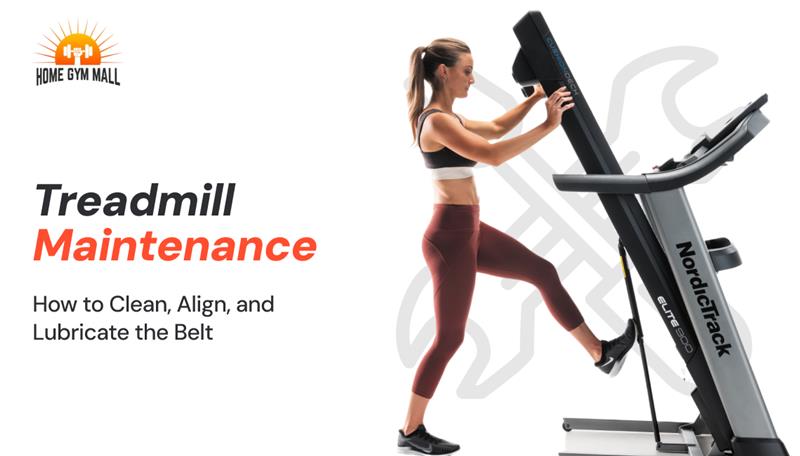
Lubrication works best as part of a wider maintenance routine. A clean, level treadmill is easier to operate and less likely to develop belt problems.
Use these habits:
• Keep the treadmill on a firm, level floor
• Vacuum dust around the motor cover and base
• Wipe sweat from the frame after workouts
• Keep pets and loose items away from moving parts
• Check belt alignment every few weeks
• Inspect the power cord for damage
• Use a surge protector if recommended by the manual
• Record the date and amount of each lubrication service
Your workout shoes also matter. Dirt and grit carried onto the belt can work under it and increase wear. Clean the walking area and avoid using the treadmill with wet shoes.
A simple service log can prevent guesswork. Write down the date, hours of use, lubricant type, and any sounds you noticed. This record helps you spot changes before they become expensive repairs.
Frequently Asked Questions About How to Lubricate a NordicTrack Treadmill
Can I use WD-40 to lubricate a NordicTrack treadmill?
No. WD-40 and similar petroleum-based products are not designed for treadmill belts and decks. Use a silicone treadmill lubricant approved for your model instead.
How much lubricant does a NordicTrack treadmill need?
The amount varies by model and product. Apply a thin, even layer under the belt and follow the owner’s manual or lubricant instructions to avoid belt slipping.
How often should I lubricate my NordicTrack treadmill?
Many users check the belt every three months or after about 40 to 50 hours of use. Your NordicTrack manual should be the final guide because some models need less frequent service.
Should I lubricate the top of the treadmill belt?
No. Apply lubricant under the walking belt, between the belt and deck. Lubricant on top of the belt can make the surface unsafe and may stain your clothing or shoes.
Why does my NordicTrack treadmill still squeak after lubrication?
The sound may come from belt alignment, loose hardware, a worn roller, or a damaged deck. If careful lubrication does not solve the noise, stop using the treadmill and arrange a proper inspection.
Can I walk on the treadmill right after lubricating it?
Run the treadmill at its lowest speed for several minutes first. This spreads the silicone and helps you confirm that the belt is not slipping before you begin a normal workout.
Conclusion
Learning how to lubricate a NordicTrack treadmill is a small task that can protect the belt, deck, and motor. Use the correct silicone lubricant, unplug the machine before working, apply only a thin amount under the belt, and test it at low speed.
Check your owner’s manual because NordicTrack models differ. If the treadmill still slips, squeaks, overheats, or shows damage, treat that as a repair issue rather than adding more lubricant. Add this simple check to your regular maintenance routine, and explore your model’s service guide for the most accurate care schedule.

Brandon Knoxley is a sport & fitness writer and training guide contributor at MySportFitHub. He focuses on practical workouts, performance-based training, and honest fitness gear insights designed for real people and real results. Brandon is passionate about helping beginners and active individuals train smarter, avoid common mistakes, and build sustainable fitness habits.