Why No Caffeine Before Treadmill Stress Test: What To Know
No caffeine before a treadmill stress test helps prevent changes in heart rate, blood pressure, and test accuracy.
Understanding why no caffeine before treadmill stress test matters can make your appointment less stressful. Caffeine may affect your heart and may interfere with some medicines used during stress testing, although the rule depends on the exact type of test you are having. This guide explains the science, preparation steps, common mistakes, and questions to ask your care team.
Why no caffeine before treadmill stress test?
The main reason for avoiding caffeine before a treadmill stress test is to reduce factors that may change your heart rate, blood pressure, or symptoms. Caffeine is a stimulant. It can make your heart beat faster, raise blood pressure for a short time, and cause feelings such as shakiness or a pounding heartbeat.
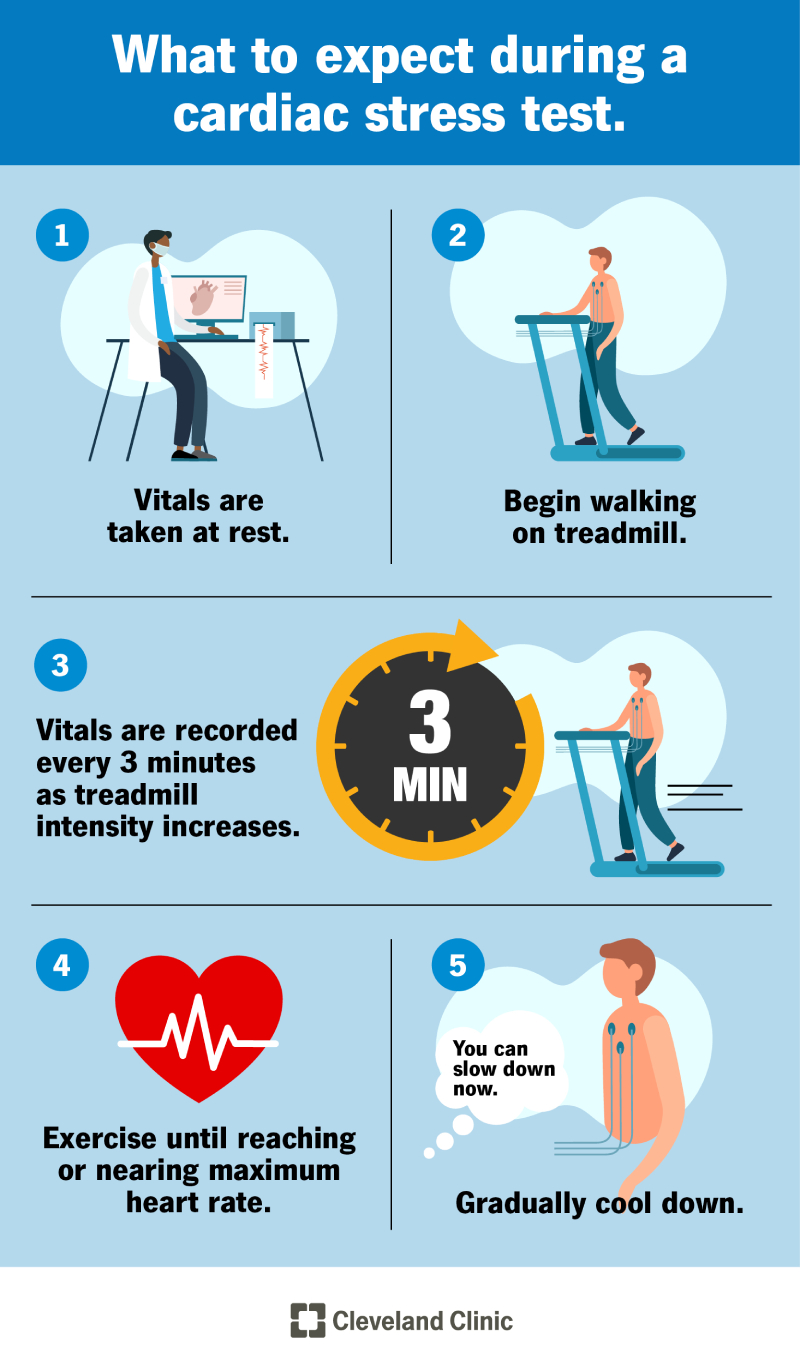
A treadmill stress test measures how your heart responds to exercise. You usually walk on a treadmill while a care team records your:
• Heart rate
• Blood pressure
• Electrocardiogram, or ECG
• Symptoms such as chest pain or shortness of breath
• Exercise capacity and recovery
Think of the test as a controlled road test for your heart. Caffeine can add extra traffic to the road before the test begins. Your care team wants to see how your heart responds to exercise, not to a recent cup of coffee.
However, caffeine restrictions are especially important when the treadmill test includes stress imaging or a medicine-based stress test. Caffeine can block the action of certain drugs, including adenosine, dipyridamole, and regadenoson. These drugs widen the heart’s blood vessels to create a stress response when a person cannot exercise enough.
That is why why no caffeine before treadmill stress test may have a slightly different answer for each patient. A standard exercise ECG may not always require a caffeine ban, while a nuclear stress test or pharmacologic stress test often does.

How caffeine can affect your heart during testing
Caffeine works mainly by blocking adenosine receptors in the brain and body. Adenosine normally promotes relaxation and sleepiness. When caffeine blocks it, you may feel more alert, and your nervous system may become more active.
This effect can influence stress-test results in several ways:
It may raise your heart rate
Some people have a noticeable rise in heart rate after coffee, energy drinks, tea, or pre-workout products. Others may have little change. Your response can also depend on your usual caffeine intake, body size, sleep, stress level, and certain medicines.
It may raise blood pressure
Caffeine may cause a short-term increase in blood pressure, especially in people who rarely consume it. A higher starting blood pressure can affect how the test begins and how your results are interpreted.
It may cause symptoms that resemble heart symptoms
Caffeine can cause:
• Palpitations
• Trembling
• Nervousness
• Flushing
• Dizziness
• Restlessness
• A feeling of breathlessness
These symptoms do not always mean there is a heart problem. Still, they can make it harder for the clinical team to tell whether symptoms came from exercise, caffeine, anxiety, or an underlying condition.
It may affect stress medicines
This is the most important reason for avoiding caffeine before many stress imaging tests. Caffeine can reduce the effect of vasodilator medicines that act through adenosine pathways. If the medicine does not work as planned, the heart may not receive the intended stress response.
That can lead to a test that is less useful or needs to be repeated. The exact restriction varies, so always follow the instructions from the testing center.
Treadmill stress test versus stress imaging
Many people use the term “treadmill stress test” for several different procedures. Knowing the difference can explain why one person may be told to avoid caffeine for 12 to 24 hours while another person receives different instructions.
Standard exercise ECG
A standard exercise ECG uses a treadmill or stationary bike. Electrodes record the heart’s electrical activity while you exercise. In some centers, caffeine is not strictly prohibited for this test.
Even so, caffeine may still affect your resting heart rate, blood pressure, and symptoms. Your facility may ask you to avoid it to keep the test conditions consistent.
Exercise echocardiogram
An exercise echocardiogram combines treadmill exercise with ultrasound images of the heart. Caffeine may not directly interfere with the exercise portion, but the center may still restrict it as part of a standard preparation plan.
Nuclear stress test
A nuclear stress test may use exercise, a medicine, or both. A tracer helps show blood flow to the heart muscle. If a vasodilator medicine is used, caffeine can interfere with the medicine’s effect.
Pharmacologic stress test
A pharmacologic stress test uses medication to place stress on the heart. It may be used when a person cannot walk fast enough or exercise safely. Caffeine is often restricted because it can oppose the action of certain stress medicines.
If your appointment paperwork says “stress test,” call the testing center and ask which type you will receive. This simple step can prevent confusion.

How long should you avoid caffeine?
The required caffeine-free period depends on the test and the medication used. Many centers advise avoiding caffeine for at least 12 hours. Others may request 24 hours.
Caffeine is found in more than coffee. Check for it in:
• Black tea and green tea
• Energy drinks and energy shots
• Soda and cola
• Pre-workout powders
• Chocolate and cocoa
• Coffee-flavored foods
• Some pain relievers
• Certain supplements
Decaffeinated coffee is not always caffeine-free. It can contain a small amount of caffeine. That amount may not matter for every test, but it may matter for a pharmacologic stress study.
Caffeine can also remain in the body for several hours. The average half-life is often about four to six hours, but it may be longer in pregnancy, liver disease, and with certain medicines. People also process caffeine at different rates.
Do not guess based on how awake you feel. Follow the time window provided by your care team.
What to do before a treadmill stress test
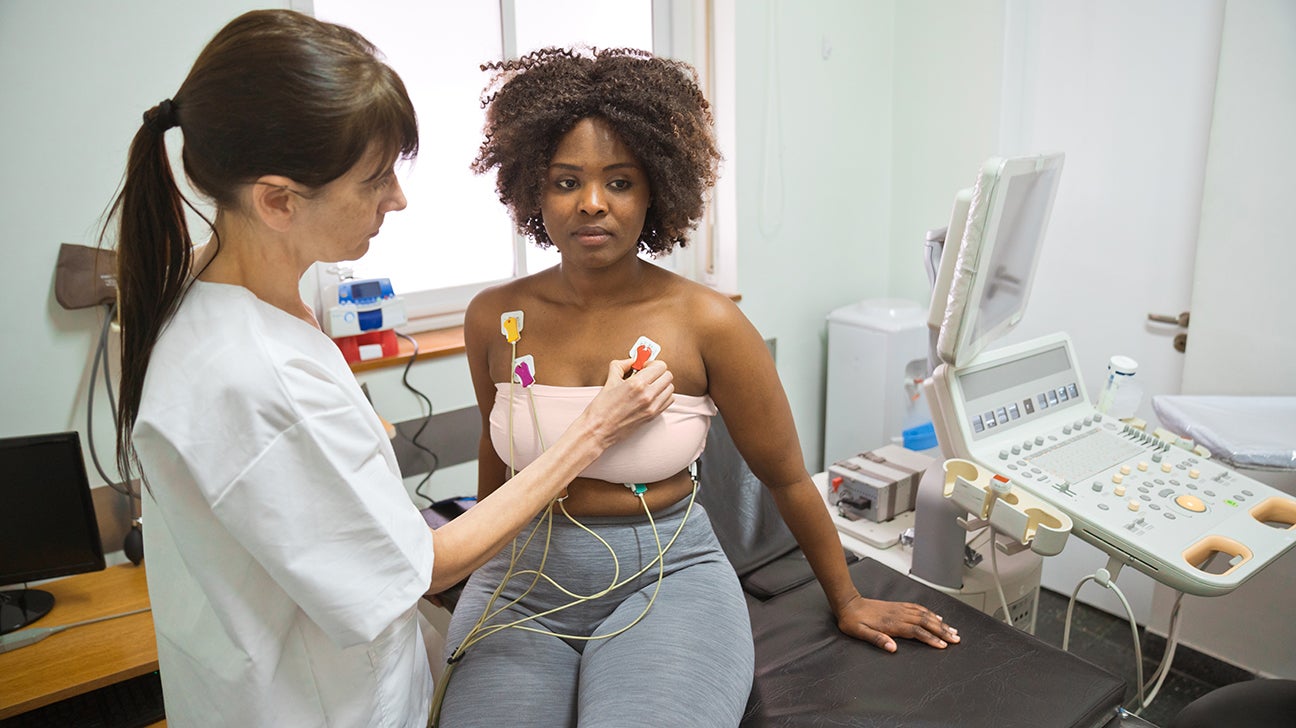
Good preparation is simple when you have clear instructions. Before your appointment:
- Follow the fasting instructions. Some tests allow a light meal, while others require fasting.
- Avoid caffeine for the time period your testing center gives you.
- Do not smoke or use nicotine if your instructions say to avoid it.
- Wear loose clothing and comfortable walking shoes.
- Take medicines only as directed.
- Ask whether you should pause beta blockers or other heart medicines.
- Bring a list of all prescription drugs, supplements, and over-the-counter products.
- Arrive early so your heart rate can settle before the test.
Never stop a prescribed medicine on your own. Beta blockers, calcium channel blockers, and some other medicines can lower your heart rate. Your provider may ask you to hold them before testing, but that decision depends on your health and the purpose of the test.
A practical lesson from patient preparation is that hidden caffeine causes many avoidable problems. People often remember coffee but forget an energy gel, chocolate drink, or headache tablet. Reading labels the night before can save time and prevent a rescheduled test.
What happens during the treadmill stress test?
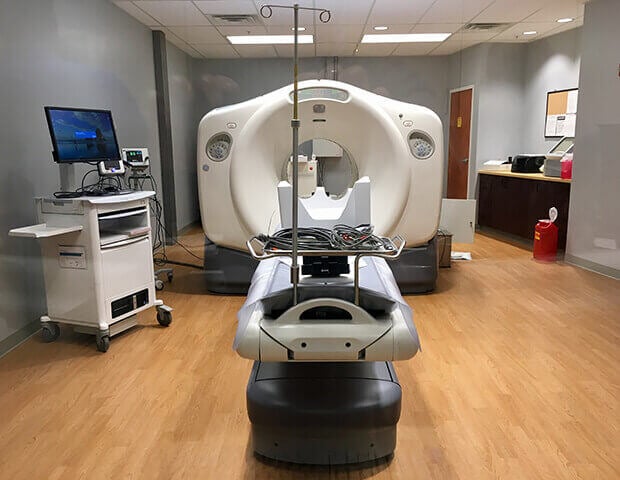
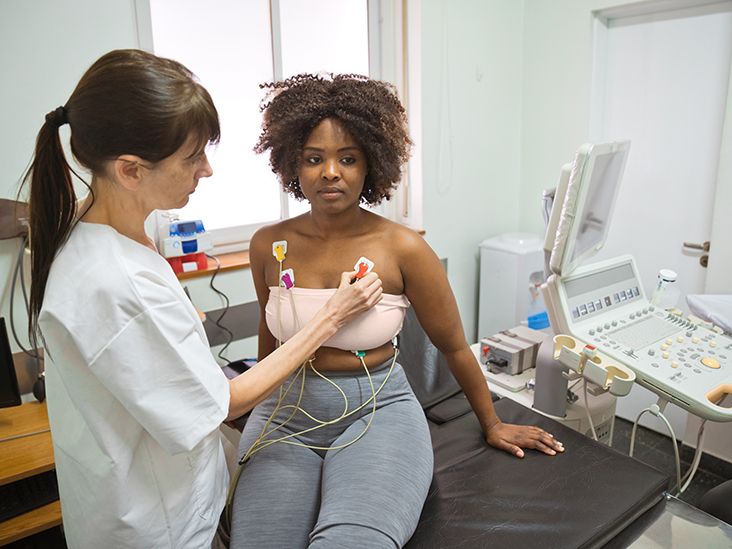
Before exercise begins, a technician places ECG stickers on your chest. The team checks your resting heart rate and blood pressure. They may ask about your symptoms, medicines, medical history, and caffeine intake.
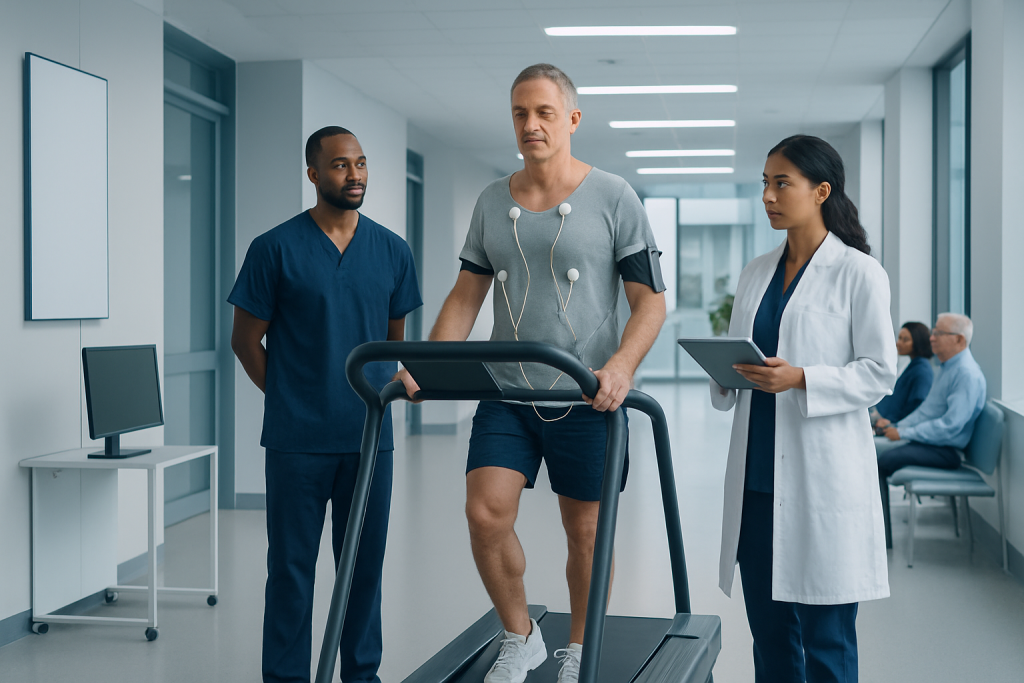
The treadmill starts at a slow pace. It then becomes faster or steeper at set intervals. The goal is not to prove how athletic you are. The goal is to place a safe, measured workload on your heart.
Tell the team right away if you feel:
• Chest pressure or pain
• Severe shortness of breath
• Lightheadedness
• Faintness
• A sudden irregular heartbeat
• Leg pain that prevents safe walking
The team can stop the test at any time. You should not feel embarrassed about speaking up. Reporting symptoms is part of the test, not a failure.
After exercise stops, the team watches your heart rate, ECG, and blood pressure during recovery. Recovery can provide useful information about fitness and heart function.
What if you accidentally drink caffeine?
If you drink coffee or another caffeinated product before the appointment, do not hide it. Tell the technician or cardiology office when you arrive.
The team may decide to continue, adjust the plan, or reschedule the test. The decision depends on the test type, the amount of caffeine, the timing, and your medical history.
For a basic treadmill ECG, the test may still be possible. For a stress test using adenosine, regadenoson, or dipyridamole, the team may be more likely to delay the study.
Do not try to cancel the appointment without asking. A quick phone call can give you the right answer and may prevent an unnecessary trip.

Common mistakes to avoid
Several preparation mistakes can make the experience harder or affect the results.
Drinking an energy drink instead of coffee
Energy drinks may contain more caffeine than a typical cup of coffee. They may also contain stimulants such as guarana or other ingredients that affect heart rate.
Using pre-workout supplements
Pre-workout products often contain caffeine, stimulants, and ingredients that are not obvious from the product name. Avoid them unless your care team clearly says they are safe before the test.
Assuming decaf means zero caffeine
Decaffeinated drinks usually contain some caffeine. Ask the testing center whether decaf is allowed during the restriction period.
Stopping all medicines
This can be unsafe. Only stop or change a medicine when your physician or testing center gives you specific instructions.
Exercising hard before the appointment
A tough workout may leave you tired, dehydrated, or sore. Follow the center’s advice about exercise and drink water if allowed.
Arriving dehydrated
Dehydration can affect blood pressure and make exercise feel harder. Ask whether you may drink water before the test.
Does caffeine permanently change the test result?
Usually, caffeine does not permanently change your heart. Its effects are temporary, but they may matter during a short and carefully measured test.
The concern is not that one cup of coffee causes lasting damage. The concern is that caffeine may change the conditions under which the team is measuring your heart. A small change in heart rate, blood pressure, symptoms, or medication response can affect how the results are read.
Test accuracy also has limits. A treadmill stress test cannot diagnose every heart condition. Some people have symptoms at rest, problems that occur only at other times, or disease that requires imaging or another type of evaluation.
Your clinician interprets the result along with your symptoms, risk factors, physical exam, ECG, and medical history.
Frequently asked questions about why no caffeine before treadmill stress test
Can I drink water before a treadmill stress test?
Water is often allowed and may help prevent dehydration, but follow your testing center’s instructions. Some tests have special fasting rules, so confirm before drinking anything besides water.
Is decaf coffee allowed before a stress test?
Decaf coffee still contains a small amount of caffeine. Many centers prefer that patients avoid it during the restriction period, especially before pharmacologic stress imaging.
How many hours before a stress test should I stop caffeine?
Many instructions say 12 to 24 hours, but the correct time depends on the test. Follow the written instructions from your cardiology office rather than using a general rule.
Can I take my regular medicines before the test?
Some medicines should be taken as usual, while others may need to be paused. Ask your physician or testing center, and never stop a prescription medicine without clear medical advice.
What happens if I forget and drink coffee?
Tell the testing team before the test begins. They may proceed, change the plan, or reschedule you based on the test type and the amount of caffeine consumed.
Why is caffeine more important for a nuclear stress test?
Caffeine can reduce the effect of some medicines used to widen the heart’s blood vessels during nuclear stress testing. This may make the study less reliable or require it to be repeated.
Can caffeine cause a false-positive treadmill stress test?
Caffeine does not automatically create a false-positive result. However, it can change heart rate, blood pressure, symptoms, or medication response, which is why many centers ask patients to avoid it.
Conclusion
Avoiding caffeine before a treadmill stress test helps create a steady starting point for measuring your heart. The rule is most important when your test uses stress medicines that caffeine can block, but it may also support clearer results during exercise testing.
Check whether your appointment is a standard treadmill ECG, exercise echocardiogram, nuclear stress test, or pharmacologic study. Follow the exact instructions, ask about medicines, and report any accidental caffeine use honestly. For more heart-health guidance, review trusted cardiology resources or discuss your preparation plan with your care team before test day.

Brandon Knoxley is a sport & fitness writer and training guide contributor at MySportFitHub. He focuses on practical workouts, performance-based training, and honest fitness gear insights designed for real people and real results. Brandon is passionate about helping beginners and active individuals train smarter, avoid common mistakes, and build sustainable fitness habits.