Do Treadmills Use A Lot Of Electricity: Energy Costs
Most treadmills use moderate electricity, but long workouts, high speed, and steep incline can raise energy use.
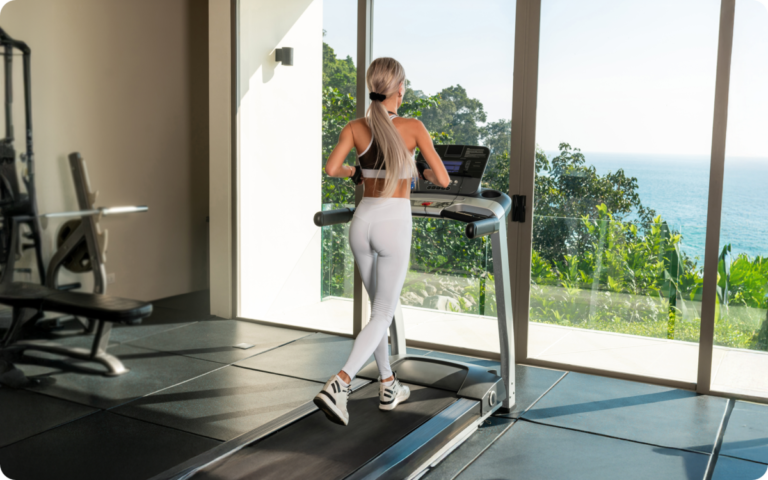
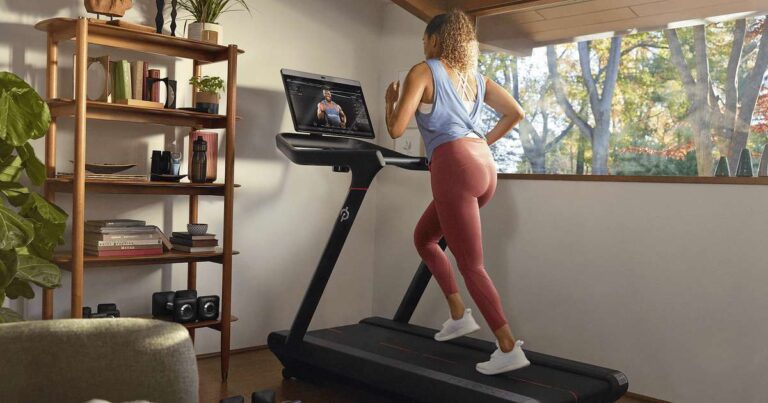
The answer to “do treadmills use a lot of electricity” depends on the treadmill’s motor, your workout settings, and local power rates. A compact walking treadmill may cost only a few dollars per month, while a powerful model used for daily running can consume much more. This guide explains the real energy use, cost, comparison with other home devices, and simple ways to save power.
How Much Electricity Does a Treadmill Use?
Most home treadmills use about 600 to 1,500 watts while running. Larger commercial-style treadmills may draw 2,000 watts or more during hard workouts, especially at high speed or incline.
A treadmill’s electricity use is measured in kilowatt-hours, or kWh. One kilowatt-hour means using 1,000 watts for one hour.
For example:
• A treadmill using 800 watts for one hour uses 0.8 kWh.
• A treadmill using 1,500 watts for one hour uses 1.5 kWh.
• A treadmill using 2,000 watts for one hour uses 2 kWh.
The number printed on the motor does not always show the exact power used from the wall. A motor rated at 2.5 horsepower may not use 2.5 horsepower of electricity at all times. Real power use changes with body weight, belt friction, speed, incline, and motor efficiency.
Do Treadmills Use a Lot of Electricity Compared With Other Appliances?
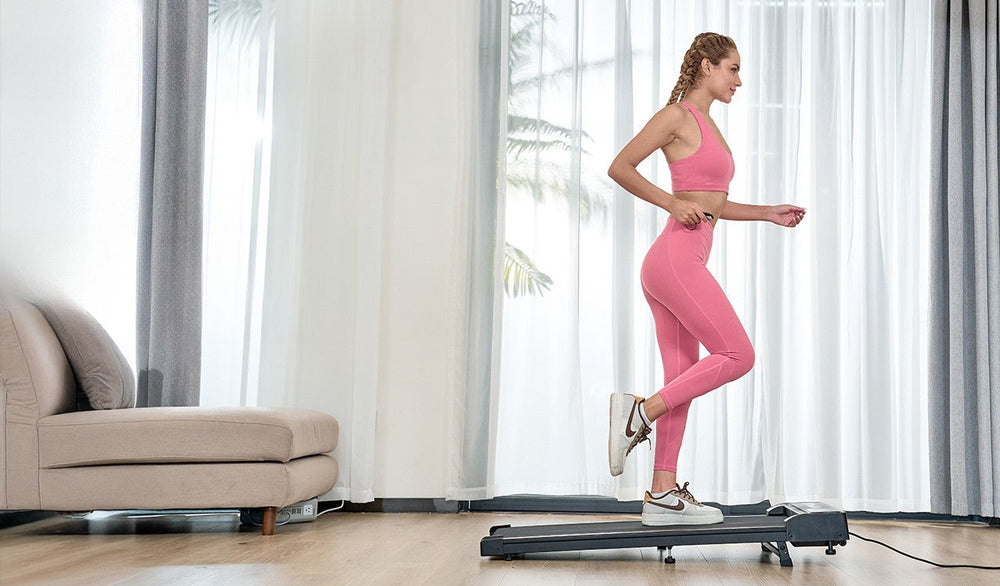
For most households, a treadmill does not use an extreme amount of electricity. It usually uses less energy than a central air conditioner, electric dryer, or space heater.
However, a treadmill can use more energy than small devices such as a television, laptop, fan, or phone charger. The main difference is how long you use it. A television may use 100 watts for several hours, while a treadmill may use 1,000 watts during a workout.
Here is a simple comparison:
| Appliance | Typical power use |
|---|---|
| LED light bulb | 8 to 12 watts |
| Laptop | 40 to 100 watts |
| Television | 60 to 200 watts |
| Refrigerator | About 100 to 800 watts at different times |
| Treadmill | About 600 to 1,500 watts while running |
| Space heater | About 1,500 watts |
| Clothes dryer | About 3,000 to 5,000 watts |
These figures are general ranges. Actual use depends on the model and operating conditions. A treadmill used for 30 minutes a day may have a small effect on your bill, even if its motor briefly draws a high amount of power.

How to Calculate Treadmill Electricity Cost
You can estimate treadmill electricity cost with this formula:
Cost = watts ÷ 1,000 × hours used × electricity rate
Suppose your treadmill uses 1,200 watts. You use it for 45 minutes, five days per week, and your electricity rate is $0.16 per kWh.
The calculation looks like this:
- Convert 1,200 watts to 1.2 kilowatts.
- Convert 45 minutes to 0.75 hours.
- Multiply 1.2 × 0.75 × 5.
- The weekly use is 4.5 kWh.
- Over four weeks, the use is about 18 kWh.
- At $0.16 per kWh, the cost is about $2.88 per month.
This estimate shows why the answer to “do treadmills use a lot of electricity” is often no for normal home use. Even a fairly strong treadmill may add only a few dollars to your monthly bill when used for less than an hour per day.
Your real cost may differ because your treadmill does not draw the same power during every part of a workout. It may use less energy during a slow walk and more during a steep incline run.

What Factors Affect Treadmill Power Consumption?
Several factors affect how much electricity a treadmill uses. The motor rating matters, but it is only one part of the picture.
Motor size
A treadmill with a larger motor can support higher speeds and heavier users. It may also draw more electricity under load.
A small walking pad may have a motor rated around 1.5 to 2.5 horsepower. A full-size running treadmill may use a 2.5 to 4.0 horsepower motor. These ratings do not equal constant electrical use, but they give a rough idea of the machine’s capacity.
Speed
Running usually requires more power than walking. The belt must move faster, and the motor must work harder to maintain that speed.
A slow walk may use much less electricity than a fast run. If you want to lower energy use, reducing speed slightly can help.
Incline
Incline is one of the biggest factors in treadmill power use. Walking uphill requires more effort from you and more torque from the motor.
A flat workout may use moderate electricity. A workout with repeated climbs can raise power consumption because the motor must move both the belt and the user’s body against gravity.
User weight
A heavier user places more load on the motor. This does not mean a heavier person should avoid a treadmill. It simply means the machine may use more energy to maintain the same speed.
Belt condition
A dry or poorly aligned belt creates friction. The motor must work harder, which can increase electricity use and cause extra wear.
Regular lubrication, proper belt alignment, and a clean motor area can help the treadmill run more efficiently.
Workout length
A treadmill used for 20 minutes consumes far less energy than one used for two hours. Long daily workouts can make the machine a noticeable part of your home energy use.

Do Treadmills Use Electricity When Turned Off?
Many treadmills use a small amount of standby power when plugged in, even when the belt is not moving. The display, control board, safety system, and wireless features may remain partly active.
Standby use is usually low. It may be only a few watts, but it continues around the clock. Over a full year, even a small standby load can add some cost.
To reduce standby energy:
• Turn off the treadmill’s main power switch.
• Unplug it when you will not use it for several days.
• Use a properly rated smart plug only if the treadmill manufacturer allows it.
• Do not unplug the machine while the belt is moving.
Unplugging is most useful during travel, vacations, or long periods without exercise. It will not make a large difference if you use the treadmill every day and switch it off normally.

Does Incline Make a Treadmill Use More Electricity?
Yes, incline usually increases electricity use. The motor must lift the belt and user upward, which requires more work than moving on a flat surface.
A short incline interval may not add much to your monthly bill. Yet a long workout at a steep incline can noticeably increase energy use compared with flat walking at the same speed.
Incline also affects your body. It raises the workout demand without requiring a very fast pace. If your goal is fitness rather than the lowest possible power bill, incline can be a useful feature.
A practical approach is to use short incline intervals instead of keeping the treadmill at its highest setting for the entire session. You can gain a strong workout while limiting motor strain and energy use.

How Much Does It Cost to Run a Treadmill for an Hour?
The cost depends on the treadmill’s power draw and your electricity rate. Here are sample estimates using a rate of $0.16 per kWh:
| Average power draw | Cost for one hour |
|---|---|
| 600 watts | About $0.10 |
| 800 watts | About $0.13 |
| 1,000 watts | About $0.16 |
| 1,500 watts | About $0.24 |
| 2,000 watts | About $0.32 |
These numbers represent energy used while the treadmill is operating. They do not include possible taxes, delivery charges, or tiered utility rates.
For someone who runs for one hour every day on a treadmill using 1,500 watts, the estimated monthly energy use is about 45 kWh. At $0.16 per kWh, that would cost around $7.20 per month.
This is why do treadmills use a lot of electricity is usually a question of frequency. One long workout each week has little impact, while daily high-intensity training has a larger effect.
How to Measure Your Treadmill’s Actual Electricity Use
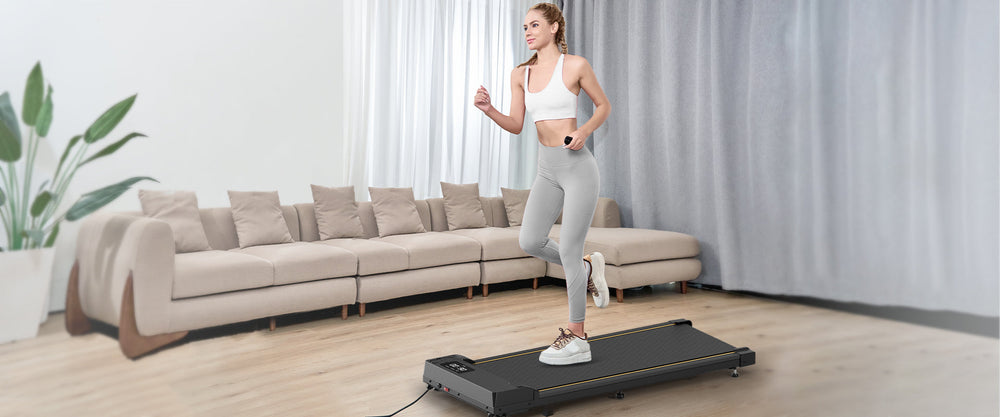
The most accurate way to learn how much electricity your treadmill uses is to measure it at the wall. A plug-in energy monitor can show watts, volts, amps, kWh, and estimated cost.
Use this process:
- Plug the energy monitor into the wall outlet.
- Plug the treadmill into the energy monitor.
- Record standby use while the treadmill is off.
- Walk for 10 minutes at an easy pace.
- Record the power reading.
- Repeat at your normal workout speed and incline.
- Multiply the measured kWh by your electricity rate.
Measure more than one workout if possible. A single reading may not represent your normal use.
In practical checks, the biggest mistake is relying only on the horsepower label. A treadmill may show a high peak rating but draw much less power during an easy walk. Measuring the machine during your own routine gives a more useful answer.
Only use a monitor that is rated for the treadmill’s voltage and current. Never open the treadmill motor housing to measure electricity unless you are a trained technician.

Are Treadmills Energy Efficient?
Treadmill efficiency varies by design, age, and maintenance. A newer machine with a modern motor and smooth belt system may use less electricity for the same workout than an old machine with high friction.
Good maintenance can improve efficiency:
• Keep the belt clean.
• Lubricate it according to the owner’s manual.
• Check that the belt is centered.
• Avoid placing the treadmill on an uneven floor.
• Keep dust away from vents and the motor area.
• Replace a worn belt when needed.
Do not over-lubricate the belt. Too much lubricant can cause slipping and may create another problem for the motor.
A treadmill should also be placed on a solid, level surface. A soft or uneven floor can increase vibration and resistance. Follow the manufacturer’s maintenance schedule for the safest and most efficient operation.

Can a Treadmill Increase Your Electric Bill?
A treadmill can increase your electric bill, but the increase is often modest. The impact depends on workout time, power draw, and the price of electricity in your area.
Consider these examples:
• A 700-watt treadmill used for 30 minutes, four days per week may use about 6 kWh per month.
• A 1,200-watt treadmill used for 45 minutes, five days per week may use about 18 kWh per month.
• A 1,800-watt treadmill used for one hour every day may use about 54 kWh per month.
At $0.16 per kWh, those examples cost about $0.96, $2.88, and $8.64 per month. Your local rate may be higher or lower.
If your utility uses time-based pricing, exercising during cheaper off-peak hours may lower the cost. Check your power bill or utility website before changing your schedule.
Ways to Reduce Treadmill Electricity Use
You do not need to stop using your treadmill to save energy. Small changes can reduce power use while keeping your workouts effective.
• Walk at a steady speed instead of using unnecessary high speeds.
• Use moderate incline intervals rather than maximum incline for the full workout.
• Maintain the belt to reduce friction.
• Turn off the power switch after every session.
• Unplug the machine during long periods of nonuse.
• Avoid leaving the console and entertainment system running after your workout.
• Choose a treadmill with an efficient motor if you are buying a new one.
• Use a fitness plan that mixes treadmill sessions with outdoor walks or strength training.
Maintenance is often the easiest win. A clean, centered, well-lubricated belt feels smoother and can reduce stress on the motor.
Do not use an extension cord unless the manufacturer specifically permits it. Many treadmills should connect directly to a grounded wall outlet. An unsuitable extension cord can create a safety risk, regardless of electricity cost.
Treadmill Electricity Use and Home Circuit Safety
Electricity use is not the only issue. Treadmills contain moving parts and powerful motors, so safe setup matters.
Check the owner’s manual for:
• Required outlet voltage.
• Recommended circuit rating.
• Grounding instructions.
• Surge protection guidance.
• Minimum clearance around the machine.
Avoid plugging a treadmill into a power strip shared with a space heater, microwave, or other high-load device. If the circuit breaker trips, stop using the treadmill until the cause is clear.
A qualified electrician should inspect the outlet if you notice heat, buzzing, burning smells, sparks, or repeated breaker trips. Never bypass a circuit breaker or use an ungrounded outlet.
Frequently Asked Questions About Do Treadmills Use a Lot of Electricity
Do treadmills use a lot of electricity during a 30-minute workout?
Usually, no. A typical treadmill may use about 0.3 to 0.75 kWh during 30 minutes, depending on speed, incline, and motor load.
Is it cheaper to walk outside than use a treadmill?
Walking outside does not directly use household electricity, so it is cheaper from an energy-use perspective. A treadmill may still be valuable when weather, safety, mobility, or time makes outdoor exercise difficult.
Does running use more electricity than walking on a treadmill?
Yes, running generally requires more power because the belt moves faster and the motor handles a greater load. Steep incline can also raise electricity use during walking.
Should I unplug my treadmill after every use?
Unplugging can eliminate standby power, but switching off the main power is often enough for daily use. Unplug the machine during long periods of nonuse and follow the manufacturer’s instructions.
How can I find my treadmill’s exact energy use?
Use a properly rated plug-in energy monitor at the wall outlet. Test the treadmill during your normal speed and incline because the motor’s label does not show its exact power use in every situation.
Does a treadmill use more electricity than a stationary bike?
Often, yes, but not always. Treadmills move a heavy belt and may use more power, while a stationary bike’s electricity use is usually limited to its display and resistance system.
Can a treadmill run on a normal household outlet?
Many home treadmills are designed for a standard grounded outlet, but requirements vary by model. Check the manual and avoid sharing the outlet with another high-power appliance.
Conclusion
So, do treadmills use a lot of electricity? Most home treadmills use a moderate amount, and normal workouts often add only a few dollars to the monthly power bill. High speed, steep incline, long sessions, poor belt maintenance, and standby power can increase that cost.
Check your treadmill’s real wattage with an energy monitor, maintain the belt, and turn off the machine after use. These simple steps help control energy costs without giving up the convenience of home exercise. If this guide helped, compare your treadmill’s measured use with your utility rate and share your results with other fitness readers.

Brandon Knoxley is a sport & fitness writer and training guide contributor at MySportFitHub. He focuses on practical workouts, performance-based training, and honest fitness gear insights designed for real people and real results. Brandon is passionate about helping beginners and active individuals train smarter, avoid common mistakes, and build sustainable fitness habits.