
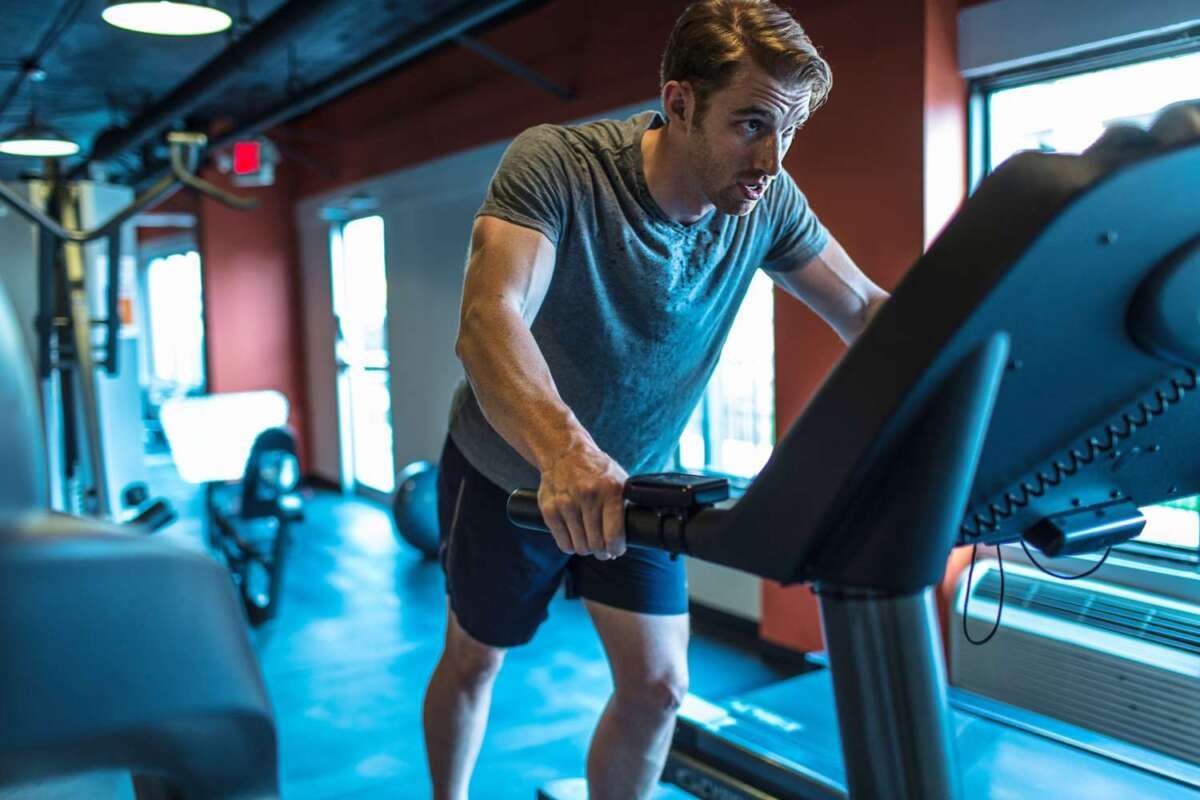
Does Holding Onto The Treadmill Burn Less Calories: Facts
Yes — holding the treadmill handrail usually lowers effort and burns fewer calories.
I’ve coached runners and tested treadmills for years, so I know the lure of a steady handhold. This article breaks down why does holding onto the treadmill burn less calories, how big the drop can be, who should hold on anyway, and safe ways to keep effort high. Read on for clear numbers, simple tips, and real-world advice you can use on your next workout.

How holding onto the treadmill affects calorie burn
Holding a treadmill handrail changes your body mechanics. You shift load off your legs and core. Your heart rate drops and energy use falls. That explains why does holding onto the treadmill burn less calories most of the time.
When you grip the rails, you reduce the vertical and horizontal work your legs must do. You also shorten your stride and limit arm swing. Less muscle use means fewer calories burned for the same speed. This is true whether you walk or run.
The physiology: why effort and energy drop
Muscles need force to move the body and stabilize the trunk. A handhold provides external support. That support lowers the demand on stabilizing muscles and reduces oxygen consumption. Lower oxygen use equals lower calorie burn.
Heart rate is a key proxy for effort. Studies and field tests show heart rate falls when people hold rails. Even a small drop in heart rate cuts total calorie burn. So the simple answer to does holding onto the treadmill burn less calories is tied to less physiological stress.

How much fewer calories — real numbers and examples
Percent drops vary by situation. Typical reductions range from 5 percent to 20 percent, depending on grip strength, how tight you hold, and workout intensity. Light gripping at a fast pace might shave 5 percent, while a steady two-handed hold at a brisk walk can lower energy use by 15–20 percent.
Example calculation
- Walk at 3.5 mph burns about 240 kcal/hour for one person.
- If holding the rail lowers burn by 15 percent, that same session burns about 204 kcal/hour.
- The difference is 36 kcal for an hour, or roughly a small snack over time.
These rough numbers show why does holding onto the treadmill burn less calories matters more on long sessions or when you count every calorie. Short 20-minute workouts show smaller absolute differences.

When holding on is the right choice
Sometimes safety and technique beat pure calorie math. Consider holding the treadmill if:
- You are new to running or rehab from injury and need balance support.
- You have vestibular issues or fear falling.
- You’re doing walking intervals and need to steady yourself briefly.
For older adults or people with joint pain, holding a rail may enable a longer workout than otherwise possible. In those cases, the benefit of time on feet can offset a modest calorie drop. That nuance helps answer why does holding onto the treadmill burn less calories without dismissing safety needs.

Practical tips to maximize burn without losing safety
You can keep calorie burn higher while staying safe. Try these tips:
- Use the rails only to step on and off, or for a light touch when needed.
- Keep posture upright and let arms swing naturally.
- Increase incline instead of speed to boost effort without risking form.
- Use single-finger contact as a balance cue rather than a firm grip.
- Monitor heart rate to match effort to your goals.
These tweaks help reduce the gap created by holding a rail. They show that the question does holding onto the treadmill burn less calories can be addressed with simple technique changes.

My experience: lessons from coaching and testing
As a coach, I’ve seen beginners clamp the rails out of fear. Their pace looks fine, but their heart rate and breathing tell a different story. I shifted clients to light-touch balance cues and added brief no-rail intervals. Most improved calorie burn and confidence in weeks.
Mistakes to avoid
- Clinging to the rails for the whole workout.
- Using rails to compensate for too-fast speeds.
- Ignoring posture while holding on.
These mistakes cost effort and slow progress. My practical rule: if you can hold a conversation but your heart rate is low, loosen your grip and check posture.

Limitations and uncertainties
There’s no single number that fits everyone. Factors include body weight, fitness, treadmill model, and grip style. Research methods also vary, so percent decreases differ across studies. Be wary of exact claims without context.
Also, calorie estimates from machines are rough. Use heart rate and perceived exertion to guide effort. Accept that does holding onto the treadmill burn less calories is a general truth, but the exact loss depends on you.
Frequently Asked Questions of does holding onto the treadmill burn less calories
Does holding onto the treadmill really make a big difference?
Holding the treadmill usually reduces calorie burn, but the size of the drop varies. For most people it is moderate, often between 5 and 20 percent depending on grip and intensity.
Is it okay to hold on while rehabbing an injury?
Yes. Safety and gradual progress matter more than maximizing calorie burn during rehab. Hold on when needed and work with a professional to regain balance and strength.
Can incline make up for holding the rails?
Adding incline increases muscle demand and can offset some calorie loss from holding rails. Use small inclines and monitor form to stay safe.
Will one-handed light touch still lower calories?
A light touch lowers calories less than a firm two-handed grip. Using a fingertip for balance is a good compromise to keep effort higher.
How do I know if my treadmill calories are accurate?
Treadmill calorie readouts are estimates and often off. Use heart rate, perceived exertion, and consistency over time to track progress instead.
Conclusion
Holding onto the treadmill does lower calorie burn, but the size of that drop depends on how you hold, your speed, and your goals. Safety matters first. If you must hold on, use light contact, correct posture, and consider incline or interval design to keep workouts effective. Try a simple test: run three minutes hands-free and three minutes holding lightly, and watch heart rate differences to see the impact for yourself. Share your results, subscribe for more tips, or leave a comment with your treadmill experiences.

Brandon Knoxley is a sport & fitness writer and training guide contributor at MySportFitHub. He focuses on practical workouts, performance-based training, and honest fitness gear insights designed for real people and real results. Brandon is passionate about helping beginners and active individuals train smarter, avoid common mistakes, and build sustainable fitness habits.


