How Long Does A Treadmill Stress Test Take: Typical Timing
Most treadmill stress tests take about 30 to 60 minutes from check-in to recovery.
I’ve overseen dozens of treadmill stress tests and helped patients prepare for them. This article explains how long does a treadmill stress test take, step by step. You’ll learn what happens before, during, and after the test, what can change the timing, real-world tips I’ve learned, and clear answers to common questions. Read on to feel confident and prepared.

What is a treadmill stress test?
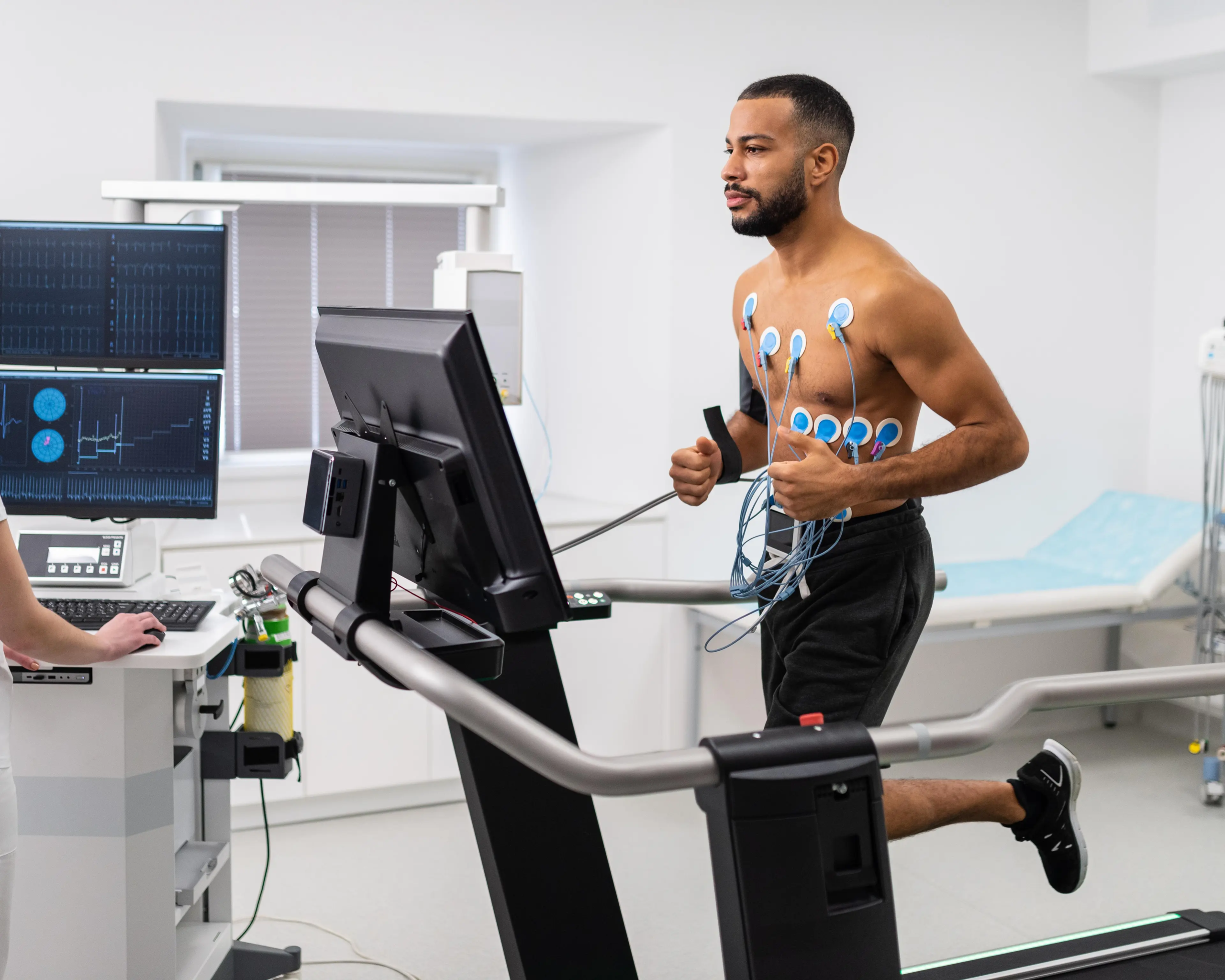
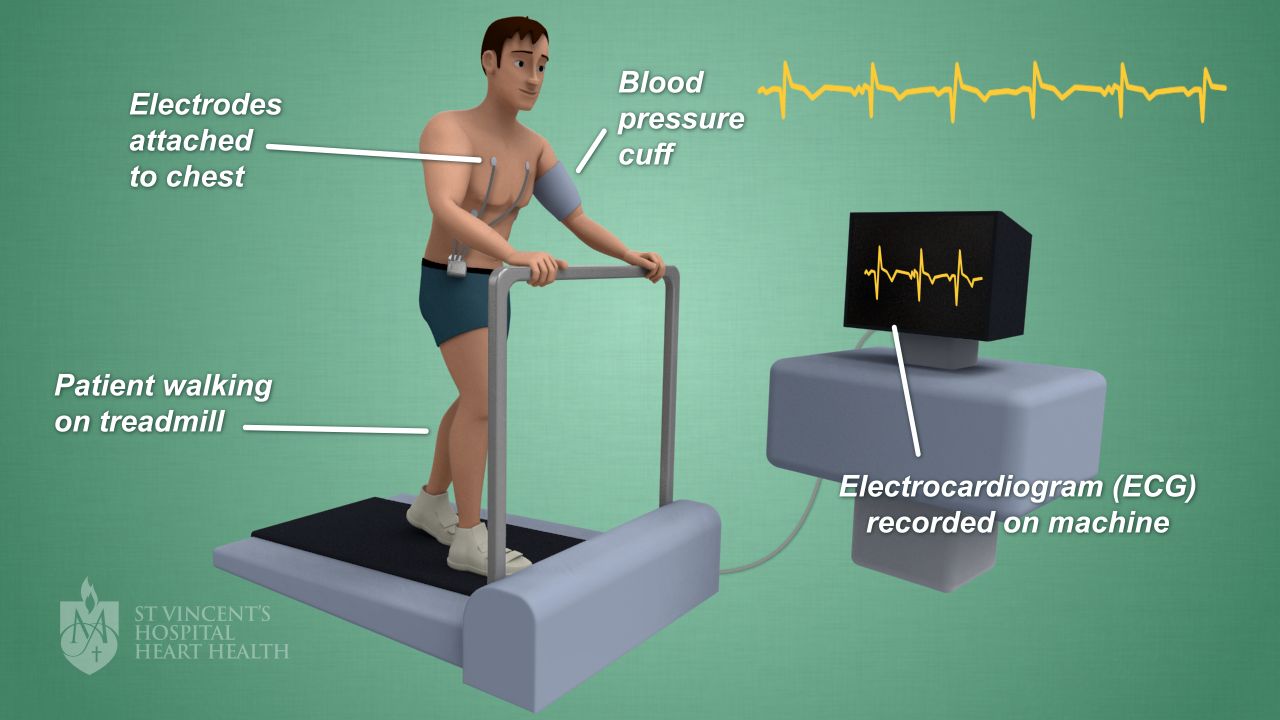
A treadmill stress test measures how your heart works under exercise. A technician places ECG leads on your chest. You walk on a treadmill while the speed and incline rise in stages. The test shows heart rate, rhythm, blood pressure, and how well blood flows during activity.
A treadmill stress test helps doctors find blocked arteries, evaluate exercise capacity, and decide on treatments. It can be a routine check or part of a larger cardiac workup. The whole visit includes prep, the exercise phase, and a short recovery and review.

Typical duration: step-by-step timing
Start and check-in
- You arrive and fill out paperwork. This usually takes 10 to 15 minutes.
Preparation and baseline measures
- A nurse or tech puts on ECG leads, measures resting blood pressure, and asks about meds. This takes 5 to 15 minutes.
Exercise phase
- The treadmill protocol typically lasts 8 to 12 minutes. Most clinics use a standard protocol that increases difficulty every 2 or 3 minutes.
Recovery and monitoring
- After exercise, you rest while staff watches ECG and blood pressure for 5 to 15 minutes. If symptoms appear, monitoring lasts longer.
Physician review and discharge
- A doctor reviews the results and talks with you. This final step can add 10 to 15 minutes.
Total time range
- Most patients spend 30 to 60 minutes at the clinic. Complex cases or additional imaging can stretch this to 90 minutes or more.

Factors that affect how long does a treadmill stress test take
Age and fitness
- Fitter people may reach target heart rate faster. Older or frail patients may need slower progression and longer monitoring.
Protocol chosen
- Different treadmill protocols change duration. Some use a quicker ramp. Others are gradual for safety.
Pre-test preparation
- If you need special prep like withholding meds, staff may spend extra time reviewing instructions.
Symptoms and complications
- Chest pain, dizziness, or abnormal ECG changes require more monitoring and perhaps stopping the test early. That increases total time.
Follow-up testing
- If results are unclear, providers sometimes add imaging (like a nuclear scan or echocardiogram). This adds 30 minutes to several hours.
Clinic workflow
- Busy clinics may have wait time before the test. Private or scheduled appointments usually move faster.

What to expect during the treadmill stress test
Before you start
- Staff explain the test and get consent. They place adhesive ECG leads on your chest. Blood pressure is taken.
During the exercise
- You walk on a treadmill. The speed and incline rise in set stages. You tell staff how you feel the whole time. The goal is to reach a target heart rate or to stop for symptoms or abnormal readings.
After the workout
– You sit or lie down for recovery. ECG and blood pressure are monitored until they return to safe levels. Staff may ask how you felt and take notes.
Signs the test will end early
- Severe chest pain, high or low blood pressure, dizziness, or concerning ECG changes. Staff will stop the test immediately and treat you.
- How long do the exercise stages last? Each stage is usually 2 to 3 minutes.
- Do I need to reach a certain heart rate? Providers set a target heart rate based on your age and goals.
- Can the test be stopped early? Yes, if you have symptoms or abnormal signals.
Preparing for your treadmill stress test: practical tips
Clothing and shoes
- Wear comfortable clothes and walking shoes. Avoid dresses, sandals, or stiff clothing.
Medication and food
- Follow instructions about medications. Some meds change results. Skip heavy meals and caffeine before the test if told to.
Bring medical info
- Bring a list of meds, allergies, and past heart history. Also bring ID and insurance details.
Plan for after the test
- Arrange light activity for the rest of the day. Don’t plan strenuous activity right after.
Communicate clearly
- Tell staff if you feel unwell, dizzy, or short of breath. Honest feedback helps keep the test safe.

Risks, limits, and what results mean
Safety profile
- The test is generally safe. Serious complications are rare but can include arrhythmia or chest pain. Monitoring and trained staff minimize risk.
Limitations
- A treadmill stress test can miss blockages if you have a low exercise capacity or certain medications. It’s one piece of a broader evaluation.
Interpreting results
- Normal: no concerning ECG changes and good exercise tolerance.
- Abnormal: ECG changes, limited exercise, or symptoms may lead to further imaging or invasive testing.
Follow-up steps
- Abnormal or borderline results often prompt imaging tests or specialist referral. A normal result may mean reassurance and lifestyle advice.

Personal experience and tips from the clinic
I’ve guided many people through this test. Most are nervous at first. After one minute, they relax. Clear directions cut that anxiety.
A few practical lessons I learned
- Don’t skip your medications without clear instruction. Doing so can give a false negative.
- Hydrate lightly unless told otherwise. Dehydration affects blood pressure and performance.
- Tell staff about beta blockers or other meds that limit heart rate. They change how long does a treadmill stress test take to reach targets.
A quick anecdote
- I once had a patient who reached the target heart rate in 6 minutes. The test ended quickly, but we monitored them longer because they felt dizzy. The extra monitoring caught a low blood pressure episode we would have missed otherwise.

Frequently Asked Questions of how long does a treadmill stress test take
How long does the exercise portion of a treadmill stress test usually last?
The actual treadmill exercise usually lasts 8 to 12 minutes, depending on the protocol and the patient’s fitness.
How much total time should I plan for at the clinic?
Plan for 30 to 60 minutes total. If extra imaging is needed, expect additional time.
Can my medications change how long does a treadmill stress test take?
Yes. Medications like beta blockers can prevent you from reaching target heart rate and may require longer testing or modified interpretation.
What happens if I need to stop the test early?
Staff will monitor you, treat symptoms, and continue observation until you are stable. The total visit will be longer.
Will my results be reviewed immediately?
A physician usually reviews the tracing right away and will discuss preliminary results before you leave. Further tests may be scheduled later.
Conclusion
You can expect a treadmill stress test to take about 30 to 60 minutes in most cases. The timeline breaks down into check-in, prep, an 8–12 minute exercise phase, recovery, and a quick review. Factors like medications, symptoms, added imaging, and clinic workflow can make the visit longer. My advice: follow prep instructions, wear good shoes, and speak up during the test. That keeps you safe and helps your care team get clear results. If you found this helpful, try preparing with the tips above, talk to your provider about any concerns, and leave a comment with your questions or experience.

Brandon Knoxley is a sport & fitness writer and training guide contributor at MySportFitHub. He focuses on practical workouts, performance-based training, and honest fitness gear insights designed for real people and real results. Brandon is passionate about helping beginners and active individuals train smarter, avoid common mistakes, and build sustainable fitness habits.