Does Oura Ring Track Steps On Treadmill: Key Facts
Yes, the Oura Ring can track treadmill steps, but accuracy depends on movement, pace, and how you hold your hands.
If you are wondering, “does oura ring track steps on treadmill,” the answer is usually yes. The ring uses motion sensors to detect repeated hand and body movement, then estimates steps and activity. However, treadmill walking is not as simple to measure as outdoor walking, so your results may differ from the treadmill display. This guide explains how Oura counts steps, why numbers can vary, and how to improve tracking accuracy.
Does Oura Ring track steps on treadmill?
Yes, Oura Ring can track steps on a treadmill. Its built-in accelerometer detects motion patterns linked to walking and running. When your arm moves naturally while you exercise, the ring can usually recognize the activity and add those steps to your daily total.
The ring does not read the treadmill’s belt directly. It estimates steps from your movement. This means the ring may record fewer steps if you hold the treadmill rails, grip your phone, or keep your hands still.
The answer to “does oura ring track steps on treadmill” also depends on your workout style. A normal walk with a relaxed arm swing is easier for Oura to detect than a steep incline walk while you lean forward and hold the front bar.

How Oura counts treadmill steps
Oura Ring uses motion sensors to study movement in your finger and hand. These sensors detect repeated patterns, such as the movement created when your arm swings during a walk or run.
The ring then uses software to estimate your step count. This process is similar to how many fitness trackers measure steps, but every device uses its own algorithms. As a result, your Oura step total may not match the treadmill, smartwatch, or phone.
Oura also looks at other signals, such as:
• Movement speed
• Repeated motion patterns
• Workout duration
• Changes in activity intensity
• General daily movement
This is why Oura may count steps during a treadmill workout even if you do not manually start an exercise session. Automatic activity detection can identify many walks and runs after they occur.
Still, step tracking is an estimate, not a direct measurement. The treadmill calculates distance from belt movement, while Oura looks at your body motion. Think of the two devices as measuring the same trip with different maps.
Why treadmill step counts may differ
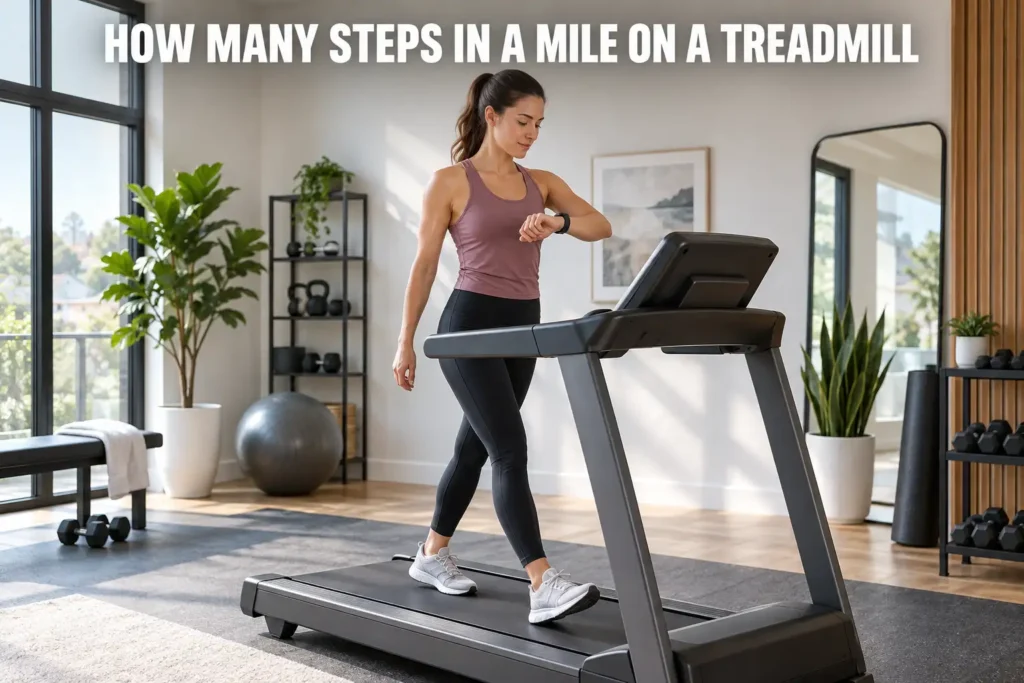
Many users ask, “does oura ring track steps on treadmill accurately?” The honest answer is that it can be useful, but it may not be exact.
A treadmill gives a controlled belt speed. Your body, however, may not move in a perfectly steady way. You may shorten your stride, change your pace, hold the rails, or pause to adjust the settings. These small changes affect the ring’s estimate.
Common reasons for different step counts include:
• Holding the treadmill handles, which limits arm movement
• Walking slowly with little hand motion
• Using an incline and leaning forward
• Carrying a phone, water bottle, or weights
• Moving your arms in an unusual pattern
• Starting and stopping several times
• Wearing the ring loosely or on an unusual finger
• Comparing different time periods or workout sessions
A treadmill may also display a predicted step count instead of a direct count. Its estimate often comes from belt speed, workout time, and a preset stride length. Oura uses movement from your body, so neither number is guaranteed to be perfect.

Does Oura count treadmill walking and running differently?
Oura can track both treadmill walking and treadmill running. Running often creates stronger and more regular movement, so the ring may identify it more easily. Walking can still be tracked well, especially when you allow your arms to swing naturally.
The answer to “does oura ring track steps on treadmill” may change when you switch from walking to running. A slow incline walk with both hands on the rails may produce fewer recorded steps than a hands-free jog at the same time length.
For the best result:
-
Keep your hands free when safe.
-
Let your arms move in a natural rhythm.
-
Wear the ring snugly, but not tightly.
-
Keep your pace steady.
-
Avoid stopping often during the workout.
-
Check the Oura app after the session has synced.
If you need to hold the rails for balance, safety comes first. A lower step count is better than risking a fall. Fitness data should support safe exercise, not encourage unsafe behavior.
How accurate is Oura Ring on a treadmill?
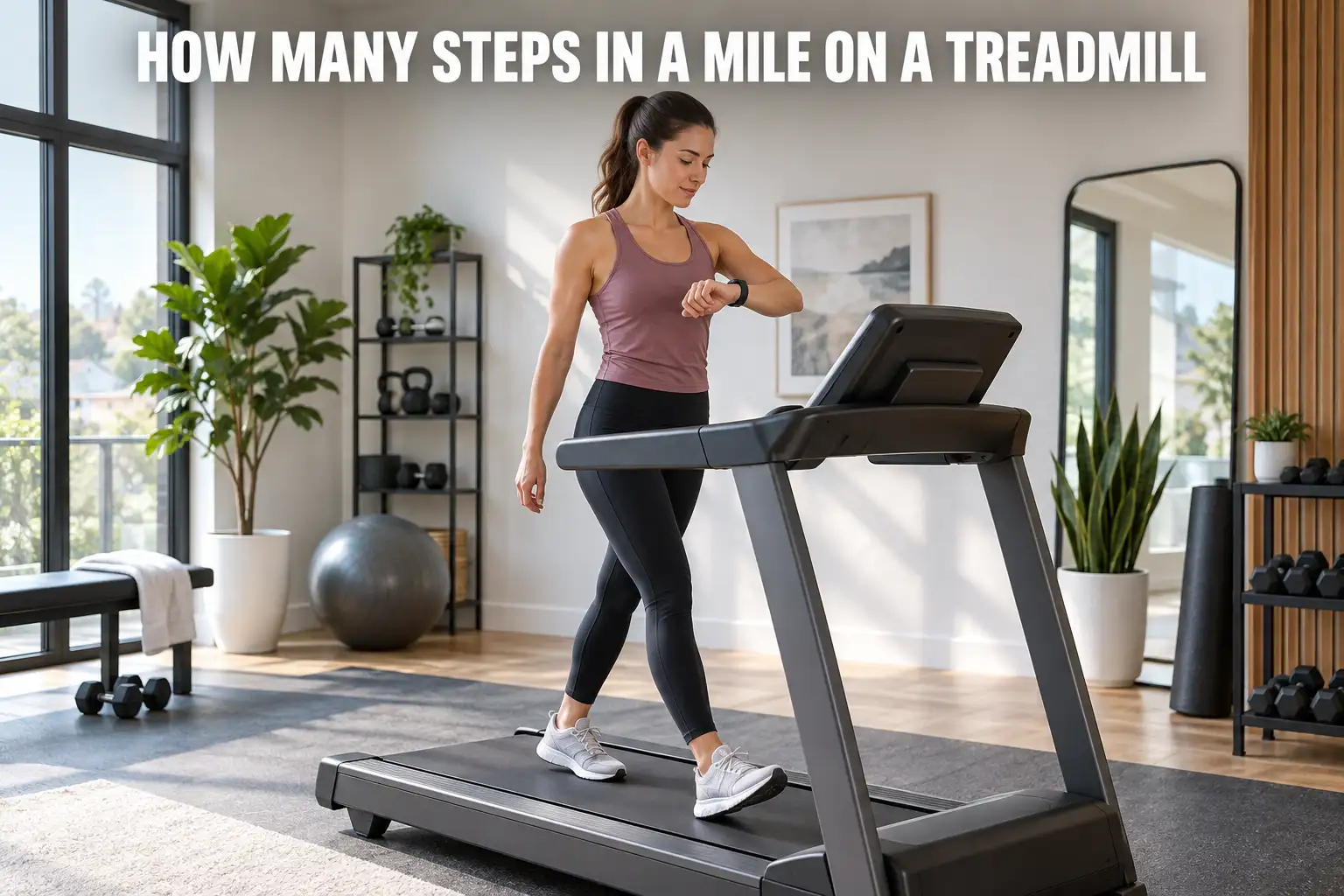
Oura Ring can provide a helpful estimate of treadmill steps, but accuracy varies from person to person. Research on consumer activity trackers shows that step accuracy can change based on walking speed, body position, device placement, and movement style.
In practical use, Oura often performs best during steady walking or running with normal arm movement. It may be less reliable during slow walking, incline training, strength workouts, or sessions that involve holding equipment.
A small difference is normal. For example, the treadmill might show 3,000 steps while Oura records 2,700 or 3,200. That gap does not automatically mean the ring is broken. It means the devices are using different methods.
Look for trends instead of treating one workout as a laboratory test. If Oura records similar numbers across several treadmill sessions, it can still help you monitor your habits, even if the total is not identical to the treadmill display.

How to improve Oura treadmill step tracking
If you want Oura to record treadmill steps more consistently, focus on how you move and how you wear the ring. The goal is to give the sensors a clear and steady movement pattern.
Try these practical tips:
• Wear the ring on the finger recommended by the manufacturer.
• Make sure it fits securely and does not spin during exercise.
• Keep your hand relaxed instead of clenching your fist.
• Avoid gripping the treadmill bar unless you need support.
• Use a steady pace for most of the workout.
• Allow the Oura app time to sync after exercising.
• Keep the ring and app updated.
• Compare weekly trends rather than one daily number.
A useful real-world check is to complete three treadmill sessions at the same speed and duration. Keep your hand position similar each time. If the results are close, you have a better personal baseline for understanding your Oura data.
One common mistake is expecting the ring to match every device exactly. A better approach is to choose one tracker as your main reference. Use Oura for long-term activity patterns, recovery, sleep, and readiness, rather than treating every step as an exact laboratory measurement.

How to record a treadmill workout in the Oura app
You can let Oura detect the treadmill workout automatically, or you may record the activity manually, depending on your ring model and app settings.
For a typical session:
-
Open the Oura app after your workout.
-
Check whether Oura detected walking or running.
-
Review the activity duration and intensity.
-
Edit the workout type if the app labeled it incorrectly.
-
Add a note if the workout included incline walking or frequent breaks.
Manual workout entry can improve your activity record, but it does not force the ring to create a perfect step count. The step estimate still depends on the movement data collected during the session.
If your workout does not appear right away, give the app a few minutes to sync. Keep Bluetooth enabled and make sure the ring has enough battery. A missing workout may be a syncing issue, not a failure to detect treadmill steps.

Oura Ring versus treadmill step count
The treadmill and Oura Ring answer slightly different questions.
The treadmill asks, “How much did the belt move?” Oura asks, “What movement did the wearer make?” Both measurements can be useful, but they are not identical.
Use the treadmill for:
• Belt speed
• Workout time
• Estimated distance
• Incline settings
Use Oura for:
• Daily movement trends
• Activity balance
• Recovery data
• Sleep and readiness insights
• Comparing activity across different days
If you walk on the treadmill while holding the rails, the treadmill may show a normal distance while Oura records fewer steps. If you walk freely but change your stride, Oura may record a different number from the treadmill’s estimate.
The best choice depends on your goal. If you are training for a specific distance, use a calibrated treadmill or another dedicated training tool. If you want to understand your overall activity and recovery, Oura offers a broader picture.

Does treadmill walking count toward Oura activity goals?
Yes, treadmill walking can contribute to your Oura activity data. The ring may use the session to estimate activity duration, movement, and intensity. It can also include detected steps in your daily total.
However, the exact effect depends on your pace, workout length, and how the ring detects the session. A gentle walk may contribute less activity than a brisk walk or run, even if both last 30 minutes.
Oura’s value is not limited to step count. The platform is designed to connect activity with recovery and sleep. A hard treadmill workout may raise your activity score but also increase your need for rest. Looking at both sides can help you avoid doing too much too soon.

What to do if Oura does not record treadmill steps
If Oura records very few or no steps, first check your hand movement. Holding the rails is one of the most common reasons treadmill steps are missed.
Next, check these points:
• Confirm that the ring is snug and clean.
• Make sure the Oura app is synced.
• Charge the ring if the battery is low.
• Update the Oura app and ring firmware.
• Walk for several minutes at a steady pace.
• Avoid placing heavy objects in the same hand.
• Check whether the activity appears later in the app.
If the issue continues during normal walking, test the ring outdoors. Walk for 10 to 15 minutes with a natural arm swing and compare the result with another tracker. If Oura also misses outdoor steps, contact Oura support and provide your ring model, app version, and workout details.
Do not judge the ring from one unusual treadmill workout. A single missed session can happen because of hand position, syncing, or a short workout.
Is Oura Ring good for treadmill workouts?
Oura Ring is useful for treadmill workouts when you want a simple view of movement, activity, recovery, and sleep. It is especially helpful for people who care about how exercise affects their readiness and rest.
It may not be the best choice if your main goal is highly precise live workout data. A sports watch or treadmill console may offer better real-time pace, distance, and heart rate information during training.
For many people, the strongest setup is to use tools together:
• Use the treadmill for speed, incline, and belt distance.
• Use Oura for daily activity and recovery trends.
• Use a chest strap or validated sports watch when precise heart rate data matters.
• Use the Oura app to review how training affects sleep and readiness.
This approach avoids forcing one device to do every job. It also makes the answer to “does oura ring track steps on treadmill” more practical: yes, it can track them, but it works best as part of a larger fitness picture.
Frequently Asked Questions
Does Oura Ring count steps while walking on a treadmill?
Yes, Oura Ring can count treadmill steps when it detects natural walking movement. The total may be lower if you hold the treadmill rails or keep your hands still.
Does Oura Ring track steps while running on a treadmill?
Yes, Oura can detect treadmill running and may add those steps to your daily total. Consistent running with a natural arm swing usually gives the ring clearer motion signals.
Why does my Oura step count differ from my treadmill?
The treadmill estimates movement from belt speed and time, while Oura estimates steps from body motion. Differences are normal because the devices use different sensors and algorithms.
Does holding treadmill handles affect Oura step tracking?
Yes, holding the handles can reduce the arm movement that Oura uses to identify steps. If you need the handles for balance, keep using them safely and accept that the ring may undercount.
Can I manually add treadmill steps to Oura?
You may be able to add or edit the workout in the Oura app, but manual activity entry does not create an exact step count. The ring still relies on recorded movement for its step estimate.
Is Oura more accurate than a treadmill for counting steps?
Neither device is always more accurate. Oura measures your movement, while the treadmill measures belt movement, so the better choice depends on your stride, hand position, and workout goal.
Does Oura track treadmill incline walking?
Oura may track incline walking as activity, but it may not identify the incline level or count every step accurately. Leaning forward or holding the rails can make step detection less consistent.
Conclusion
Oura Ring can track treadmill steps, but it does not read the treadmill belt directly. It estimates steps from movement, so natural arm motion, a secure fit, steady pacing, and proper syncing all matter.
Small differences between Oura and the treadmill are expected. Use the treadmill for belt speed and distance, and use Oura for daily activity, recovery, sleep, and long-term trends. Try a few consistent workouts to learn how your ring responds, then use that personal baseline to guide your training. Explore the Oura app’s activity and recovery insights, and share your treadmill experience in the comments.

Brandon Knoxley is a sport & fitness writer and training guide contributor at MySportFitHub. He focuses on practical workouts, performance-based training, and honest fitness gear insights designed for real people and real results. Brandon is passionate about helping beginners and active individuals train smarter, avoid common mistakes, and build sustainable fitness habits.