How Does A Treadmill Stress Test Work: What To Expect
A treadmill stress test checks your heart’s rhythm, blood pressure, and symptoms while you exercise.
I’ve worked with cardiology teams and written about cardiac testing for years, so I know how a treadmill stress test works inside and out. This article walks you through what happens before, during, and after the test. You’ll learn the steps, what the results mean, when the test helps, and practical tips to make the process smoother. By the end, you’ll feel confident about why clinicians order this test and what to expect if you need one.
What a treadmill stress test is and why doctors use it
A treadmill stress test is a controlled exam that raises your heart rate using exercise. It shows how your heart behaves under physical stress. Doctors use it to spot reduced blood flow, abnormal rhythms, and exercise limits.
This test is one of the simplest ways to learn how does a treadmill stress test work in real time. It adds exercise to routine heart monitoring to reveal issues that might not show up at rest. The test is often ordered when someone has chest pain, shortness of breath, or unexplained fainting. It also helps check treatment progress and exercise safety.

How the test works step by step
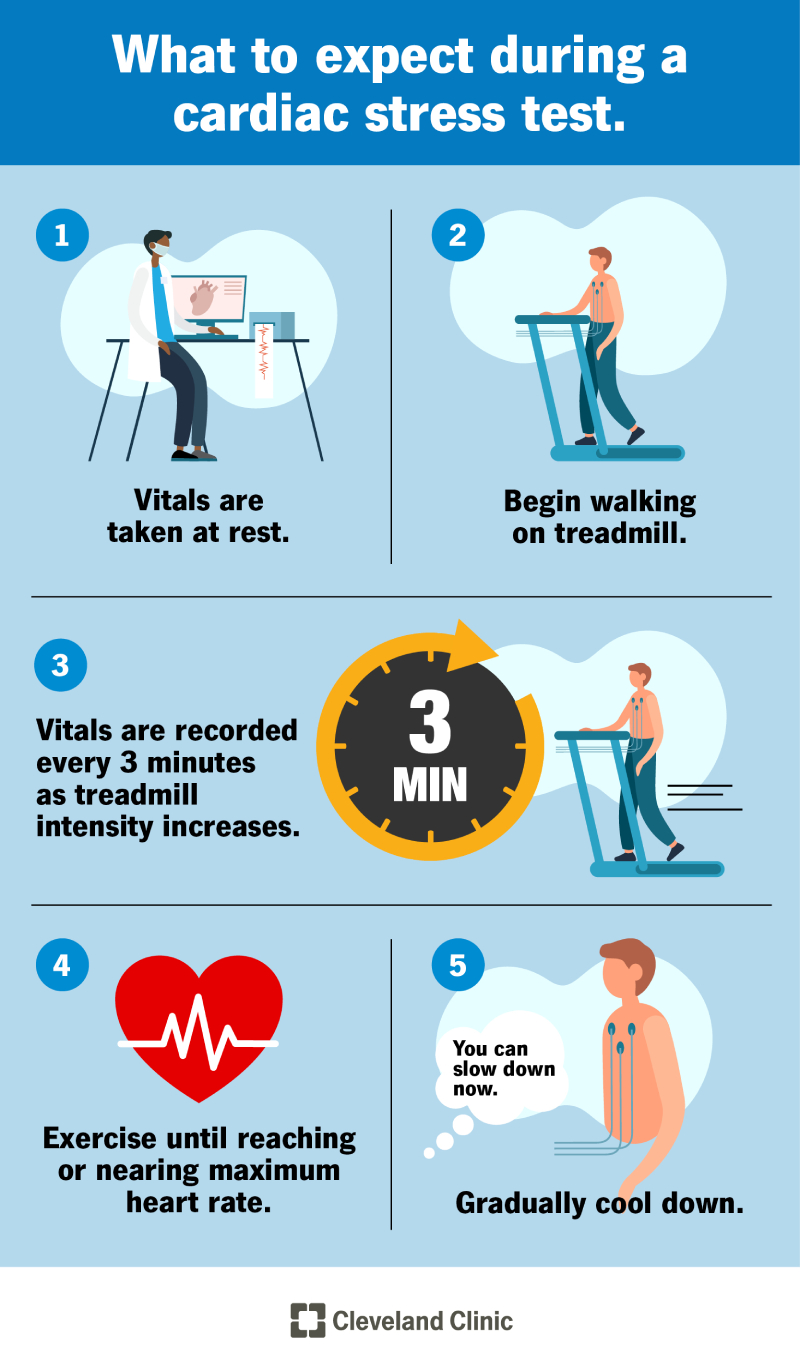
Here’s a clear sequence to explain how does a treadmill stress test work during the appointment:
- You change into comfortable clothes and shoes. A nurse or tech attaches sticky electrodes to your chest. They connect wires to an ECG machine.
- The clinician records baseline vitals: heart rate, blood pressure, and a resting ECG. This gives a starting point.
- You begin walking on a treadmill. The speed and incline increase every few minutes per a preset protocol. This forces your heart to work harder.
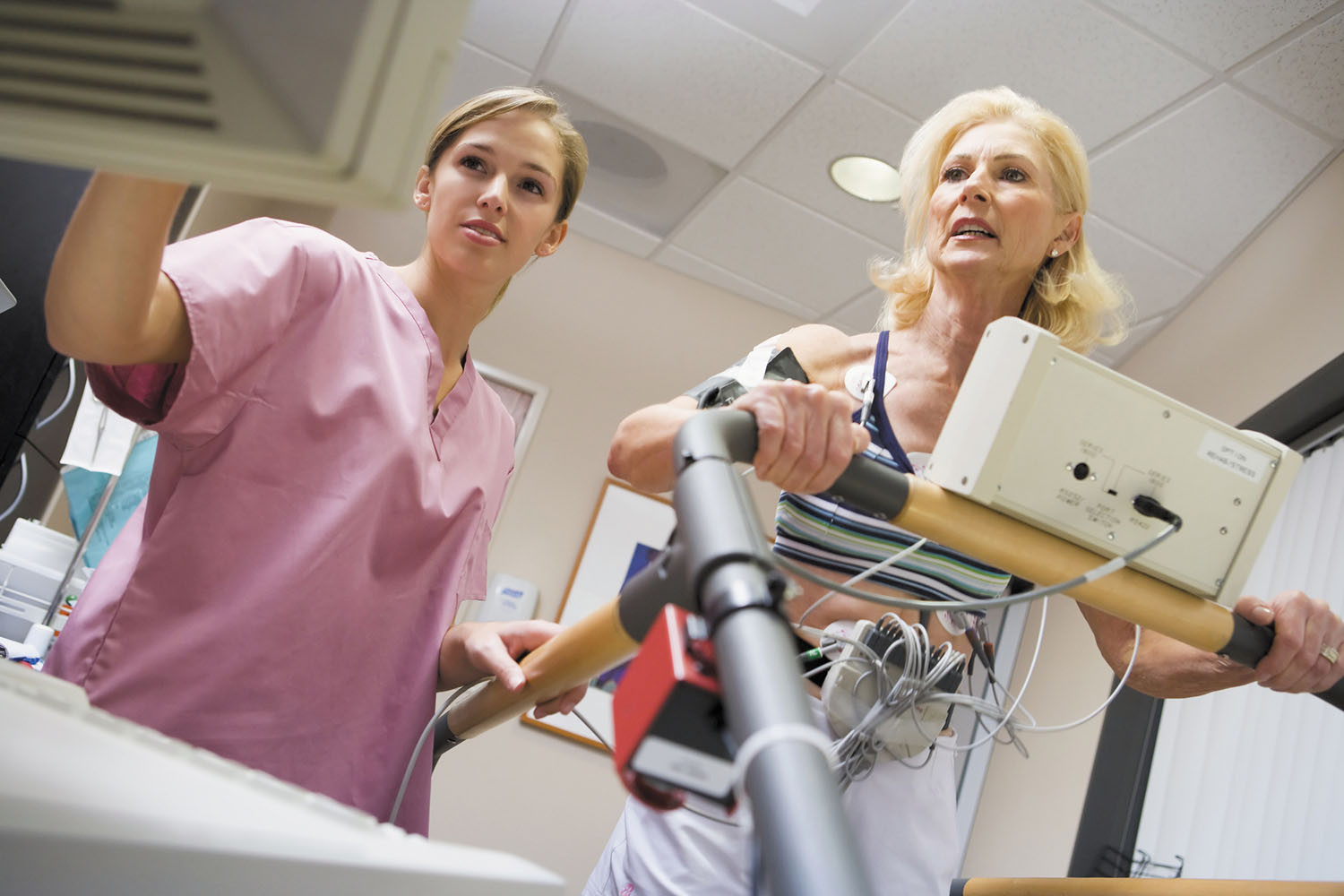
- The team watches the ECG, blood pressure, and your symptoms continuously. They ask how you feel and watch for chest pain, dizziness, or abnormal breathing.
- The test ends when you reach a target heart rate, show concerning ECG changes, develop symptoms, or request to stop.
- After stopping, staff monitor you during recovery. They watch how quickly your heart rate and blood pressure return to baseline.
That sequence explains how does a treadmill stress test work in a clear, practical way. The entire test usually takes 10 to 20 minutes of active exercise, plus prep and recovery time.

style=”max-width: 100%; height: auto; border: 2px solid black; border-radius: 10px; display: block; margin: 0 auto;”
loading=”lazy”
/>
Common protocols and what you’ll feel
There are standard protocols that guide how does a treadmill stress test work. The most common are graded step-ups in speed and incline. Each stage lasts a few minutes.
- Bruce protocol
- Starts easy and increases pace and hill steepness every 3 minutes. It’s widely used for diagnostic testing.
- Modified Bruce
- Starts slower for people who are older or deconditioned. It progresses gently.
- Balke and other protocols
- Offer smaller workload jumps and are chosen for specific goals.
During the test you may feel:
- Mild to moderate shortness of breath as intensity rises.
- Sweating and leg fatigue.
- Possible chest tightness or pressure, which you should report immediately.
Knowing these protocols helps you understand how does a treadmill stress test work and what sensations are normal versus concerning.
What the test measures and why it matters
A treadmill stress test measures multiple things at once. Combined data gives a fuller picture of heart health.
- ECG changes
- Shows electrical patterns that suggest poor blood flow or abnormal rhythms.
- Heart rate response
- Measures how quickly your heart accelerates and recovers. Slow or blunted responses can signal problems.
- Blood pressure trends
- High or falling blood pressure during exercise can be meaningful.
- Symptoms and exercise capacity
- How far you go and what symptoms appear matter a lot. They help set safe exercise limits.
These measurements explain how does a treadmill stress test work as a diagnostic tool. It helps clinicians decide if further testing, like imaging or catheterization, is needed.
Preparing for the test: practical tips
Good preparation can make the test safer and more useful. Follow these simple steps to help the team see honest results and keep you comfortable.
- Follow medication instructions
- Some medicines can change heart rate and must be paused. Ask your doctor before the test.
- Avoid heavy meals, caffeine, and smoking for a few hours prior. These affect heart rate and comfort.
- Wear loose clothes and flat, supportive shoes. Bring layers for comfort.
- Bring a list of medications and medical history. Tell staff about recent illness or injuries.
- Come rested and hydrated. Dehydration can make exercise harder.
These tips reflect how does a treadmill stress test work in practice. Small prep steps make a big difference in test quality.

Risks, limitations, and alternative tests
A treadmill stress test is generally safe, but it has limits. Knowing them helps you and your clinician choose the right test.
- Risks
- Rarely, exercise can trigger an arrhythmia, heart attack, or fainting. Staff are prepared to respond.
- Limitations
- If you can’t exercise well due to arthritis or other issues, the test may be inconclusive.
- Standard treadmill testing relies on surface ECG, which can miss some problems.
- Alternatives
- Pharmacologic stress tests use drugs to simulate exercise.
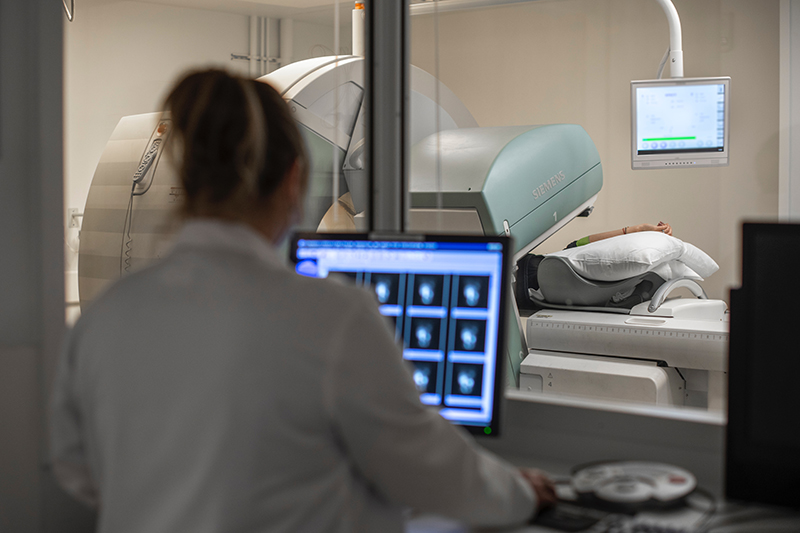
- Imaging stress tests add ultrasound or nuclear imaging to improve detection of blocked arteries.
Understanding risks and alternatives clarifies how does a treadmill stress test work and when another test might be better.

Interpreting results and common next steps
After the test, clinicians combine data and symptoms to make decisions. Here’s how results usually guide care.
- Normal results
- No concerning ECG changes, normal blood pressure response, and good exercise capacity. Often no immediate follow-up needed.
- Abnormal ECG or symptoms
- May prompt further testing like imaging stress tests, CT scans, or coronary angiography.
- Limited exercise capacity
- Leads to tailored advice on safe activity levels and rehab programs.
- Borderline findings
- Often require repeat testing or additional risk assessment.
Knowing how does a treadmill stress test work helps you ask the right questions after your test. Discuss next steps and timelines with your doctor.
My experience and practical lessons
I’ve seen dozens of treadmill stress tests in clinic settings. Here are lessons I learned that help patients and clinicians alike.
- Be honest about symptoms. Telling staff about mild chest pressure or dizziness matters. Small details can change interpretation.
- Don’t stop beta blockers unless your doctor tells you. Medication changes can skew results and cause harm.
- Wear clothing that makes electrode placement easy. I once saw a test delayed because of metal snaps and tight layers.
- Expect simple, calm monitoring. Staff are trained and carry emergency gear. Most tests are routine and uneventful.
These real-world tips show how does a treadmill stress test work from the inside. They reduce anxiety and improve the test value.
Frequently Asked Questions of how does a treadmill stress test work
What should I expect during a treadmill stress test?
You will walk on a treadmill while technicians monitor your ECG and blood pressure. The speed and incline increase in stages until your target heart rate or symptoms occur.
How long does the treadmill stress test take?
Active exercise usually lasts 10 to 20 minutes, but total time with prep and recovery is often 45 to 60 minutes. Exact time varies by protocol.
Is a treadmill stress test painful?
Most people feel tired and short of breath. Some may feel chest pressure or leg fatigue. Painful events are uncommon and staff respond quickly.
Can medications affect a treadmill stress test?
Yes. Drugs like beta blockers and some calcium channel blockers change heart rate response. Your doctor may advise holding certain medicines before the test.
What happens if the test shows abnormal results?
Abnormal signs typically lead to more testing, such as imaging stress tests, CT scans, or invasive studies. Your doctor will explain next steps after reviewing results.
Are there alternatives if I can’t exercise on a treadmill?
Yes. Pharmacologic stress testing uses medication to simulate exercise. Imaging-based tests also help if you cannot walk enough for valid results.
Conclusion
A treadmill stress test is a practical way to see how your heart performs under real stress. It measures ECG, heart rate, blood pressure, and symptoms during progressive exercise. Knowing how does a treadmill stress test work helps you prepare, reduce worry, and get better results. If your doctor recommends the test, follow their prep advice, share your symptoms, and ask about next steps if results aren’t clear. Ready to learn more or schedule your test? Talk to your healthcare team, sign up for updates, or leave a question below.

Brandon Knoxley is a sport & fitness writer and training guide contributor at MySportFitHub. He focuses on practical workouts, performance-based training, and honest fitness gear insights designed for real people and real results. Brandon is passionate about helping beginners and active individuals train smarter, avoid common mistakes, and build sustainable fitness habits.