

How to Train Safely After Sports Injury: Essential Recovery Tips
Getting back to training after a sports injury can feel tough and confusing. You want to regain your strength and skills, but you also worry about making things worse.
The good news is, you can train safely and effectively if you know the right steps to follow. You’ll discover simple, proven tips that protect your body while helping you come back stronger. Keep reading to learn how to avoid setbacks and make your recovery a success.
Your safe return to the game starts here.
Assessing Your Injury
Assessing your injury is the first step to train safely after a sports injury. It helps you understand the damage and plan your recovery. Proper assessment prevents worsening the injury and supports healing. Take time to evaluate how serious the injury is before resuming any exercise.
Recognizing Injury Severity
Check for pain levels, swelling, and how much you can move. Sharp pain or constant discomfort means the injury might be severe. Notice if you can put weight on the injured area. Severe injuries often cause bruising or a change in color. These signs show you need to stop and get help.
Consulting Healthcare Professionals
Visit a doctor or physical therapist for a proper diagnosis. Professionals use tests and exams to find the exact problem. Follow their advice on treatment and rest periods. They can guide you on safe exercises to do during recovery. Trust their expertise to avoid harm and speed up healing.
Setting Realistic Recovery Goals
Create small, clear goals based on your injury and doctor’s advice. Goals like improving mobility or reducing pain step by step work best. Avoid rushing or pushing your body too hard. Celebrate progress, no matter how small it seems. Realistic goals keep you motivated and safe during recovery.
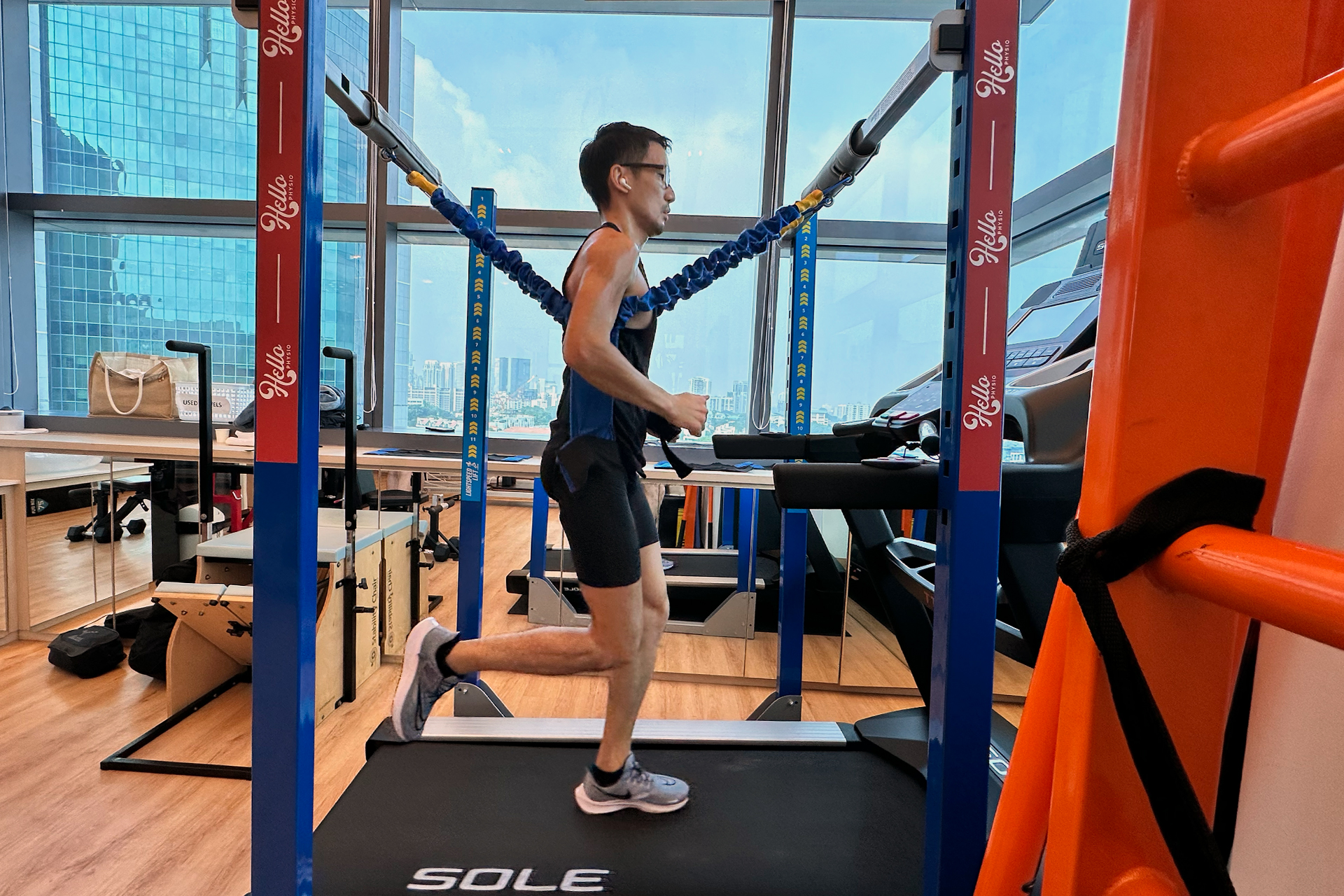
Credit: www.hellophysio.sg
Preparing For Safe Training
Preparing for safe training after a sports injury is key to avoid setbacks. It helps your body heal properly while regaining strength. A careful approach prevents new injuries and builds confidence. Follow clear steps to prepare well and train smart.
Creating A Recovery Plan
Start by making a recovery plan with your doctor or therapist. Set small, clear goals for each week. Track your progress and adjust the plan as needed. Include rest days to give your body time to heal. A good plan guides your training safely and steadily.
Choosing Suitable Exercises
Pick exercises that do not strain the injured area. Low-impact activities like swimming or cycling often work well. Focus on gentle movements to rebuild muscle and flexibility. Avoid high-intensity workouts until your body is ready. Safe exercises support healing and improve your fitness.
Gathering Proper Equipment
Use the right equipment to protect your injury during training. Support braces or wraps can add stability. Wear comfortable shoes that fit well and absorb shock. Proper gear reduces pain and risk of harm. Investing in good equipment helps you train with care.
Implementing Recovery Workouts
Implementing recovery workouts is key after a sports injury. These workouts help your body heal and regain strength. They reduce pain and prevent new injuries. Careful planning and patience are important. Recovery workouts build a strong foundation for full activity.
Focus on gentle exercises that do not stress the injured area. Listen to your body and adjust intensity. Consistency in recovery workouts leads to better results.
Starting With Low-impact Activities
Begin with low-impact activities to protect your injury. Walking, swimming, and cycling are good options. These exercises improve blood flow without causing pain. They help maintain fitness while healing. Avoid jumping or running at this stage.
Gradual Progression Techniques
Increase exercise intensity slowly over time. Add more repetitions or duration week by week. Do not rush or push too hard. Monitor pain and swelling closely. Progress only if your body feels ready. This prevents setbacks and supports steady recovery.
Incorporating Strength And Flexibility
Include strength and flexibility exercises as you improve. Strengthening muscles around the injury adds support. Stretching helps restore movement and reduce stiffness. Use light weights or resistance bands at first. Focus on controlled, smooth motions. Balanced strength and flexibility lower re-injury risk.
Monitoring Your Progress
Monitoring your progress after a sports injury is vital for a safe recovery. It helps you understand how your body responds to training. Careful observation can prevent setbacks and support steady improvement.
Tracking Pain And Discomfort
Note any pain during or after exercises. Use a simple pain scale from 1 to 10. Record the type, location, and intensity of discomfort. This tracking helps spot patterns or worsening symptoms. Avoid pushing through sharp or increasing pain. Mild soreness is normal, but sharp pain signals a problem.
Adjusting Intensity Based On Feedback
Listen to your body’s signals after each session. Reduce exercise intensity if pain or fatigue rises. Increase gradually only when discomfort lessens. Balance rest and activity to avoid overuse. Modifying your plan keeps progress safe and steady. Slow and steady wins the recovery race.
When To Seek Further Medical Advice
Seek medical help if pain worsens or lasts several days. Swelling, numbness, or weakness need urgent attention. Do not ignore new or unusual symptoms. Professional advice can adjust your rehabilitation plan. Early care helps prevent long-term damage.
Preventing Future Injuries
Preventing future injuries is key to a safe and steady return to sports. Careful habits protect your body. They keep muscles strong and joints flexible. This helps avoid setbacks and keeps progress steady.
Warm-up And Cool-down Routines
Warming up prepares your body for exercise. It raises your heart rate and loosens muscles. Start with light activities like walking or jogging. Follow with gentle stretches to increase flexibility.
Cooling down helps your body recover. Slow down your pace for a few minutes. Stretch muscles to reduce stiffness and soreness. This routine lowers injury risk and speeds healing.
Maintaining Proper Form
Using correct form reduces strain on your body. Focus on posture and movement during every exercise. Avoid rushing or forcing motions. Proper technique helps muscles work evenly and prevents damage.
Seek guidance if unsure about your form. Coaches or trainers can spot errors. Fixing these early stops bad habits and injuries.
Balancing Training And Rest
Training hard is important but so is rest. Overtraining wears down muscles and joints. Schedule regular breaks between workouts. Allow time for healing and muscle growth.
Listen to your body’s signals. Pain or extreme tiredness means it’s time to rest. Balanced training helps build strength safely and steadily.

Credit: www.bone-joint.com

Credit: www.totalorthosportsmed.com
Frequently Asked Questions
How Soon Can I Start Training After A Sports Injury?
Start training only after your healthcare provider clears you. Early activity might worsen the injury. Begin with gentle exercises and gradually increase intensity to avoid setbacks.
What Are The Safest Exercises Post Sports Injury?
Low-impact exercises like swimming, cycling, and walking are safest. These activities minimize stress on injured areas. Always follow your rehab plan and avoid high-impact or strenuous workouts initially.
How Do I Prevent Re-injury During Training?
Warm up properly before every session and stretch regularly. Use correct techniques and avoid overtraining. Listen to your body, and stop if you feel pain or discomfort.
Should I Use Pain As A Guide For Training Intensity?
No, pain is a warning sign to stop activity. Mild discomfort is normal, but sharp pain indicates potential harm. Always consult your therapist if pain persists during training.
Conclusion
Training safely after a sports injury takes time and care. Start slow and listen to your body’s signals. Follow your doctor’s advice and do exercises that help healing. Avoid rushing back too fast to prevent new injuries. Stay patient and consistent with your recovery plan.
Small steps lead to strong progress. Keep your focus on health, not speed. This approach helps you get back to sports safely and confidently.

Brandon Knoxley is a sport & fitness writer and training guide contributor at MySportFitHub. He focuses on practical workouts, performance-based training, and honest fitness gear insights designed for real people and real results. Brandon is passionate about helping beginners and active individuals train smarter, avoid common mistakes, and build sustainable fitness habits.