
Can You Lose Weight On A Treadmill: Effective Tips
Yes — you can lose weight on a treadmill with consistent effort and a proper calorie deficit.
I’ve coached clients and trained myself using treadmills for years, so I know what works and what doesn’t. This article explains exactly how to lose weight on a treadmill, why it works, how to structure workouts, what to eat, common mistakes, and realistic expectations. Read on for practical plans, workout examples, and simple ways to make a treadmill routine that actually leads to fat loss.
How a treadmill helps you lose weight
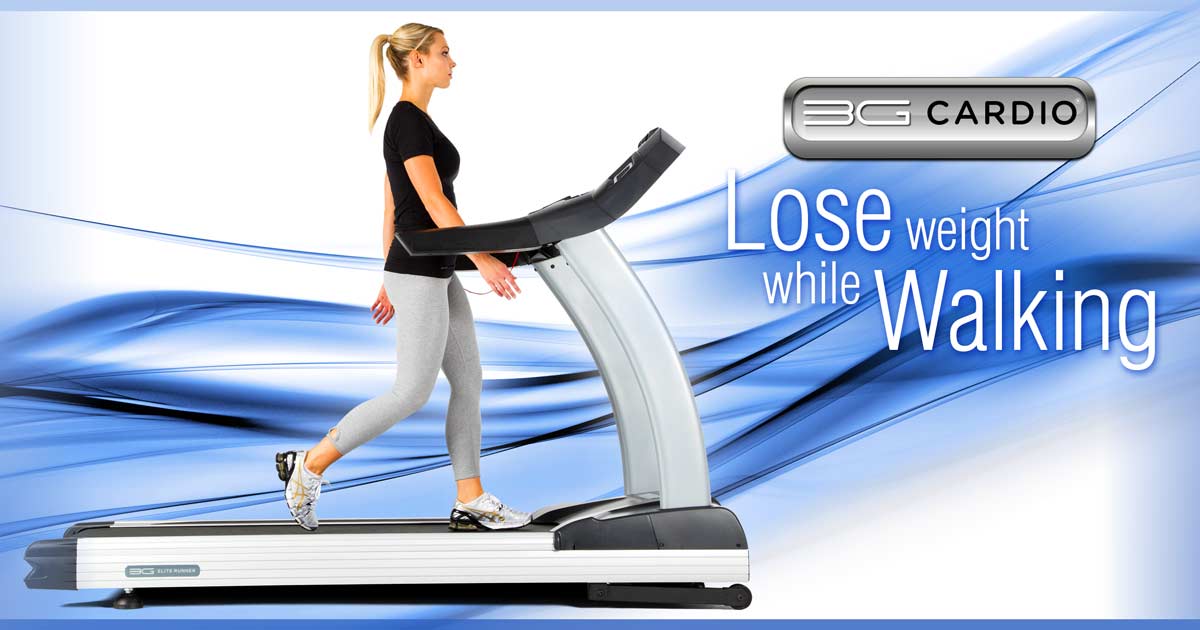
A treadmill is a tool for moving more and burning calories. At its simplest, weight loss comes from burning more calories than you eat. A treadmill lets you control speed, incline, and time, so you can raise calorie burn in a predictable way.
Walking or running on a treadmill improves heart health, builds muscular endurance, and supports higher daily energy use. It is low-barrier and repeatable. When combined with diet changes, it reliably helps people create a calorie deficit and lose weight.
Calories, math, and realistic expectations
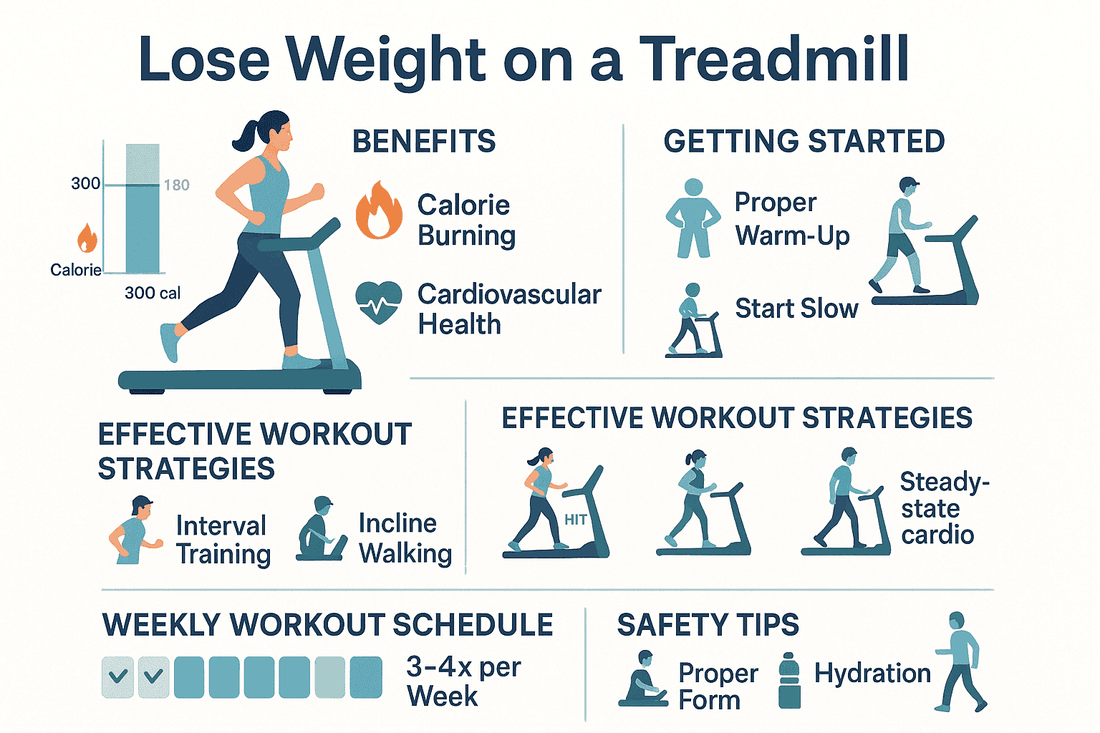
Understanding calories is key. A pound of fat roughly equals 3,500 calories. To lose one pound per week you need a 500-calorie daily deficit from food, exercise, or both. Treadmill sessions contribute to that deficit but rarely cover it alone.
Factors that change treadmill calorie burn:
- Body weight: Heavier people burn more calories for the same workout.
- Intensity: Running burns more than walking per minute.
- Incline: Adding incline raises calorie use without extra speed.
- Duration: Longer sessions burn more total calories.
Aim for a weekly cardio target that adds 200–500 extra calories burned per day on average, paired with modest diet cuts. That creates steady weight loss without extreme hunger or fatigue.

Source: wikihow.com
Best treadmill workouts for weight loss
Workouts must be efficient and sustainable. Here are proven treadmill formats that fit different fitness levels.
- Steady-state walking or jogging
- Easy to start. Keep a pace you can hold for 30–60 minutes. Great for beginners and recovery days.
- Incline walking
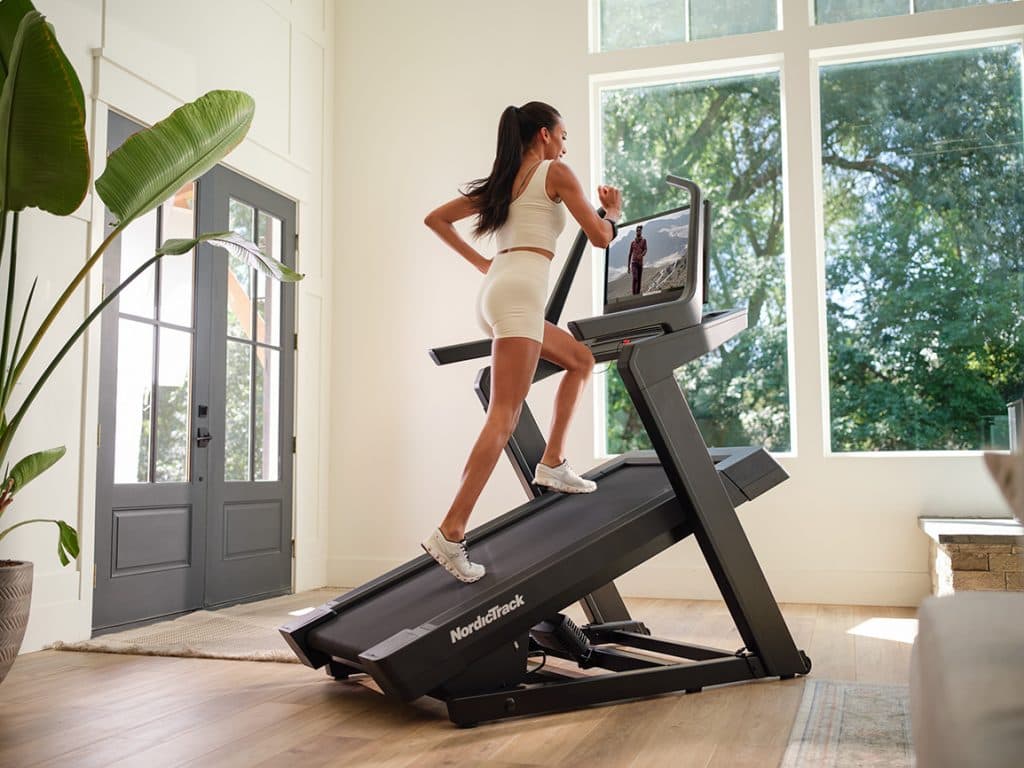
- Walk briskly at 5–15% incline for 20–45 minutes. This raises calorie burn and reduces joint stress versus running.
- Interval training (HIIT)
- Alternate 30–90 seconds hard with 60–120 seconds easy, for 10–30 minutes. HIIT boosts afterburn and saves time.
- Tempo runs
- Warm up, then run at a comfortably hard pace for 10–25 minutes. Good for building speed and steady calorie burn.
- Mixed circuits
- Combine treadmill sprints with bodyweight moves like squats or planks off the treadmill for full-body burn.
Two PAA-style questions and answers:
- How long should treadmill workouts be to lose weight? Aim for 150–300 minutes of moderate cardio weekly, or 75–150 minutes of vigorous cardio, plus strength work.
- Is incline walking better than running for weight loss? Incline walking can burn similar calories to running at lower impact, so it’s a great option for many people.
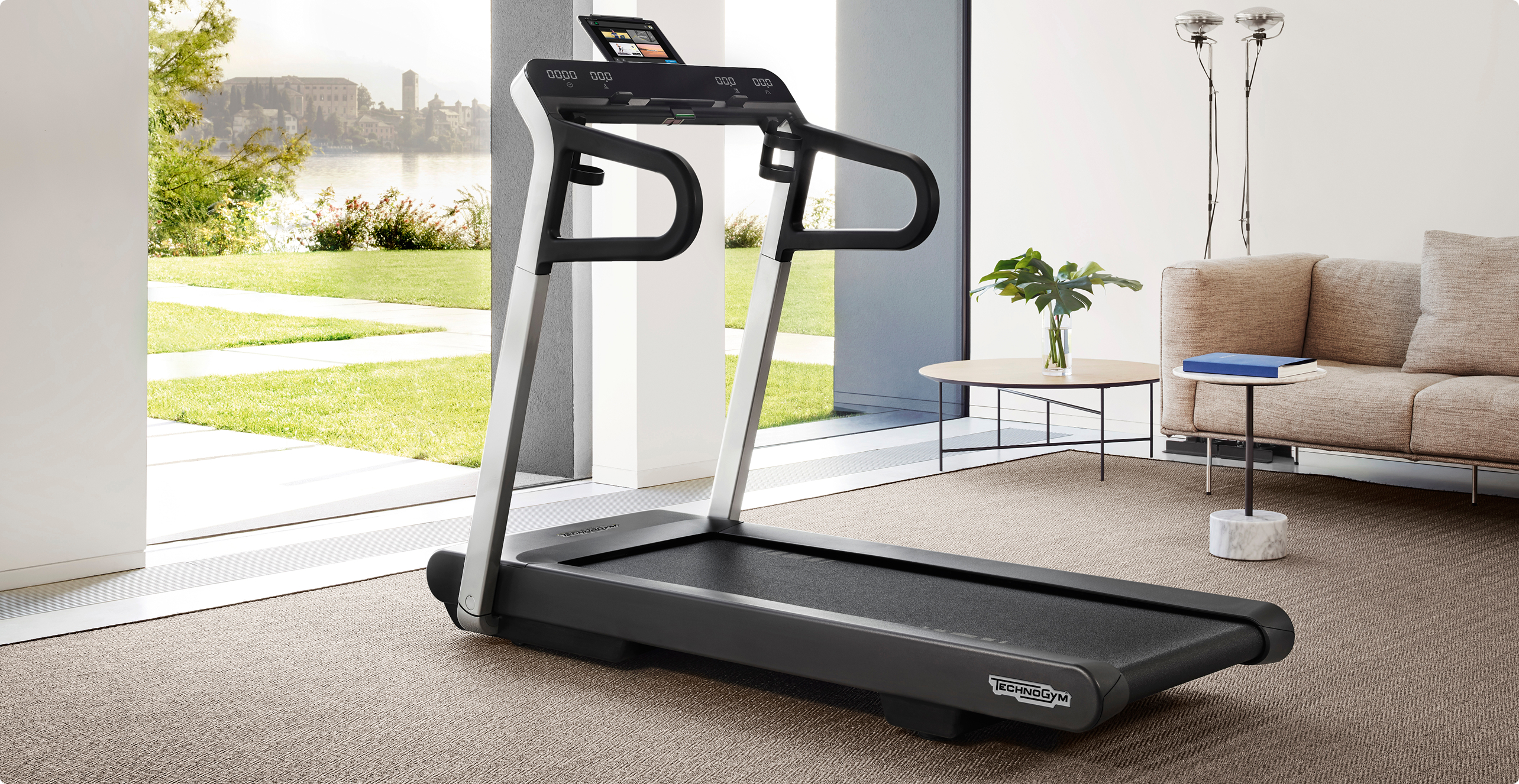
Source: technogym.com
Designing a weekly treadmill plan
Match the plan to your time and fitness level. Consistency beats intensity for most people.
Sample beginner week:
- 3x 30–40 minute brisk walks (incline 1–5%)
- 2x 20 minute easy jog or treadmill intervals
- 2 rest or light activity days
Sample intermediate week:
- 2x 45 minute steady runs
- 2x 20 minute HIIT sessions
- 1x 30–45 minute incline walk
- 2 strength or recovery days
Progress by adding 5–10% time, intensity, or incline per week. Track workouts and calories burned to stay on target.

Diet, recovery, and the role of calories
A treadmill won’t outpace a bad diet. Weight loss depends on a sustained calorie deficit. Use the treadmill to increase energy out; use food choices to reduce energy in.
Practical nutrition steps:
- Track intake for 1–2 weeks to learn your baseline.
- Reduce daily calories by 300–500 to start.
- Prioritize protein (20–30 grams per meal) to protect muscle.
- Eat whole foods, fiber, and healthy fats for satiety.
Recovery matters too. Sleep, hydration, and stress control affect hunger and energy. If you skip recovery, workouts feel harder and results stall.

Source: wikihow.com
Strength training and muscle preservation
Strength work complements treadmill sessions. Muscle helps you burn more calories at rest and keeps your shape during weight loss.
Simple strength plan:
- 2–3 sessions per week
- Focus on big moves: squats, deadlifts, push-ups, rows
- Keep sets moderate (3 sets of 8–12 reps)
- Pair strength days with lighter treadmill work or rest
If you want to lose fat and keep muscle, combine cardio on the treadmill with consistent resistance training and adequate protein.

Common mistakes and how to avoid them
Avoid these traps that derail treadmill weight loss.
- Relying only on treadmill cardio
- Cardio helps, but diet and strength training are essential.
- Chasing the step counter or calorie readout blindly
- Machine meters are estimates. Use them as trends, not gospel.
- Doing the same easy workout forever
- The body adapts. Add intensity, incline, or strength work over time.
- Overdoing it and getting injured
- Increase load slowly. Rest when needed.
- Undereating and losing energy
- Too large a deficit can reduce performance and muscle mass.
I learned these lessons the hard way during a past training block. I started with long slow sessions and saw slow progress. Adding interval sessions, strength training, and a controlled diet doubled my rate of fat loss and kept my energy high.
Safety, equipment, and practical tips
Treadmill use is safe when you follow basics.
- Warm up and cool down for 5–10 minutes.
- Use incline for variety and joint relief.
- Wear proper shoes and comfortable clothes.
- Use the safety clip and know the emergency stop.
- Hydrate and avoid heavy meals right before a hard session.
If you have health issues, get clearance before starting. Start slow and build.
How to track progress beyond the scale
Scale weight fluctuates. Use multiple measures to see real progress.
- Tape measurements for waist, hips, and chest
- Progress photos every 2–4 weeks
- Fitness markers: faster pace for the same effort, longer workouts, more reps
- Body composition if available (bioimpedance or DEXA)
Small wins like a faster mile or a new incline level mean you are improving. Celebrate those.
Personal experience and practical advice
From my training and coaching years, here are real tips that helped my clients succeed.
- Start with a habit: 10–20 minutes on the treadmill daily. Habit sticks before intensity.
- Make workouts enjoyable: play music, podcasts, or watch a show to stay consistent.
- Use incline walking when you need low-impact, high-return sessions.
- Log your food and workouts. Accountability beats guesswork.
- Expect plateaus. Change one variable (food, intensity, or recovery) to restart progress.
A client lost 30 pounds in 6 months by walking on the treadmill 5 days a week, eating a 350-calorie daily deficit, and lifting twice weekly. The treadmill made exercise simple and repeatable for them.
Frequently Asked Questions of can you lose weight on a treadmill
How many calories can you burn on a treadmill per hour?
Calorie burn varies by weight and intensity. A 150-pound person might burn about 240–600 calories per hour depending on speed and incline.
Is walking on a treadmill enough to lose weight?
Yes, walking can be enough if it helps create a sustained calorie deficit combined with proper nutrition and some resistance training. Consistency matters more than intensity for many people.
Should I do HIIT or steady-state on the treadmill for weight loss?
Both work. HIIT saves time and raises post-exercise calorie burn, while steady-state supports longer sessions and easier recovery; mix both for best results.
How often should I use the treadmill to see results?
Aim for 3–6 treadmill sessions per week, depending on intensity. Pair workouts with strength training and a sensible diet for steady progress.
Will running on a treadmill build muscle?
Running builds some muscular endurance in the legs but does not replace resistance training. For muscle growth and preservation, add weight training two to three times per week.
Conclusion
A treadmill is an effective tool to help you lose weight when used with a clear plan, good nutrition, and strength training. Consistent treadmill work raises calorie burn and improves fitness. Track progress with multiple measures, avoid common mistakes, and adjust your plan as you go.
Take action this week: pick three treadmill sessions, log your food for seven days, and add one short strength session. Share your results or questions below and subscribe for more practical fitness guides.

Brandon Knoxley is a sport & fitness writer and training guide contributor at MySportFitHub. He focuses on practical workouts, performance-based training, and honest fitness gear insights designed for real people and real results. Brandon is passionate about helping beginners and active individuals train smarter, avoid common mistakes, and build sustainable fitness habits.