
How Long Is 10k Steps On A Treadmill: Time Pace & Tips
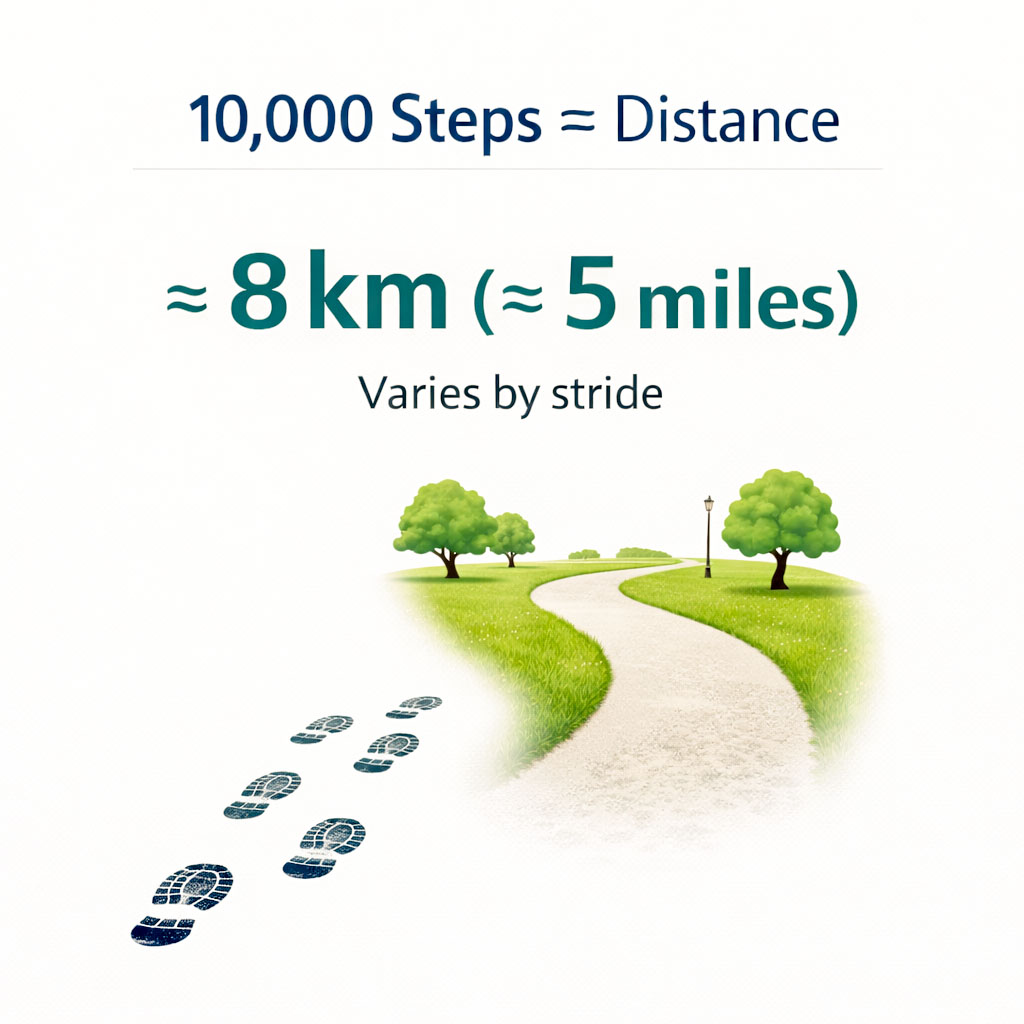
10k steps on a treadmill is roughly 5 miles and usually takes 60–120 minutes, depending on pace.
I’ve logged hundreds of treadmill sessions as a fitness coach and runner, so I know how pace, stride, and treadmill settings change the clock. This guide breaks down exactly how long 10k steps on a treadmill take, how to estimate your personal time, how many calories you might burn, simple plans to hit the mark, and practical tips from real-world testing. Read on and you’ll leave with clear, usable steps to make 10k steps on a treadmill feel doable and smart.
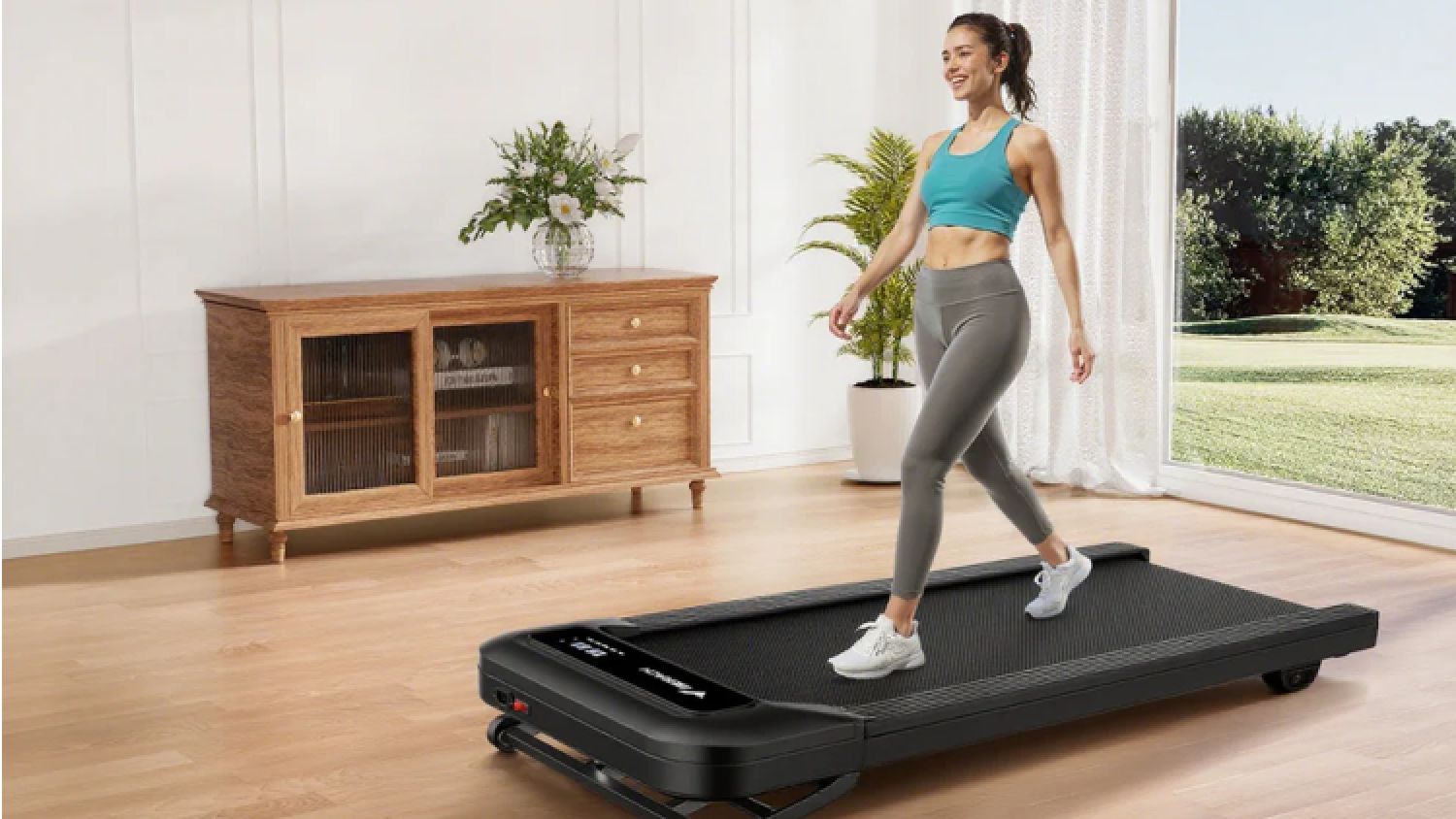
How long does 10k steps on a treadmill take?
The quick math: 10k steps ≈ 5 miles for most adults. Time then depends on your speed.
- If you walk slowly (about 2.5 mph), 10k steps takes roughly 120 minutes.
- If you walk at a moderate pace (about 3.5 mph), expect about 80–90 minutes.
- If you power-walk or jog (4–5 mph), 10k steps can take 50–75 minutes.
- If you run (6 mph or faster), 10k steps may be 40–50 minutes or less.
These ranges assume an average step length and steady movement. If you rest, do intervals, or use incline, the total clock time will change. To find your personal time, measure your natural pace for one mile on the treadmill and multiply by five for a rough 10k steps estimate.

How far is 10k steps on a treadmill (steps-to-distance)
A practical rule of thumb makes this easy: most adults take about 2,000 steps per mile. That means 10k steps ≈ 5 miles.
Factors that change this:
- Step length: Taller people usually have longer steps, which lowers steps per mile.
- Walking vs. running: Running tends to lengthen stride, reducing steps per mile.
- Gait and cadence: Short, quick steps raise steps per mile.
Quick formula you can use:
- Measure your stride length in feet or count steps for one measured mile, then multiply: Steps per mile × 5 = 10k steps distance in miles. This gives a tailored conversion for your treadmill sessions.
Calories and effort: what 10k steps on a treadmill burns
Calories burned depend on weight, pace, and intensity. For a 150-pound person walking five miles:
- Slow walk (2.5–3 mph) burns roughly 250–350 calories.
- Moderate walk/power walk (3.5–4 mph) burns about 350–450 calories.
- Jogging or running five miles burns more—often 450–700 calories depending on pace and weight.
Also consider effort:
- Adding incline raises calorie burn and effort even if time stays similar.
- Intervals (short speed bursts) increase post-exercise calorie burn.
These are estimates. If you want precise numbers, use a heart-rate monitor or treadmill calorie readout and calibrate it to your measured heart rate and weight.
Key factors that affect how long 10k steps on a treadmill take
Several variables change your time and experience. Know these so you can plan.
- Pace and cadence: Faster cadence shortens time. Count steps per minute to get a steady measure.
- Stride length: Longer strides mean fewer steps per mile, so your 10k steps may cover more distance.
- Incline: A higher incline slows pace but increases effort and calorie burn.
- Breaks and split sessions: Stopping or splitting into short sessions lengthens total elapsed time.
- Fitness level and fatigue: As you tire, pace drops and time rises.
Practical test: Count your steps for one minute at your usual treadmill speed. Multiply by 60 to get steps per hour, then calculate how long to reach 10k steps. This simple test gives an accurate personal time estimate.
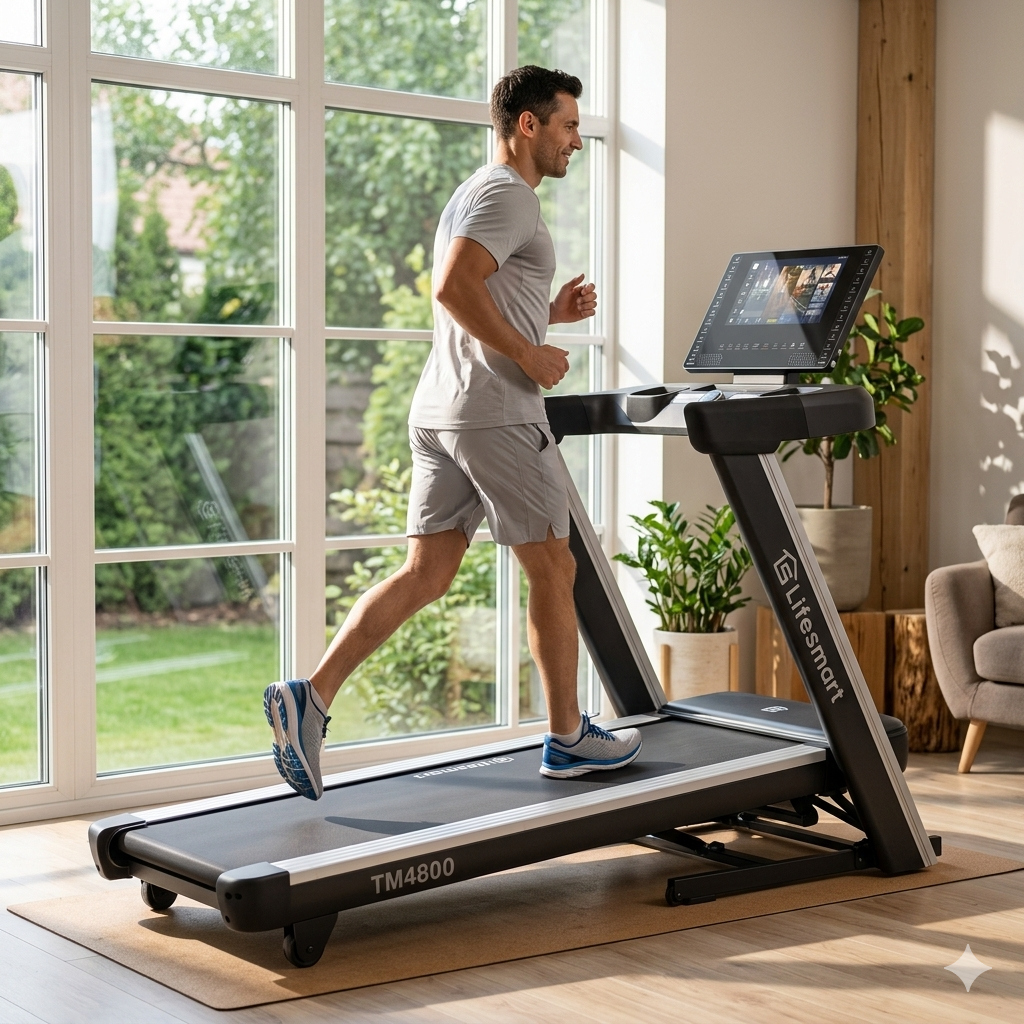
How to hit 10k steps on a treadmill: plans and tips
Pick one plan that fits your schedule. Each plan helps reach 10k steps safely.
Plan A — Single steady session
- Warm up 5–10 minutes at an easy pace.
- Maintain a steady speed until you complete five miles (≈10k steps).
- Cool down 5 minutes, stretch afterward.
Plan B — Split sessions
- Two 30–45 minute walks (morning and evening).
- Add three 10–15 minute brisk walks during the day.
- This keeps fatigue low and fits busy schedules.
Plan C — Intervals for time savings
- Alternate 3–5 minutes brisk walk with 1 minute faster pace or light jog.
- Repeat until you reach 10k steps.
- Intervals speed up progress and raise fitness.
Practical tips I’ve learned:
- Wear supportive shoes and use a towel for sweat.
- Use podcasts, music, or TV to make long treadmill sessions less boring.
- Increase incline slightly rather than speed to reduce joint stress while keeping effort high.
- Track actual steps with a watch or treadmill step counter and compare to your own steps-per-mile test.
Common mistakes and safety when aiming for 10k steps on a treadmill
Avoid these to stay consistent and safe.
- Going too fast too soon: This risks injury and burnout.
- Ignoring posture: Hunched shoulders and short steps reduce efficiency.
- Over-relying on treadmill calorie readouts without calibration.
- Skipping hydration and breaks on long sessions.
- Wearing worn shoes that lack support.
Always warm up and cool down. If you have health issues, check with a clinician before jumping into long or intense treadmill sessions.

Frequently Asked Questions of how long is 10k steps on a treadmill
How many miles are 10k steps on a treadmill?
Ten thousand steps is roughly 5 miles for most adults, based on an average 2,000 steps per mile. Your exact miles will depend on stride length and walking or running form.
How long will it take me to do 10k steps if I walk at 3 mph?
At 3 mph, five miles takes about 100 minutes, so 10k steps will be close to that time. Your personal number may vary a bit by stride length and small rest breaks.
Can I split 10k steps into multiple treadmill sessions?
Yes. Splitting into two or three sessions makes 10k steps easier to fit into a day and reduces fatigue. Just aim for consistent intensity across sessions.
Will incline change how long 10k steps take?
Incline usually slows your speed, so it may increase elapsed time, but it raises effort and calorie burn. Using a modest incline is a good way to get more benefit without more time.
How should I track steps accurately on a treadmill?
Combine the treadmill’s counter with a wrist tracker or phone step app and a one-mile step test to calibrate. That gives you a reliable real-world measure of your steps per mile.
Conclusion
Ten thousand steps on a treadmill is a clear, achievable target: about five miles and usually anywhere from 40 minutes to two hours depending on pace and breaks. Use a simple step-per-minute test to find your personal time, pick a plan that fits your life, and prioritize form and safety. Start small if you need to, build consistency, and celebrate progress when you hit each 10k step milestone. If this guide helped, try one of the plans this week and share your results or questions in the comments — I’ll help you tweak your approach.

Brandon Knoxley is a sport & fitness writer and training guide contributor at MySportFitHub. He focuses on practical workouts, performance-based training, and honest fitness gear insights designed for real people and real results. Brandon is passionate about helping beginners and active individuals train smarter, avoid common mistakes, and build sustainable fitness habits.


