How to Train Balance for Sports Performance: Ultimate Guide to Mastery
Imagine having the power to move faster, react quicker, and avoid injuries all while playing your favorite sport. How?
By training your balance. When you improve your balance, you unlock better control over your body, sharper coordination, and stronger athletic performance. You’ll discover simple yet effective ways to train your balance, so you can take your game to the next level.
Ready to boost your sports skills and stay ahead of the competition? Keep reading to find out how.
Importance Of Balance In Sports
Balance is a key skill in sports. It helps athletes stay steady and control their bodies. Good balance improves movement and lowers injury risk. Athletes with strong balance perform better and react faster. Training balance boosts overall sports ability.
Role Of Balance In Athletic Performance
Balance helps athletes keep control during fast moves. It supports quick changes in direction. Strong balance aids in jumping, landing, and running smoothly. It also helps maintain focus and body position. Athletes with good balance show better coordination and strength.
Common Sports Requiring Strong Balance
Many sports need good balance. Gymnastics and skateboarding demand precise body control. Soccer and basketball require quick shifts and steady footing. Skiing and surfing depend on balance to stay upright. Even running and cycling benefit from strong balance skills.
Types Of Balance Skills
Balance is essential for all athletes. It helps control the body during movement and holds steady positions. Training balance improves sports skills and prevents injuries. There are different types of balance skills. Each type plays a unique role in sports performance.
Static Balance
Static balance means staying still without moving. It is the ability to hold a position, like standing on one foot. This skill is important in sports like gymnastics and archery. Practicing static balance builds strength and control in muscles.
Dynamic Balance
Dynamic balance involves maintaining stability while moving. It helps athletes stay steady during running, jumping, or changing directions. This skill is crucial for soccer, basketball, and tennis players. Training dynamic balance improves coordination and speed.
Reactive Balance
Reactive balance is the body’s response to sudden changes. It helps recover from slips, trips, or pushes. This skill is vital in contact sports like football and rugby. Exercises that challenge reflexes enhance reactive balance skills.
Assessing Your Balance Level
Assessing your balance level is the first step to improve sports performance. Knowing your current balance helps you focus on the right exercises. It also reduces injury risk and boosts confidence during activities.
Balance tests vary from easy to advanced. Choose the right one to see where you stand. Tracking progress over time shows how well your training works.
Simple Balance Tests
Start with basic balance tests. Try standing on one leg for 30 seconds. Close your eyes to make it harder. See if you can keep steady without wobbling or touching the ground.
Another test is the heel-to-toe walk. Walk in a straight line, placing one foot directly in front of the other. Count how many steps you take without losing balance. These tests need no tools and give quick feedback.
Advanced Assessment Tools
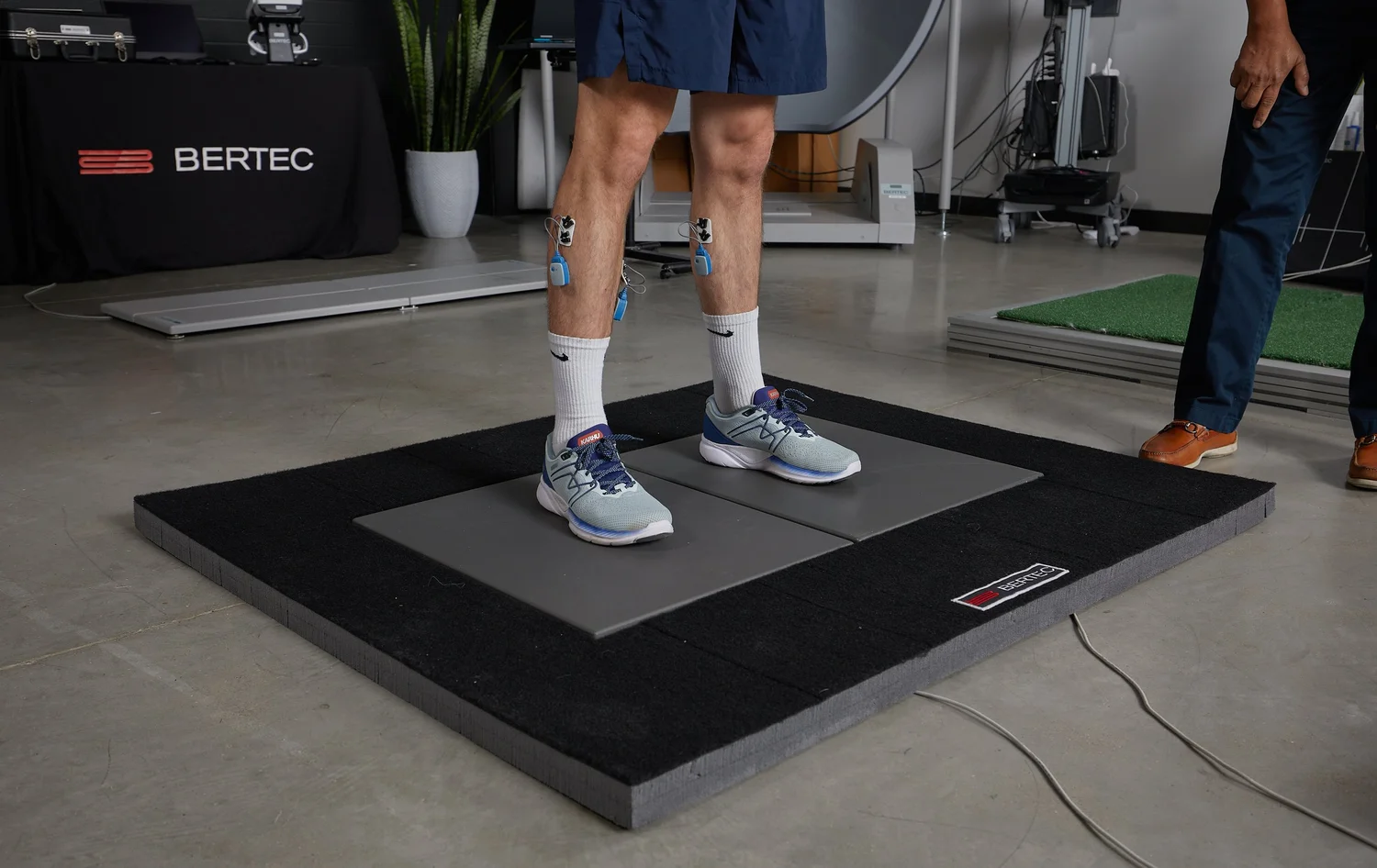
Use advanced tools for precise balance measurement. Force plates measure pressure and weight shifts during standing or movement. They provide detailed data on your balance control.
Gyroscopic devices and wearable sensors track body motion in real time. These tools help identify subtle balance issues not seen in simple tests. Athletes and coaches use advanced tools to design better training plans.
Key Principles For Balance Training
Training balance is essential for better sports performance. It helps control body movements and prevents injuries. To improve balance effectively, certain key principles must guide your training. These principles ensure steady progress and long-lasting results.
Progressive Challenge
Start with simple balance exercises. Slowly increase difficulty over time. Use unstable surfaces like balance boards or foam pads. Add movements such as reaching or turning. Challenging your balance trains your body to adapt and improve.
Consistency And Frequency
Practice balance regularly. Aim for at least three sessions each week. Short, frequent workouts work better than occasional long ones. Consistency helps your nervous system develop better control. This leads to more stable and confident movements.
Incorporating Sport-specific Movements
Include movements that mimic your sport’s actions. For example, basketball players should practice balance while dribbling. Soccer players can work on balance during quick changes in direction. Sport-specific balance training prepares your body for real game situations.
Effective Balance Exercises
Effective balance exercises improve control and stability in sports. They help athletes stay steady during fast moves. These exercises build strength in small muscles around the joints. Balance training also sharpens focus and body awareness.
Try these exercises regularly to boost your sports performance. Start easy, then increase difficulty as you improve. Consistency is key for lasting results.
Single-leg Stands
Stand on one leg with your eyes open. Hold the position for 20 to 30 seconds. Switch legs and repeat. This simple exercise trains your ankle and core muscles.
To increase difficulty, close your eyes or stand on a soft surface. Single-leg stands improve joint stability and help prevent injuries.
Balance Board Workouts
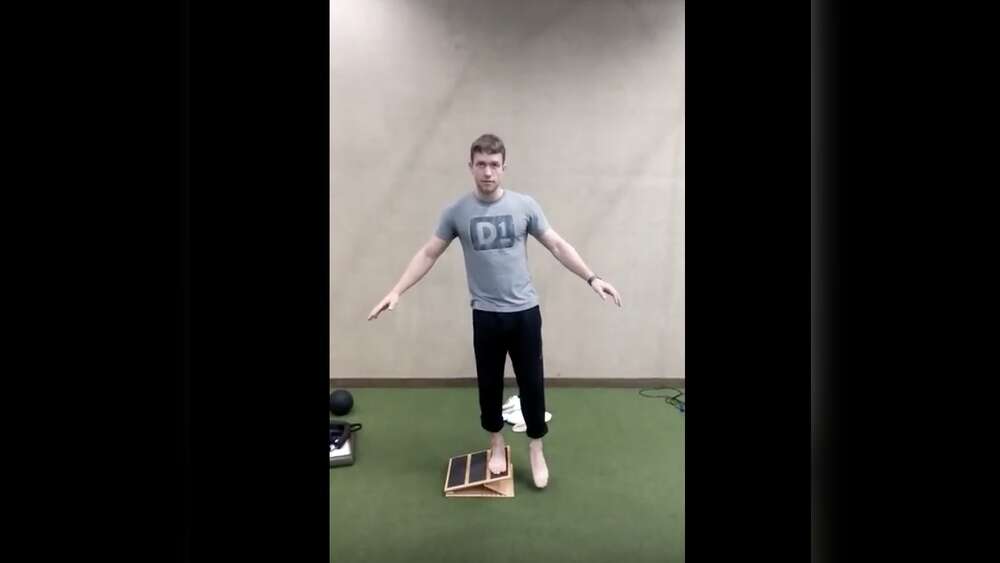
Use a balance board to challenge your stability. Stand on the board and try to keep it level. Move slowly side to side or front to back.
Balance boards activate many small muscles in your feet and legs. Regular practice improves coordination and reaction time. These workouts simulate real sports movements well.
Dynamic Movement Drills
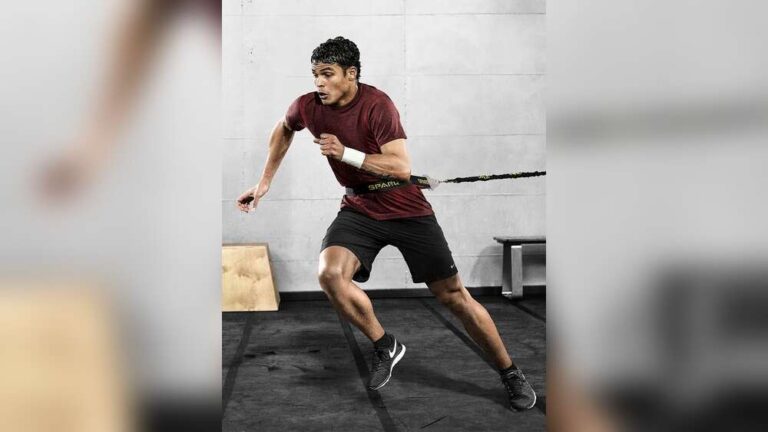
Perform movements that require balance and control. Examples include lunges, side steps, and hopping drills. Move smoothly and avoid rushing through exercises.
Dynamic drills train your body to stay balanced while moving fast. They prepare you for the unpredictable actions in sports. Add these drills to your training for better agility and strength.
Using Equipment To Enhance Balance
Using equipment to improve balance helps athletes train better and safer. These tools create an unstable surface to challenge the body. This forces muscles to work harder to stay steady. Balance training equipment can improve strength, coordination, and focus.
These tools suit many sports and skill levels. They make balance exercises more fun and effective. Below are some popular options for balance training.
Balance Pads And Discs
Balance pads and discs are soft, foam surfaces. They create a squishy, unstable base for standing or moving. Athletes use them to practice single-leg stands and squats.
They help build ankle strength and improve joint stability. These tools are lightweight and easy to carry. They work well for home or gym workouts.
Bosu Balls
Bosu balls have a flat side and a dome side. Standing or balancing on the dome side increases difficulty. Athletes perform squats, lunges, and jumps on this tool.
Bosu balls improve core strength and balance under pressure. They also train quick reflexes and body control. This equipment is common in sports training programs.
Stability Balls
Stability balls are large, inflatable balls for sitting or balancing. Using them challenges the core and leg muscles. Athletes do exercises like planks, bridges, and passes on these balls.
They improve posture, coordination, and overall balance. Stability balls are versatile and can fit many workouts. They help athletes stay steady during dynamic movements.
Integrating Balance With Strength Training
Integrating balance with strength training improves sports performance by building control and power. Combining these two elements helps athletes stay stable during movement and resist injury. Balance training alone is not enough; strength supports and enhances balance skills. Training both together creates a strong foundation for all sports activities.
Core Stability Exercises
Core stability exercises focus on strengthening the muscles around the trunk. A strong core helps maintain balance during sudden movements. Try planks, bird dogs, and dead bugs. These exercises improve control over body posture. Better core strength allows smoother and safer motion in sports.
Lower Body Strength Drills
Strong legs support balance and power in sports. Perform squats, lunges, and calf raises to build leg strength. Use single-leg variations to challenge balance further. These drills improve muscle control and joint stability. Athletes gain more control over their lower body during quick changes.
Functional Movement Patterns
Functional movements mimic real sports actions. Exercises like step-ups, lateral hops, and medicine ball throws connect strength and balance. These patterns train muscles to work together efficiently. Practicing functional movements prepares athletes for actual game situations. This training builds coordination and confidence on the field.
Credit: www.bertec.com
Balance Training For Injury Prevention
Balance training plays a key role in preventing injuries in sports. It helps athletes stay steady and avoid falls or twists. Good balance reduces the chance of sprains and strains during quick movements. It also strengthens the body’s ability to react to sudden changes in position.
Focusing on balance exercises can protect the joints and muscles. This lowers the risk of common sports injuries. Athletes gain more control over their bodies, making their performance safer and more effective.
Reducing Ankle And Knee Injuries
Balance training improves stability around the ankle and knee joints. Strong muscles support these joints and keep them aligned. This reduces the chances of rolling or twisting an ankle. It also prevents knee injuries like ligament tears.
Simple exercises like standing on one leg or using balance boards help. They train muscles to react quickly and keep the joints safe. Better joint control means fewer injuries during runs, jumps, and sudden stops.
Improving Proprioception
Proprioception is the body’s sense of position and movement. Balance training sharpens this sense. It helps athletes know where their limbs are without looking. This skill is vital for quick, safe reactions during sports.
Exercises that challenge balance improve nerve signals to muscles. This leads to faster and more precise adjustments. Better proprioception lowers injury risk by helping the body avoid dangerous positions.
Tracking Progress And Adjusting Training
Tracking progress is key to improving balance for sports. It helps you see what works and what needs change. Without tracking, training can become less effective over time. Adjusting your exercises keeps your balance skills growing. This section explains how to set clear goals and change exercises as you improve.
Setting Measurable Goals
Start by setting simple, clear goals for your balance training. Use numbers to measure progress. For example, aim to hold a balance pose for 30 seconds. Or try to balance on one leg without wobbling five times. Write down your goals and track daily or weekly results. This helps you stay focused and motivated.
Use tools like timers, balance boards, or apps to measure progress. Record your scores and compare them over time. Small improvements show your training is working. Adjust goals to stay challenging but realistic. Setting measurable goals makes progress easy to see.
Adapting Exercises Over Time
Change exercises as your balance improves. Start with easy moves and add difficulty step by step. For example, move from standing on one foot to closing your eyes. Use unstable surfaces like foam pads or balance discs. This forces your body to work harder.
Try new exercises targeting different muscles and balance types. Changing routine prevents boredom and plateaus. Listen to your body and avoid pain. Adjust training frequency and intensity based on your progress. Adapting exercises keeps your balance training effective and interesting.
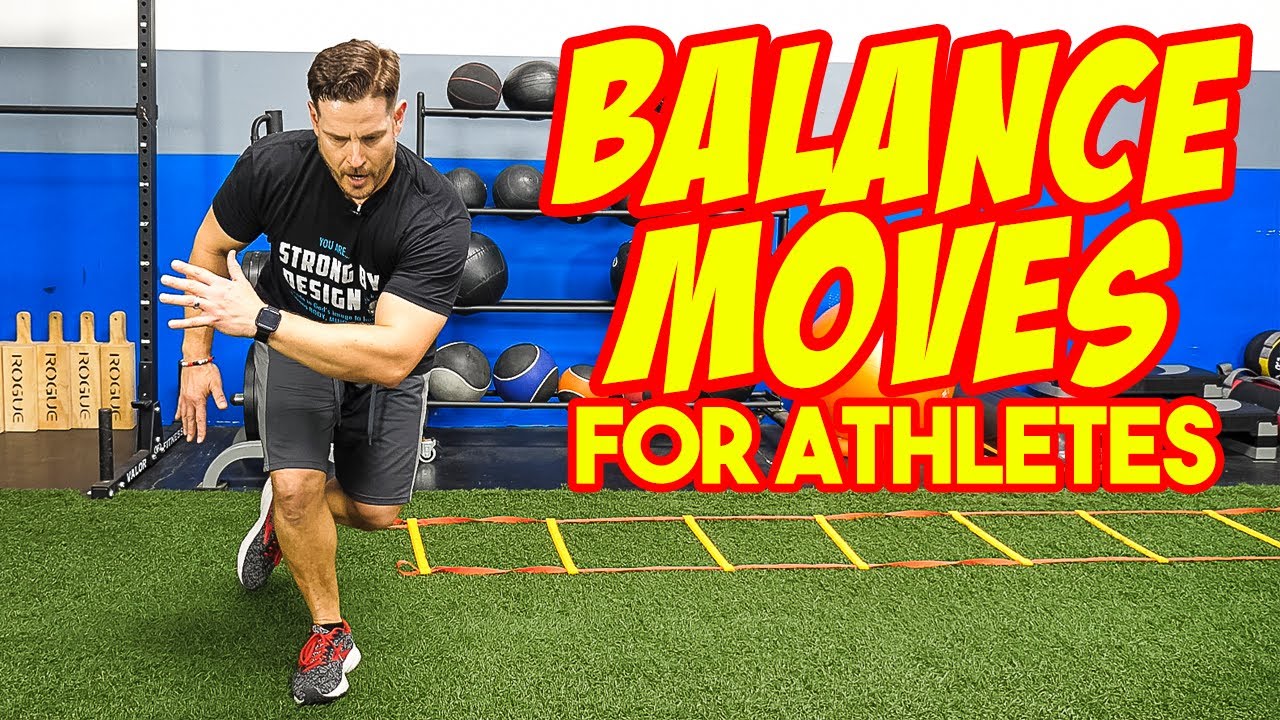
Credit: www.youtube.com

Credit: www.youtube.com
Frequently Asked Questions
What Are The Best Exercises To Improve Balance For Sports?
Effective balance exercises include single-leg stands, balance board drills, and stability ball workouts. These improve core strength and coordination, essential for sports performance.
How Does Balance Training Enhance Athletic Performance?
Balance training boosts body control, reduces injury risk, and improves agility. It helps athletes maintain stability during dynamic movements, enhancing overall sports skills.
How Often Should I Train Balance For Sports Improvement?
Train balance 2-3 times weekly for optimal results. Consistency helps develop neuromuscular control and maintains progress in sports performance.
Can Balance Training Prevent Sports Injuries?
Yes, balance training strengthens muscles and joints, improving stability. This reduces the likelihood of falls and common sports injuries.
Conclusion
Training balance improves your control and strength in sports. Practice regularly to see steady progress. Start with simple exercises and increase difficulty slowly. Balance helps prevent injuries and boosts your confidence. Focus on your posture and body awareness during training.
Small steps lead to big improvements over time. Keep your training fun and consistent for best results. Your body will thank you with better performance.

Brandon Knoxley is a sport & fitness writer and training guide contributor at MySportFitHub. He focuses on practical workouts, performance-based training, and honest fitness gear insights designed for real people and real results. Brandon is passionate about helping beginners and active individuals train smarter, avoid common mistakes, and build sustainable fitness habits.